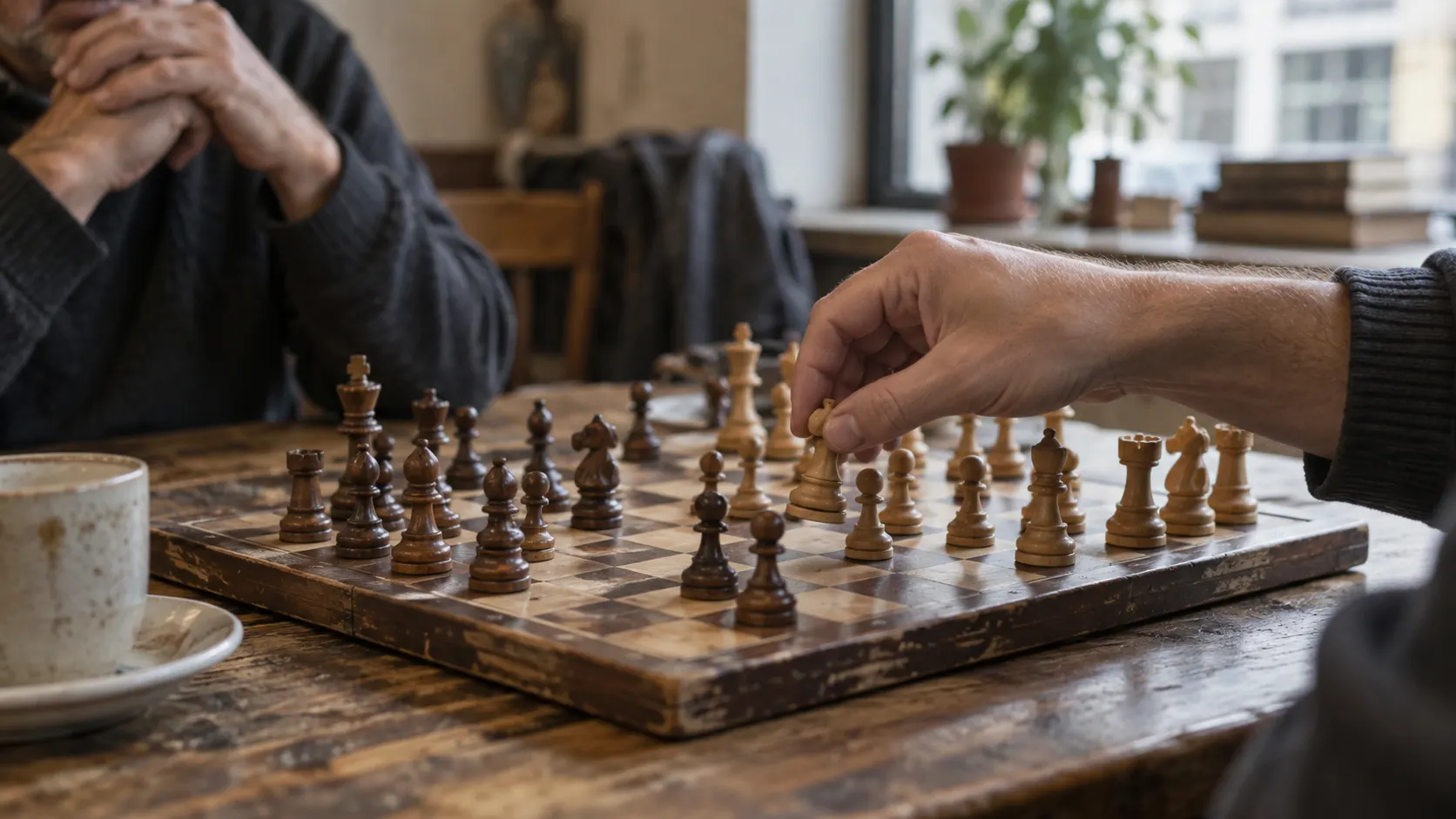
Chess
Losing to a stranger online, then insisting the opening was fine, actually.
- Cost to start
- ~$25 to start
- Learning curve
- 4 / 5
- Typical session
- 15–40 min
- Physical demand
- 1 / 10
- Social level
- 4 / 10
- Setting
- At home
Chess has the rare distinction of being both completely free to learn and a genuine lifelong pursuit for people who've been playing it for decades — the rules take an evening, and the depth underneath them apparently doesn't run out.
What it costs
Bare-minimum start: $0. Free sites like Chess.com and Lichess let you play immediately against other beginners or a computer, with built-in tutorials covering the rules and basic tactics.
Practical setup: about $25. That's a standard vinyl roll-up board with plastic pieces (~$20) for playing in person, and a cheap beginner tactics book (~$5) covering common patterns — forks, pins, basic checkmates — that come up constantly once you know to look for them.
Optional later: a chess clock for timed games once you're playing competitively, a nicer wooden board and weighted pieces, and a paid subscription to an online platform's advanced lesson content once free resources feel too basic.
There's essentially no ongoing cost — a board and a tactics book last indefinitely, and online play is free forever at the beginner and intermediate level, which is rare for a hobby with this much depth.
What to buy
A standard vinyl or cardboard board with plastic Staunton-pattern pieces — this is the universal tournament style, so learning to recognize these piece shapes matters more than owning a fancy set. A basic tactics book aimed specifically at beginners, since raw rule knowledge without pattern recognition leaves you missing obvious wins and losses for a long time.
Skip a chess clock and a nice wooden set for now — neither changes how quickly you actually improve, and both make more sense once you already know you're sticking with the game. You can also borrow a set from a friend or a library for in-person games before buying your own, since a basic vinyl set is genuinely just as functional for learning as an expensive one.
How to start
Start with a free online tutorial covering how each piece moves and basic checkmate patterns. You don't need a physical board or any book for this first step.
Play short, frequent games against similarly-rated opponents rather than long games against much stronger players — losing badly and repeatedly to someone far better teaches less than close games against people at your own level. After each game, spend a few minutes reviewing what went wrong using the free analysis tools most chess sites provide; this single habit improves people faster than raw hours played without review. Learn a small number of opening moves properly rather than memorizing many shallowly — a couple of solid openings you actually understand beat a dozen you've only glanced at.
The most common beginner mistake is moving pieces impulsively without checking what the opponent's last move threatened — pausing to ask "what did that move just enable" before responding catches a large share of avoidable blunders. A second common mistake is neglecting king safety early in favor of chasing material, which feels productive in the moment and then loses the game outright a few moves later.
Is it for you?
Chess suits people who enjoy a game that rewards careful thinking over quick reflexes, and who don't mind a genuinely steep, humbling learning curve that doesn't flatten out quickly. It asks for a tolerance for repeated losing while you're still learning basic patterns, since even strong beginners lose constantly to more experienced players online. If you want quick mastery, this isn't it; if you want a game you could spend years getting incrementally better at, with a clear, visible sense of progress the whole way, it delivers exactly that.
Starter gear
Soft suggestions to get going. These are affiliate links — buying through one may earn us a commission at no extra cost to you.
Tagged
More like this
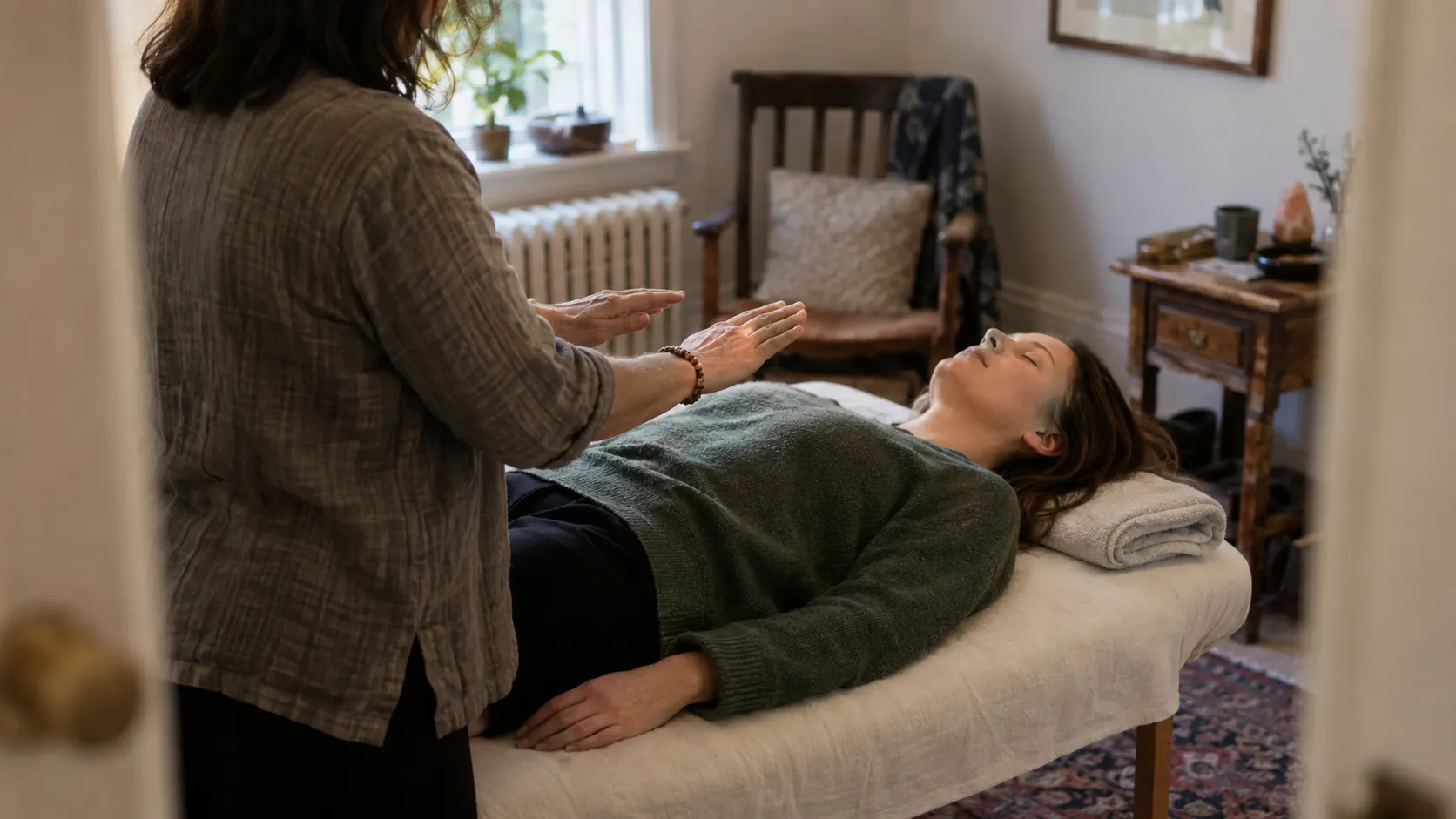
Reiki Healing
Lying still while someone holds their hands near you, which is relaxing whether or not chi is real.
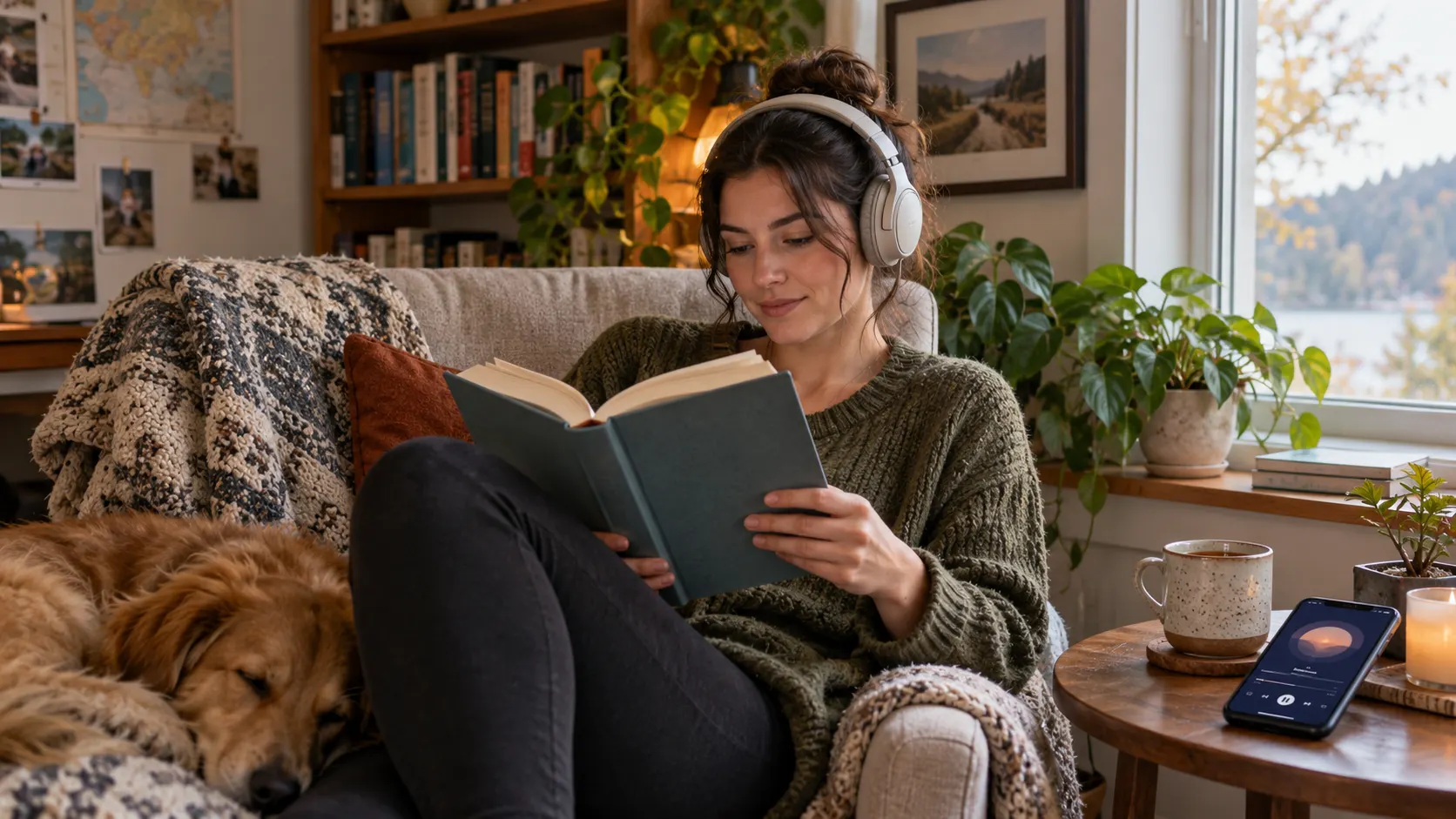
Immersion Reading
Reading and listening to the same book at once, because apparently one sense wasn't enough.

Escape Rooms
Paying a stranger to lock you in a room, then thanking them for it afterward.
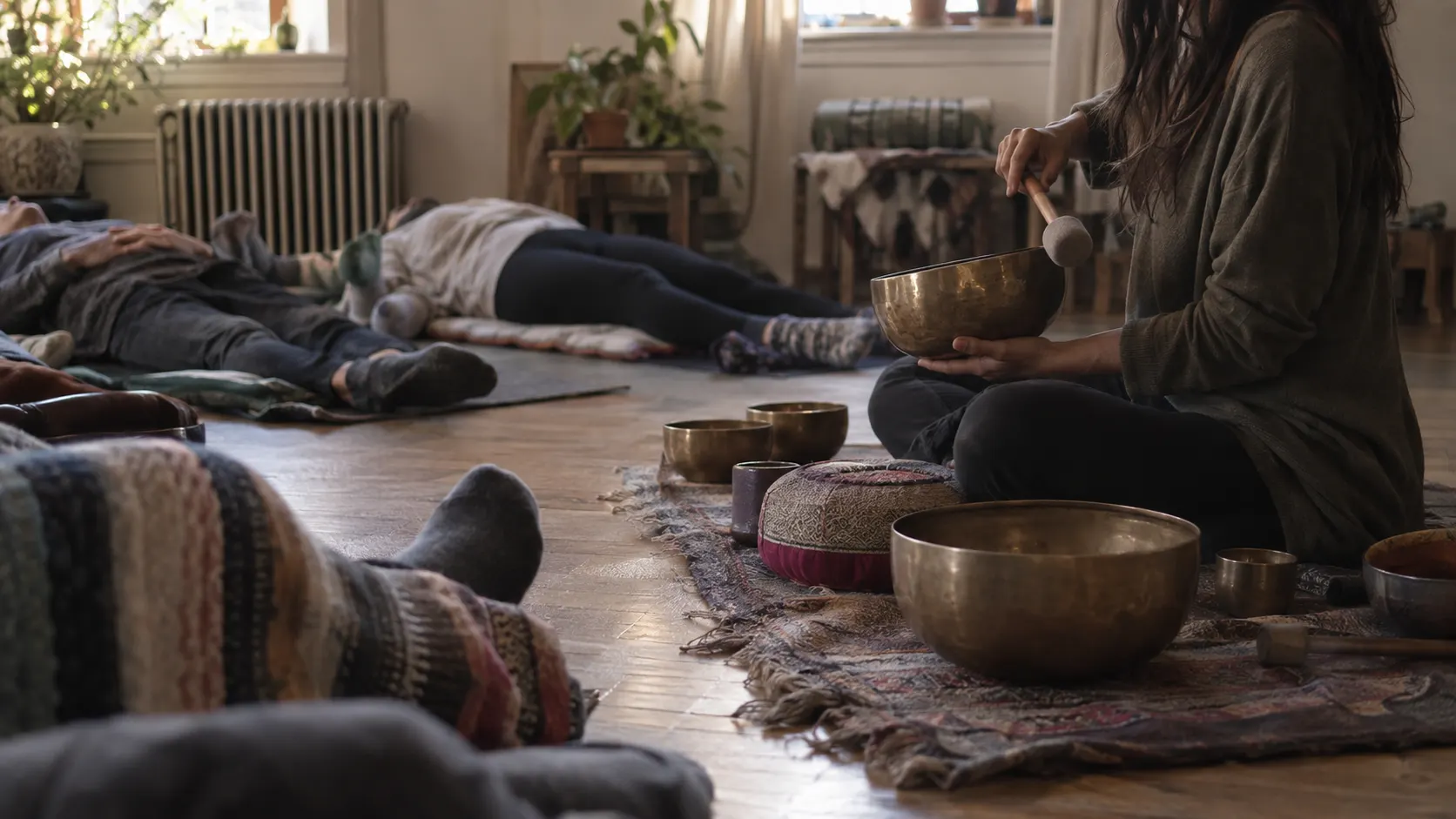
Sound Bath
Lying on the floor while bowls hum at you, which is more relaxing than it sounds.
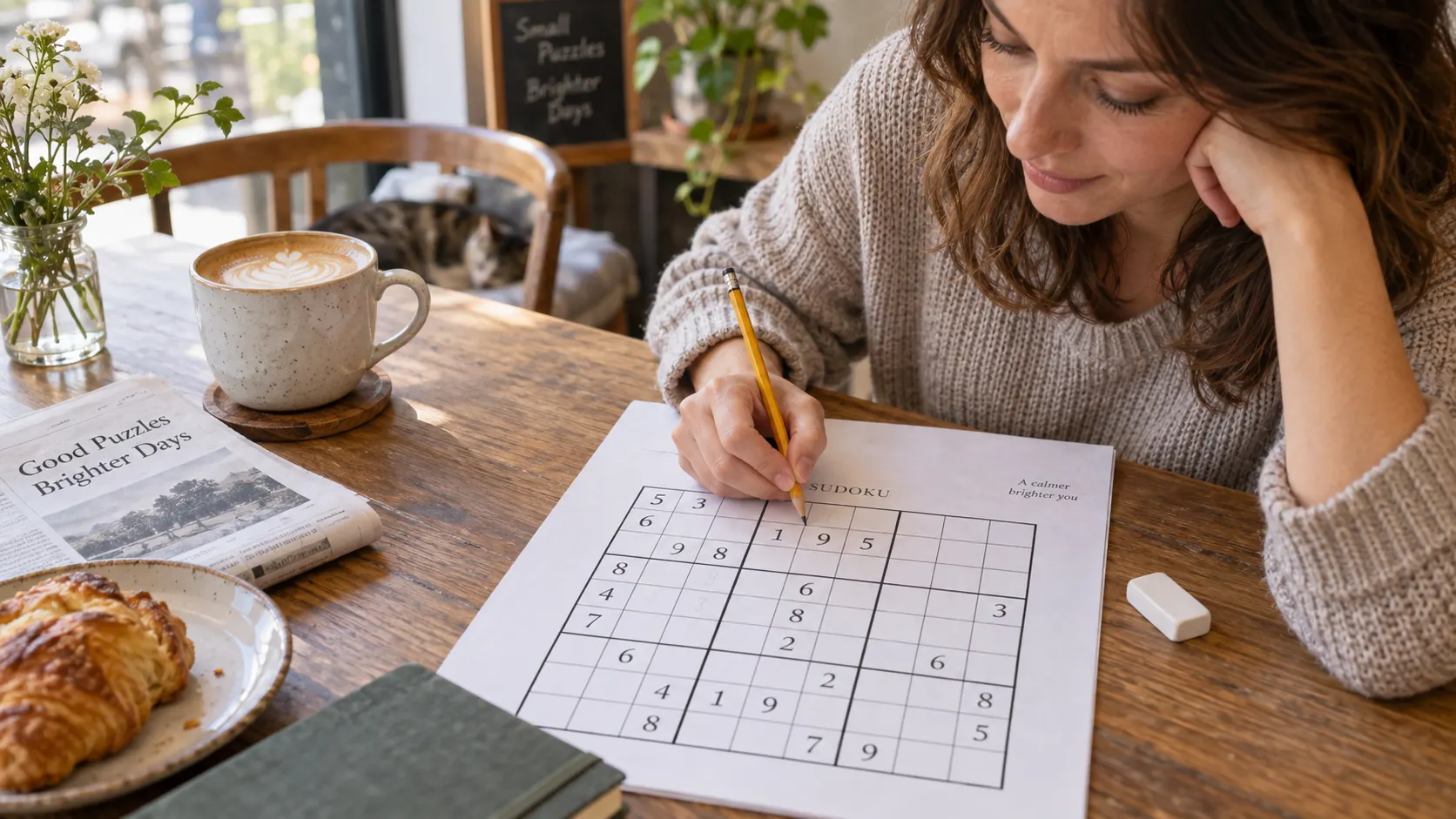
Sudoku
Nine numbers, one grid, and a strange sense of moral failure when you get one wrong.