
Escape Rooms
Paying a stranger to lock you in a room, then thanking them for it afterward.

- Cost to start
- ~$35 to start
- Learning curve
- 1 / 5
- Typical session
- 60 min
- Physical demand
- 1 / 10
- Social level
- 8 / 10
- Setting
- At a venue
Escape rooms lock a small group in a themed space with a set of puzzles, and you've got 60 minutes to solve your way out. No skill carries over from session to session the way chess or sudoku technique does — every room is a fresh puzzle designed by someone actively trying to surprise you — which is exactly why the format holds up as an occasional outing rather than something you master.
What it costs
Bare-minimum start: about $30 a person — a single booking at a local escape room venue, typically $25-40 per person depending on your city and the room's production quality. There's no gear to buy; the entire cost is the experience itself.
Practical setup: about $35 a person if you go a step up to a well-reviewed, higher-production room — better sets, more elaborate puzzle design, and generally a more memorable experience than a bargain option. Splitting the booking cost across your group (most rooms hold 4-8 people) brings the per-person cost down further.
Optional later: a monthly or annual pass some venue chains offer if you become a regular, and travel to try particularly well-regarded rooms in other cities, which serious enthusiasts genuinely do.
There's no gear to spend on beyond the booking itself — this is one of the only hobbies on this whole site with literally nothing to buy. The one thing worth spending on is picking a well-reviewed room over the cheapest option; room quality varies enormously and a bad room can sour the whole experience.
What to buy
Nothing. Escape rooms are a booked experience, not a hobby with equipment — the only "purchase" is your ticket for a session.
There's nothing to skip buying, either, since there's nothing to buy in the first place. The one real decision is which venue and room to book, and checking recent reviews before booking is worth the two minutes it takes.
How to start
Start by checking recent reviews for escape room venues in your area — quality varies a lot venue to venue and even room to room within the same venue, so a specific well-reviewed room matters more than the brand of venue. You don't need any prior experience or a specific group size beyond the room's minimum, often 2-3 people.
Pick a room's stated difficulty level honestly for your group's first try — a room rated for experienced players can be genuinely frustrating as a first escape room experience. Communicate constantly with your group once inside; escape rooms are won by groups who talk through what they're finding out loud, not by one person quietly solving everything. Don't be afraid to ask the game master for a hint if you're stuck for more than a few minutes — most rooms include a hint system specifically because struggling in silence isn't more fun, it's just stuck. The most common beginner mistake is spending too long on one puzzle instead of spreading out to search the whole room; most rooms have multiple puzzle threads running in parallel; you're often missing an easier win elsewhere.
Is it for you?
Escape rooms suit people who enjoy a short, intense burst of group problem-solving and don't mind that the whole thing lives inside one hour with no rematch on that exact room. It rewards communication and lateral thinking more than any specific knowledge. If you want a hobby you build skill in over time, escape rooms don't work that way — each room is a one-time surprise by design. If you like puzzle hunts or trivia nights with friends and want something with more physical presence and atmosphere, it's one of the most consistently fun group outings you can book on short notice.
Tagged
More like this
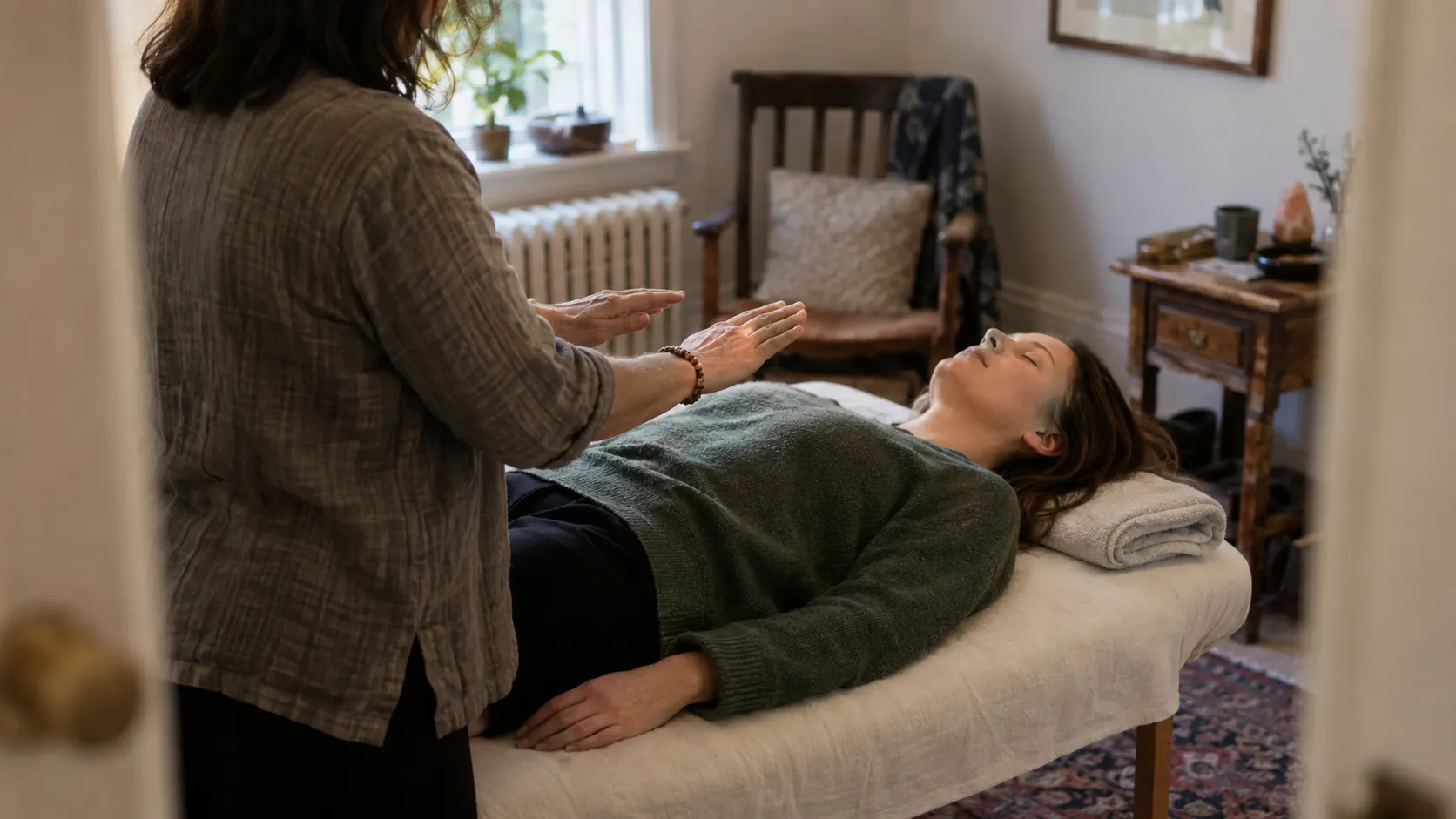
Reiki Healing
Lying still while someone holds their hands near you, which is relaxing whether or not chi is real.

Immersion Reading
Reading and listening to the same book at once, because apparently one sense wasn't enough.
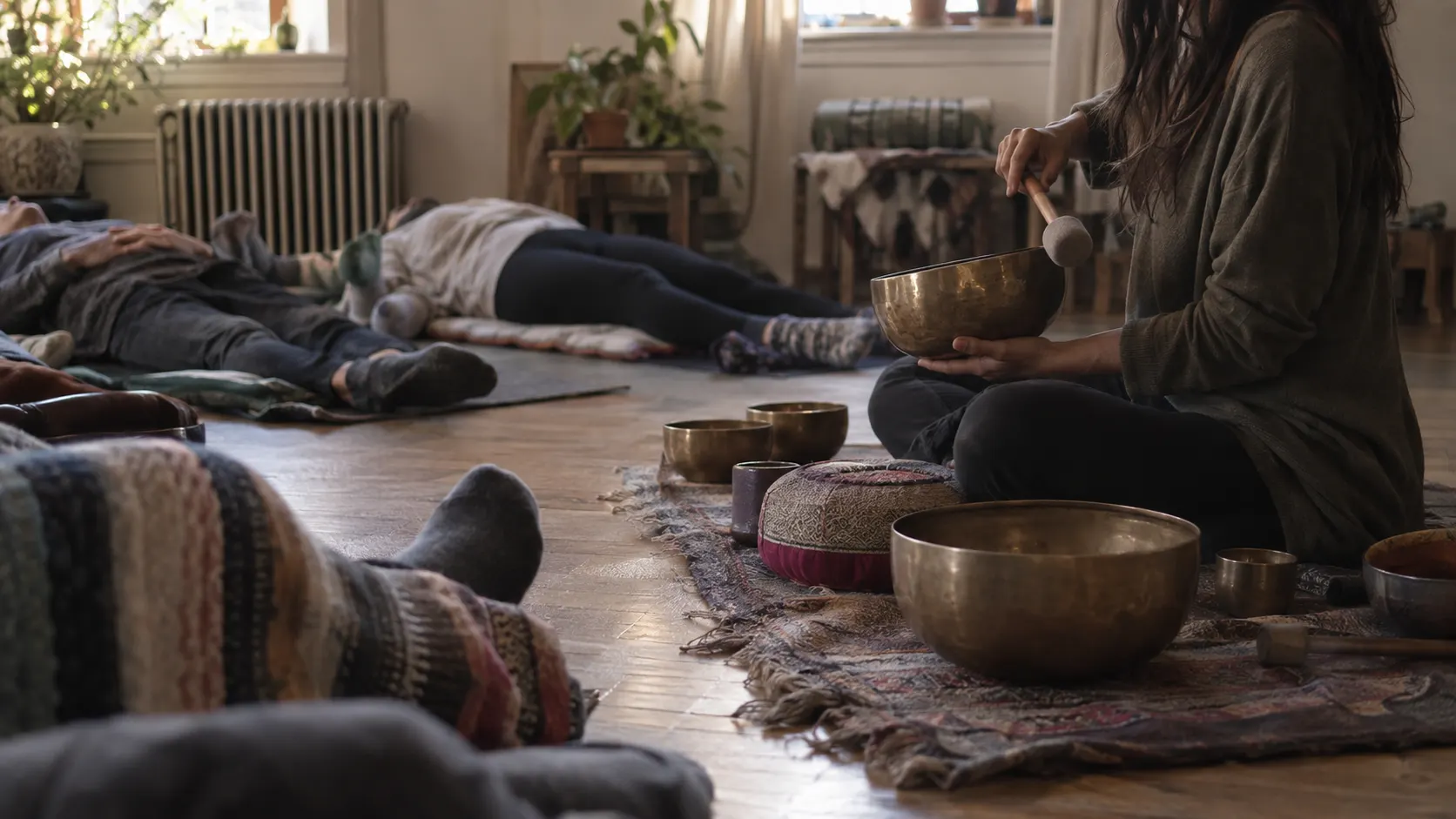
Sound Bath
Lying on the floor while bowls hum at you, which is more relaxing than it sounds.
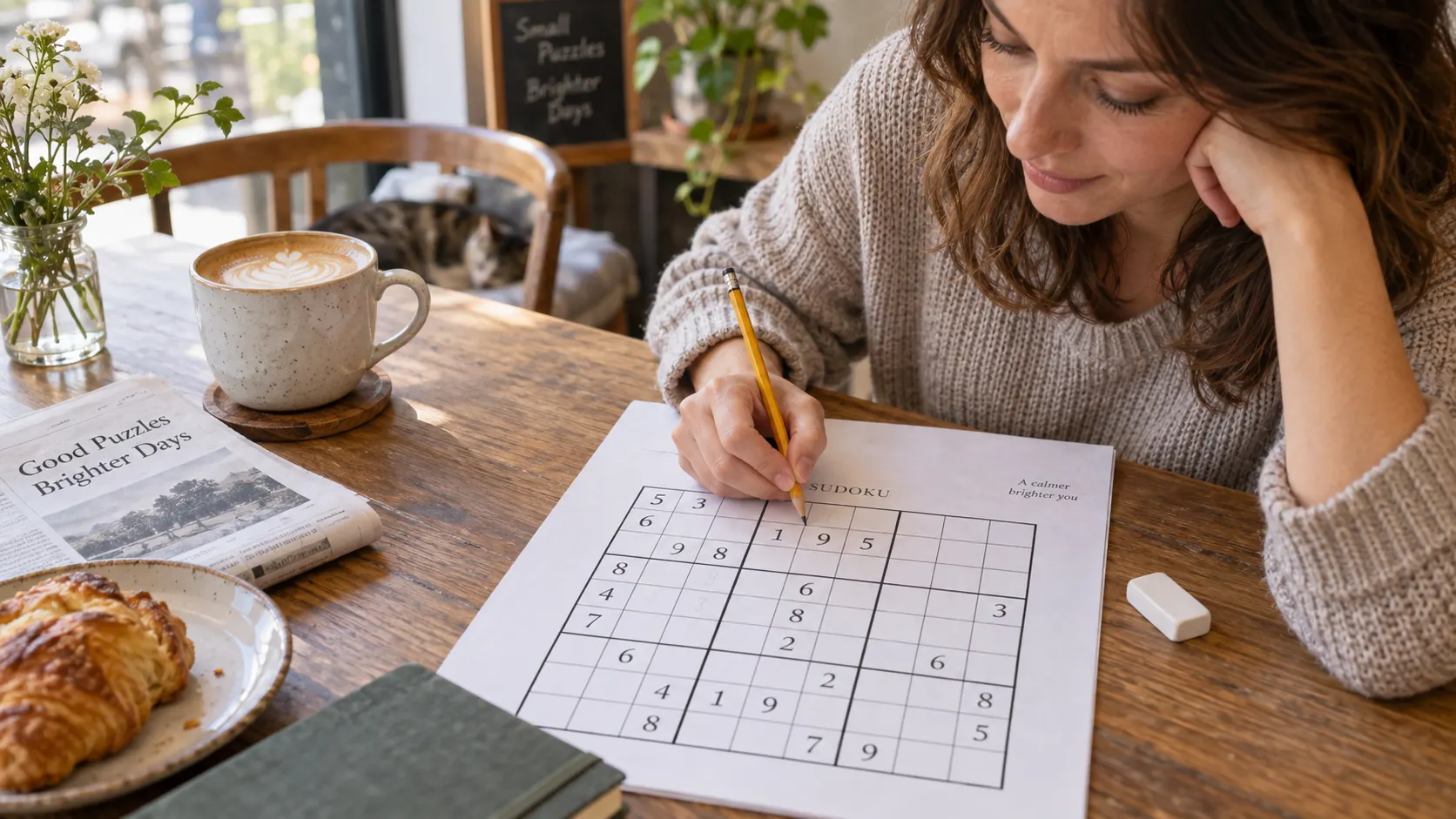
Sudoku
Nine numbers, one grid, and a strange sense of moral failure when you get one wrong.

Qi Gong
Slow-motion stretching with your breath doing most of the actual work.