Sound Bath
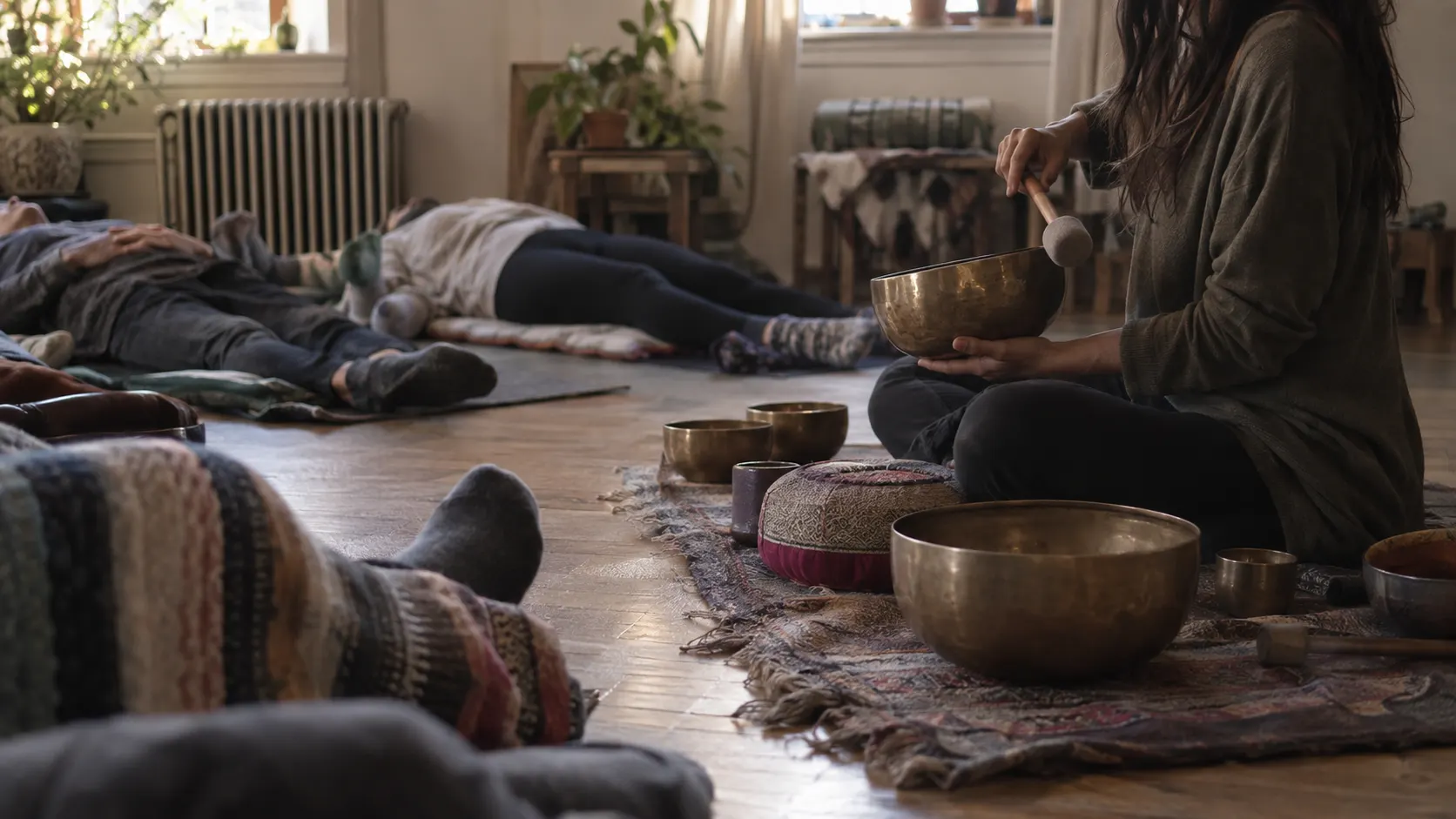
Lying on the floor while bowls hum at you, which is more relaxing than it sounds.
- Cost to start
- ~$85 to start
- Learning curve
- 2 / 5
- Typical session
- 20–40 min
- Physical demand
- 1 / 10
- Social level
- 1 / 10
- Setting
- At home
Sound baths get sold with claims about specific "healing frequencies" that don't hold up to scrutiny the way they're marketed. What does hold up: sustained, low, resonant tones for twenty or thirty minutes reliably help most people's nervous systems slow down, in roughly the same way a lot of ambient or drone music does — the mechanism is ordinary relaxation response, not a mystical frequency effect, and that's still a genuinely nice thing to have in a routine.
What it costs
Bare-minimum start: about $20–35 for a single public sound bath session at a yoga studio or wellness center — a good way to experience one before deciding to buy an instrument yourself.
Practical setup: about $85. That's one genuinely well-made singing bowl (~$70), since the cheap decorative bowls sold as souvenirs are often poorly tuned and sound thin rather than resonant, plus a mallet and a small cushion to rest the bowl on (~$15). One good bowl is enough to start; you don't need a full set.
Optional later: additional bowls in different tones once you know which sounds you actually enjoy, a small gong, and a basic recording setup if you ever want to share recordings rather than only playing live.
There's no ongoing cost with a single bowl — it doesn't wear out with normal use. The only real recurring expense is if you keep expanding the collection, which is entirely optional and driven by preference, not necessity.
What to buy
One well-made metal or crystal singing bowl in a mid-size range — bigger bowls generally produce lower, longer tones. A wooden mallet designed for the bowl's size, since the wrong mallet weight makes a bowl sound thin or produces no clear tone at all. A small round cushion to set the bowl on, which lets it resonate freely instead of the sound getting damped by a hard surface.
Skip buying a full set of seven "chakra" bowls as a beginner — it's a large, unnecessary expense before you know your own preferences, and one well-chosen bowl teaches you the actual technique just as well. You can also borrow a bowl from a friend who has one, or attend a shop's in-store demo, to hear the difference between bowl sizes before committing to buying your own.
How to start
Start with one bowl, a cushion, and a quiet room with the door closed. You don't need a full set or any recording gear yet.
Strike the bowl once with the mallet and let the tone fully decay before striking again, rather than layering sounds quickly — the space between tones is as much a part of a sound bath as the tones themselves. Try both a single strike-and-rest pattern and a slow rim rub (circling the mallet around the bowl's rim) to hear the difference in tone quality between the two techniques. Sessions of twenty to thirty minutes, lying down with eyes closed, are a realistic starting length — longer isn't automatically better once your attention starts drifting.
The most common beginner mistake is gripping the mallet too tightly, which mutes the bowl's resonance — a light, relaxed grip produces a noticeably clearer, longer tone than a tense one. A second common mistake is striking too hard, assuming louder means better — a firm but controlled strike produces a cleaner sustained tone than a hard, jarring one, which tends to produce more noise than resonance.
Is it for you?
Sound bath practice suits people who want a passive, low-effort way to build a relaxation habit and don't need the "healing" framing to be literally true to still find lying still and listening genuinely calming. It asks for a quiet space and a willingness to do something that looks, from the outside, like doing nothing at all. If you need a practice with active movement or clear measurable outputs, this won't satisfy that; if you want twenty minutes of low-effort calm you can trigger with one bowl, it delivers reliably.
Starter gear
Soft suggestions to get going. These are affiliate links — buying through one may earn us a commission at no extra cost to you.
Tagged
More like this
Reiki Healing
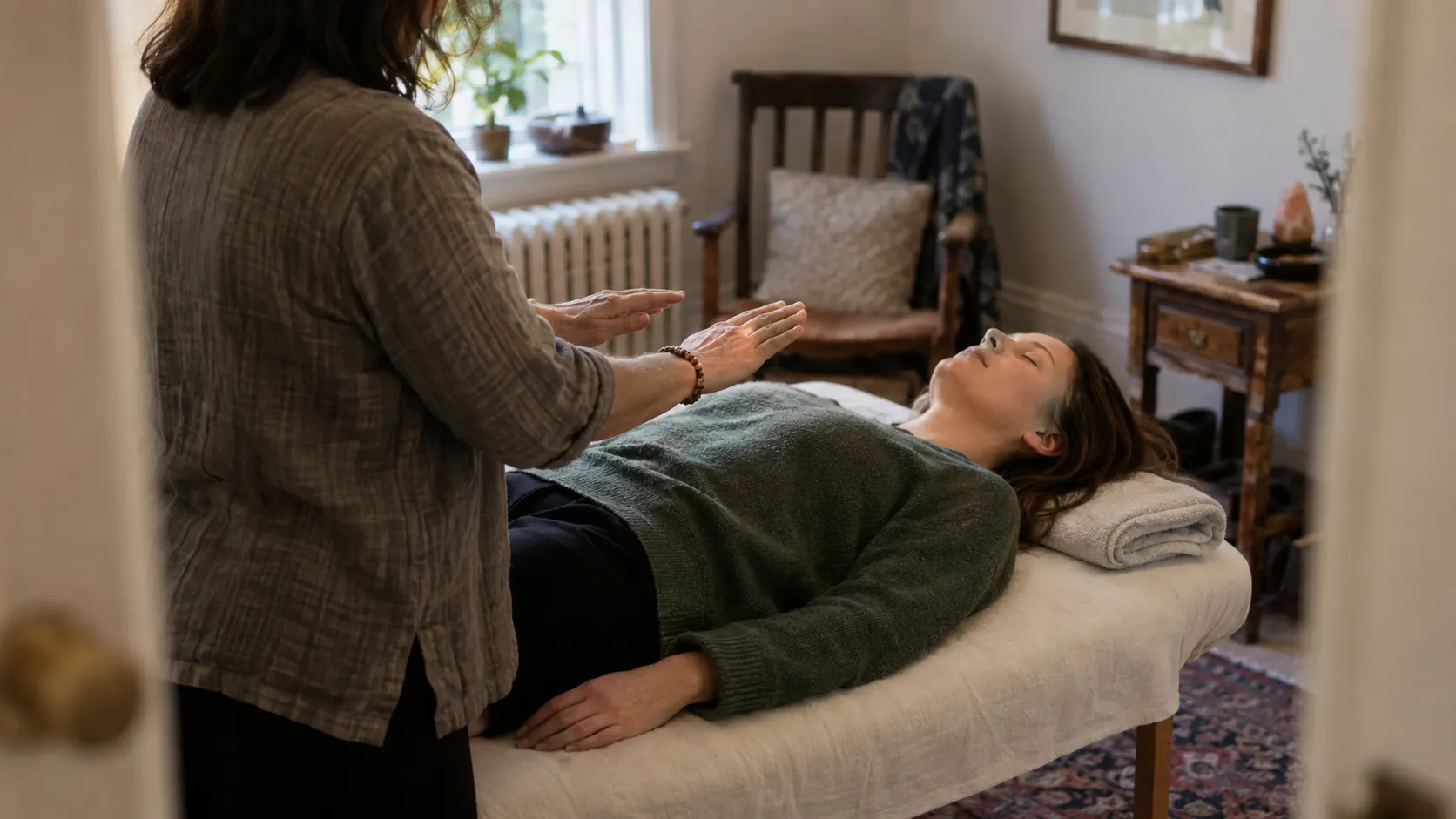
Lying still while someone holds their hands near you, which is relaxing whether or not chi is real.

Immersion Reading
Reading and listening to the same book at once, because apparently one sense wasn't enough.

Escape Rooms
Paying a stranger to lock you in a room, then thanking them for it afterward.
Sudoku
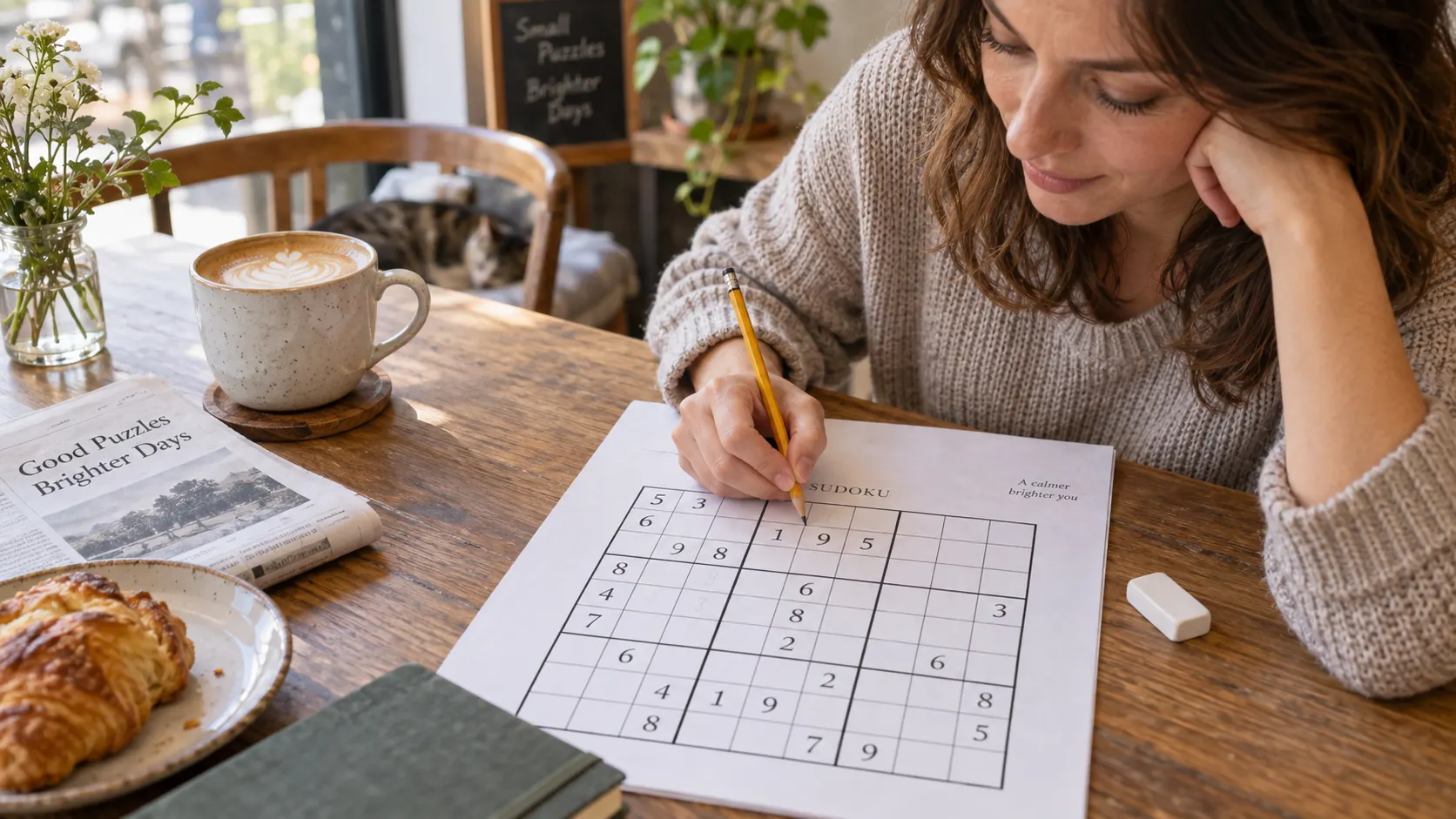
Nine numbers, one grid, and a strange sense of moral failure when you get one wrong.

Qi Gong
Slow-motion stretching with your breath doing most of the actual work.