Reiki Healing
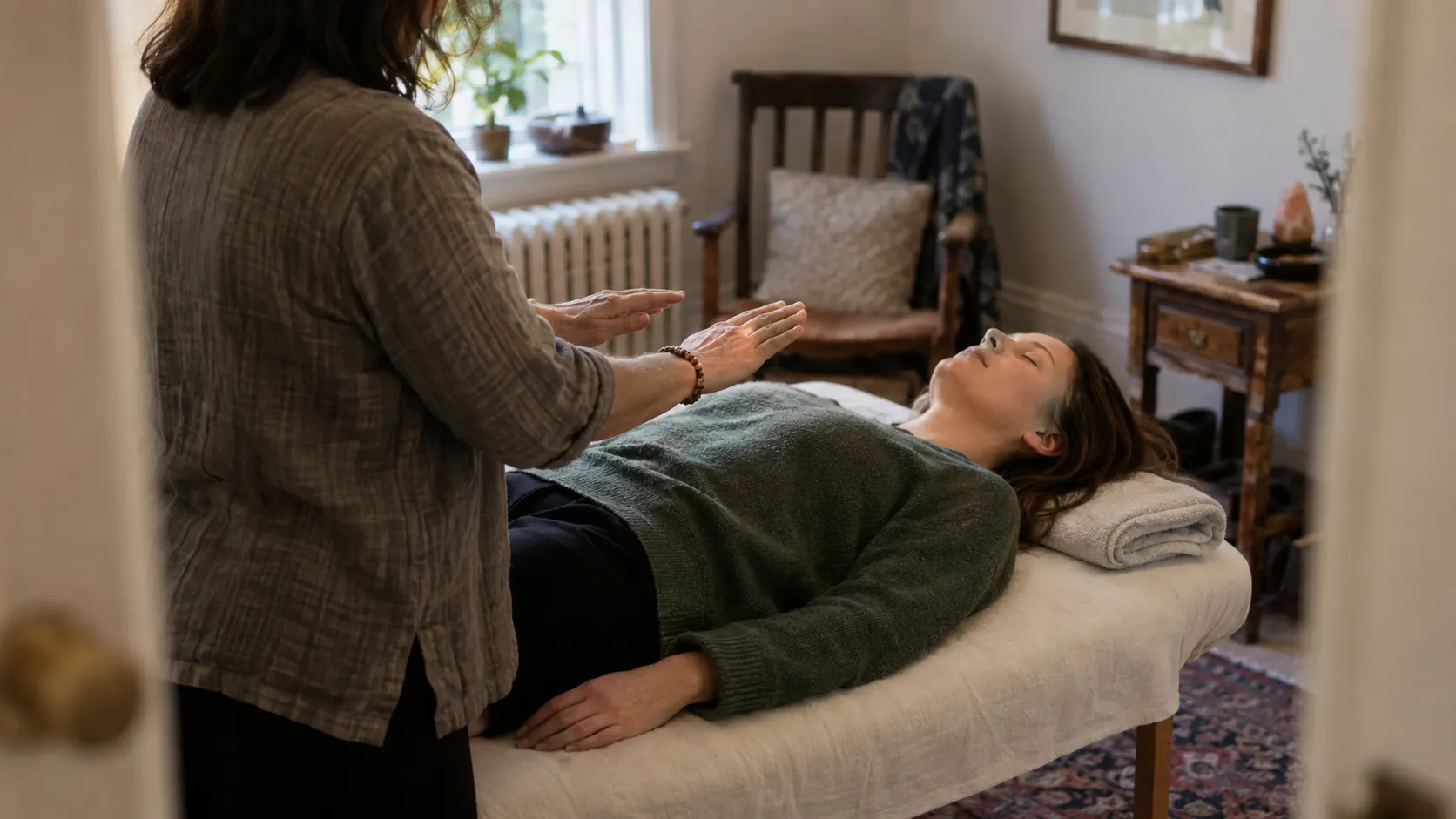
Lying still while someone holds their hands near you, which is relaxing whether or not chi is real.
- Cost to start
- ~$175 to start
- Learning curve
- 2 / 5
- Typical session
- 30–60 min
- Physical demand
- 1 / 10
- Social level
- 4 / 10
- Setting
- At a venue
Reiki markets itself as channeling universal life energy through the hands to heal. What's actually verifiable is narrower and still worth knowing: lying or sitting still for thirty to sixty minutes while someone holds calm, still hands near or on your body is measurably relaxing, in the same broad way meditation or a massage is — there's no scientific evidence supporting the specific "energy" mechanism reiki claims, whatever the relaxation response itself is worth.
What it costs
Bare-minimum start: about $0–20. Many reiki communities run free or donation-based practice circles ("reiki shares"), where beginners can receive and give reiki in a group setting to see what the practice actually feels like before training.
Practical setup: about $175. That's a Reiki Level 1 (Reiki I) attunement course, which is genuinely how people start practicing on themselves, friends, or family rather than only receiving it from someone else. Course prices vary a lot by teacher and lineage, but $100–250 for a weekend or single-day course is typical.
Optional later: Level 2 training, which adds techniques for working at a distance, and a massage table (~$150+) if you start giving hands-on sessions to others regularly instead of just self-practice on a couch or floor.
There's no real ongoing cost after Level 1 unless you pursue further training — self-practice at home costs nothing beyond the initial course, which is unusual for a hobby that starts this expensive.
What to buy
Nothing is required for a first session or a first class — most teachers provide any materials. If you continue self-practicing at home, a yoga mat or a comfortable surface to lie on is genuinely the entire "gear" list.
Skip crystals, essential oils, and reiki-branded merchandise sold alongside training — none of it is required for the practice itself, whatever a given teacher or shop suggests, and it adds real cost without adding anything the hands-on technique doesn't already involve. You can also attend multiple free reiki shares from different practitioners before committing to a specific teacher's paid course — styles and lineages vary more than the marketing suggests, and it's worth seeing a couple before paying.
How to start
Start by attending a free or low-cost reiki share to receive a session and observe how a group practices. You don't need training or certification to be on the receiving end.
If you want to practice yourself rather than only receive it, a Reiki Level 1 course is the standard next step — expect a day or a weekend covering hand positions, the basic principles, and an "attunement" ceremony specific to reiki training. Practice self-treatment a few times a week afterward to build familiarity with the hand positions and a comfortable session length; most beginners start with fifteen to twenty minutes rather than a full hour.
The most common beginner mistake is expecting a dramatic subjective experience and feeling like the training "didn't work" when a session mostly just feels like quiet, calm rest — for most people, that calm itself is the actual, real result, not a sign of doing it wrong. A related mistake is treating reiki as a substitute for actual medical care rather than a relaxation practice alongside it — it's worth being clear-eyed that no responsible teacher should present it as a replacement for seeing a doctor about a real health concern.
Is it for you?
Reiki suits people who want a structured way to practice quiet touch and stillness, either for themselves or to offer to others, and who are comfortable holding loosely to its energy framework without needing it scientifically proven to get value from the ritual and relaxation. It asks for comfort with a practice that has no measurable mechanism behind its core claims, which is a real dealbreaker for some people and a non-issue for others. If you need an evidence-based technique, look elsewhere for that specific claim; if you want a calm, hands-on practice and can hold its framing loosely, it delivers a genuine relaxation ritual.
Tagged
More like this
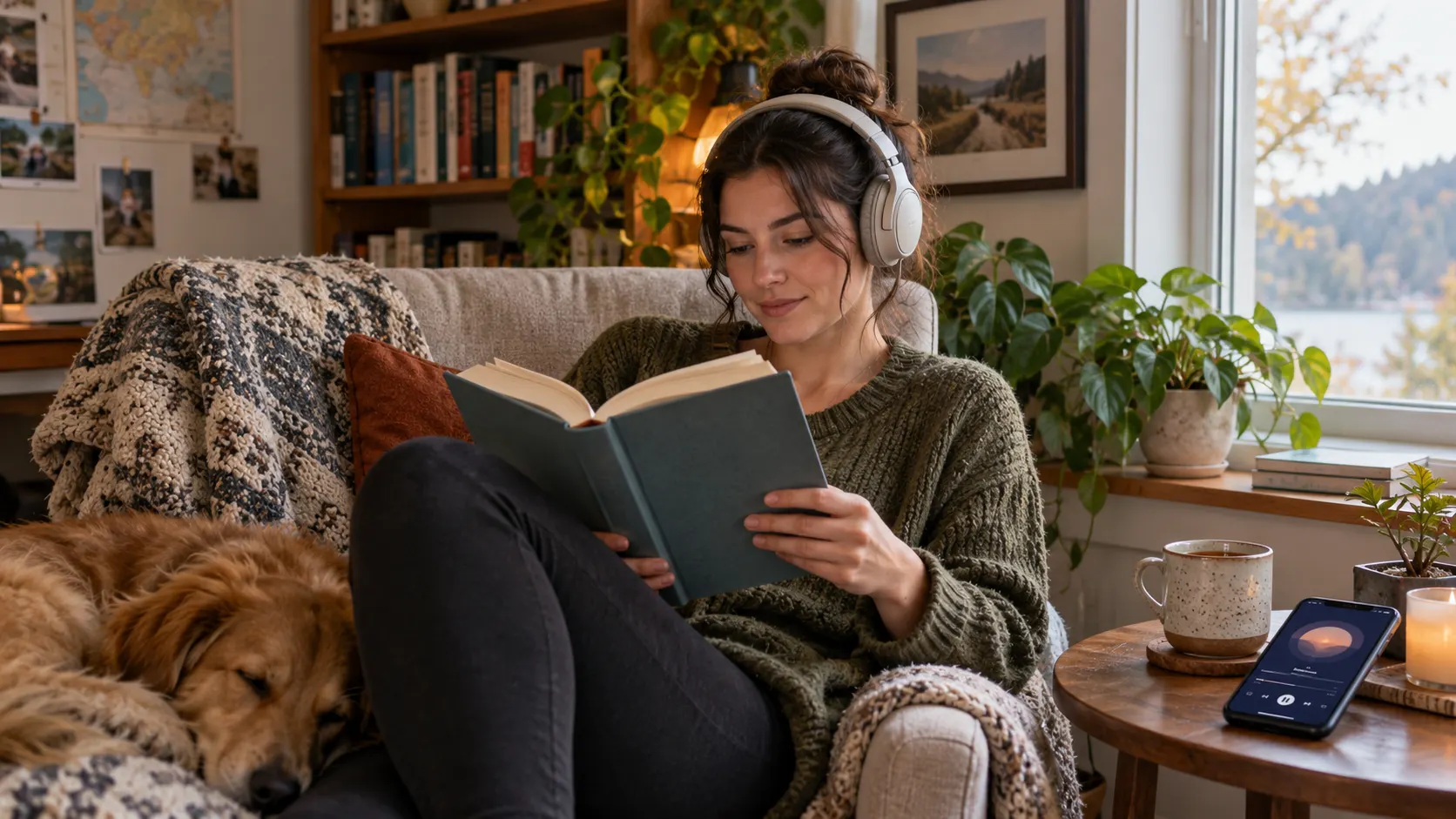
Immersion Reading
Reading and listening to the same book at once, because apparently one sense wasn't enough.

Escape Rooms
Paying a stranger to lock you in a room, then thanking them for it afterward.
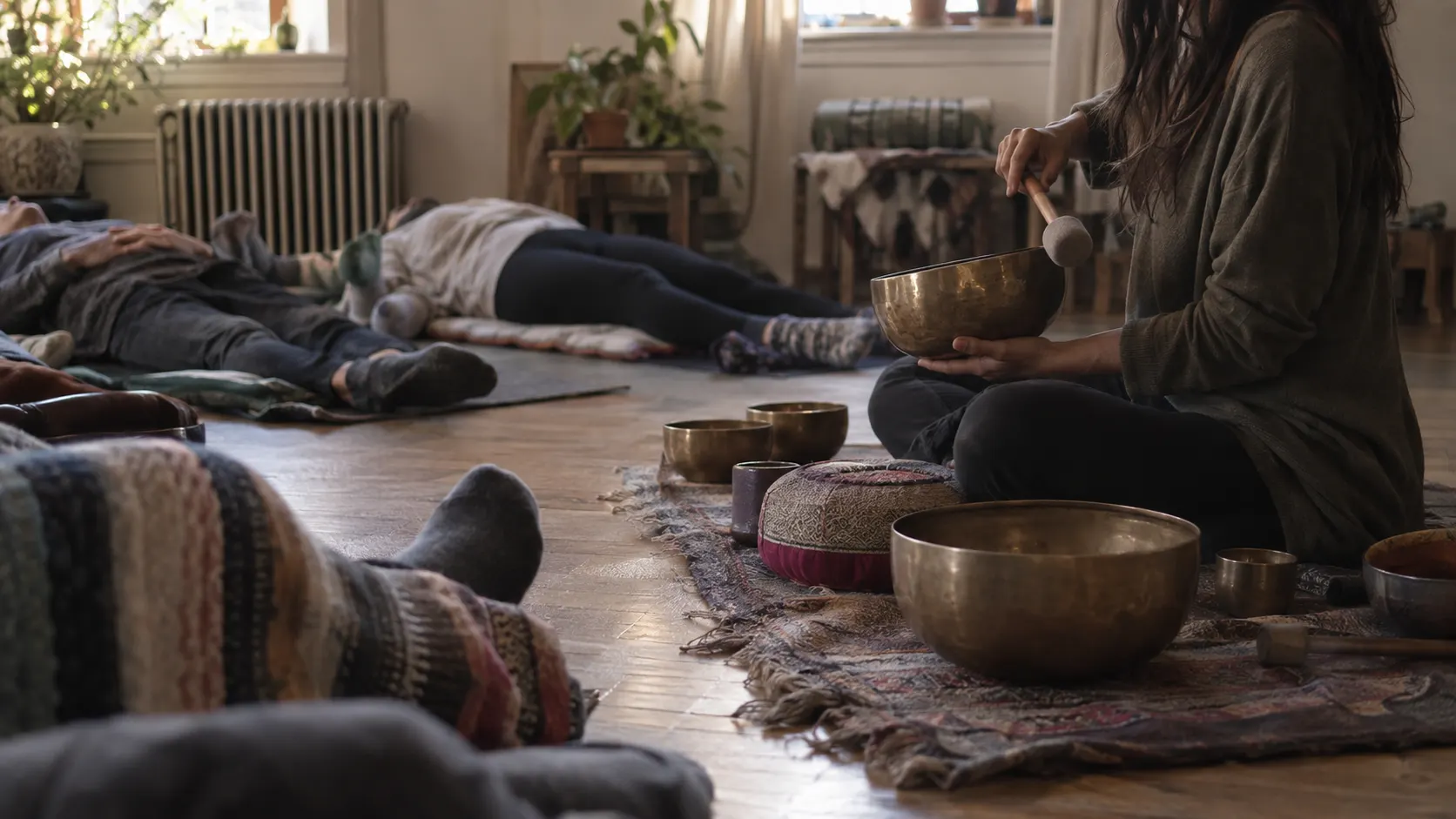
Sound Bath
Lying on the floor while bowls hum at you, which is more relaxing than it sounds.
Sudoku
Nine numbers, one grid, and a strange sense of moral failure when you get one wrong.
Qi Gong
Slow-motion stretching with your breath doing most of the actual work.