Qi Gong
Slow-motion stretching with your breath doing most of the actual work.
- Cost to start
- Free to start
- Learning curve
- 2 / 5
- Typical session
- 15–30 min
- Physical demand
- 2 / 10
- Social level
- 1 / 10
- Setting
- At home
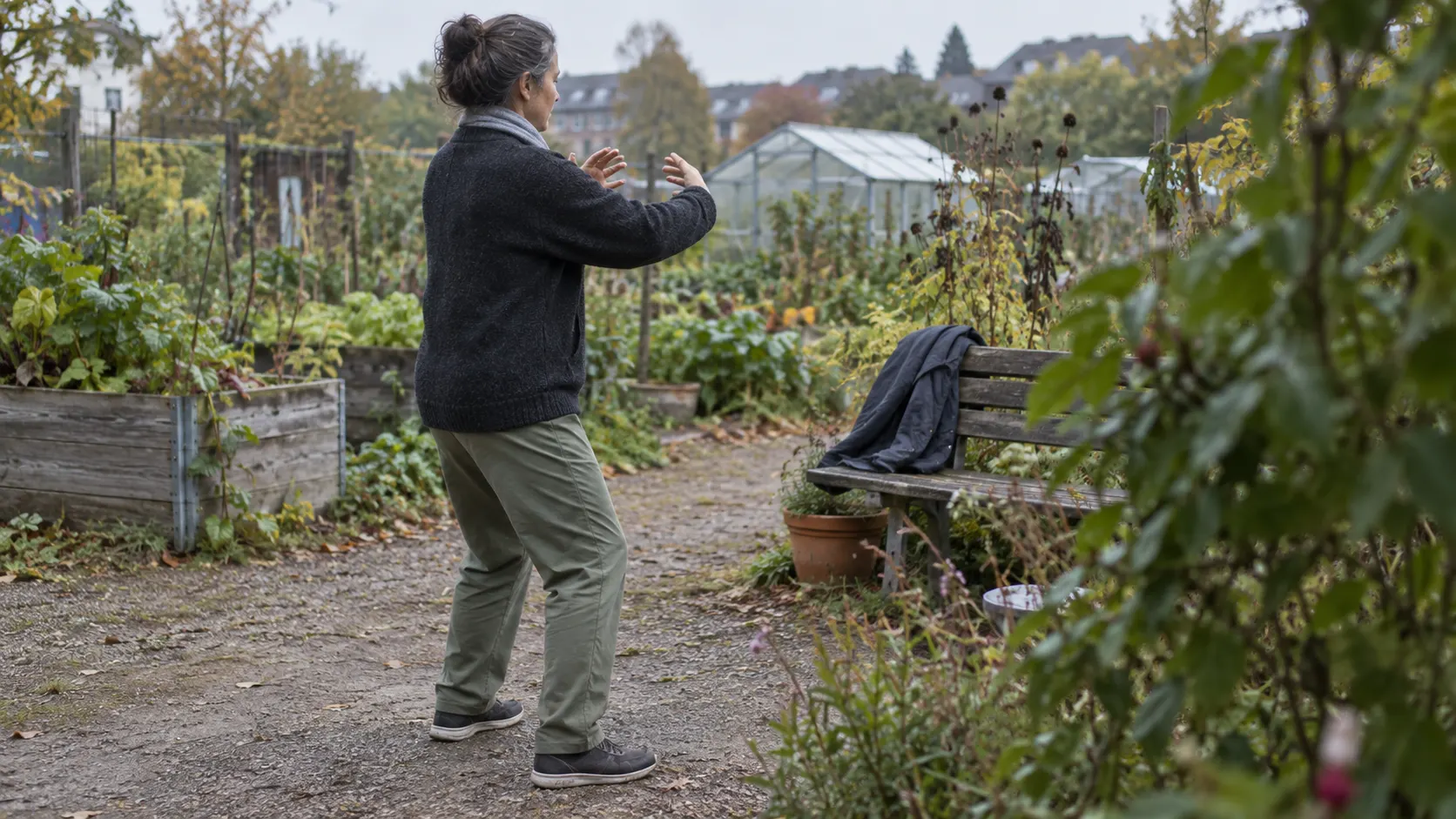
Qi gong gets lumped in with tai chi so often that most people assume they're the same thing. They're related, but qi gong is simpler and more solo-friendly — short, repeatable movement-and-breath sequences you can learn from a video and practice in the space next to your bed, no group or park required.
What it costs
Bare-minimum, and honestly the practical setup too: $0. Free qi gong videos cover the standard beginner sequences (often called "the eight brocades," one of the most widely taught sets), and the practice needs no equipment or dedicated space beyond enough room to raise your arms.
Optional later: a beginner qi gong or traditional Chinese medicine book (~$15) if you want the underlying theory rather than just the movements, and a structured class series (~$60–100) for in-person correction once you know you want to go deeper than following videos alone.
There's genuinely very little this hobby asks you to buy, ever — even people who practice qi gong for years often never spend more than the cost of a book. There's no meaningful ongoing cost at all beyond that occasional book or class, which makes this one of the cheapest hobbies to sustain on this entire list, not just to start.
What to buy
Nothing, technically. Comfortable, loose clothing you already own works fine. If you want the one small thing worth having, it's a specific beginner video series you return to repeatedly rather than jumping between different teachers — consistency in the exact sequence matters more here than variety.
Skip buying gear marketed alongside qi gong — mats, "energy" jewelry, specialty clothing. None of it does anything the practice itself doesn't already provide for free. You can also borrow a book from a library rather than buying one, if you want the background theory without adding it to your own shelf.
How to start
Start with a single beginner sequence, like the eight brocades, following a video you can pause and rewind. You don't need to understand any of the underlying theory yet to get the physical benefit.
Move slower than feels natural, and match your breath to the movement rather than treating breathing as background — the breath-movement coordination is a large part of what distinguishes this from simple stretching. Practice the same short sequence daily rather than varying it; qi gong is one of the few hobbies here where daily short sessions genuinely outperform occasional longer ones, since the benefit compounds with repetition of the same pattern. Ten to fifteen minutes a day is a realistic, sustainable starting point.
The most common beginner mistake is tensing muscles that should stay relaxed — shoulders creeping up toward the ears is the classic tell — which undercuts the calm, unforced quality the movements are built around. A second common mistake is holding the breath at the top or bottom of a movement instead of letting it flow continuously with the motion, which is worth specifically checking for in your first few weeks until it becomes automatic.
Is it for you?
Qi gong suits people who want a genuinely low-effort daily practice that doesn't require leaving the house, a group, or any equipment — it's about as low a barrier as a physical practice gets, and it travels well since a hotel room floor works exactly as well as home. It asks for real consistency rather than intensity; the benefit comes from showing up daily in short bursts, not occasional long sessions. If you want a visible fitness challenge, this won't give you one; if you want a calm few minutes built into your day at zero cost, it delivers exactly that.
Tagged
More like this
Reiki Healing
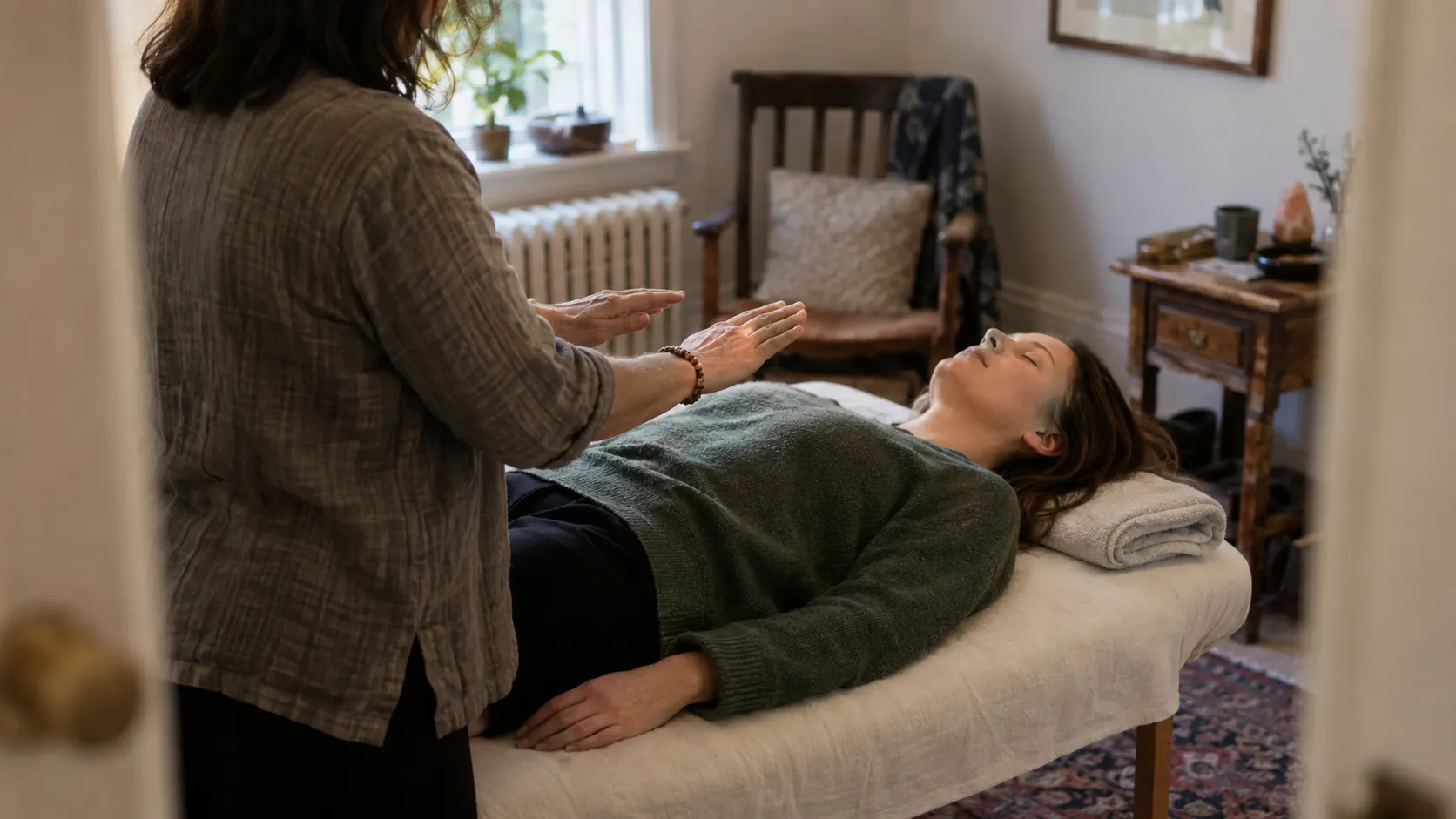
Lying still while someone holds their hands near you, which is relaxing whether or not chi is real.
Immersion Reading
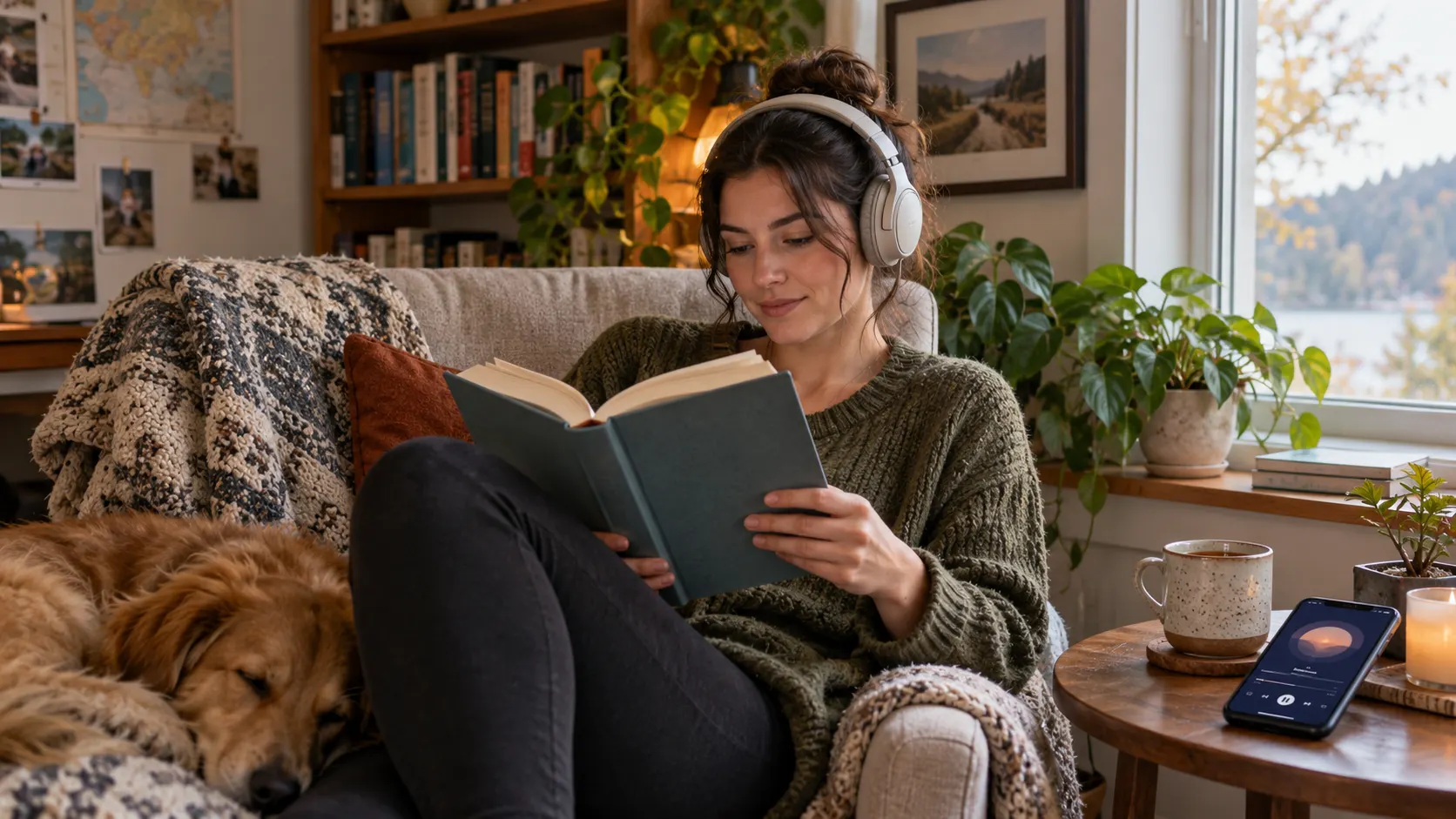
Reading and listening to the same book at once, because apparently one sense wasn't enough.

Escape Rooms
Paying a stranger to lock you in a room, then thanking them for it afterward.
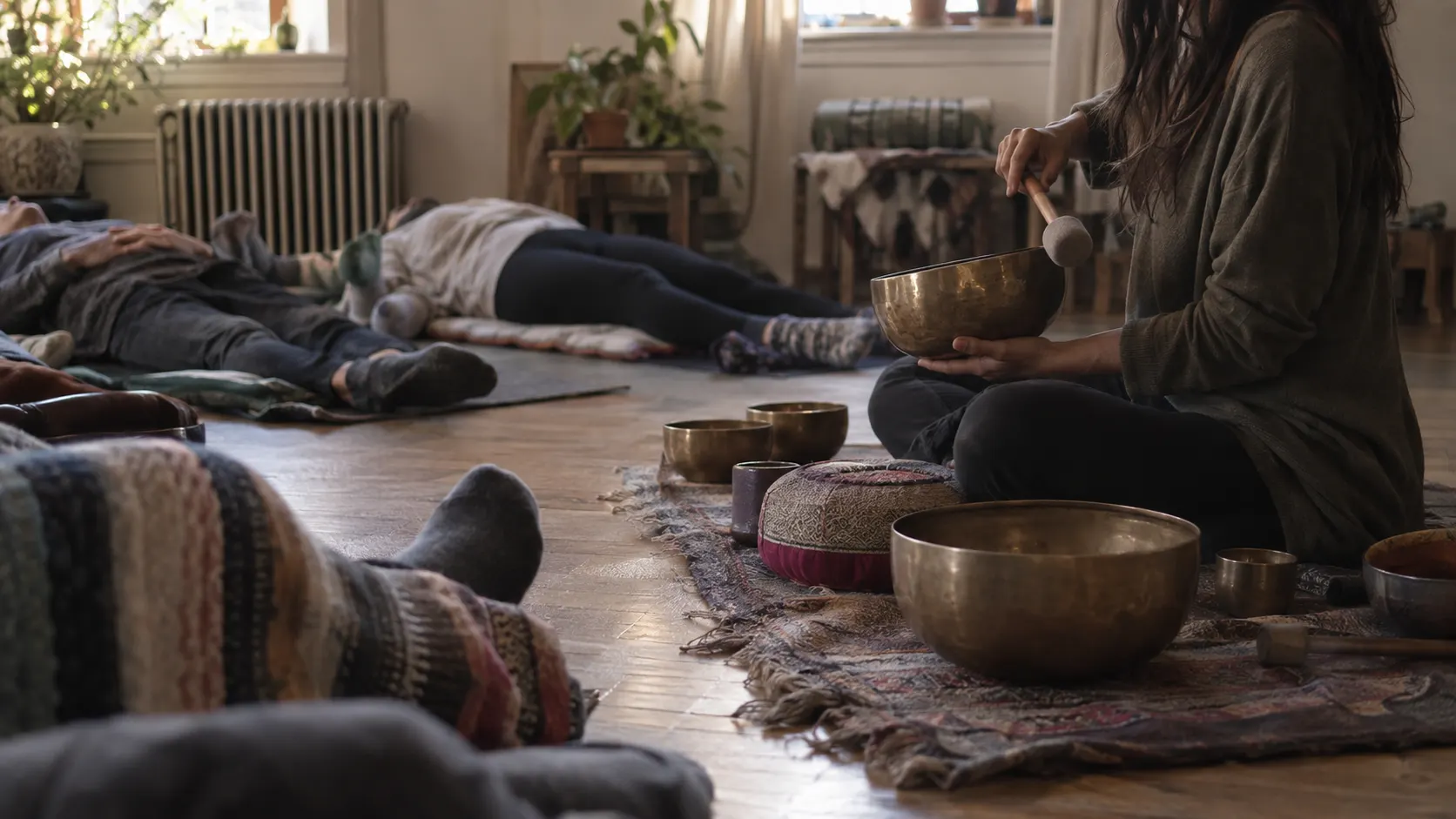
Sound Bath
Lying on the floor while bowls hum at you, which is more relaxing than it sounds.
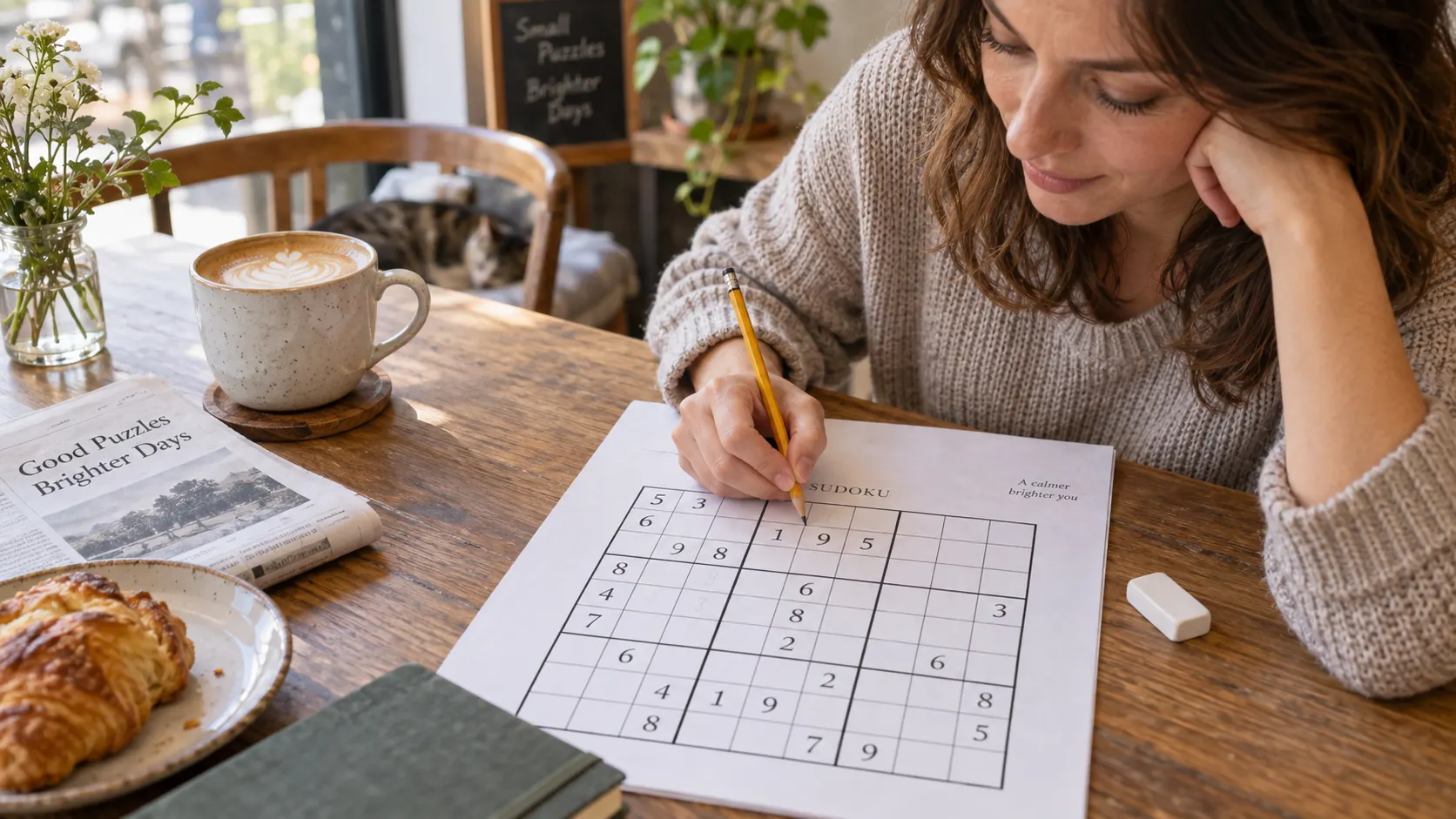
Sudoku
Nine numbers, one grid, and a strange sense of moral failure when you get one wrong.