
Forest Bathing
Standing near trees on purpose, which turns out to be a real, studied thing to do.
- Cost to start
- Free to start
- Learning curve
- 1 / 5
- Typical session
- 30–60 min
- Physical demand
- 2 / 10
- Social level
- 1 / 10
- Setting
- Outdoors
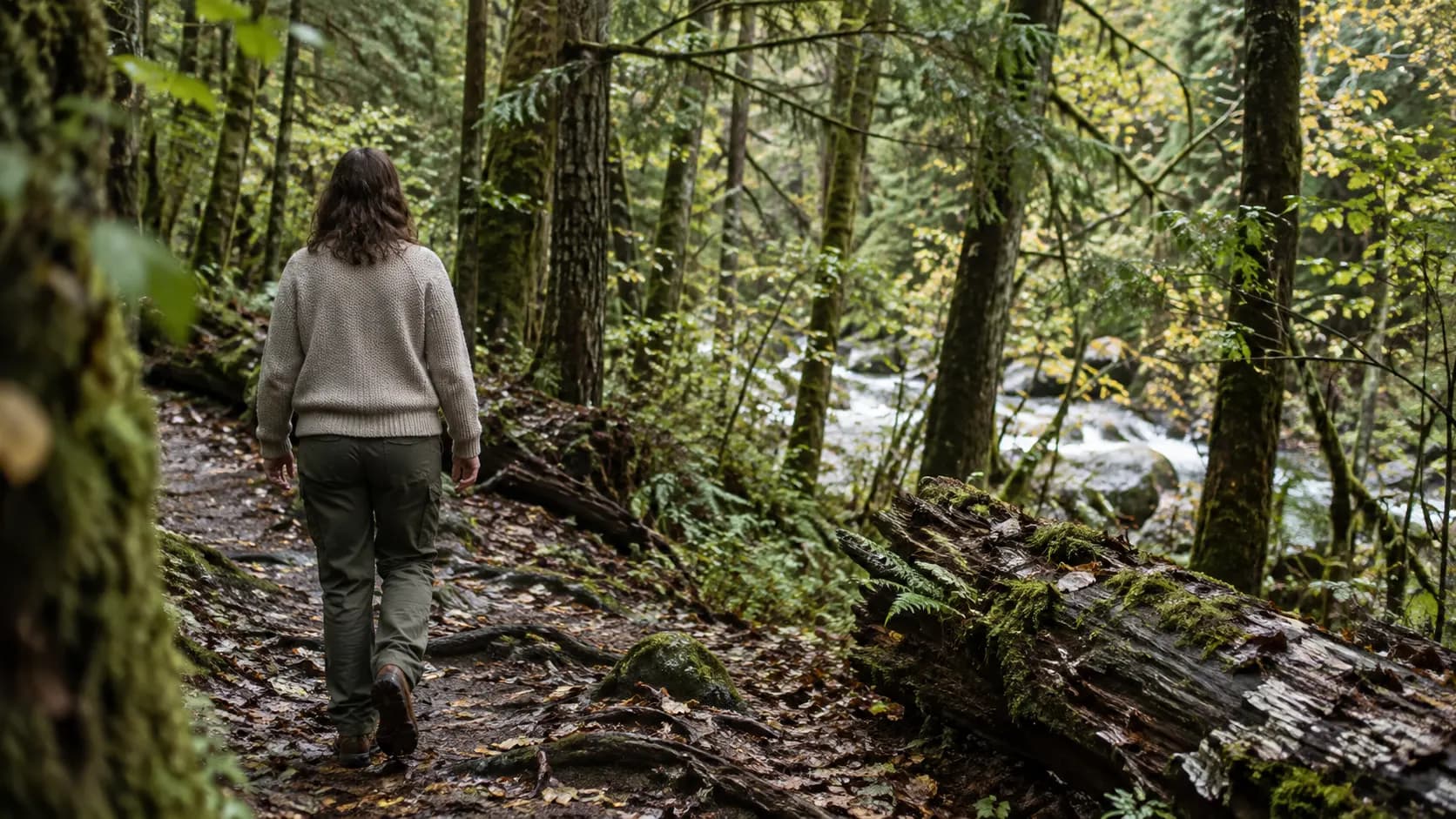
Forest bathing sounds like it needs a permit, a retreat center, and a photogenic waterfall. It is really just walking slowly through trees with your phone away and no destination — a translation of the Japanese practice shinrin-yoku, which is less about hiking distance and more about not hiking at all.
What it costs
Bare-minimum, and honestly the practical setup too: $0. Any nearby park, patch of woods, or tree-lined street works, and the only requirement is time and a willingness to walk slower than feels natural at first.
Optional later: a certified forest therapy guide's walk (~$40–60), which structures the experience with specific prompts ("invitations") if you want more direction than doing it alone gives you, and a small notebook (~$10) if you like recording what you noticed afterward. Neither is required — most people who do this regularly never book a guided session at all.
The one thing worth knowing before you start: this is genuinely different from a hike or a walk for exercise. The pace is deliberately slower, and covering less ground is the point, not a failure to cover more.
What to buy
Nothing, technically. Comfortable, weather-appropriate clothes you already own cover almost every situation. If you want the one small upgrade that helps, it's shoes that handle uneven ground without you thinking about your footing, since watching the ground defeats the purpose of noticing everything else.
Skip guided-walk apps, specialty gear, or "forest bathing kits" sold online — this is one of the few hobbies here where buying things genuinely works against the point, which is slowing down and paying attention with less, not organizing more stuff to bring along. You can also skip choosing a scenic, far-away location before you've tried the practice — a nearby, ordinary patch of trees works exactly as well for learning the technique as a dramatic forest an hour's drive away.
How to start
Start by walking to any nearby tree cover — a park counts — and leaving your phone in your pocket on silent. You don't need a trail map or a destination.
Walk at roughly half your normal pace, and let your attention move rather than fixing it — notice temperature, smell, the specific sound of wind in leaves versus traffic. If your mind wanders to a to-do list, that's normal; gently return attention to what's actually in front of you rather than treating it as a failure. Do this for twenty to thirty minutes at first; there's no benefit to pushing for longer before the slower pace itself feels comfortable. Two or three sessions a week is a realistic starting frequency, though even once a week is a genuine, cumulative habit.
The most common beginner mistake is treating it like exercise and unconsciously speeding up, especially if the path is one you'd normally walk briskly. If you notice your pace creeping up, that's the moment to consciously slow back down — it's the entire skill being practiced. A second common mistake is bringing a mental checklist of things to notice, which turns the walk into a task instead of open attention; letting your focus drift rather than hunting for specific sights is closer to the actual practice.
Is it for you?
Forest bathing suits people who already feel calmer outdoors but have never given themselves permission to just stand there without a fitness goal attached. It asks for genuine unstructured time, which can feel wasteful at first if you're used to every activity producing a visible result. If you need a clear outcome — steps logged, calories burned — this will feel pointless; if you want a low-effort, free way to actually notice your surroundings instead of just passing through them, it delivers quickly.
Tagged
More like this
Reiki Healing
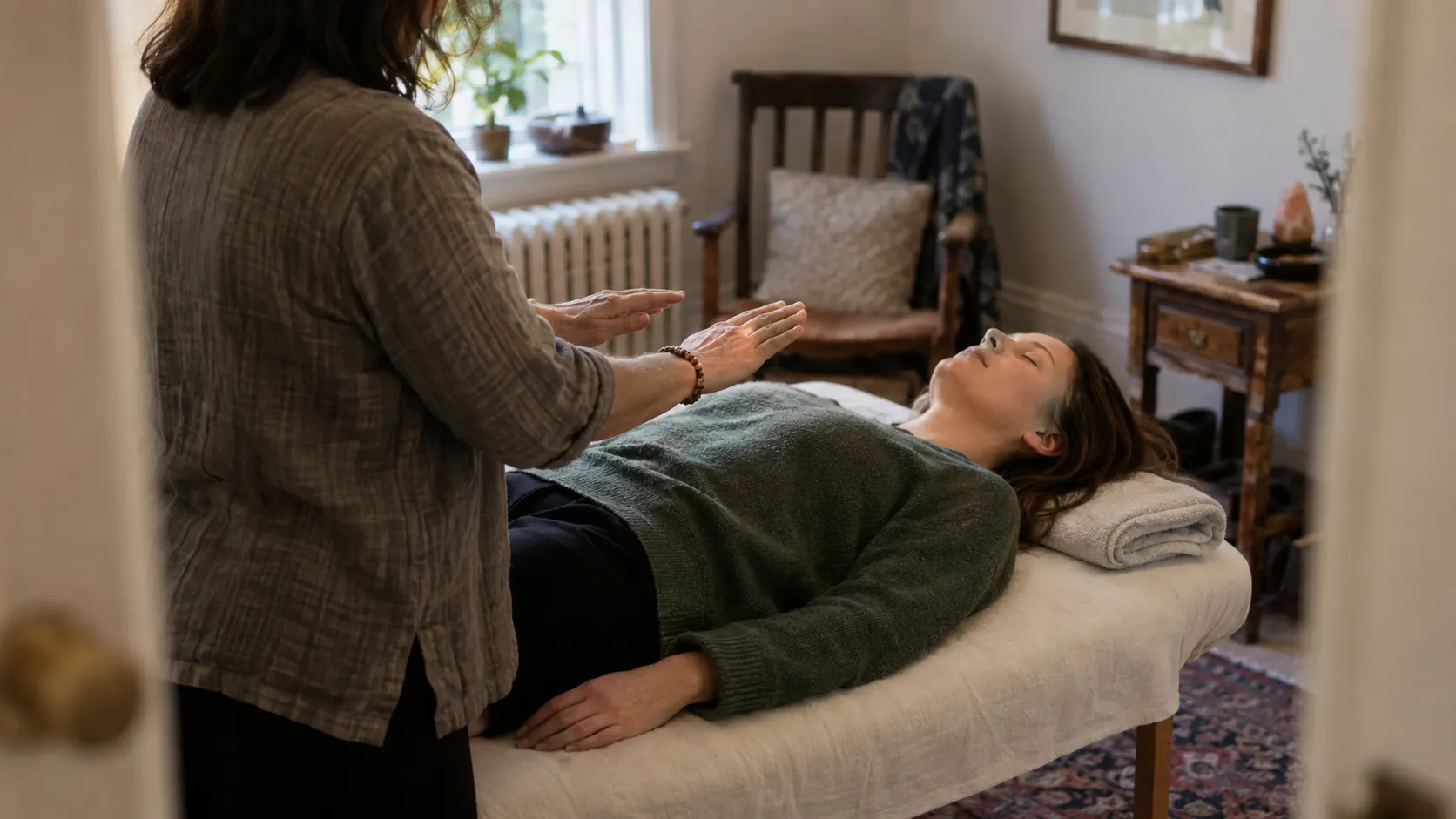
Lying still while someone holds their hands near you, which is relaxing whether or not chi is real.

Immersion Reading
Reading and listening to the same book at once, because apparently one sense wasn't enough.

Escape Rooms
Paying a stranger to lock you in a room, then thanking them for it afterward.
Sound Bath
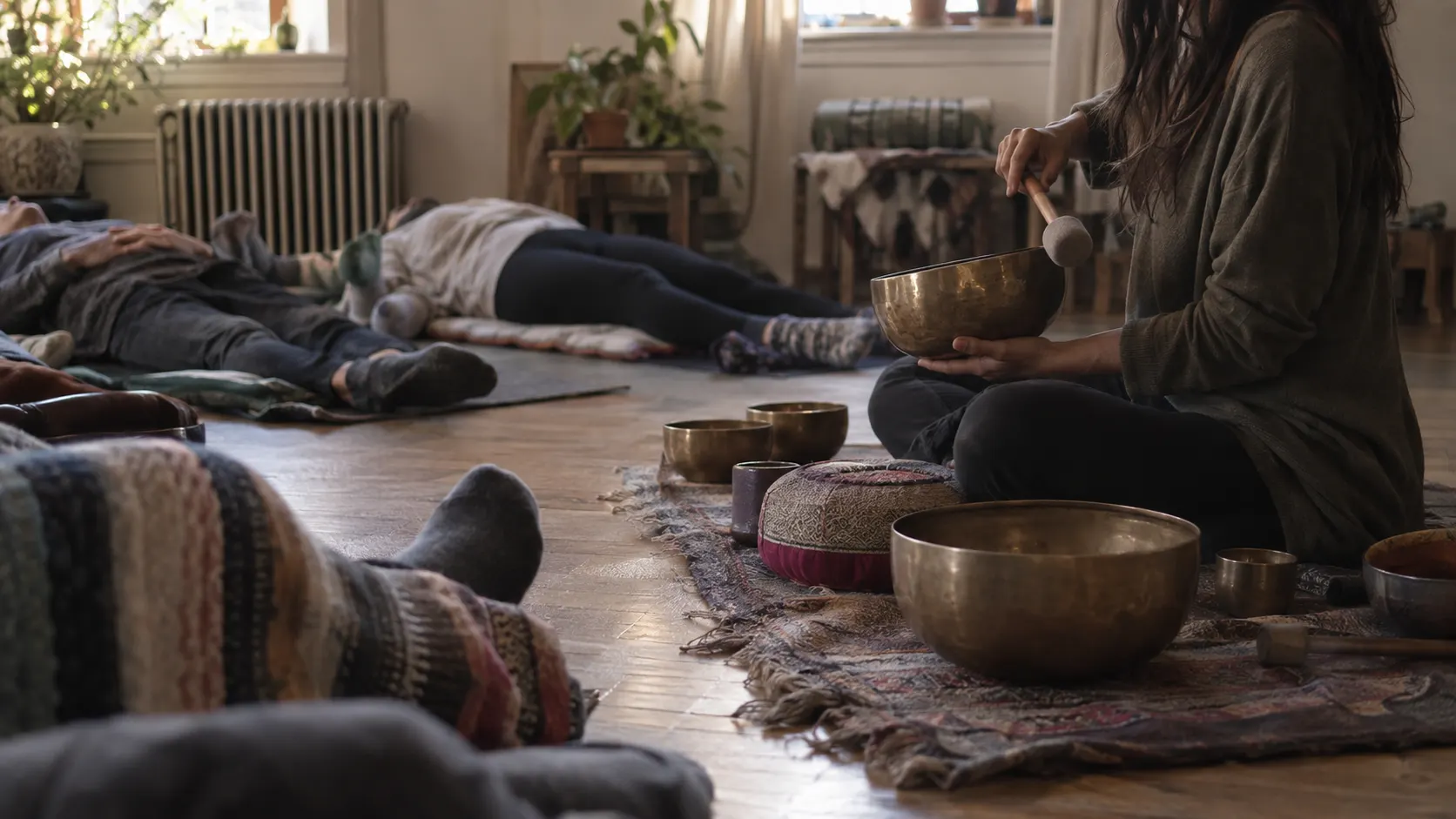
Lying on the floor while bowls hum at you, which is more relaxing than it sounds.
Sudoku
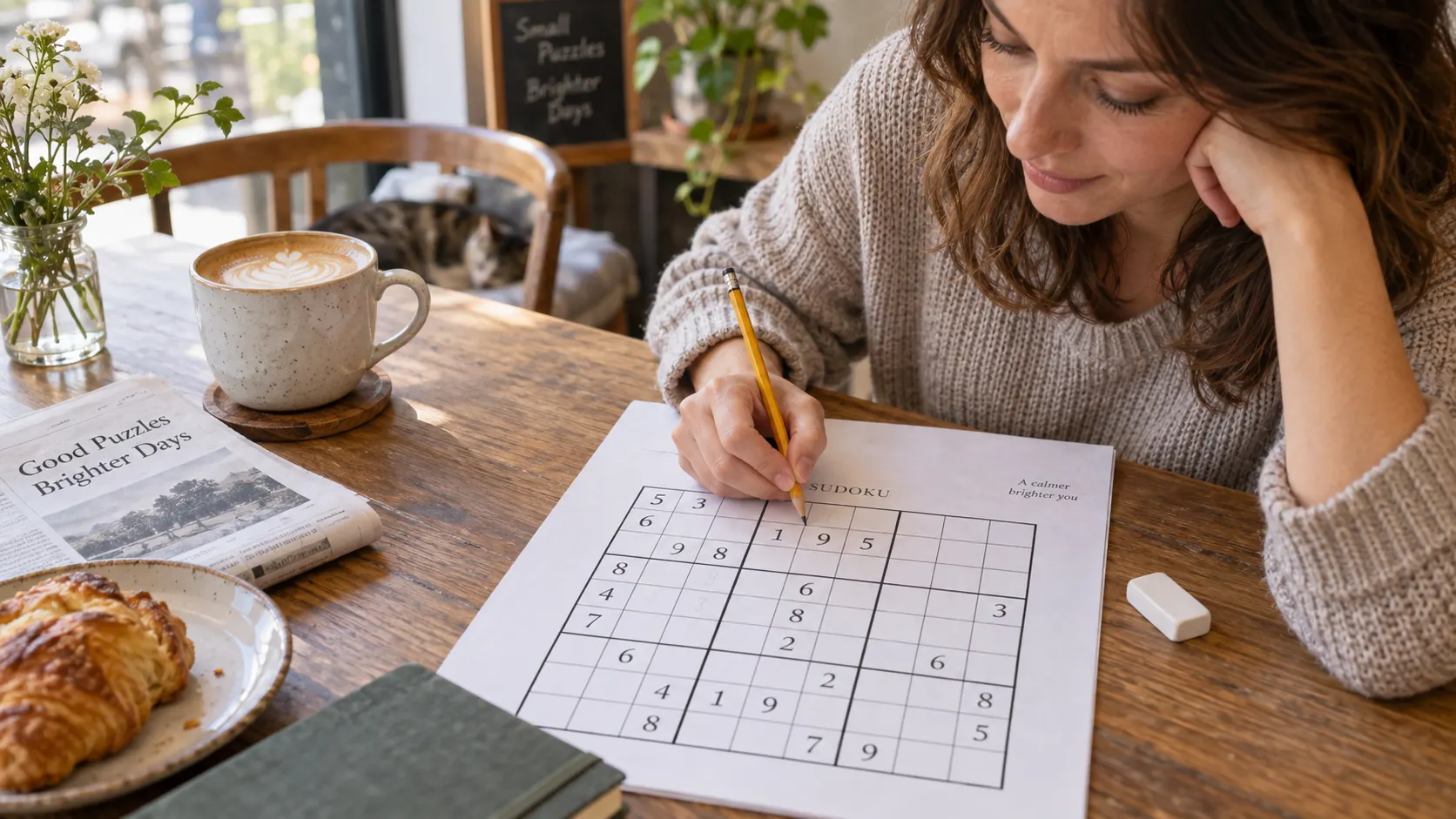
Nine numbers, one grid, and a strange sense of moral failure when you get one wrong.