
Magic: The Gathering
Building a deck of cardboard wizards good enough to beat your friend's cardboard wizards.
- Cost to start
- ~$45 to start
- Learning curve
- 3 / 5
- Typical session
- 20–40 min per game
- Physical demand
- 1 / 10
- Social level
- 7 / 10
- Setting
- At home
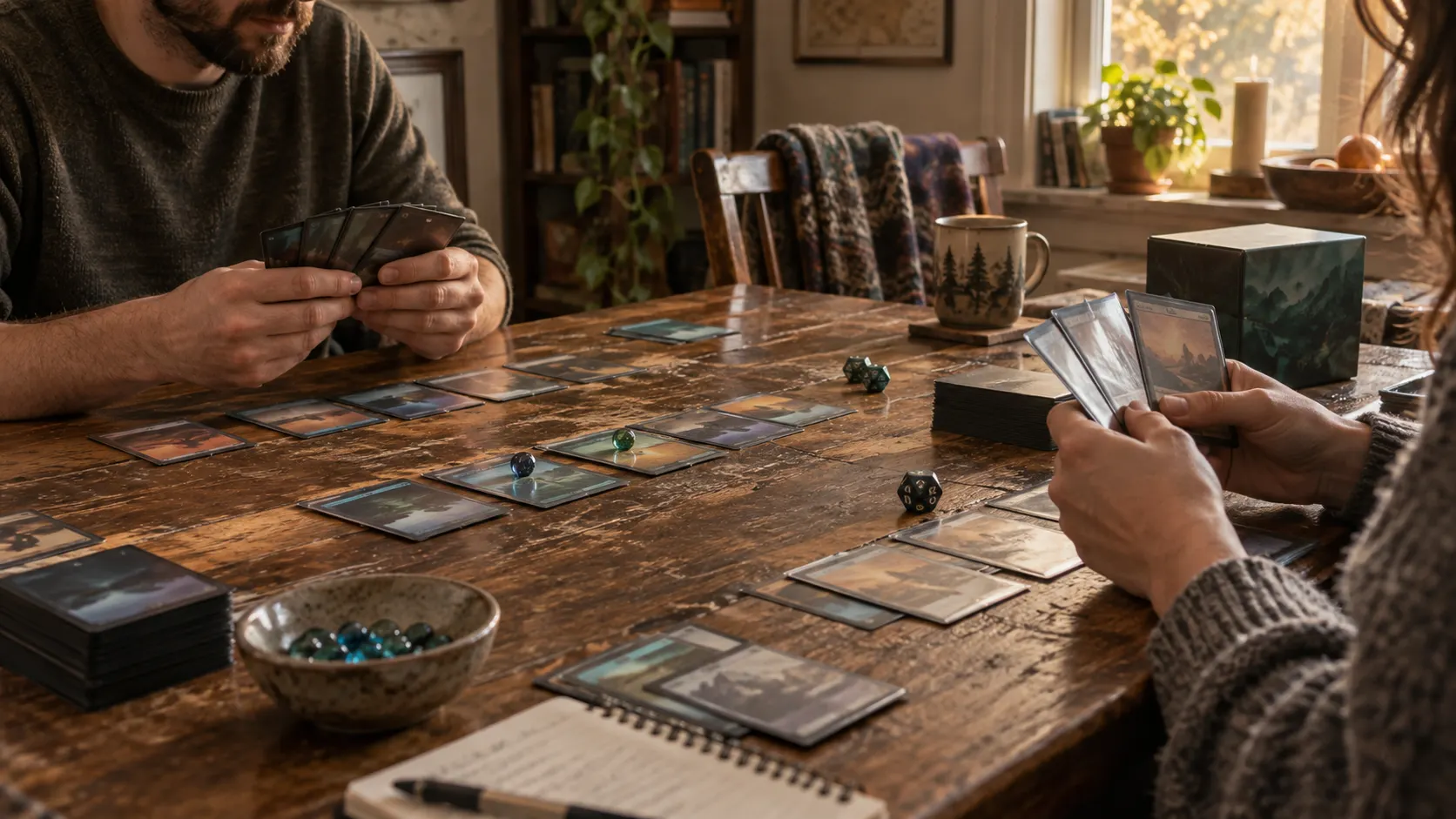
Magic: The Gathering has a reputation for needing a small library's worth of rules knowledge before you can play. The actual beginner version is much smaller than that: two starter decks, a kitchen table, and a rulebook that fits on one page for your first several games.
What it costs
Bare-minimum start: about $20 — a two-player Starter Kit, sold specifically as a complete beginner bundle with two ready-to-play decks and a rules guide, so you and one other person can learn together immediately.
Practical setup: about $45. That's the two-player Starter Kit (~$30), a set of basic card sleeves (~$8) to protect cards from wear during shuffling and play, and a handful of dice or glass beads for tracking life totals (~$7). None of this requires buying random booster packs, which is a common and unnecessary early expense.
Optional later: booster packs once you want to build your own custom deck instead of playing the starter decks, a proper deck box, and eventually a specific constructed format once you know which style of play you enjoy.
There's no real required ongoing cost — the two starter decks alone support dozens of games. Spending more is entirely about wanting a bigger card pool to build from, not a requirement to keep playing what you already have.
What to buy
A two-player Starter Kit — this is genuinely designed for exactly your situation, with two balanced decks and a simplified rules walkthrough built in. Basic card sleeves, since Magic cards get shuffled constantly and sleeves prevent wear that affects both appearance and, eventually, resale value. Something to track life totals — dice, a phone app, or paper all work; you don't need fancy counters.
Skip buying booster packs or singles before you've played several games with the starter decks — random packs are built for players who already know what they're building toward, and buying them blind as a first purchase is how people end up with a pile of unusable cards. You can also borrow a second deck from a friend who plays, or split the cost of one Starter Kit between two new players, since it's specifically built for two people to share.
How to start
Start with the two-player Starter Kit and its included rules guide, playing through your first game slowly, checking the guide whenever you're unsure. You don't need to know the full rulebook before your first game — the starter decks are built to teach the basics as you play.
Play the same two starter decks several times before building your own; repetition with a known deck teaches the flow of turns and combat faster than jumping into deck-building immediately. Once the basics feel automatic, try swapping a few cards between the two decks to see how small changes shift a game, which is a gentler introduction to deck-building than starting from a blank page.
The most common beginner mistake is trying to learn every card interaction and rule exception at once — most experienced players will tell you they learned by playing and asking, not by reading the full rulebook cover to cover first. A second common mistake is playing too many card types at once in an early custom deck — a simple, focused deck with a clear plan beats a complicated one with cards that don't work well together, even if each individual card looks powerful.
Is it for you?
Magic suits people who enjoy a game with real strategic depth and don't mind a genuine learning curve stretched across several sessions rather than one afternoon. It asks for a regular opponent or group, since it's not really a solo hobby, and patience with feeling outmatched early against more experienced players. If you want something you can master in one sitting, this isn't it; if you like a game that keeps revealing more depth the longer you play it, it delivers that reliably.
Starter gear
Soft suggestions to get going. These are affiliate links — buying through one may earn us a commission at no extra cost to you.
Tagged
More like this
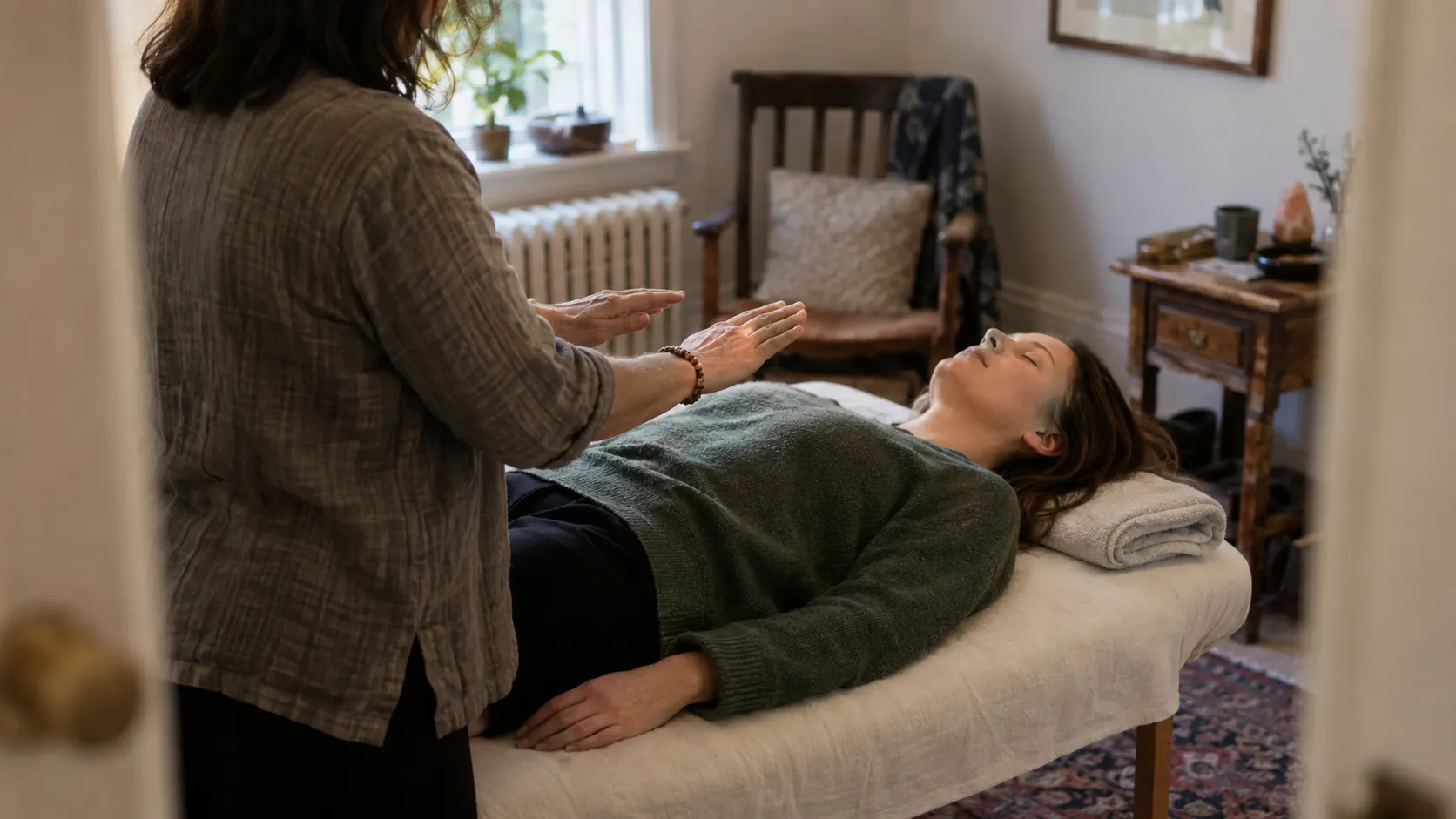
Reiki Healing
Lying still while someone holds their hands near you, which is relaxing whether or not chi is real.

Immersion Reading
Reading and listening to the same book at once, because apparently one sense wasn't enough.

Escape Rooms
Paying a stranger to lock you in a room, then thanking them for it afterward.

Sound Bath
Lying on the floor while bowls hum at you, which is more relaxing than it sounds.
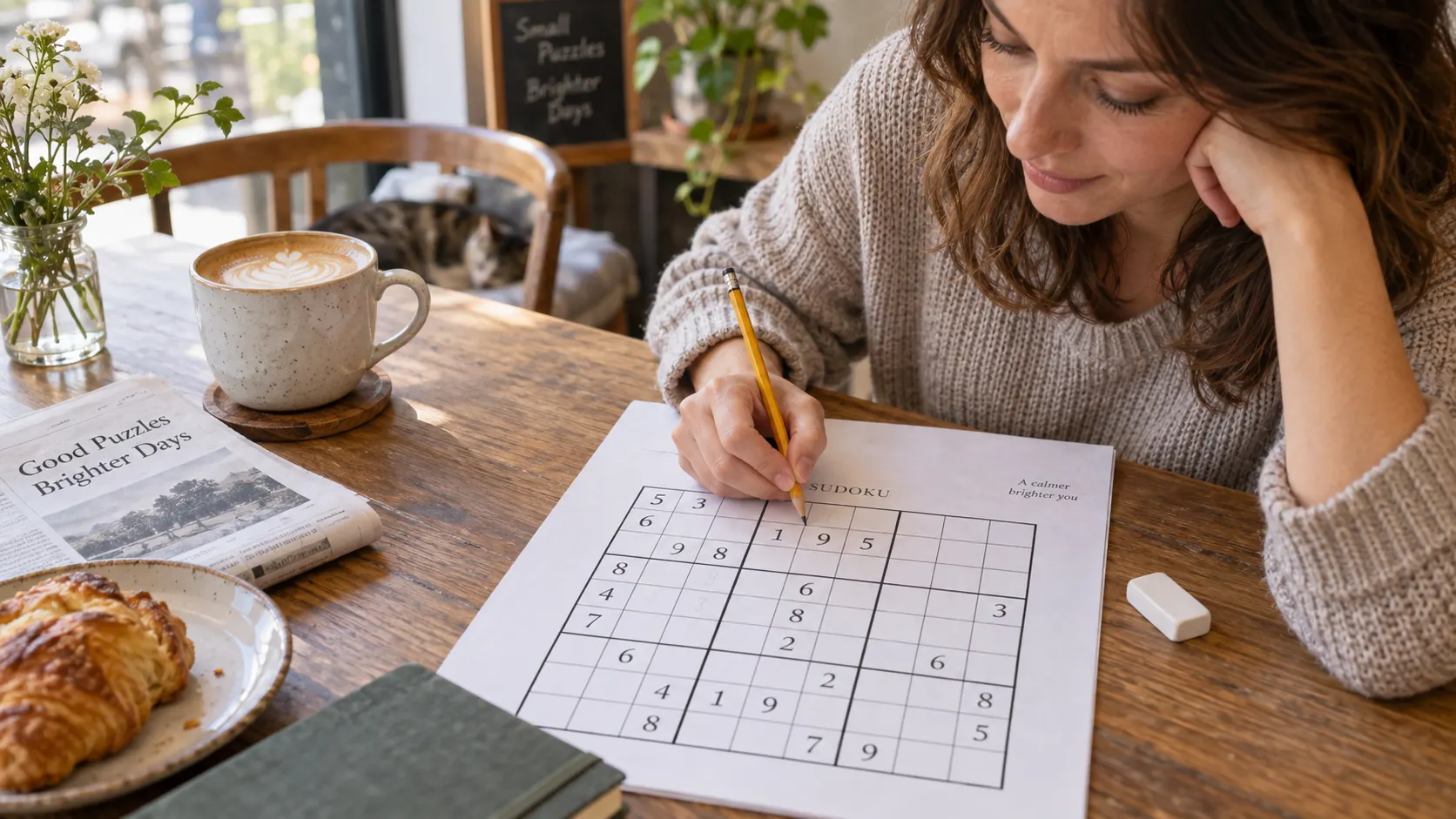
Sudoku
Nine numbers, one grid, and a strange sense of moral failure when you get one wrong.