Mixology
Measuring liquids precisely so that later you can drink them less precisely.
- Cost to start
- ~$48 to start
- Learning curve
- 2 / 5
- Typical session
- 15–30 min
- Physical demand
- 1 / 10
- Social level
- 4 / 10
- Setting
- At home
Mixology sounds like a skill reserved for people in vests behind a bar, but the actual technique — measuring accurately, shaking or stirring correctly, balancing sweet against sour — transfers to a kitchen counter just fine, and most classic cocktails only need two or three ingredients done properly.
What it costs
Bare-minimum start: about $15–20 — a jar with a lid to shake in, and a bottle of one spirit you likely already have, making simple two-ingredient drinks (a gin and tonic done with real proportions is a genuinely different drink than one poured by eye).
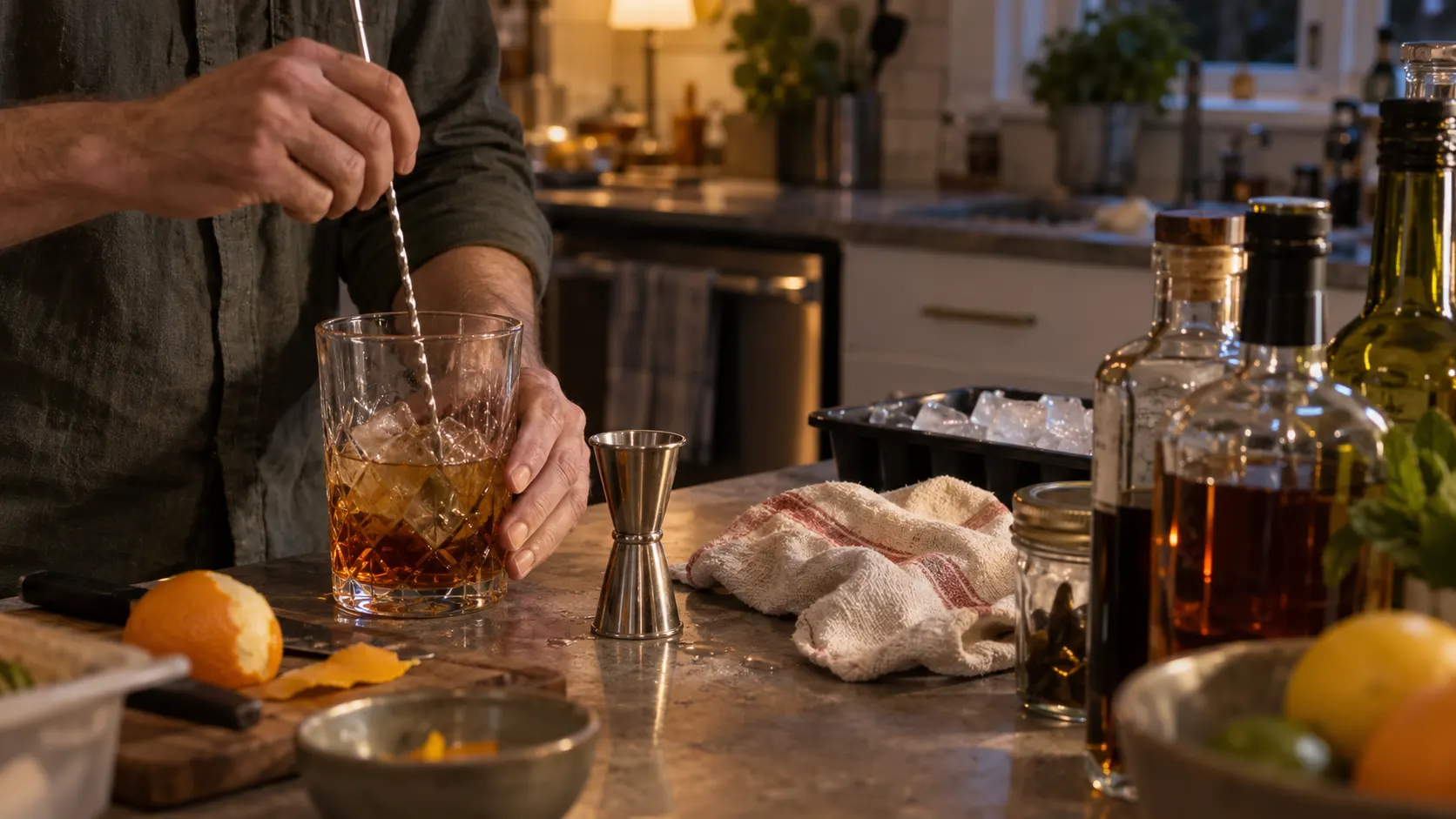
Practical setup: about $48. That's a proper cocktail shaker set (~$25), a jigger for accurate measuring (~$8), a Hawthorne strainer and bar spoon (~$8), and a bottle of aromatic bitters (~$7), which turns a flat two-ingredient drink into something that tastes intentional. This doesn't include the spirits themselves, which vary hugely in price and aren't gear.
Optional later: a proper bar spoon-and-muddler combo, a citrus juicer, and a second or third bitters flavor once you know which drinks you gravitate toward.
The main ongoing cost is ice and citrus, which are consumables rather than gear — fresh-squeezed juice makes a real, noticeable difference over bottled, so budget for actual limes and lemons rather than treating them as optional.
What to buy
A shaker set — either Boston (two-piece) or cobbler (three-piece, with a built-in strainer) both work fine for a beginner; cobbler is slightly easier to use alone. A jigger, since eyeballing pours is the single biggest reason home cocktails taste "off" compared to a bar's — proportions matter more than ingredient quality at the beginner stage. A Hawthorne strainer and long bar spoon for stirred drinks. A bottle of aromatic bitters, the one genuinely versatile flavoring ingredient that improves a wide range of simple drinks.
Skip buying a large bottle collection before you know which few drinks you'll actually make repeatedly — a well-stocked bar with six spirits you never touch is a common and expensive beginner mistake. You can also borrow a shaker or jigger from a friend's home bar for your first attempt before buying your own set, since the technique matters more than owning specific tools.
How to start
Start with one simple, two-ingredient drink measured with a jigger rather than eyeballed — a gin and tonic or a whiskey and soda, built to an actual ratio rather than "some of each." You don't need a shaker or bitters for this first drink.
Once ratios feel normal, move to a shaken drink (a daiquiri — rum, lime, sugar — is the standard beginner recipe, since it's only three ingredients and teaches shaking technique directly) and a stirred one (an Old Fashioned teaches stirring and bitters use). Make the same one or two drinks repeatedly rather than a different recipe every time; consistency is how you learn what "balanced" actually tastes like, which is hard to judge from a single attempt. Taste as you go and adjust — recipes are a starting ratio, not a fixed rule, and your own palate is the actual reference.
The most common beginner mistake is under-diluting a shaken drink by not shaking long enough — the ice melting into the drink during a proper 10–15 second shake is part of the recipe, not a flaw to avoid. A second common mistake is using old, low-quality bottled juice instead of fresh citrus, which flattens the sourness a recipe is actually balanced around. There's no real physical safety concern here, but a genuine practical one: measure pours honestly rather than heavy-handedly, since the whole point of a jigger is a drink that tastes the same each time, not a stronger one.
Is it for you?
Mixology suits people who like precise, repeatable technique with an immediately consumable result, and who enjoy making things for other people as much as for themselves. It asks for patience with a few "that's not quite right" attempts before ratios click, and a willingness to actually measure instead of eyeballing out of impatience. If you want fast improvisation with no measuring, this will feel fussy; if you like getting a specific, replicable result exactly right, it delivers reliably.
Starter gear
Soft suggestions to get going. These are affiliate links — buying through one may earn us a commission at no extra cost to you.
Tagged
More like this
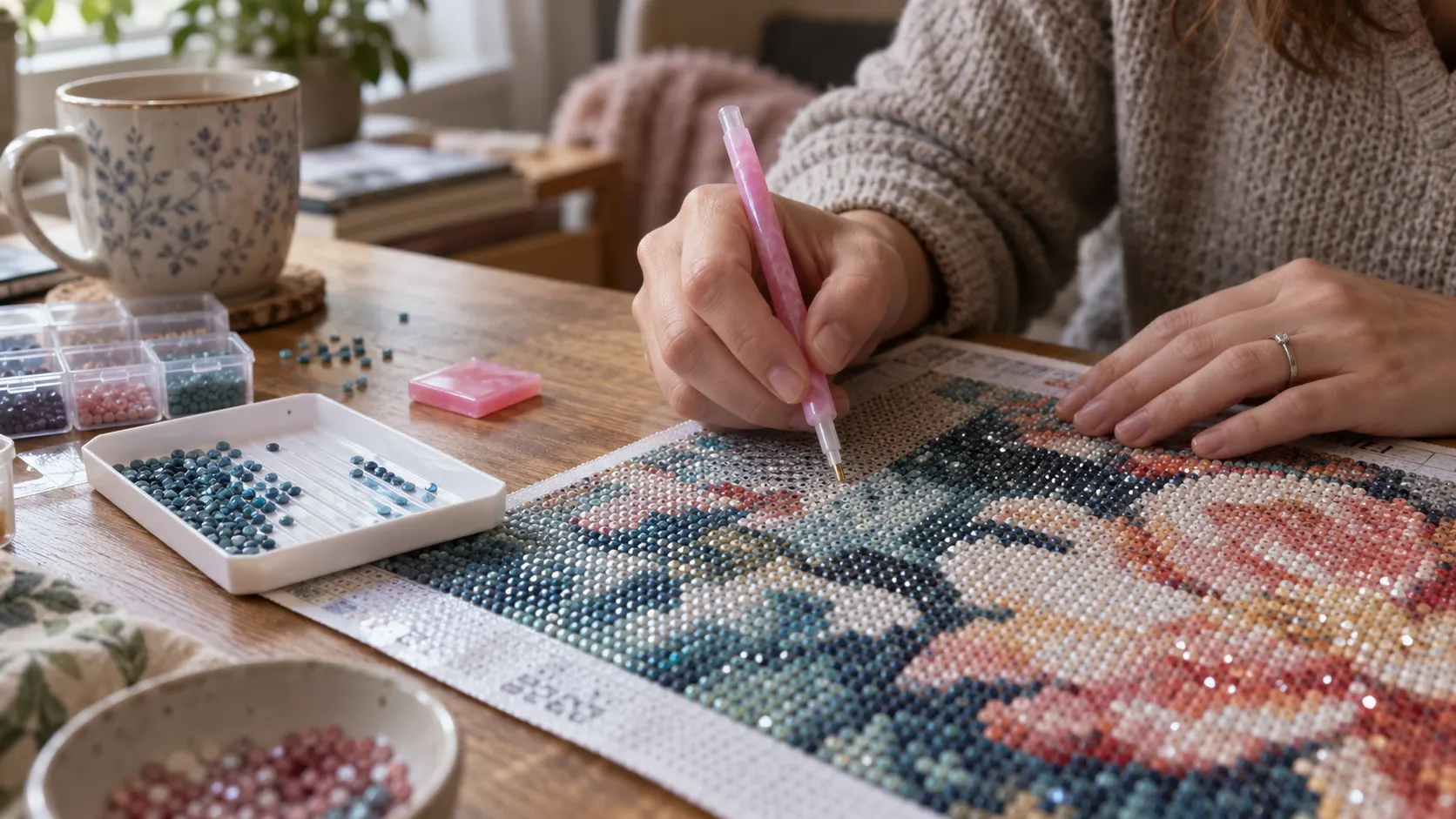
Diamond Art
Paint by numbers for people who found paint by numbers insufficiently sparkly.
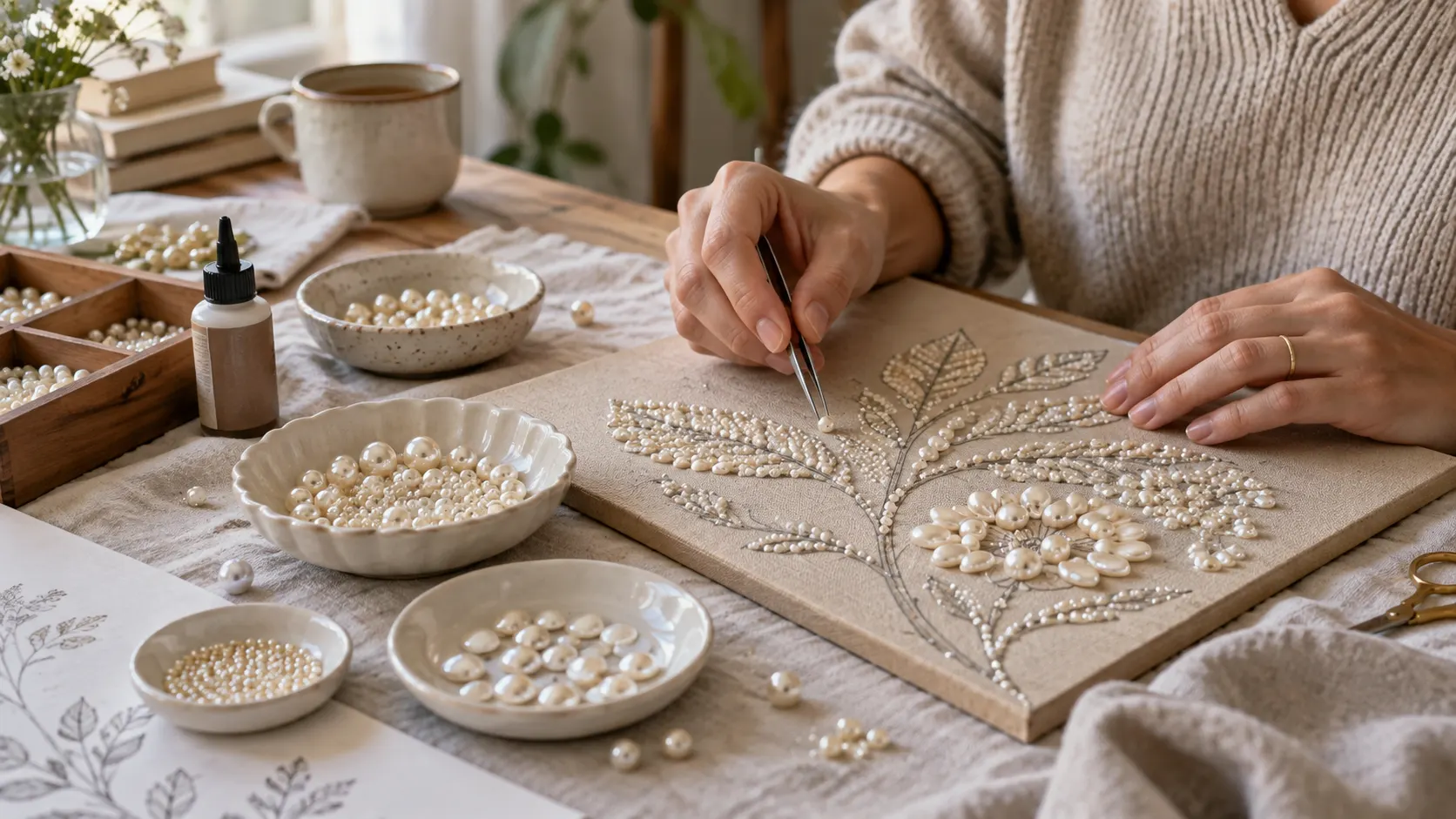
Pearl Art
Diamond art's quieter cousin, for people who think glitter is a little much.
Woodworking
Turning boards into furniture, or, on your first attempt, into a wobbly cautionary tale.
Rock Tumbling
Putting ugly rocks in a machine for a week so they come out looking expensive.
Coffee Brewing
Spending $80 on gear to make a coffee objectively worse than the $2 gas station one, at first.