
Woodworking
Turning boards into furniture, or, on your first attempt, into a wobbly cautionary tale.
- Cost to start
- ~$200 to start
- Learning curve
- 3 / 5
- Typical session
- 60-120 min
- Physical demand
- 3 / 10
- Social level
- 1 / 10
- Setting
- At home
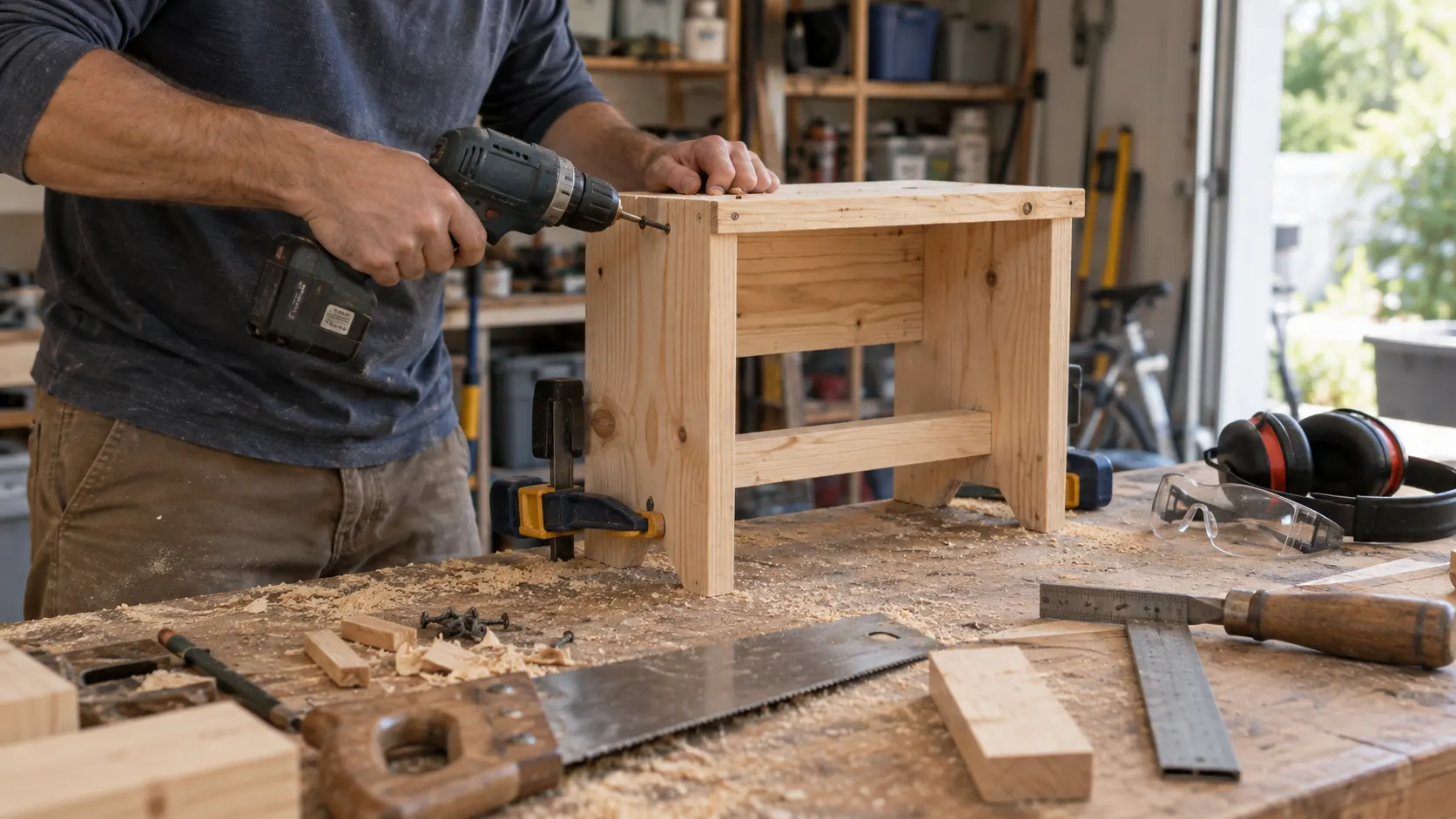
Woodworking covers everything from a simple cutting board to real furniture, and the beginner end is far more approachable than a lot of finished projects suggest — plenty of genuinely useful pieces need only a handful of hand tools and basic technique, not a garage full of power equipment.
What it costs
Bare-minimum start: about $40 — a basic set of hand tools (a hand saw, a chisel, sandpaper, a tape measure) and cheap pine or scrap lumber, learning fundamental joints and cuts by hand.
Practical setup: about $200. That's a decent set of hand tools plus one or two power tools that genuinely speed up beginner projects the most: a cordless drill and an orbital sander. A basic workbench setup (even a simple pair of sawhorses and a plank) rounds this out, since stable work support matters for accuracy and safety alike.
Optional later: a circular saw or table saw once you're doing repeated straight cuts regularly, a router for edge profiles and joinery, and a proper dust collection setup once you're working indoors regularly — sawdust buildup is both a mess and a genuine respiratory concern over time.
The one thing worth spending on early is safety gear — eye protection and hearing protection specifically, which are cheap and non-negotiable the moment any power tool is involved. Ongoing costs are mostly lumber and consumables like sandpaper and glue.
What to buy
A basic hand tool set: saw, chisels, a measuring square, clamps. A cordless drill, genuinely one of the highest-value early power tool purchases. An orbital sander, which saves enormous time over hand-sanding. Safety glasses and hearing protection, non-negotiable once power tools are involved.
Skip a table saw or other large stationary power tools before you've completed a few hand-tool projects; they're a real expense and a real safety learning curve, worth adding once you know your project style and have basic shop safety habits down. Skip expensive hardwood for practice projects — cheap pine teaches the same fundamental skills at a fraction of the cost of mistakes.
How to start
Start with a genuinely simple first project — a small shelf or a cutting board — using cheap pine and basic hand tools. You don't need power tools or a dedicated workshop yet; a garage, balcony, or even a sturdy table with sawhorses works for a first project.
Measure twice and mark clearly before every cut — the single most repeated piece of woodworking advice exists because it's the actual, most common source of ruined pieces. Practice basic joints (a simple butt joint, then a lap joint) on scrap wood before committing to your actual project piece. Safety note: always wear eye protection when cutting or sanding, keep hands clear of blade paths, and unplug or lock out power tools before changing blades or bits — most beginner power tool injuries happen during setup and adjustment, not active cutting. The most common beginner mistake is rushing measurements or cuts out of impatience to see the finished piece; woodworking rewards slow, careful setup far more than it rewards speed.
Is it for you?
Woodworking suits people who like tangible, functional results and don't mind a real learning curve on measurement precision and tool handling. It rewards patience and careful setup more than raw strength or artistic talent. If you want fast results, even simple projects take real hours of careful work, and mistakes usually mean starting a piece over rather than a quick fix. If you've ever wanted furniture or a fixture exactly your size and style rather than whatever's available to buy, it's one of the most practically rewarding crafts on this whole site.
Starter gear
Soft suggestions to get going. These are affiliate links — buying through one may earn us a commission at no extra cost to you.
Tagged
More like this
Mixology
Measuring liquids precisely so that later you can drink them less precisely.
Diamond Art
Paint by numbers for people who found paint by numbers insufficiently sparkly.
Pearl Art
Diamond art's quieter cousin, for people who think glitter is a little much.
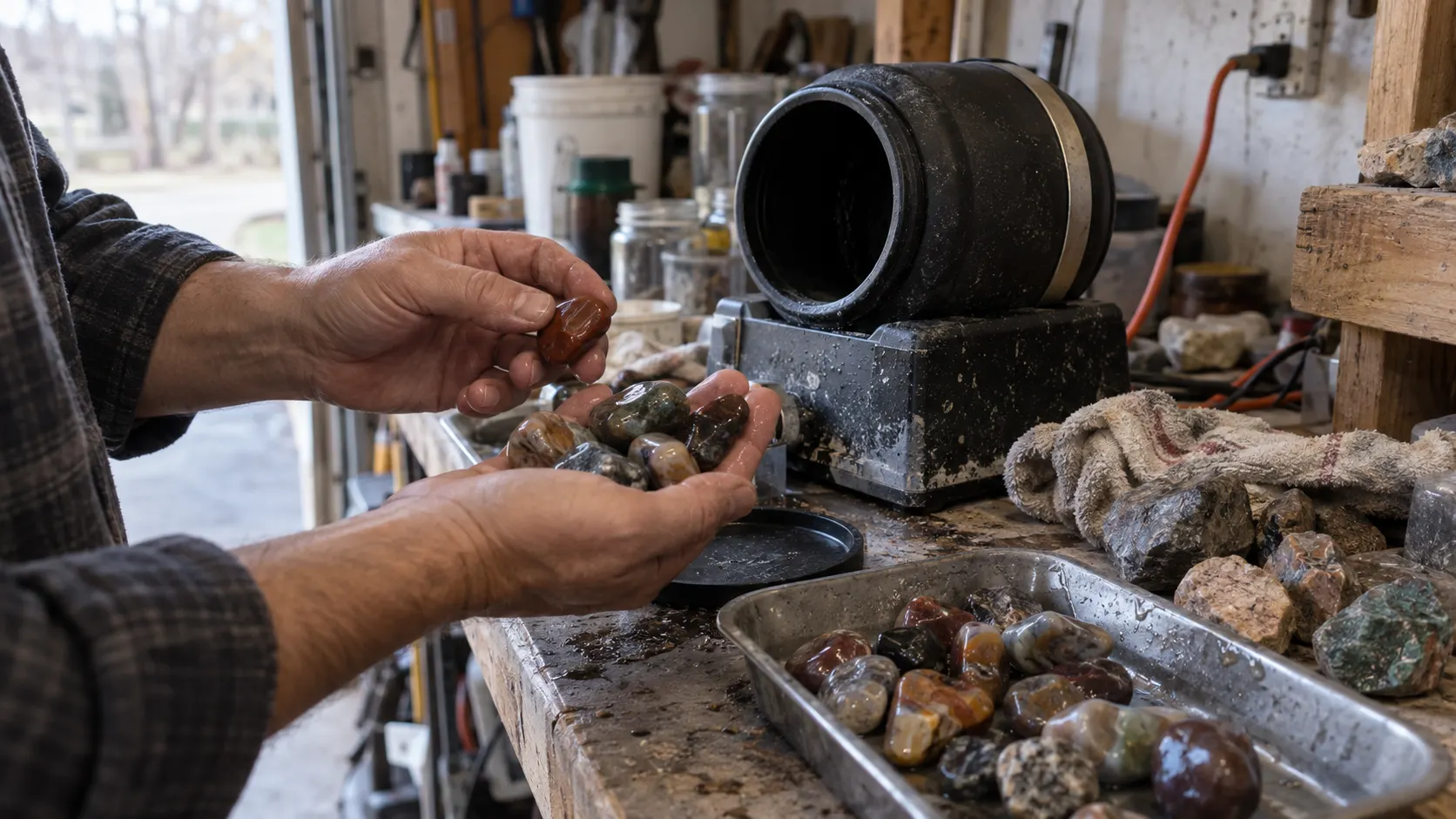
Rock Tumbling
Putting ugly rocks in a machine for a week so they come out looking expensive.

Coffee Brewing
Spending $80 on gear to make a coffee objectively worse than the $2 gas station one, at first.