
Tai Chi
Moving so slowly it looks like nothing is happening, until your legs are shaking.
- Cost to start
- ~$70 to start
- Learning curve
- 3 / 5
- Typical session
- 30–45 min
- Physical demand
- 2 / 10
- Social level
- 5 / 10
- Setting
- Outdoors
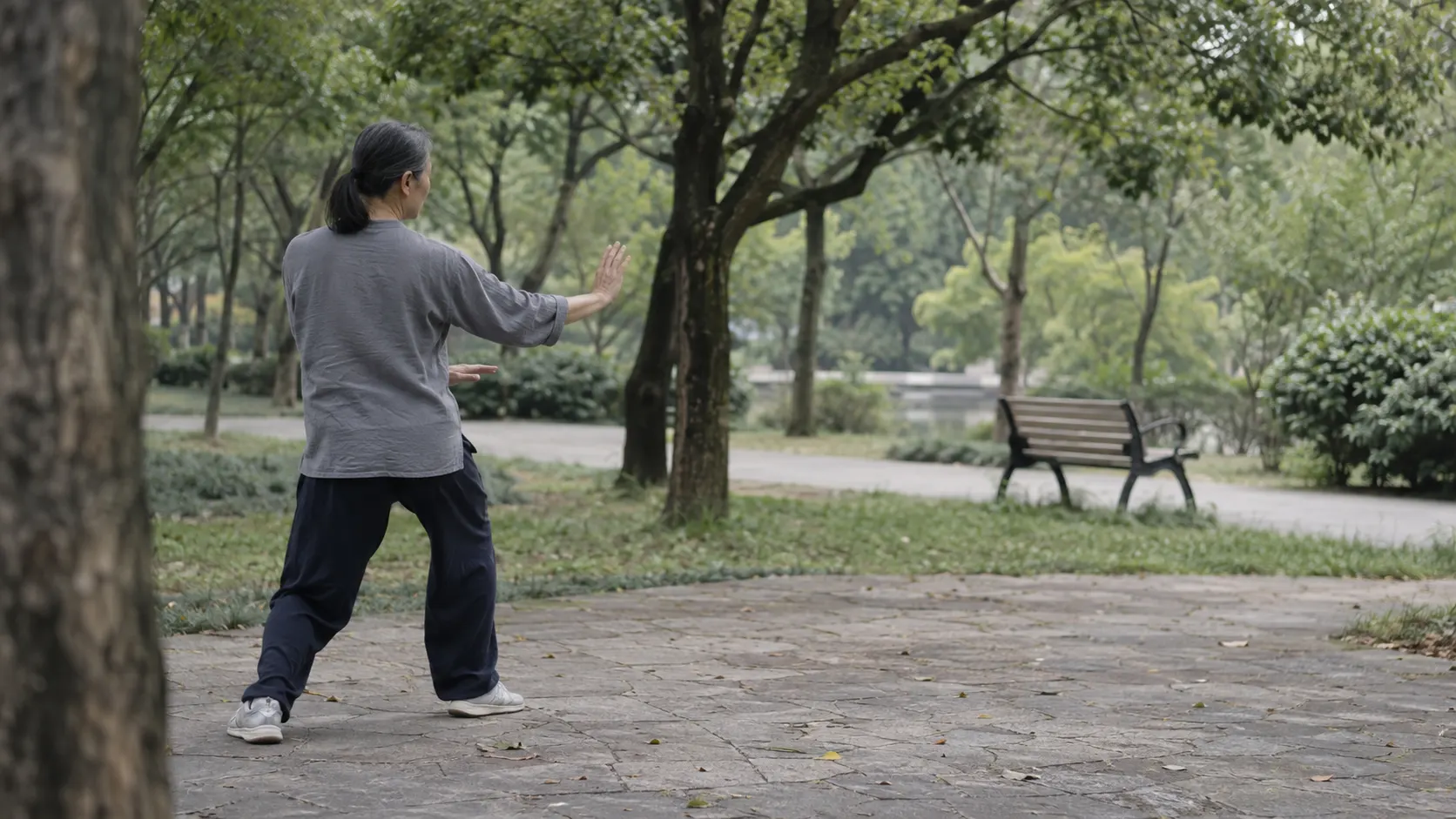
Tai chi has an image as the thing retirees do in the park at dawn, moving so slowly it barely looks like exercise. It genuinely is exercise — ask anyone who's held a low stance for thirty seconds — it's just built around control and balance instead of speed or sweat.
What it costs
Bare-minimum start: $0. Many cities have free or donation-based community tai chi groups that practice in parks, and free instructional videos exist for the most common beginner forms. You can learn the basic movements without paying anything.
Practical setup: about $70. That's genuinely tuition, not gear — a beginner class series at a community center or studio (typically 6–8 weeks) is how most people who stick with tai chi actually learn correct form, since subtle alignment mistakes are hard to self-correct from a video alone. Course prices vary by city but $60–90 is a common range.
Optional later: flat-soled shoes with good ground feel (~$30) once you're practicing regularly, since tai chi relies heavily on subtle weight-shifting through the feet that thick-soled running shoes dull.
There's essentially no ongoing cost beyond an occasional class if you want to keep progressing past a beginner form — once the fundamentals are learned, park practice with a group is free indefinitely.
What to buy
Nothing is required to start. Loose, comfortable clothes you can move in cover almost every class. If you keep practicing, flat-soled shoes eventually help more than they seem like they would, since a lot of the form's balance work happens through the feet.
Skip buying instructional DVDs, books, or "tai chi kits" before taking an actual class — subtle postural corrections are genuinely hard to get right from a video, and a bad habit learned early can take a long time to unlearn once a teacher catches it. You can also join a free park practice group before ever paying for a class, simply to watch and get a feel for the pace before committing to formal instruction.
How to start
Start by finding a free community tai chi group in a local park, or a single beginner class at a community center. You don't need any experience or equipment.
Focus on one short form (a sequence of movements) rather than trying to learn many at once — most beginner classes teach a simplified 8- or 24-move form specifically because a full traditional form takes months to learn properly. Practice the same short sequence slowly and repeatedly rather than rushing to add new moves; tai chi rewards depth in a few movements over breadth across many. Two or three sessions a week, even short ones, build the muscle memory faster than one long weekly class alone.
The most common beginner mistake is rushing the pace to "get through" the form, which defeats the actual point — the slowness is what builds the balance and leg strength, and speeding up is functionally skipping the workout. A second common mistake is locking the knees fully straight during weight shifts, which tai chi specifically avoids — a slight, constant bend keeps the joints safe and is part of the technique, not a beginner shortcut.
Is it for you?
Tai chi suits people who want a genuinely social, low-impact way to build balance and leg strength without anything that reads as intense exercise — it's popular for exactly this reason across a wide age range. It asks for patience with a pace that can feel frustratingly slow to someone used to more visibly strenuous workouts. If you want to sweat and feel your heart rate spike, this isn't it; if you want a calm, communal practice that quietly improves your balance over months, it delivers.
Tagged
More like this
Reiki Healing
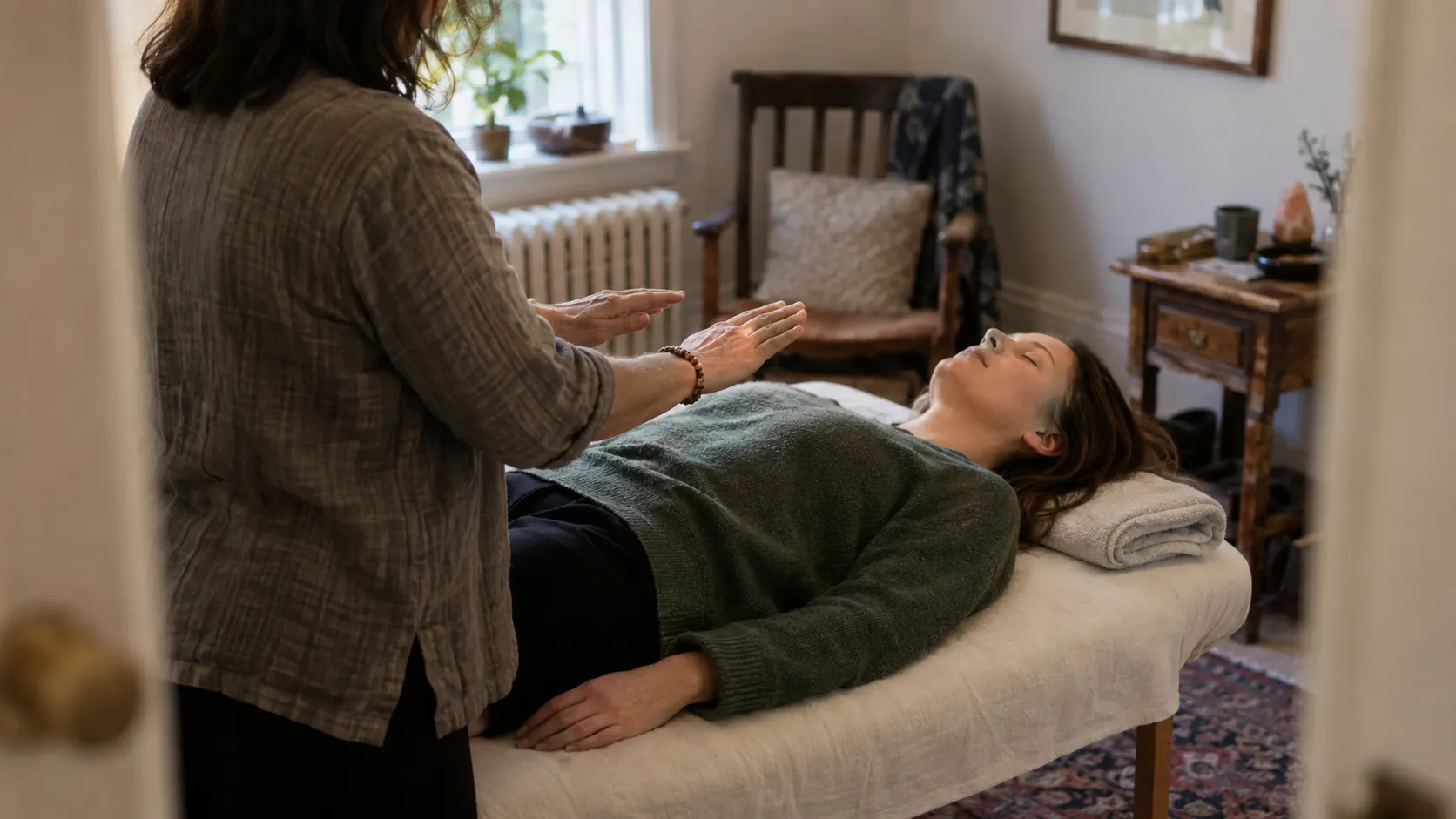
Lying still while someone holds their hands near you, which is relaxing whether or not chi is real.

Immersion Reading
Reading and listening to the same book at once, because apparently one sense wasn't enough.

Escape Rooms
Paying a stranger to lock you in a room, then thanking them for it afterward.
Sound Bath
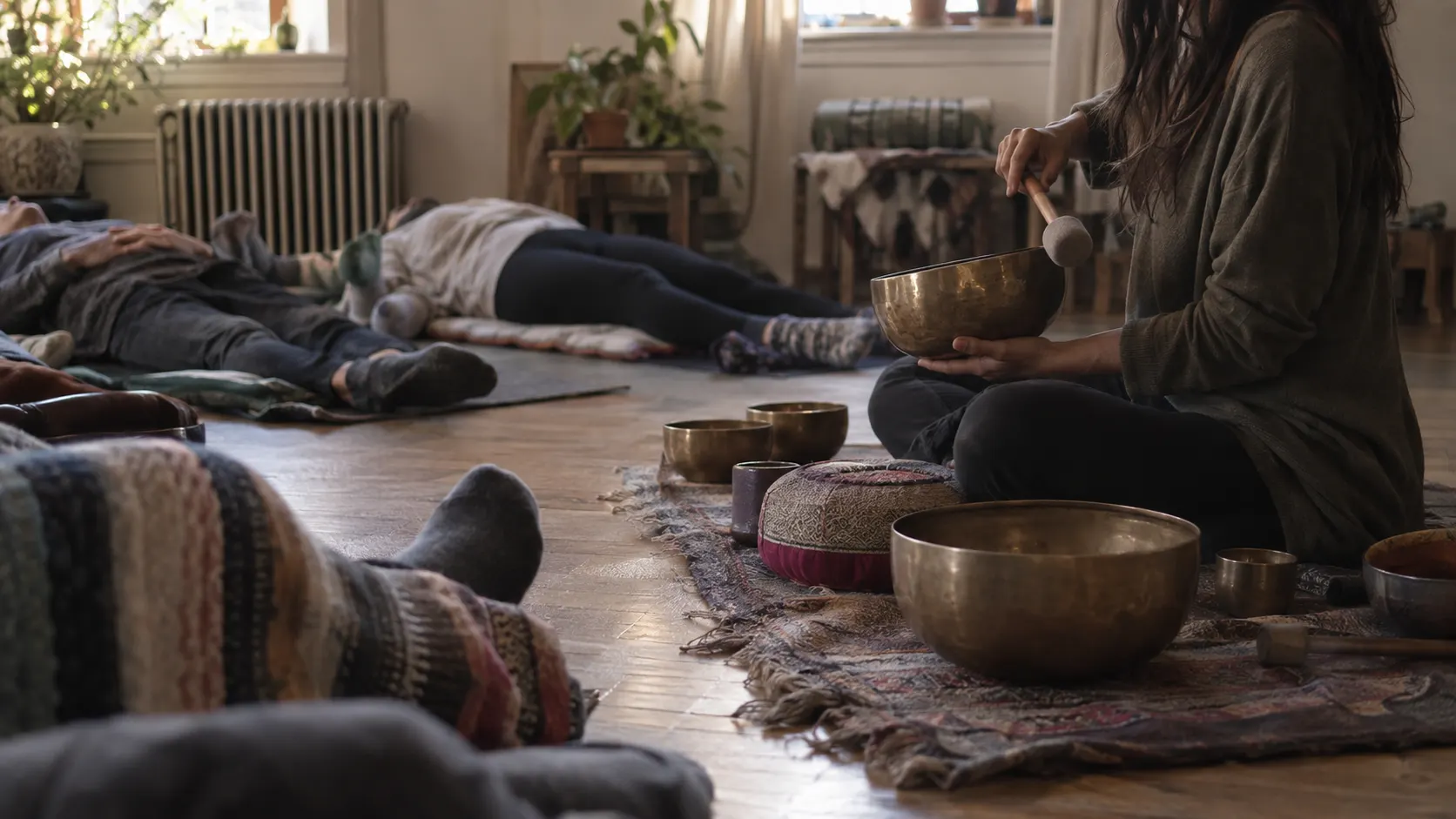
Lying on the floor while bowls hum at you, which is more relaxing than it sounds.
Sudoku
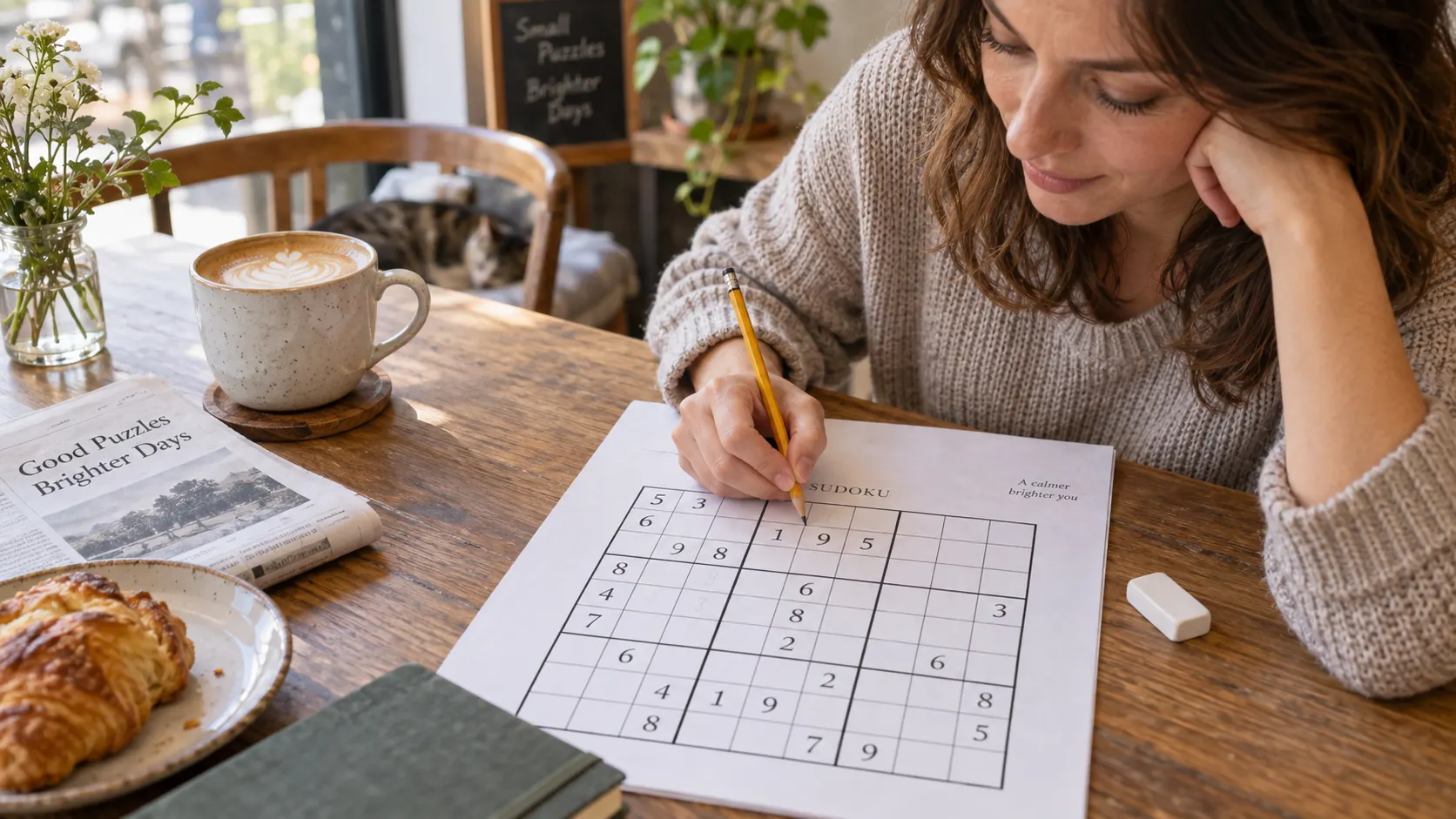
Nine numbers, one grid, and a strange sense of moral failure when you get one wrong.