Acting
Community theater: where your day job disappears and you become a moderately convincing sheriff.
- Cost to start
- ~$50 to start
- Learning curve
- 3 / 5
- Typical session
- 2-3 hours
- Physical demand
- 2 / 10
- Social level
- 8 / 10
- Setting
- At a venue
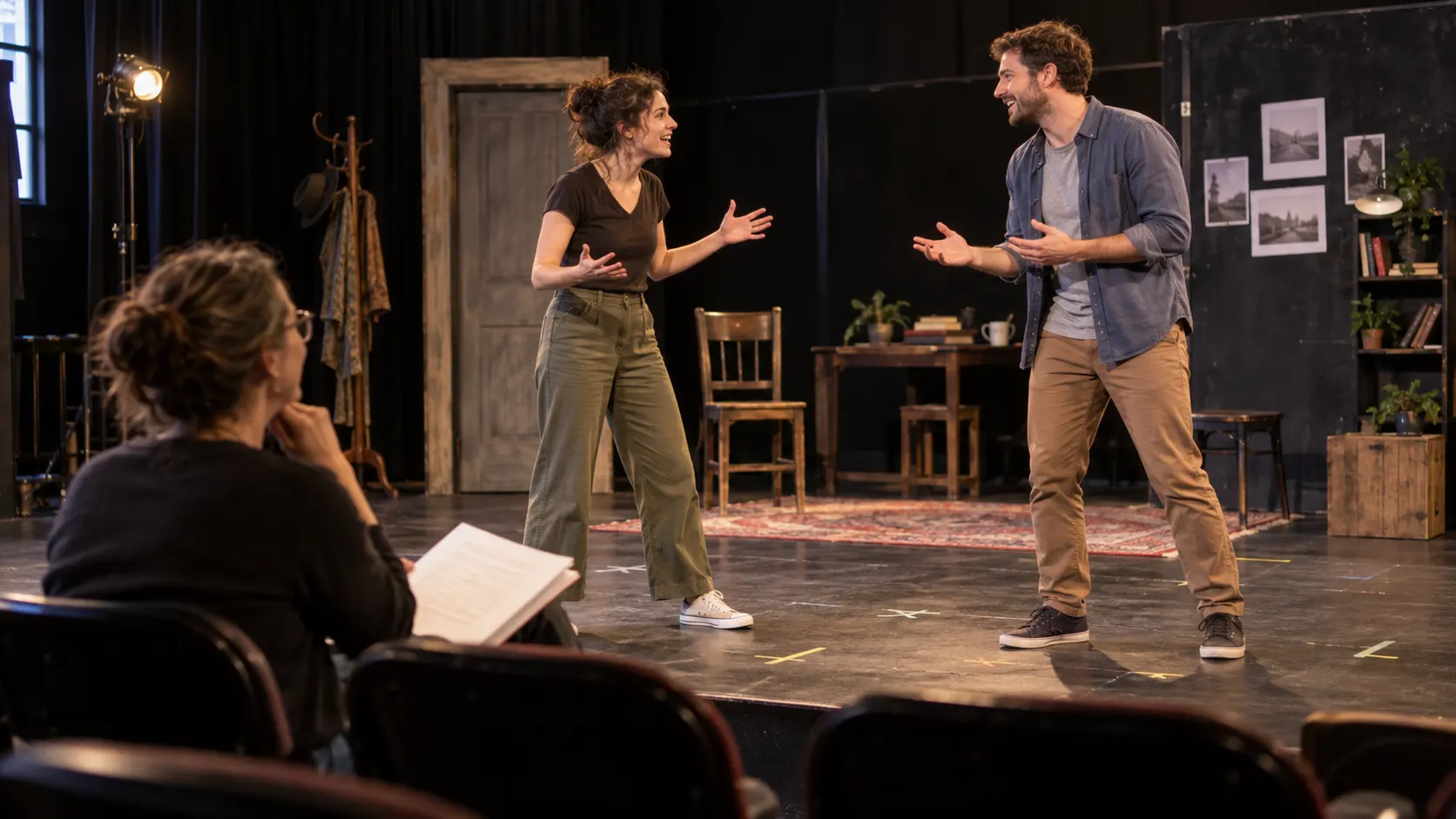
Acting as an adult hobby almost always means community theater, not a path to Hollywood — local playhouses, community colleges, and rec centers run full productions every season and are constantly short on people willing to show up and try. No headshots or resume required to start; most community productions cast enthusiastic beginners in real roles, not just background extras.
What it costs
Bare-minimum start: $0 — auditioning for a community theater production costs nothing, and most groups provide costumes and scripts. Genuinely the whole hobby for most community actors, indefinitely.
Practical setup: about $50. That's a basic scene study or improv class (single classes or short workshops run $20-40 through community colleges or local theater schools), which builds fundamentals faster than jumping straight into an audition with zero training, plus a well-worn script or two for practicing monologues at home.
Optional later: a longer-term acting class series, headshots and a demo reel if you want to pursue paid or professional work beyond community theater, and travel or membership costs for larger regional or semi-professional companies.
The one thing worth spending on, if anything, is a beginner class before your first audition — a few sessions of basic scene work take a lot of the fear out of auditioning and noticeably improve how you come across, even for people with zero acting ambition beyond having fun.
What to buy
Nothing is required to audition or perform in most community productions — theaters typically provide scripts, and costumes are usually built or sourced by the production. If you want the practical setup, a local scene study or improv class is the one worthwhile purchase, priced by the session or short course.
Skip professional headshots or a demo reel before you've done at least one full production — they're aimed at people pursuing paid acting work, and most community-theater actors never need either.
How to start
Start by checking your local community theater's audition schedule — most post them online months ahead, along with what they're producing and what roles are open. You don't need training or experience for most community auditions; many groups specifically welcome first-timers.
Prepare one short monologue you genuinely like, rather than a famous, overdone one, and practice it out loud enough times that you're not reading it in your head during the audition. Show up early, watch how the room runs, and don't overthink nerves — nearly everyone at a community theater audition is nervous, including people who've done this for years. If you don't get cast in your first audition, ask about backstage or crew roles; many people's actual entry into a theater community is through building sets or running lights before ever stepping on stage themselves. The most common beginner mistake is picking a monologue or role stretch far beyond your current comfort, out of a sense that acting should feel dramatic — smaller, honest choices usually read better than big, forced ones, especially early on.
Is it for you?
Acting suits people who like being part of a tight, temporary team building something together over weeks of rehearsal — the cast bond during a production run is a real, often-cited reason people keep coming back. It rewards vulnerability and consistency more than natural talent; a lot of community theater's best actors started as terrified beginners. If you strongly dislike public attention or performing in front of others, this hobby asks for exactly that, repeatedly. If you've ever watched a play and thought you could do that, or wanted to, a local audition is a far smaller step than it feels like from the audience seat.
Tagged
More like this
Voice Acting
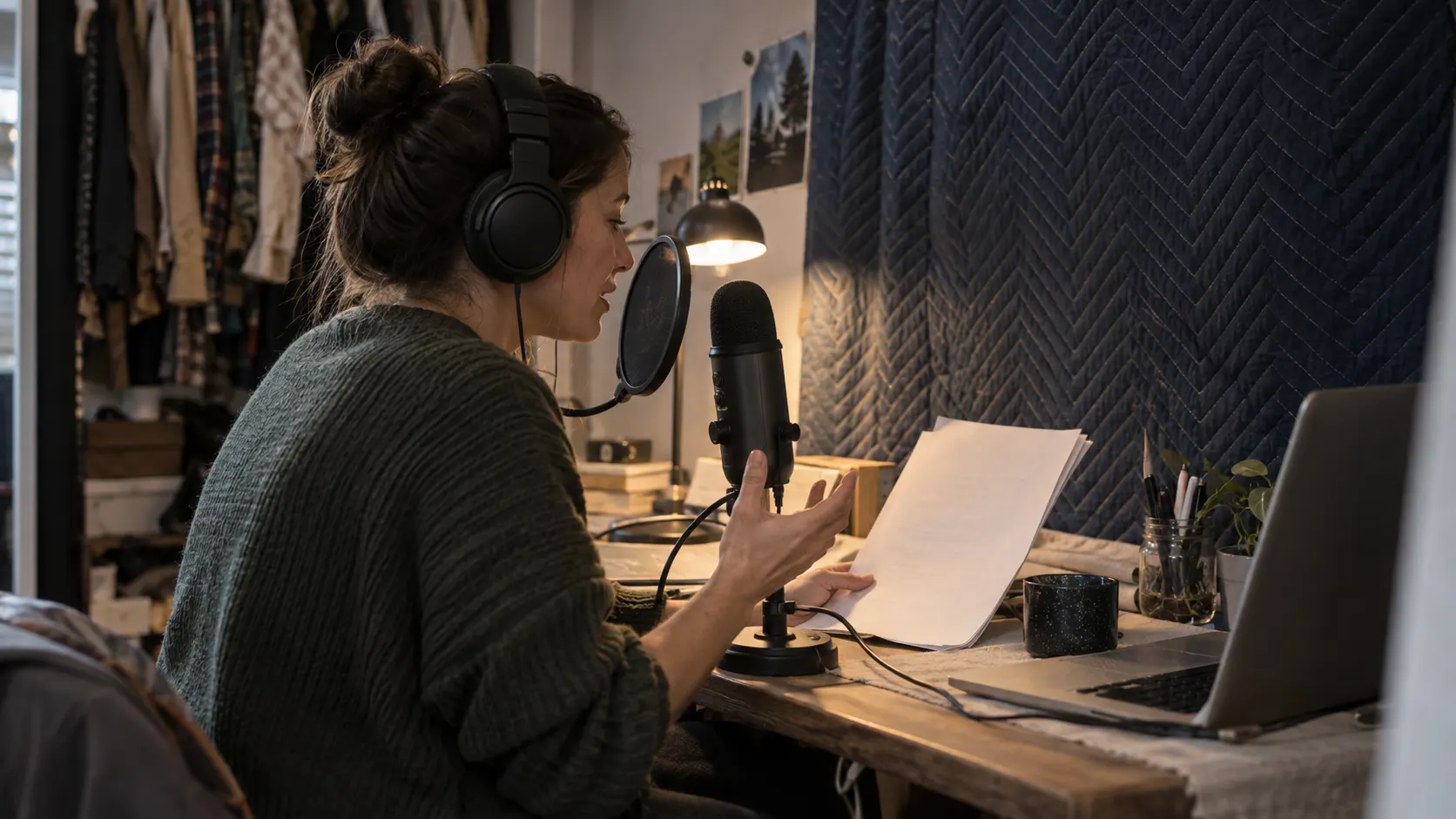
Acting with your whole body reduced to just your larynx, and somehow it's harder, not easier.
Singing
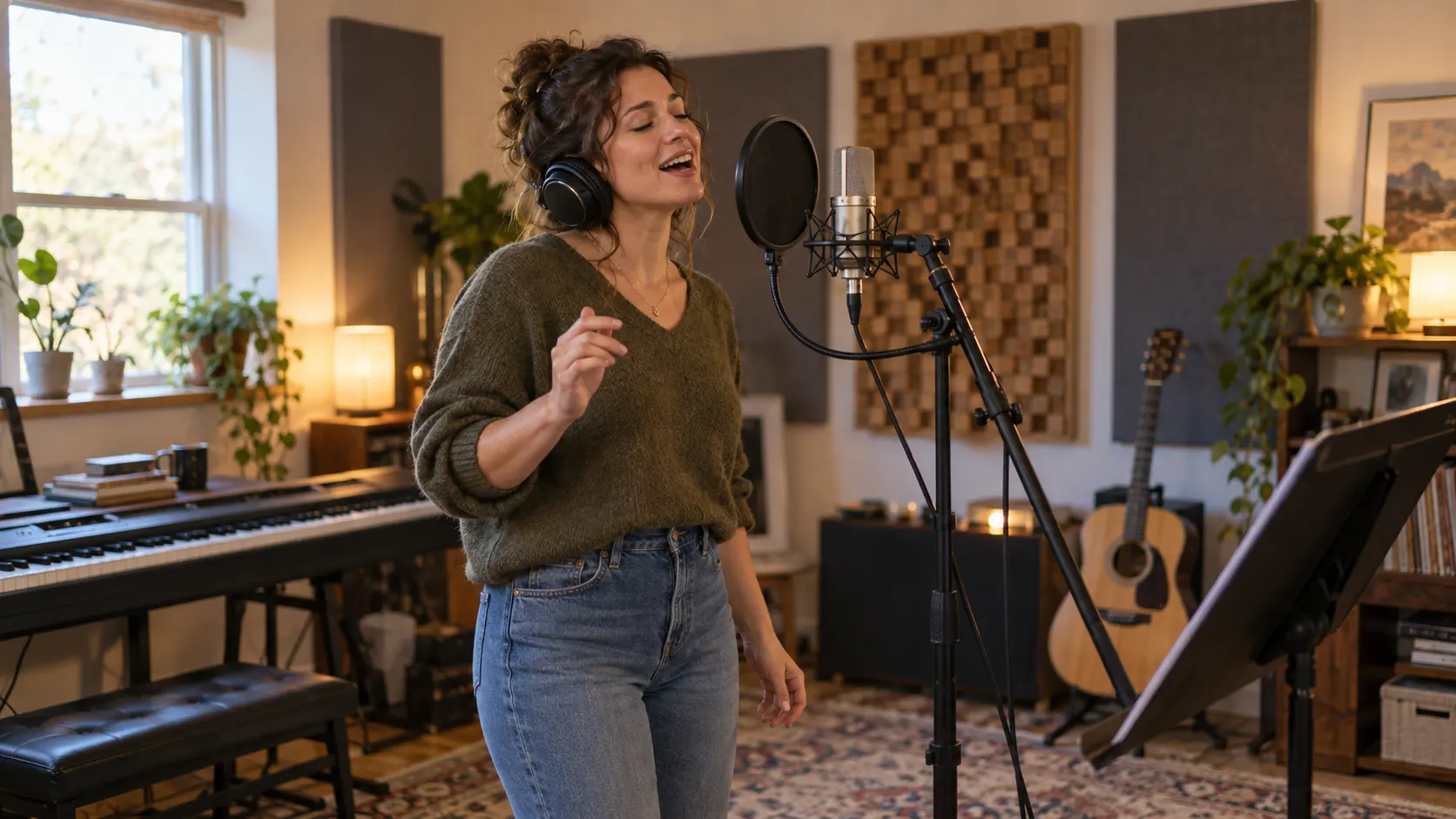
The instrument you already own, if you can get past hearing yourself on a recording.
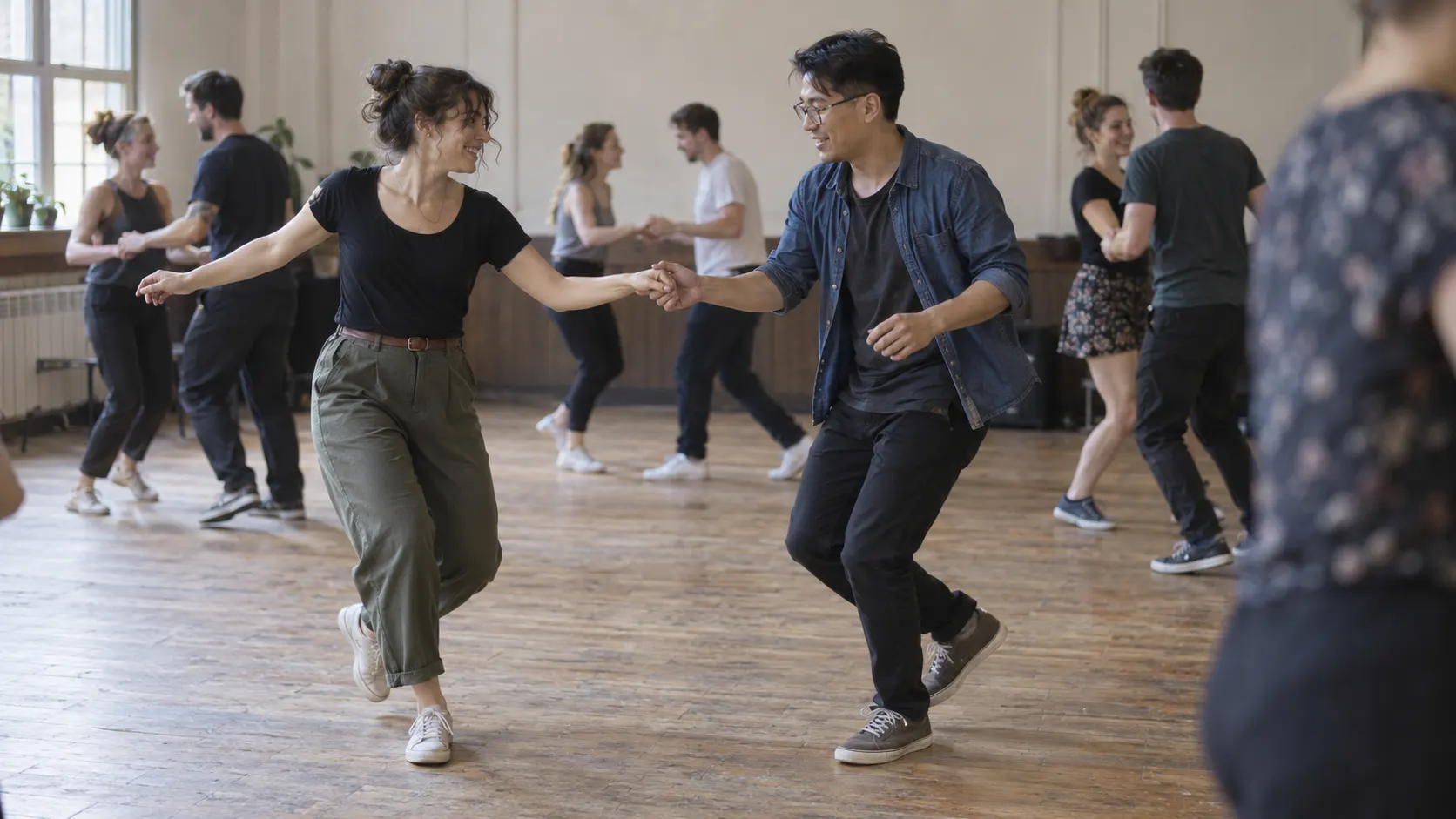
Swing Dancing
Jazz-age dancing for people whose only current cardio is walking briskly to their car.
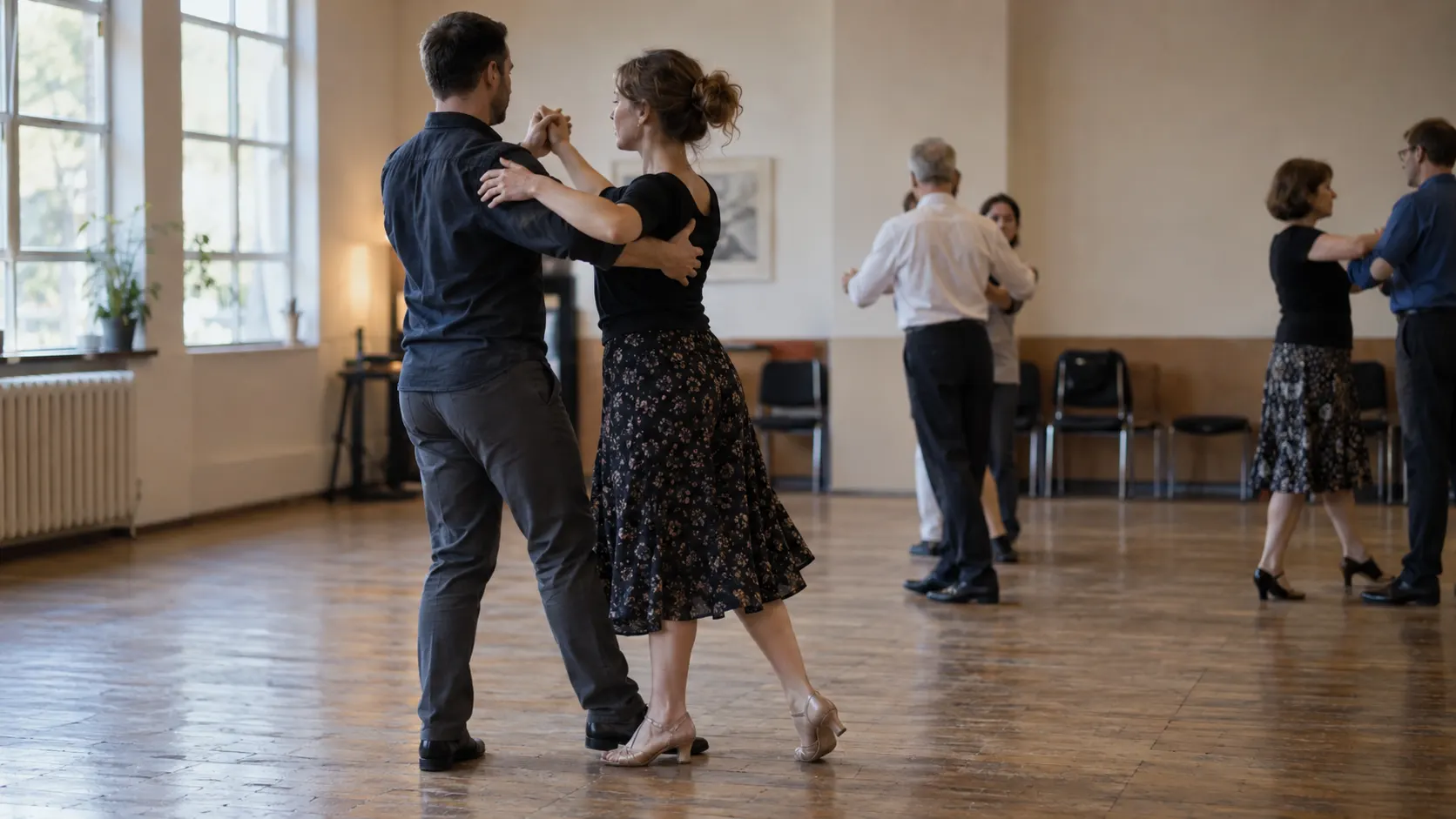
Ballroom Dancing
Learning to move gracefully with a stranger, which is somehow less awkward than it sounds.
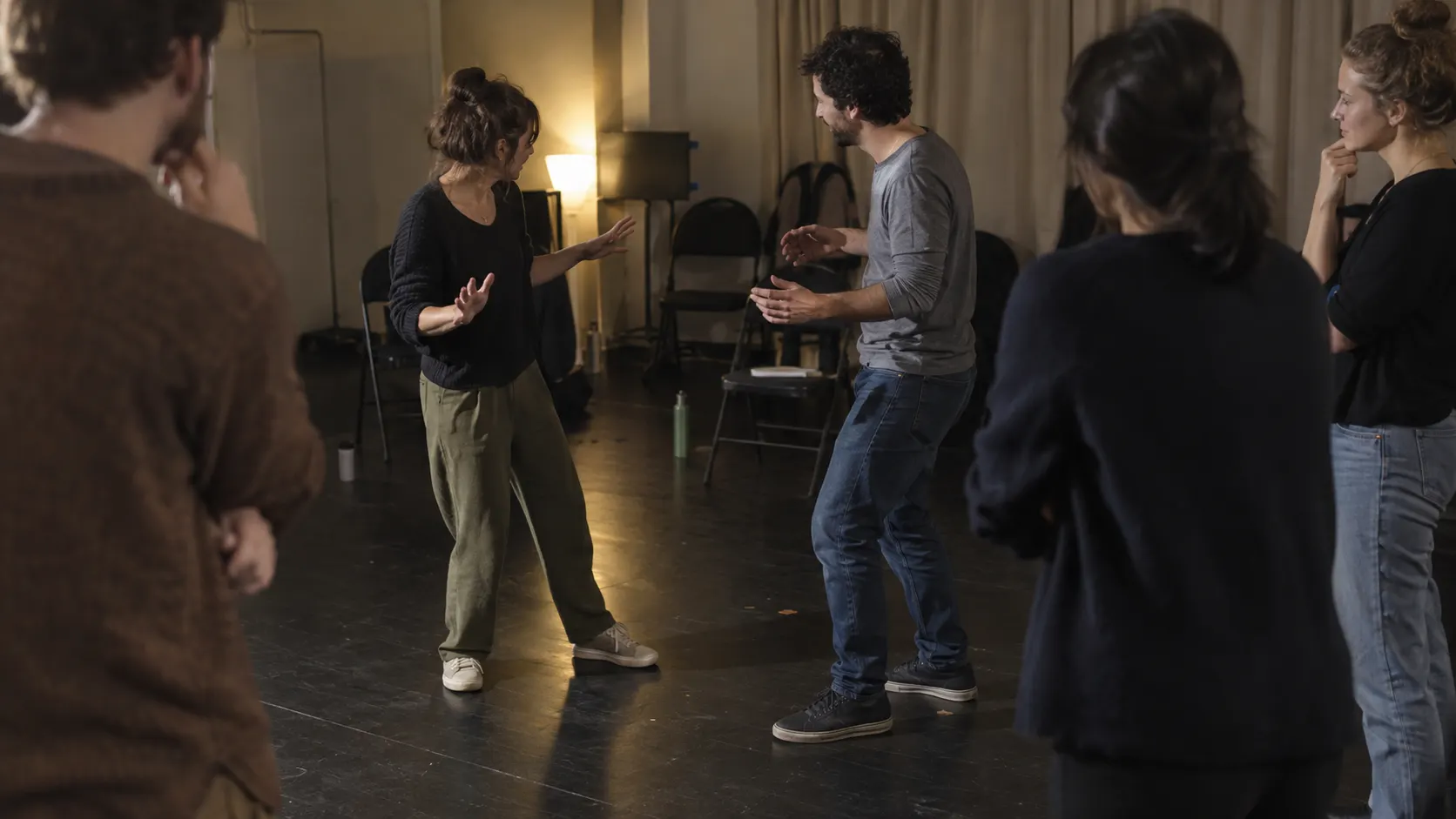
Improv
Making things up out loud, with other people watching, until it stops being terrifying.