Ballroom Dancing
Learning to move gracefully with a stranger, which is somehow less awkward than it sounds.
- Cost to start
- ~$130 to start
- Learning curve
- 3 / 5
- Typical session
- 60 min
- Physical demand
- 5 / 10
- Social level
- 7 / 10
- Setting
- At a venue
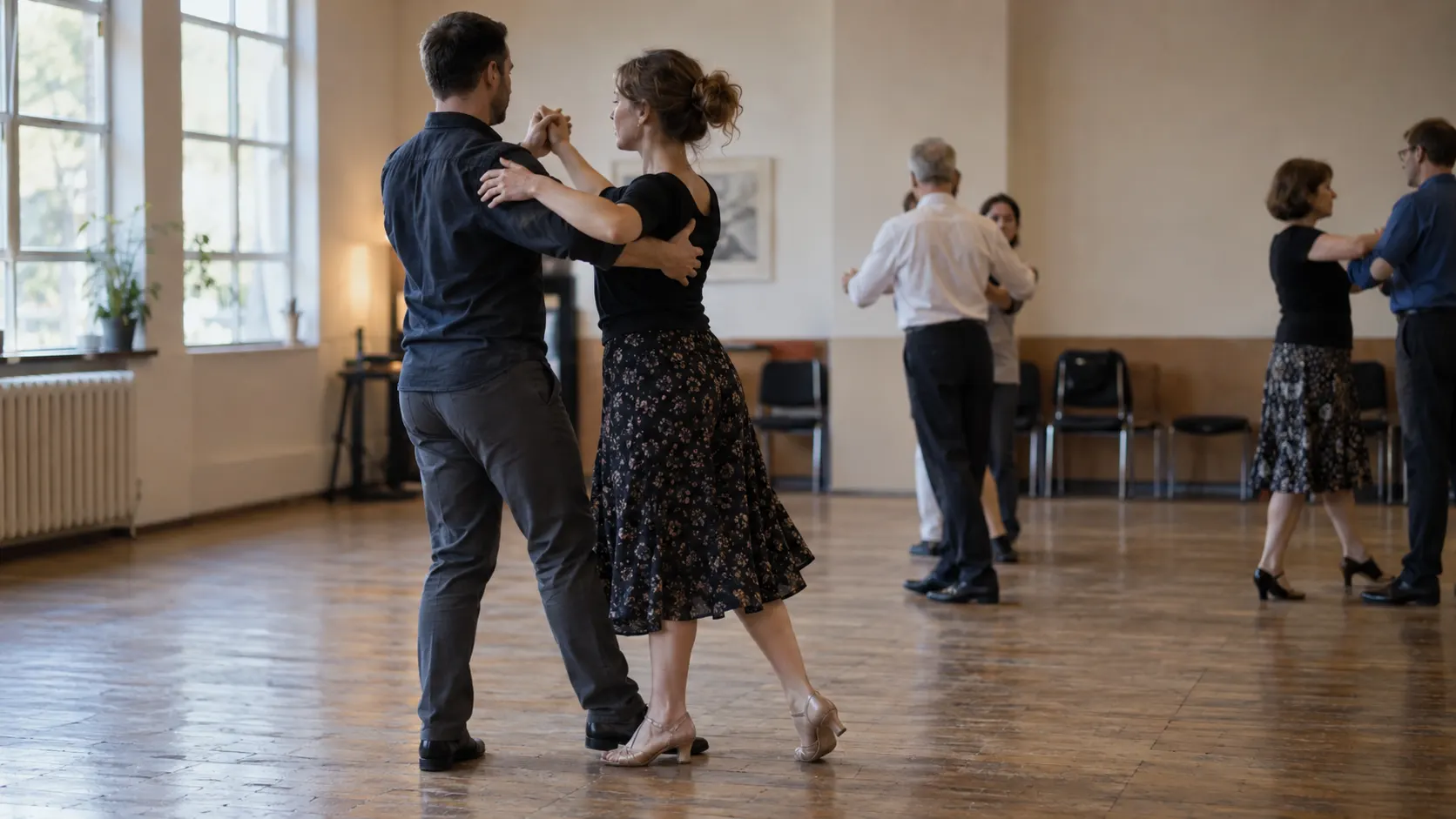
Ballroom dancing covers a family of partnered styles — waltz, foxtrot, tango, cha-cha, and more — danced socially or competitively, always with a partner and always with a lot more structure than it looks like from the outside. Most beginners join through a local studio's group class specifically because you don't need your own partner; studios pair up students or rotate partners within class, which is also, conveniently, how a lot of people meet each other.
What it costs
Bare-minimum start: about $20 — a single drop-in group class at a local dance studio or community center, which typically covers the basics of one style over an hour and needs no equipment beyond flat, smooth-soled shoes.
Practical setup: about $130. That's a beginner class package (four to eight weeks, typically $80-150 depending on your city and studio) plus a proper pair of ballroom dance shoes — suede soles allow the controlled slide ballroom technique depends on, which regular sneakers or rubber-soled shoes actively fight against.
Optional later: private lessons once you want to progress faster or prepare for a specific event (a wedding dance, a competition), practice-specific clothing, and social dance events ("practicas" or studio socials) once you want to dance outside of class structure.
The one thing worth spending on early is proper dance shoes — suede soles are a genuine functional requirement, not a style preference, since regular shoe soles either stick and twist your knee or slide unpredictably, both of which work against the technique you're trying to learn.
What to buy
A beginner group class series at a local studio — this matters more than any gear, since ballroom technique is genuinely difficult to self-teach from videos given the partner-timing element. Proper ballroom shoes with suede soles, sized to fit snugly since they shouldn't shift during turns.
Skip private lessons before you've tried a group class series; group classes are cheaper and let you sample multiple dance styles before committing to specialized private instruction in one. Skip performance-specific clothing until you're attending social dances or competitions; class attire can be simple, comfortable clothes you can move freely in.
How to start
Start with a beginner group class in one style — American Smooth styles (waltz, foxtrot) are commonly recommended first since the timing is more forgiving than Latin styles like cha-cha or rumba. You don't need a partner of your own; studios handle partnering within class.
Focus on frame (how you hold your upper body and connect with a partner) before worrying about fancy footwork — frame is what actually makes partnered dancing feel controlled rather than like two people separately guessing. Practice basic steps slowly and deliberately before adding speed; ballroom technique rewards precision far more than enthusiasm. Expect to feel physically awkward and slightly uncoordinated for your first several classes — this is universal, not a sign you lack rhythm. The most common beginner mistake is looking down at your own feet instead of your partner and the room; ballroom dancing is meant to be led and followed through connection and frame, not visual feet-watching, and looking down actively throws off your own balance and posture.
Is it for you?
Ballroom dancing suits people who enjoy structured, partnered movement and don't mind close physical proximity with rotating class partners, at least initially. It rewards consistent practice and body awareness more than natural rhythm — plenty of accomplished ballroom dancers started with none. If you strongly prefer solo or unstructured movement, the partnered, technique-heavy nature of ballroom will feel restrictive rather than freeing. If you've ever watched a couple dance smoothly together and wanted to know what that connection actually feels like from the inside, a beginner class is a much smaller step than it looks.
Starter gear
Soft suggestions to get going. These are affiliate links — buying through one may earn us a commission at no extra cost to you.
- View
Ballroom dance shoes (suede sole)
$55 · Amazon
Tagged
More like this
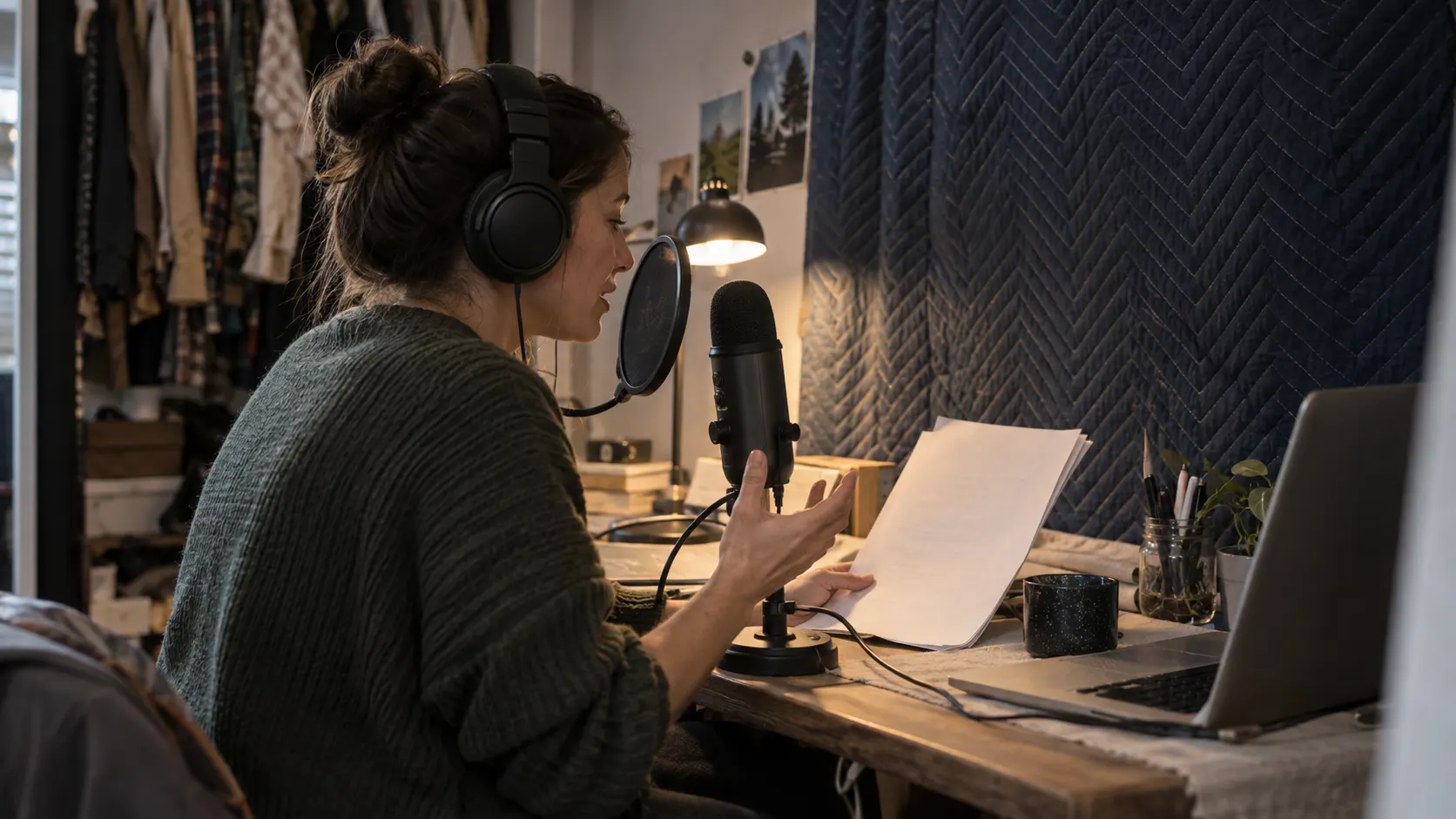
Voice Acting
Acting with your whole body reduced to just your larynx, and somehow it's harder, not easier.
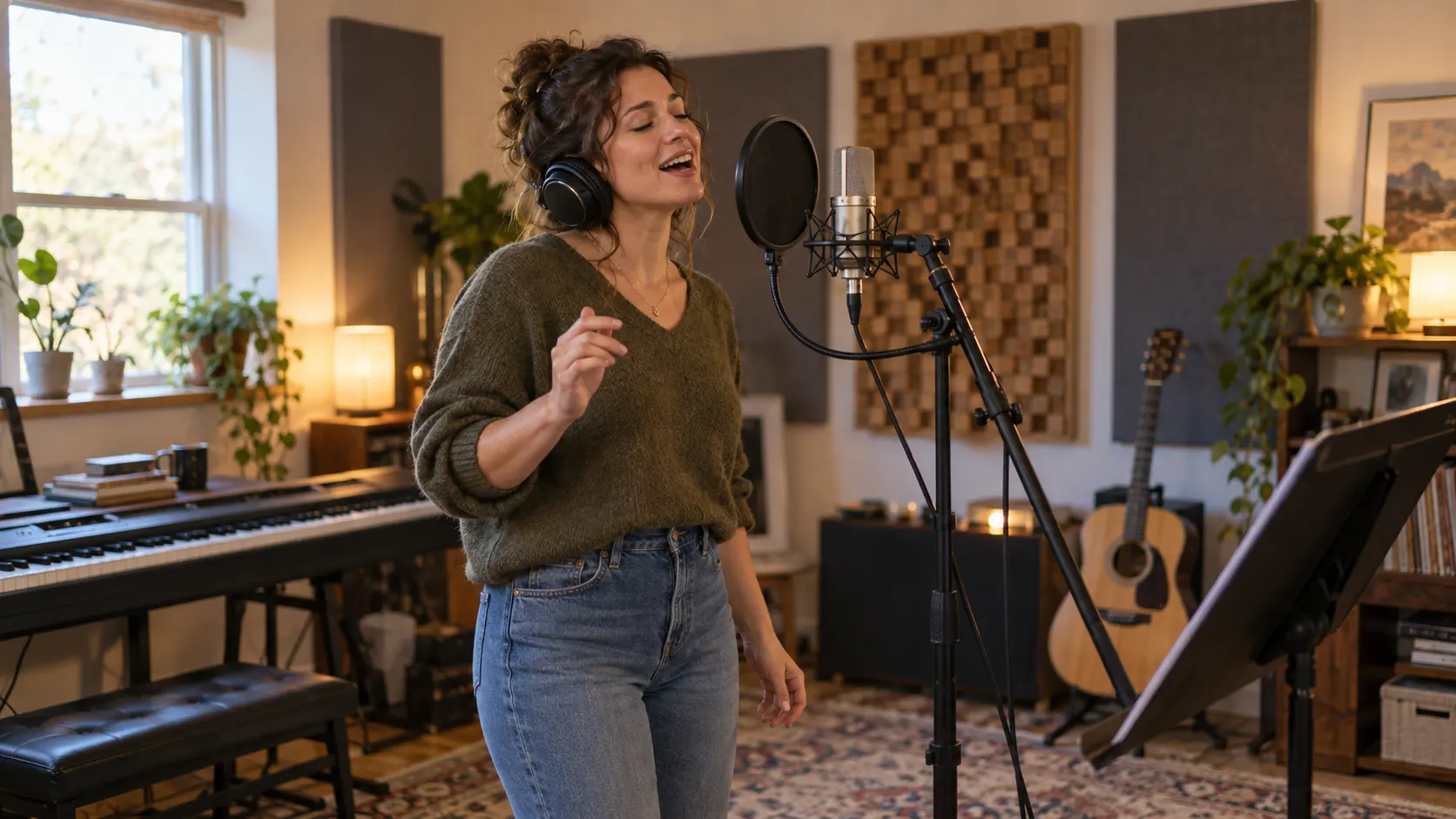
Singing
The instrument you already own, if you can get past hearing yourself on a recording.
Swing Dancing
Jazz-age dancing for people whose only current cardio is walking briskly to their car.
Acting
Community theater: where your day job disappears and you become a moderately convincing sheriff.
Improv
Making things up out loud, with other people watching, until it stops being terrifying.