Singing
The instrument you already own, if you can get past hearing yourself on a recording.
- Cost to start
- ~$60 to start
- Learning curve
- 3 / 5
- Typical session
- 20-40 min
- Physical demand
- 2 / 10
- Social level
- 2 / 10
- Setting
- At home
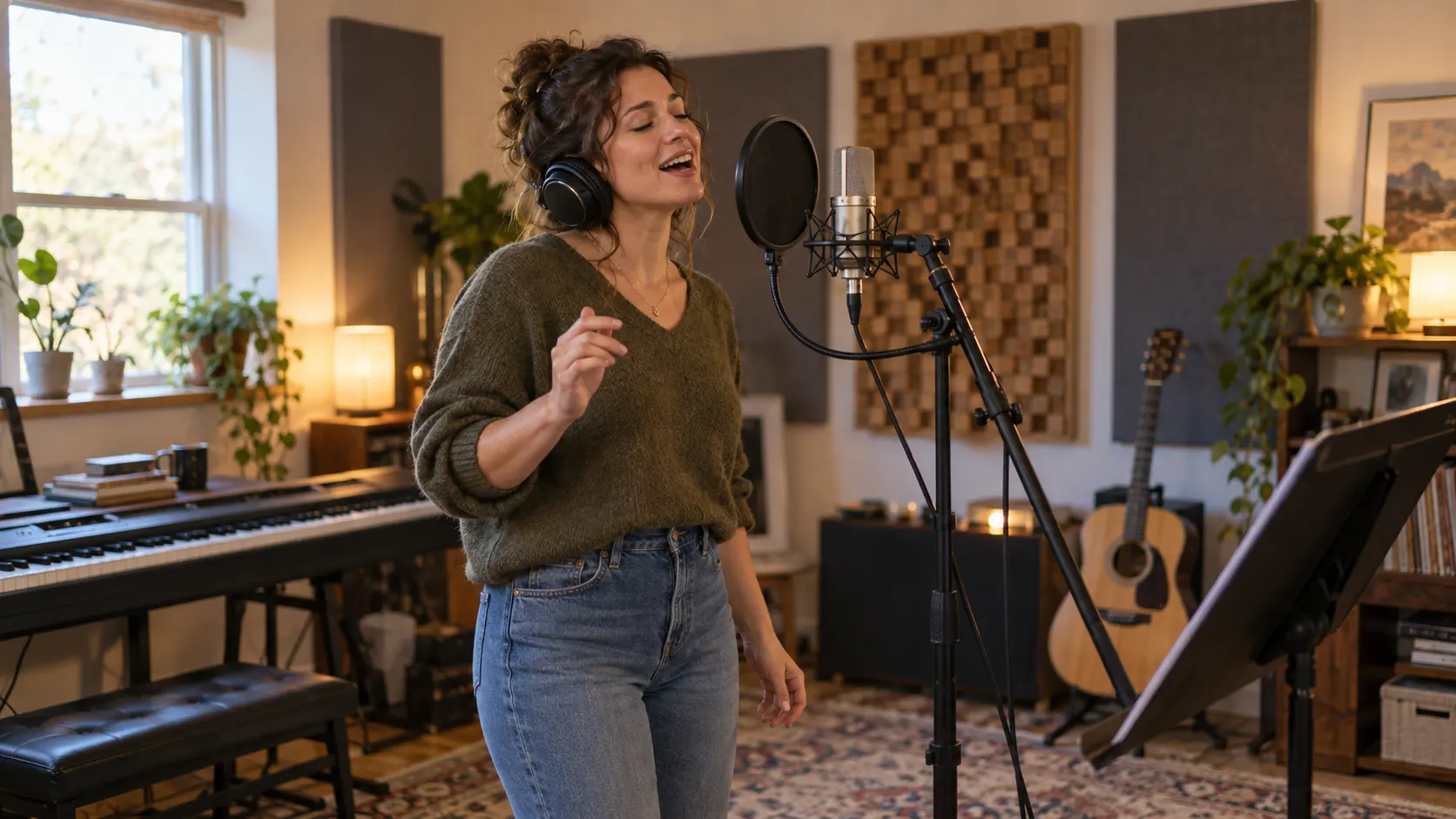
Singing is the one instrument nobody has to buy, which somehow makes it more intimidating, not less — there's no guitar to hide behind, just your own voice, which most adults haven't used on purpose since a middle school choir class. The good news is that pitch, breath control, and tone are trainable skills, not fixed talents, and a few months of actual practice moves people further than they expect.
What it costs
Bare-minimum start: $0 — singing along to recordings and working through free lesson videos costs nothing beyond time, and you can learn a genuine amount about breath support and pitch this way.
Practical setup: about $60. That's a few months of an affordable vocal training app (many run $10-15 a month, cancel anytime) or a handful of one-off lessons with a local voice teacher, plus a basic pitch-reference tool if your phone's built-in one doesn't cut it. A cheap USB microphone is worth adding if you want to actually hear yourself back clearly, since most people's mental image of their own voice is noticeably off from a recording.
Optional later: a real series of lessons with a vocal coach (often $40-80 a session), which is the single biggest lever for real improvement once you're serious; a home recording setup if you want to track your progress or start writing songs; and karaoke nights, which double as low-stakes practice with an audience.
The one thing worth spending on, if you spend on anything, is at least a handful of real lessons — a teacher catches habits (tension, poor breath support) that are hard to self-diagnose from videos alone, even a few sessions redirect months of practicing the wrong thing.
What to buy
Nothing is strictly required. If you want the practical setup, a vocal training app subscription is the cheapest structured option, and a basic USB microphone helps you hear your actual voice rather than the version you hear internally, which sounds different due to bone conduction.
Skip buying studio-grade recording gear before you've taken any lessons; recording quality matters far less than knowing what you're supposed to be listening for. Skip a long lesson package with an unfamiliar teacher before a single trial session — voice teaching styles vary a lot and fit matters.
How to start
Start by recording yourself singing something simple and familiar, then actually listen back — this single exercise does more to identify what to work on than a week of guessing. You don't need lessons or an app yet for this first honest assessment.
Warm up before singing anything demanding, the same way you'd stretch before exercise — simple lip trills or gentle scales for five minutes reduce strain and noticeably improve tone even in a first session. Practice breath support (singing from your diaphragm, not your throat) before worrying about hitting difficult notes; most beginner strain comes from breath support issues, not range problems. Expect your voice to sound unfamiliar and slightly disappointing on early recordings — this is universal, not a sign you lack ability. The most common beginner mistake is straining to hit notes outside your comfortable range instead of picking songs that sit inside it; range expands with training, but forcing it early just builds tension and can strain your voice.
Is it for you?
Singing suits people willing to feel a little exposed and awkward for a few weeks before real progress starts to show — nearly everyone hates their first recordings, and nearly everyone's improve noticeably with consistent practice. It rewards patience with your own voice more than any innate gift. If you want fast results without ever feeling self-conscious, this hobby asks for both discomfort and repetition upfront. If you've ever sung along to a song in the car and wondered what you'd sound like with actual training, a few months of consistent practice answers that question more completely than you'd expect.
Starter gear
Soft suggestions to get going. These are affiliate links — buying through one may earn us a commission at no extra cost to you.
- View
USB microphone (basic)
$35 · Amazon
Tagged
More like this
Voice Acting
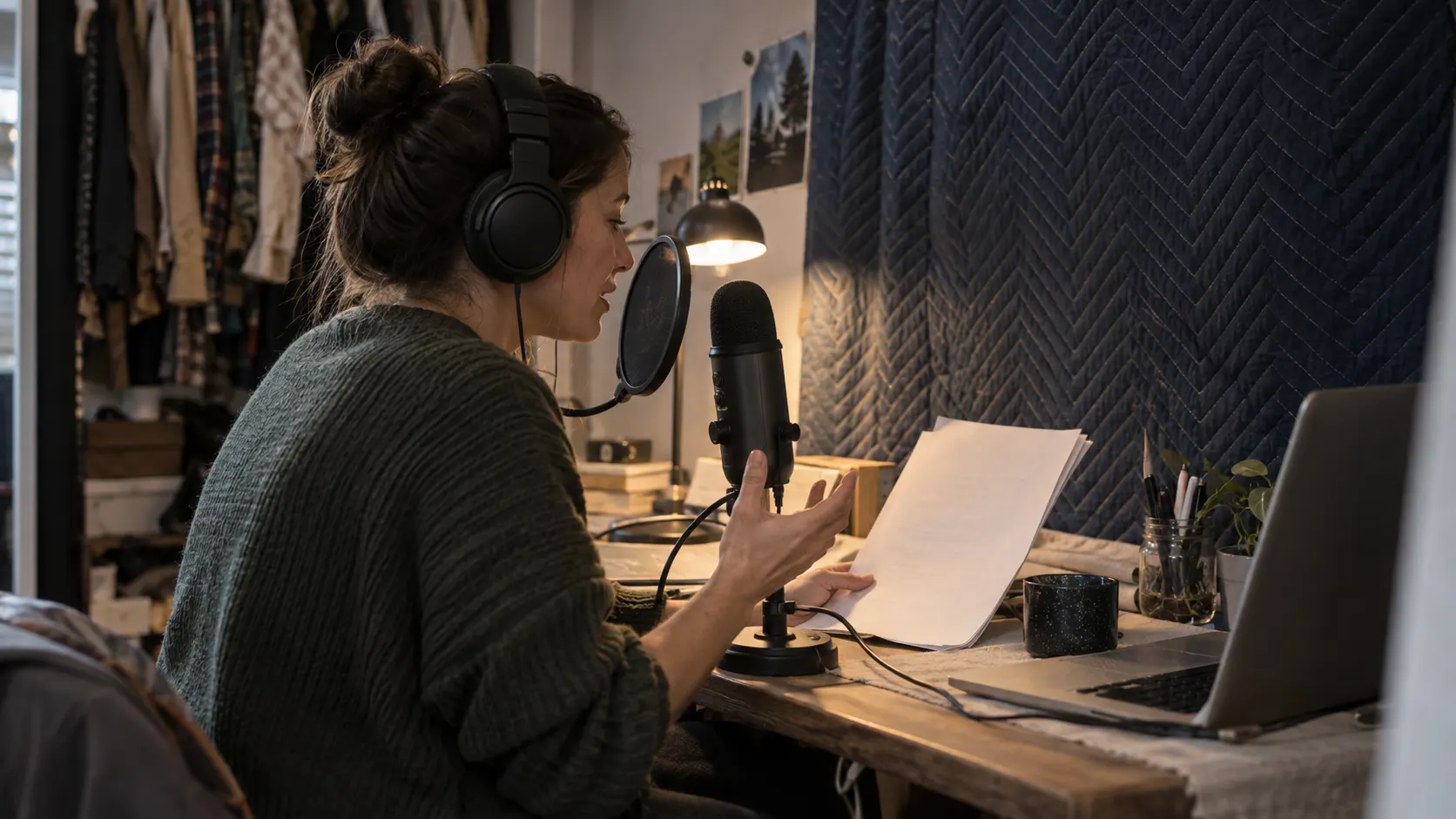
Acting with your whole body reduced to just your larynx, and somehow it's harder, not easier.
Swing Dancing
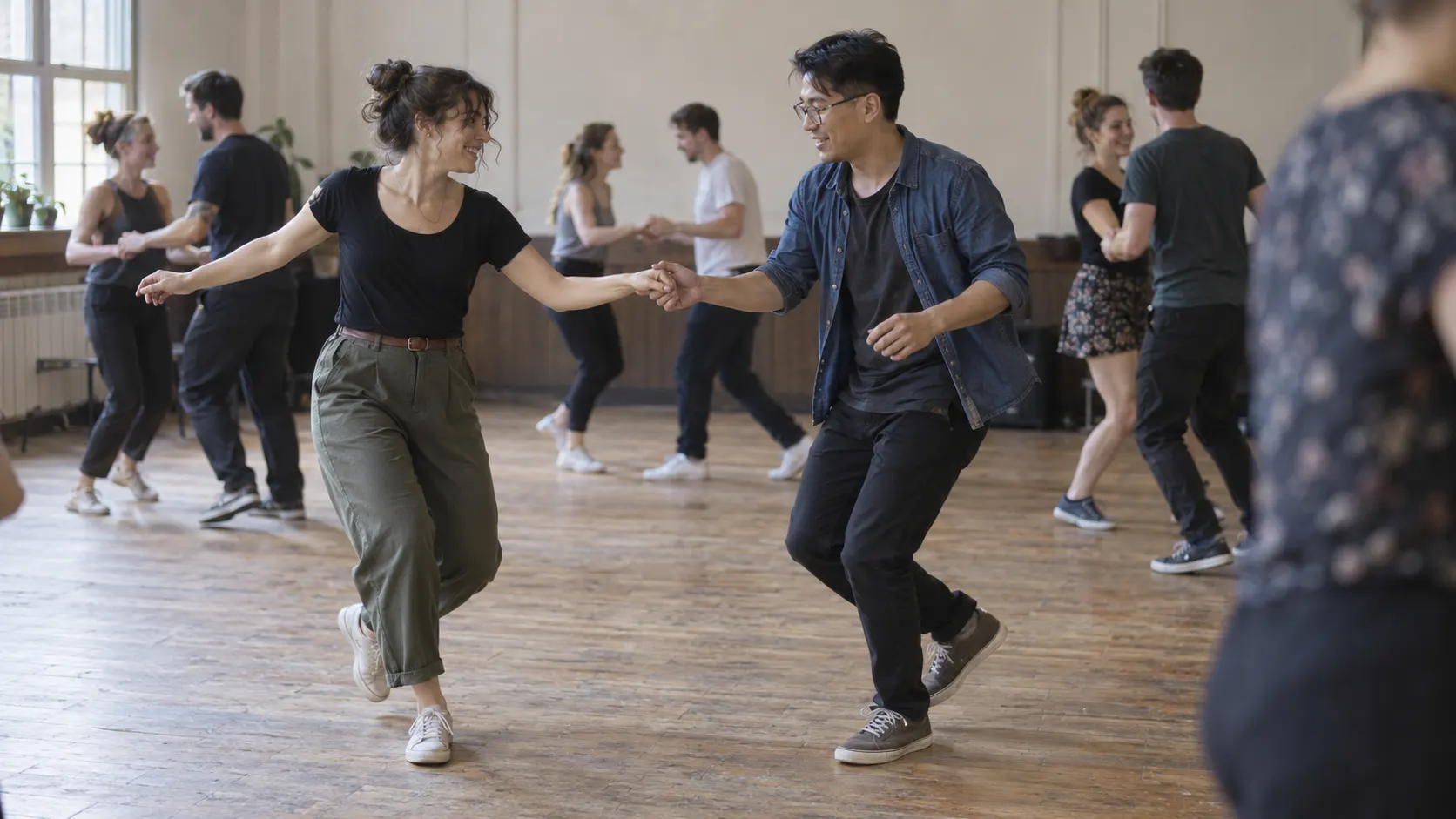
Jazz-age dancing for people whose only current cardio is walking briskly to their car.
Ballroom Dancing
Learning to move gracefully with a stranger, which is somehow less awkward than it sounds.

Acting
Community theater: where your day job disappears and you become a moderately convincing sheriff.
Improv
Making things up out loud, with other people watching, until it stops being terrifying.