Voice Acting
Acting with your whole body reduced to just your larynx, and somehow it's harder, not easier.
- Cost to start
- ~$150 to start
- Learning curve
- 3 / 5
- Typical session
- 30-60 min
- Physical demand
- 1 / 10
- Social level
- 1 / 10
- Setting
- At home
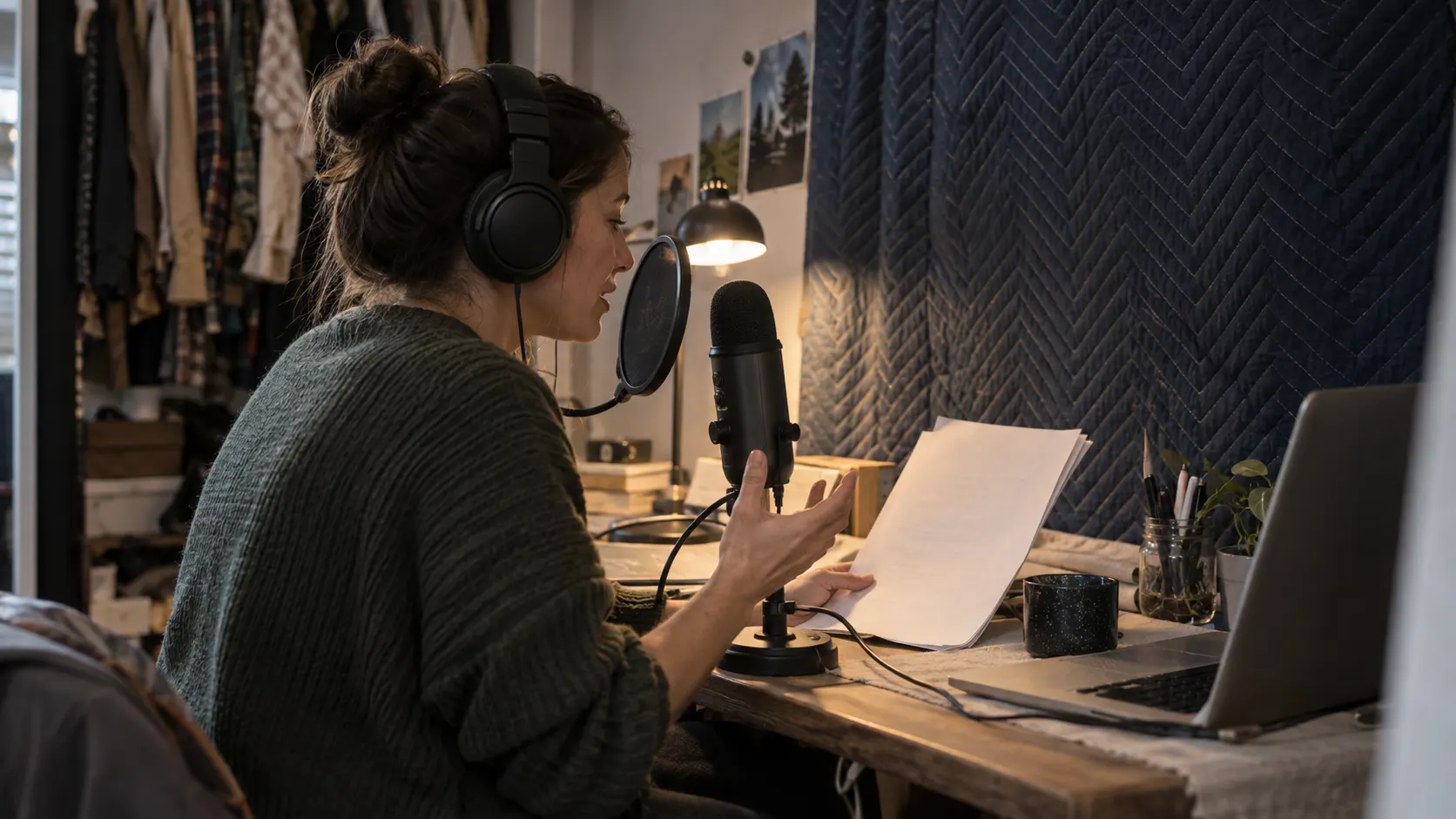
Voice acting is performance using only your voice — animation characters, audiobook narration, video game lines, commercial reads — and it's a genuinely different skill from stage acting, since you lose your face and body entirely and have to build a character or emotion through voice alone. A lot of aspiring voice actors underestimate this until their first real attempt sounds noticeably flatter than they expected.
What it costs
Bare-minimum start: about $30 — your phone's voice memo app or free recording software, practicing scripts and character reads out loud, with genuine feedback available for free through online voice acting communities that review beginner clips.
Practical setup: about $150. That's a USB condenser microphone (a real step up in clarity over a phone or laptop mic, and worth it once you're recording anything you plan to actually use), a pop filter to reduce breath and plosive sounds, and a basic recording space treatment — even moving blankets or a closet lined with soft materials meaningfully reduce echo compared to a bare room.
Optional later: an audio interface for connecting a higher-end microphone, proper acoustic treatment panels if you're serious about home studio quality, and coaching or classes specifically in voice acting technique and industry auditioning, which matters a lot if you want to pursue this for paid work rather than as a hobby.
The one thing worth spending on early, once you're past just messing around on your phone, is a real microphone and some room treatment — audio quality is judged instantly and harshly in this field, and a great performance recorded with bad audio still sounds unusable.
What to buy
A USB condenser microphone, the biggest single audio-quality upgrade for a beginner home setup. A pop filter, cheap and genuinely effective at reducing harsh breath sounds on recordings. Simple room treatment — moving blankets, foam panels, or even a closet full of clothes — to reduce echo, which matters more for perceived audio quality than most people expect.
Skip an expensive audio interface or studio-grade microphone before you know if voice acting is something you'll stick with; a solid USB mic covers a genuine beginner's needs. Skip paid coaching before you've practiced independently and gotten feedback from free community resources first.
How to start
Start by recording yourself reading short scripts out loud — free scripts for voice acting practice are widely available online, spanning different genres (animation, commercial, video game lines) so you can find what you gravitate toward. You don't need professional gear yet; a phone recording is enough to hear your own instincts.
Listen back critically and compare your read to a few professional examples of similar material — noticing the gap is uncomfortable but genuinely the fastest way to identify what to work on. Practice varying your pace, pitch, and energy deliberately rather than reading everything in your natural speaking voice; character work specifically requires stretching beyond how you'd normally talk. Warm up your voice before recording sessions the same way a singer would; vocal fatigue changes your sound noticeably over a long session. The most common beginner mistake is underestimating breath control and pacing — reading too fast, running out of air mid-sentence, or not leaving natural pauses, all of which read as amateurish even when the character choice itself is good.
Is it for you?
Voice acting suits people who enjoy performance but don't need visual presence — plenty of skilled stage actors struggle with voice-only work, and plenty of naturally quiet people excel at it. It rewards vocal control and character range more than any physical performance skill. If you want immediate audience feedback the way live theater gives you, voice acting's isolated, recorded nature is a very different experience. If you've ever done character voices for fun and had people ask you to do it again, there's a real chance you already have some of the raw instinct this hobby builds on.
Starter gear
Soft suggestions to get going. These are affiliate links — buying through one may earn us a commission at no extra cost to you.
Tagged
More like this
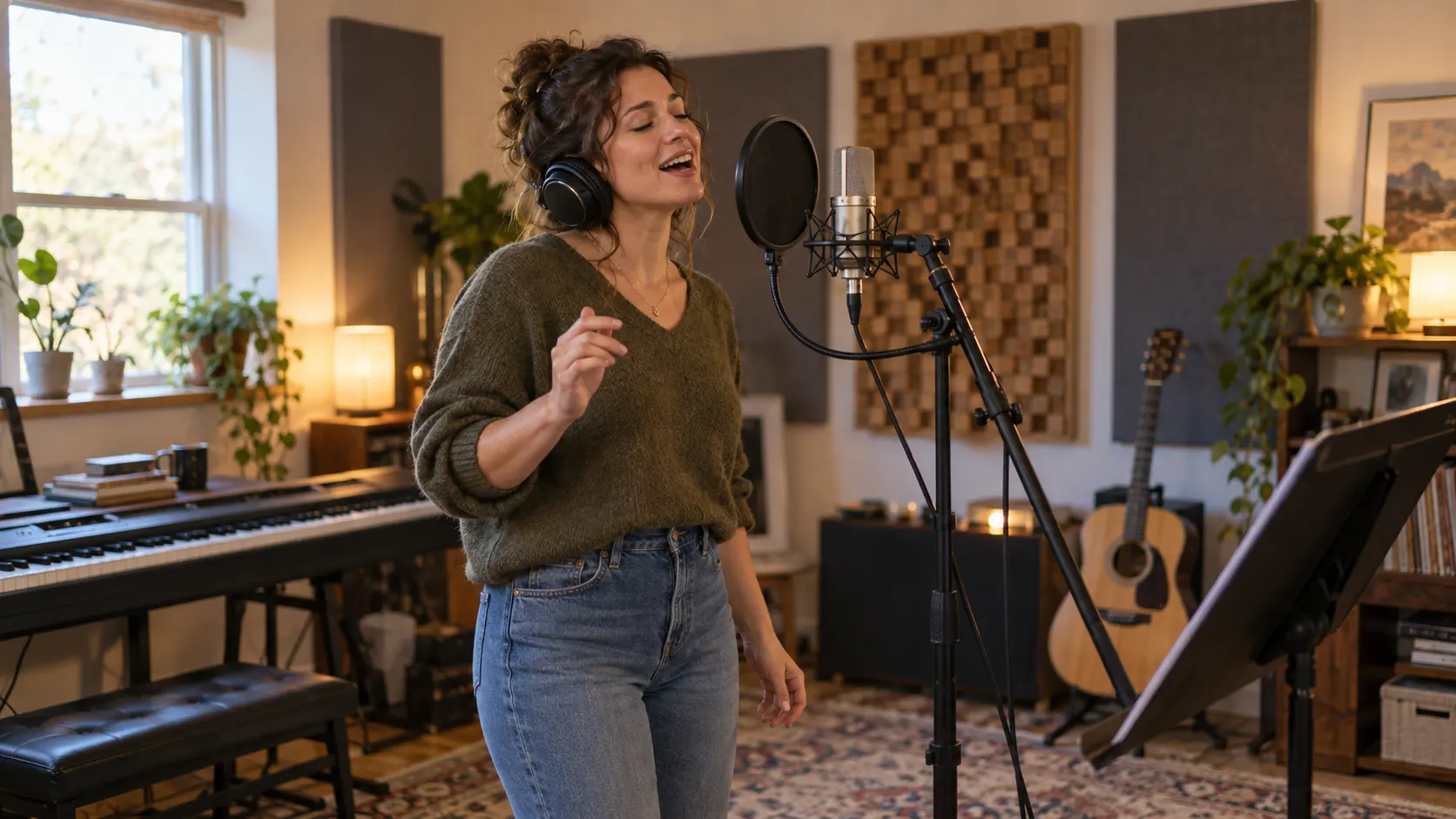
Singing
The instrument you already own, if you can get past hearing yourself on a recording.
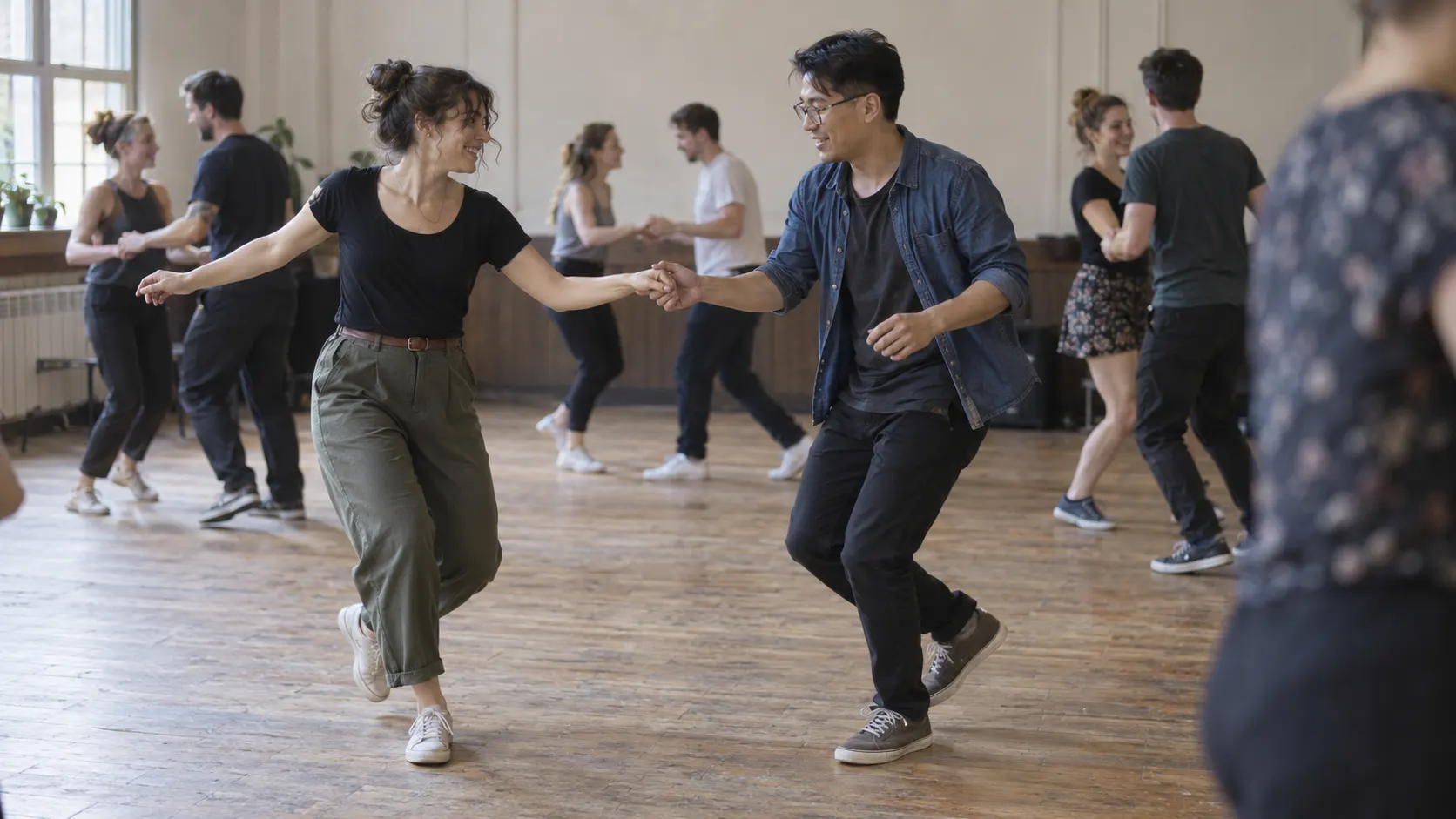
Swing Dancing
Jazz-age dancing for people whose only current cardio is walking briskly to their car.
Ballroom Dancing
Learning to move gracefully with a stranger, which is somehow less awkward than it sounds.
Acting
Community theater: where your day job disappears and you become a moderately convincing sheriff.
Improv
Making things up out loud, with other people watching, until it stops being terrifying.