Aquascaping
Landscape design, but underwater, and with fish occasionally rearranging your work.
- Cost to start
- ~$130 to start
- Learning curve
- 3 / 5
- Typical session
- 30–60 min maintenance
- Physical demand
- 1 / 10
- Social level
- 1 / 10
- Setting
- At home
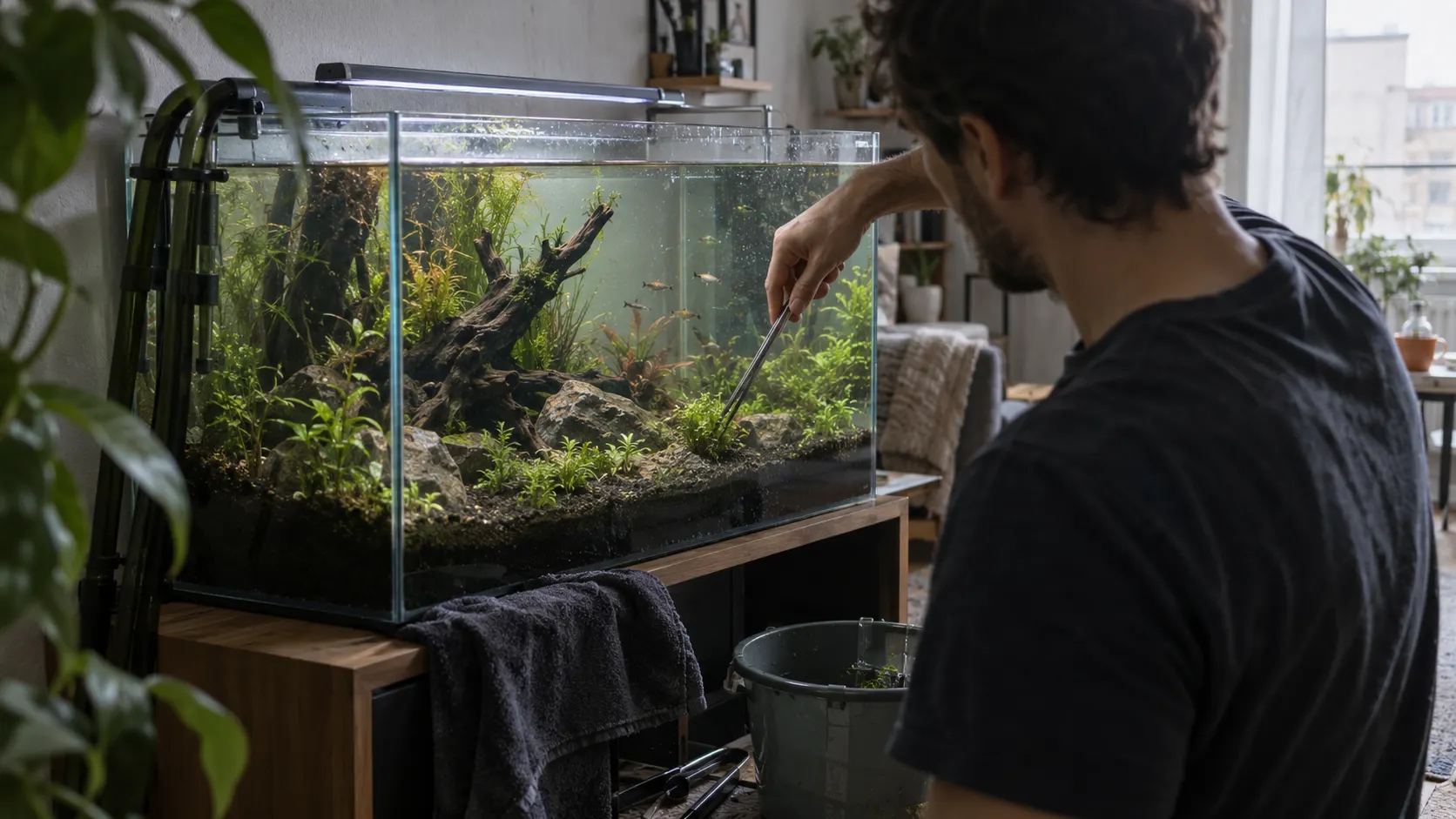
Aquascaping gets shown online as elaborate underwater landscapes with imported stone and specialty lighting rigs costing thousands. A genuinely good beginner setup is much smaller and simpler — a nano tank, a handful of easy plants, and a "low-tech" approach that skips the CO2 injection systems serious hobbyists eventually add.
What it costs
Bare-minimum start: about $40 — a small nano tank kit (5–10 gallons, often sold with a built-in basic LED light) and a couple of genuinely easy, low-light plants, skipping any CO2 system or specialized substrate for now.
Practical setup: about $130. That's a nano tank with proper built-in LED lighting suited for plant growth (~$60), aquascaping-specific substrate or aqua soil that provides nutrients directly to plant roots (~$20), basic hardscape — a piece of driftwood or a few rocks to build the layout around (~$25) — and a starter pack of easy beginner plants, like Java fern, Anubias, or Java moss (~$25). Tools like tweezers and scissors for planting and trimming can substitute kitchen tongs and scissors at first, so they're not counted here.
Optional later: a CO2 injection system (a genuinely significant upgrade, often $100+) once you want faster growth and a wider range of plant species, dedicated aquascaping tools, and fish or shrimp, which are a separate ongoing cost and commitment from the plants and hardscape themselves.
What to buy
A small tank with real plant-appropriate lighting — a tank meant for fish alone often has lighting too dim for healthy plant growth. Aqua soil or a nutrient-rich substrate layer, since plain gravel provides nothing for roots to draw from. One or two pieces of hardscape to build the layout's structure around, rather than scattering many small pieces. Easy, forgiving plants — Java fern and Anubias attach to hardscape rather than needing to be planted in substrate, and both tolerate beginner mistakes well.
Skip CO2 injection and a large plant species collection for your first tank — low-tech setups with a handful of easy plants succeed far more often for beginners than an ambitious high-tech tank with species that need precise conditions you haven't learned to maintain yet.
How to start
Start with a small tank, basic lighting, and two or three easy plant species attached to hardscape rather than planted in substrate. You don't need CO2, a fertilizer routine, or fish yet.
Let the tank run for a week or two with just plants and no fish before adding any livestock — this lets the tank's biological filtration establish, which fish need to survive safely. Trim plants lightly every couple of weeks rather than letting them grow unchecked; regular light maintenance keeps a layout looking intentional instead of overgrown. Expect some algae in the first month as the tank finds its balance — this is normal and usually settles once plants are established and out-competing it for nutrients.
The most common beginner mistake is adding too much light or too many nutrients too soon, which fuels algae faster than the plants can use it — starting conservative and adjusting up is safer than starting bright and fighting an algae bloom.
Is it for you?
Aquascaping suits people who enjoy composition and design as much as caretaking, and who don't mind an upfront cost that's genuinely higher than most hobbies here. It asks for patience with a tank that looks unfinished and slightly murky for its first few weeks before settling into its intended look. If you want an instant, framed-photo result, this will frustrate you; if you like watching a designed space slowly fill in and mature, it delivers something few other hobbies can.
Starter gear
Soft suggestions to get going. These are affiliate links — buying through one may earn us a commission at no extra cost to you.
Tagged
More like this
Mixology
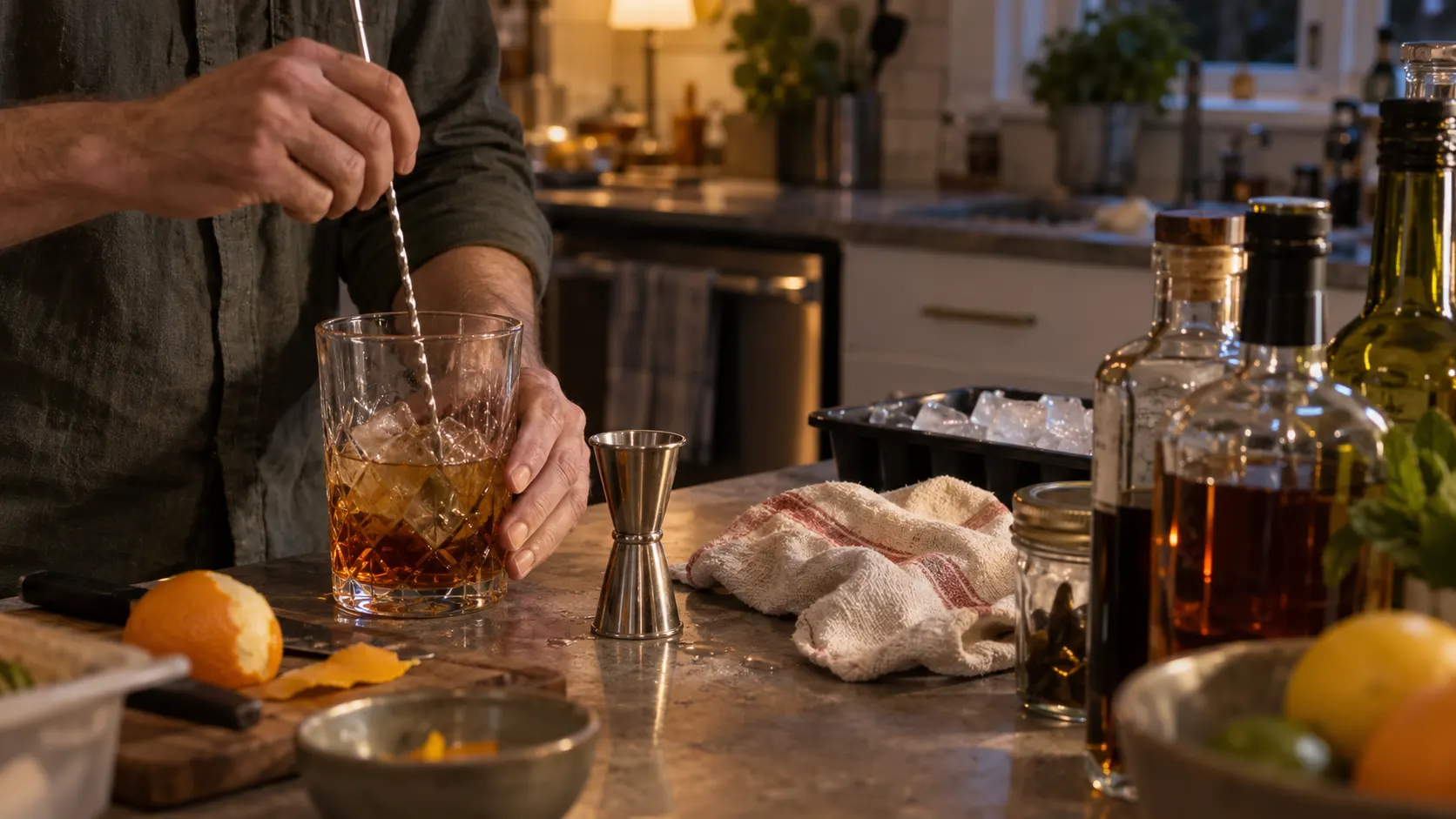
Measuring liquids precisely so that later you can drink them less precisely.
Diamond Art
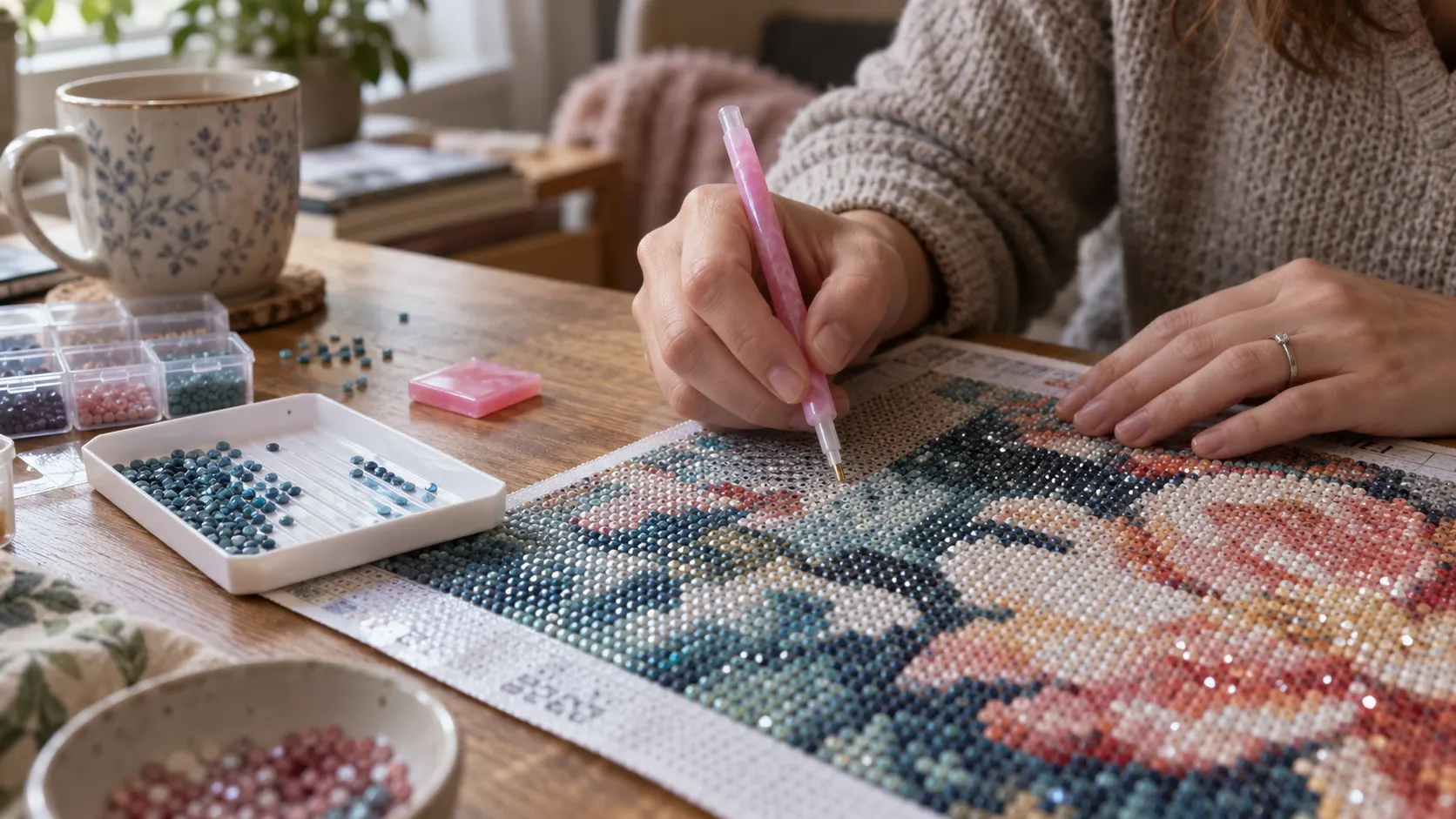
Paint by numbers for people who found paint by numbers insufficiently sparkly.
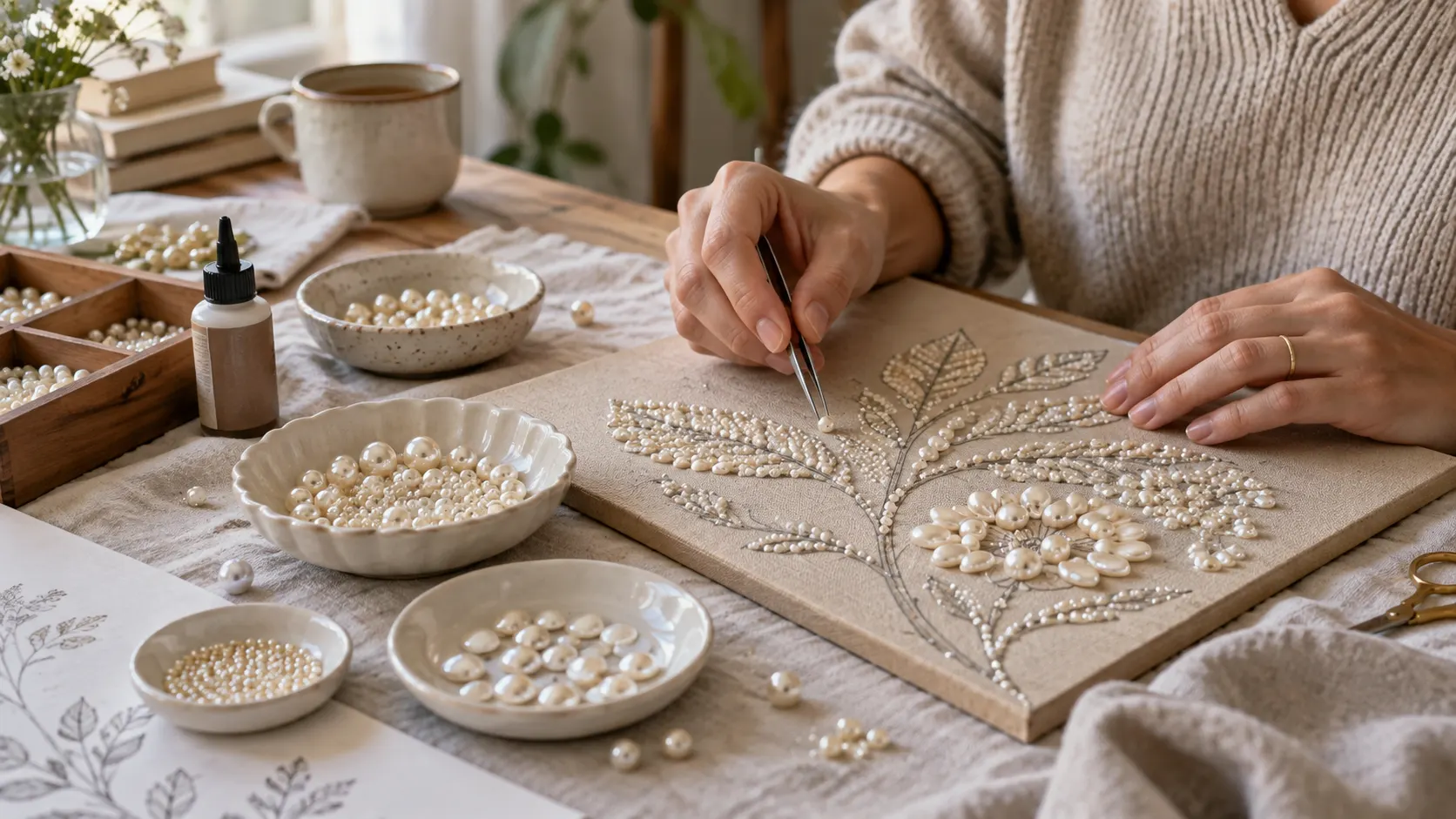
Pearl Art
Diamond art's quieter cousin, for people who think glitter is a little much.
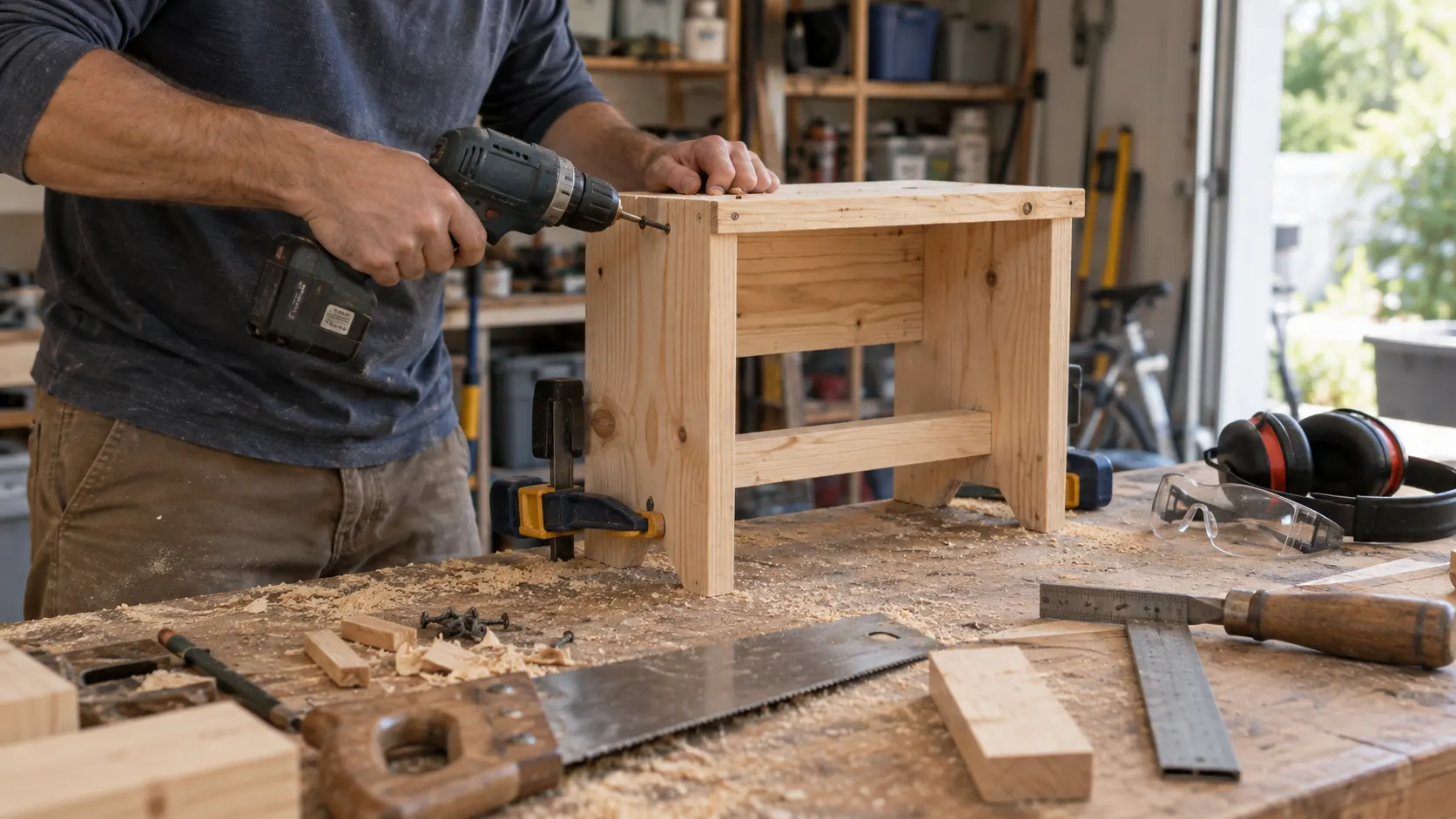
Woodworking
Turning boards into furniture, or, on your first attempt, into a wobbly cautionary tale.
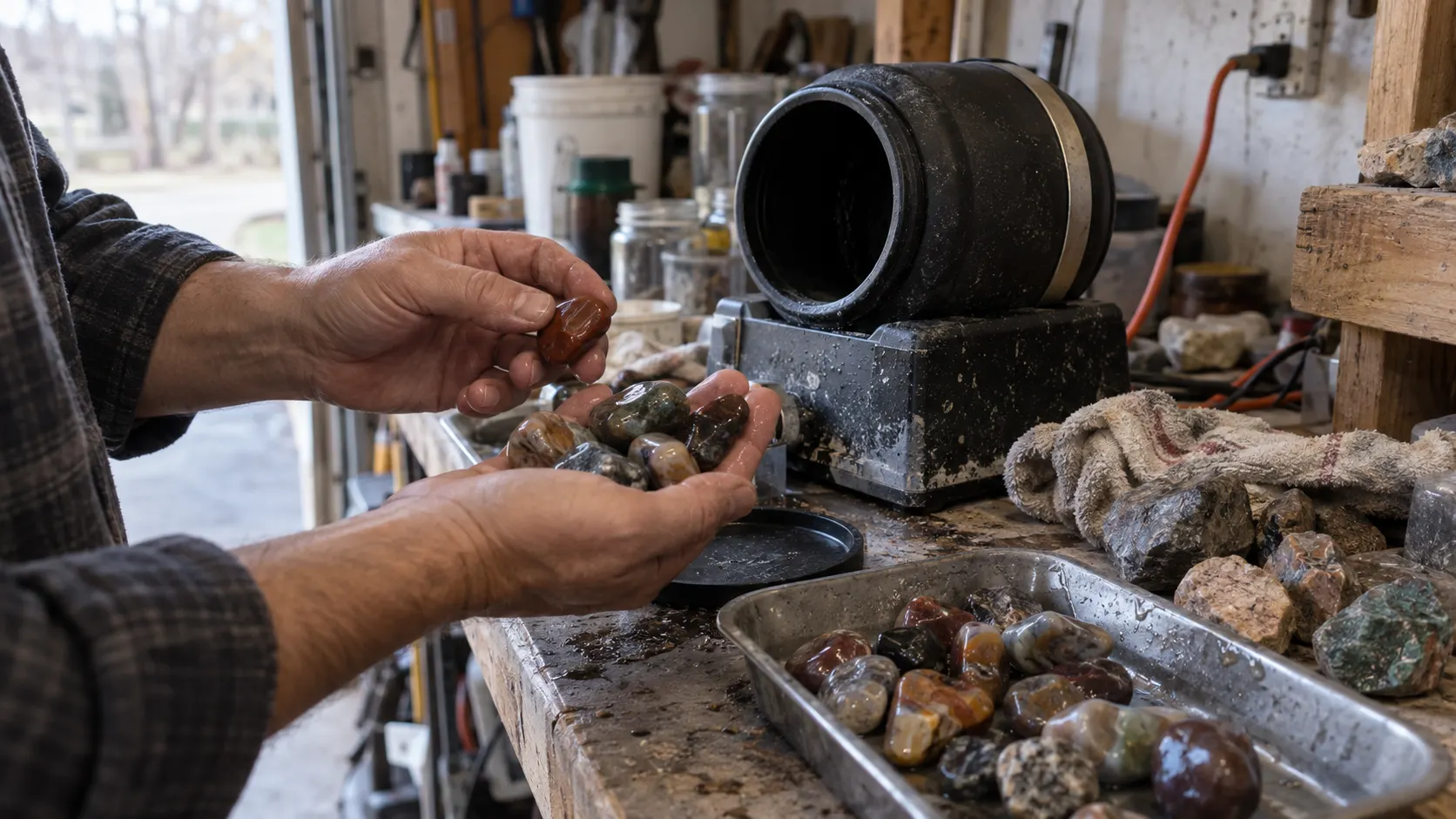
Rock Tumbling
Putting ugly rocks in a machine for a week so they come out looking expensive.