Baking
Chemistry class, if chemistry class ended in cookies instead of a lab report.
- Cost to start
- ~$70 to start
- Learning curve
- 3 / 5
- Typical session
- 60-120 min
- Physical demand
- 2 / 10
- Social level
- 2 / 10
- Setting
- At home
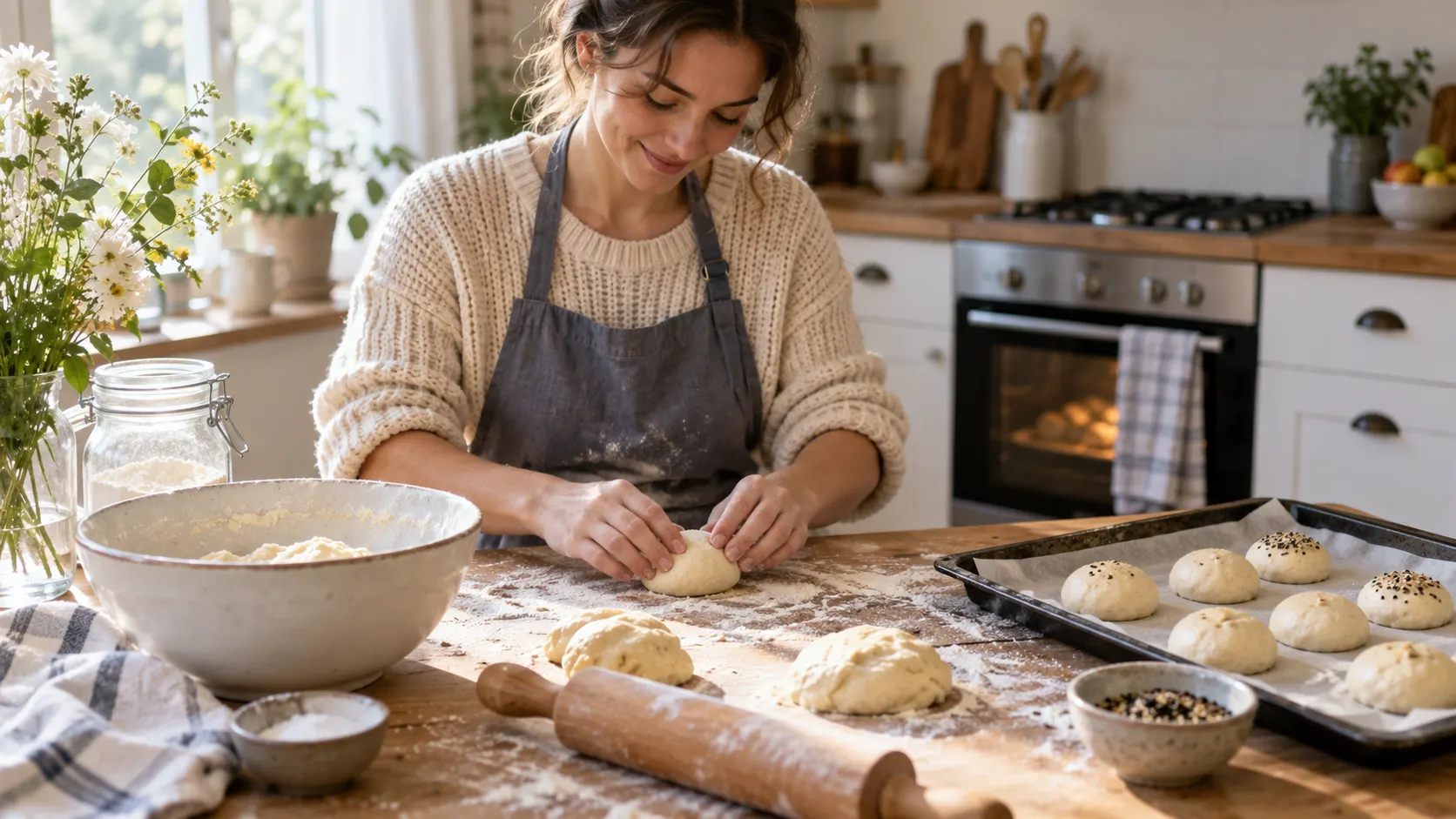
Baking is cooking's more exacting sibling — where a stir-fry forgives improvisation, a cake really doesn't, because you're managing actual chemical reactions: gluten development, leavening, sugar and fat ratios. That precision is either the appeal or the obstacle, depending on your personality, but it's also why baking rewards following a good recipe closely far more than cooking does.
What it costs
Bare-minimum start: about $15 — basic ingredients (flour, sugar, butter, eggs) for a simple recipe like cookies, using a bowl, a spoon, and your oven, all of which you likely already own.
Practical setup: about $70. That's a digital kitchen scale (baking by weight is meaningfully more consistent than by volume, since a "cup of flour" varies a lot depending on how it's scooped), a set of proper measuring cups and spoons if you don't already have accurate ones, a rubber spatula, and a couple of basic pans — a half-sheet baking sheet and a round or square cake pan cover a huge range of recipes.
Optional later: a stand mixer (a genuine quality-of-life upgrade for anything involving creaming butter or whipping egg whites, but not required for years of good baking), specialty pans (bundt, loaf, muffin tins), and a bench scraper and rolling pin for anything involving dough.
The one thing worth spending on early is the kitchen scale — it's the single change that most reliably fixes inconsistent results for beginner bakers, more than any specific gadget or technique.
What to buy
A digital kitchen scale, genuinely the highest-impact purchase on this list. Accurate measuring cups and spoons as a backup for recipes that use volume. A rubber spatula for scraping bowls cleanly. A half-sheet pan and one cake or square pan, which between them cover cookies, bars, and most simple cakes.
Skip a stand mixer as a first purchase — a hand mixer or even a whisk and some patience handles a beginner's first year of recipes fine, and it's a genuinely large expense to commit to before you know how often you'll bake. Skip specialty pans (bundt, tiered cake pans) until a specific recipe actually calls for one.
How to start
Start with a simple, forgiving recipe like chocolate chip cookies or a basic quick bread rather than anything involving yeast or laminated dough on day one. You don't need a stand mixer or specialty pans yet.
Measure ingredients precisely rather than eyeballing, especially flour and leavening agents (baking powder, baking soda) — small errors in these specifically cause disproportionately large problems in the final result, unlike most savory cooking's forgiveness for approximate seasoning. Read the full recipe once before starting, and preheat your oven properly rather than starting the timer the moment you put something in a still-heating oven, since actual oven temperature affects timing and texture noticeably. The most common beginner mistake is overmixing batter once flour is added — this develops gluten that makes cakes and muffins tough and dense instead of tender; mix just until the flour disappears, then stop, even if a few small lumps remain.
Is it for you?
Baking suits people who like precision and don't mind a recipe telling them exactly what to do, at least at first — improvisation comes later, once you understand why each step exists. It rewards careful measurement and patience more than creativity in the early stages. If you find rigid instructions tedious and prefer improvising as you go, baking's chemistry punishes that instinct more than cooking does. If you like the idea of a hobby with a genuinely satisfying, shareable result — something you can hand to someone and watch them enjoy immediately — it delivers that better than almost any other craft on this site.
Starter gear
Soft suggestions to get going. These are affiliate links — buying through one may earn us a commission at no extra cost to you.
Tagged
More like this
Mixology
Measuring liquids precisely so that later you can drink them less precisely.
Diamond Art
Paint by numbers for people who found paint by numbers insufficiently sparkly.
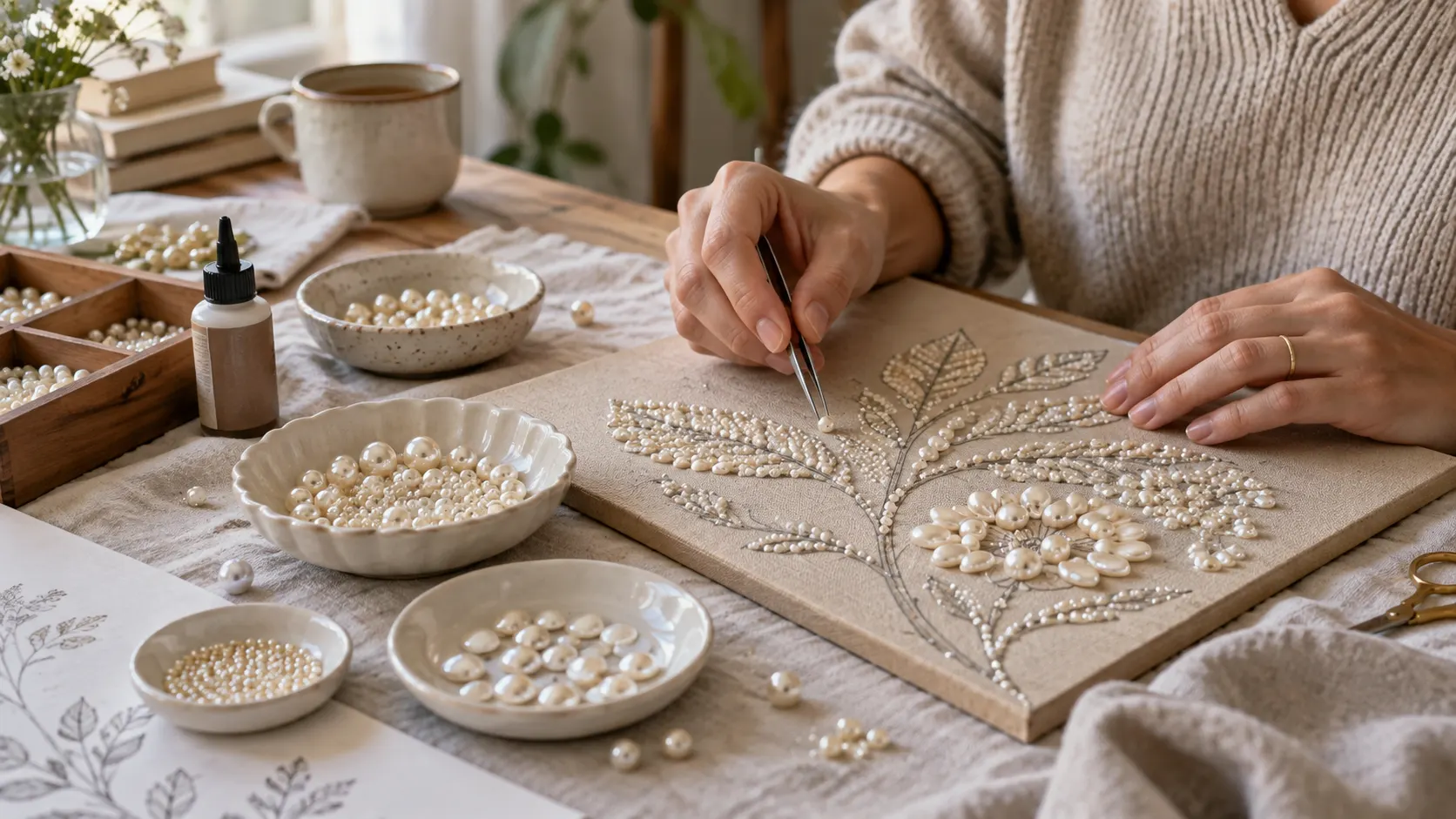
Pearl Art
Diamond art's quieter cousin, for people who think glitter is a little much.
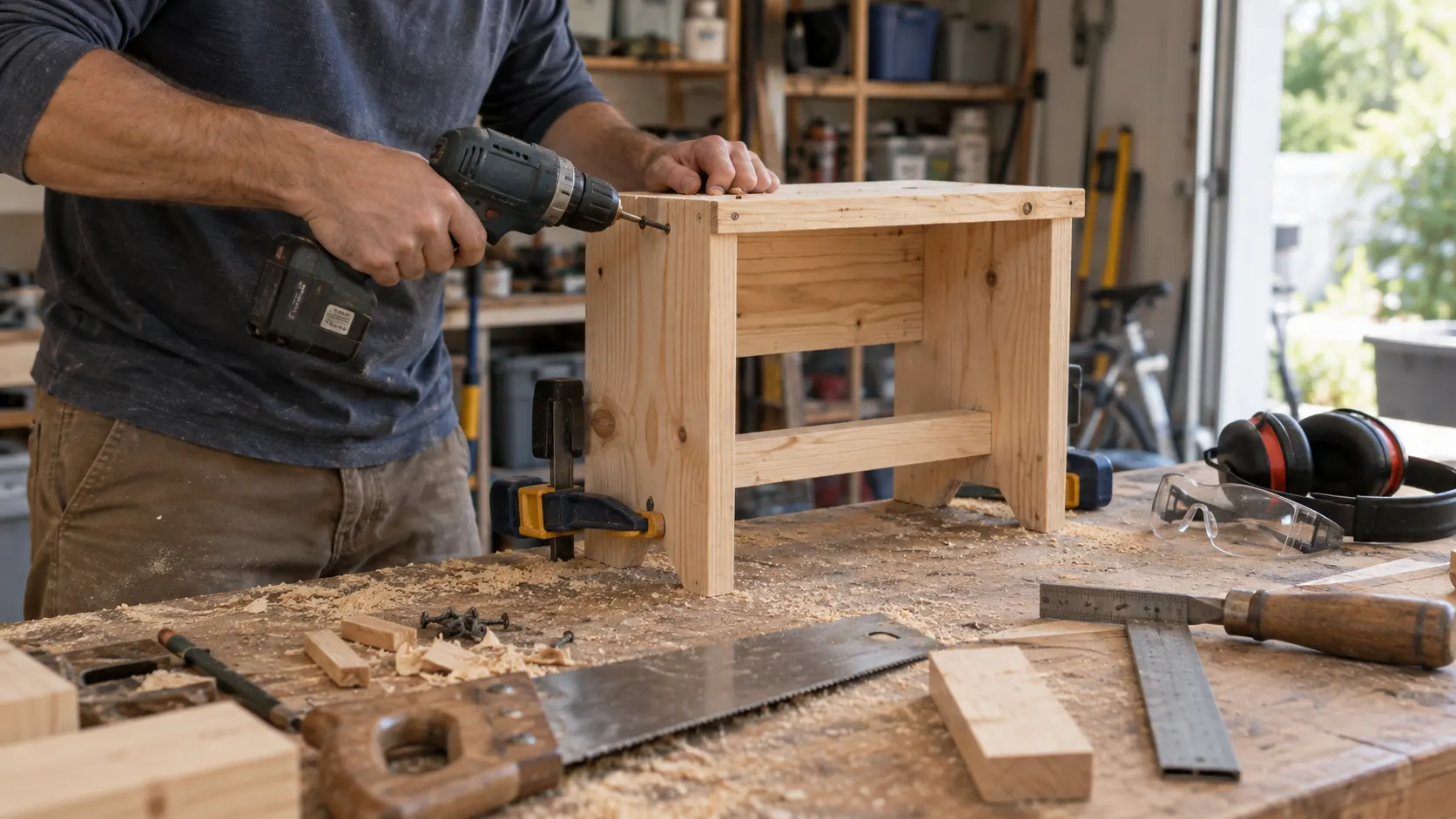
Woodworking
Turning boards into furniture, or, on your first attempt, into a wobbly cautionary tale.
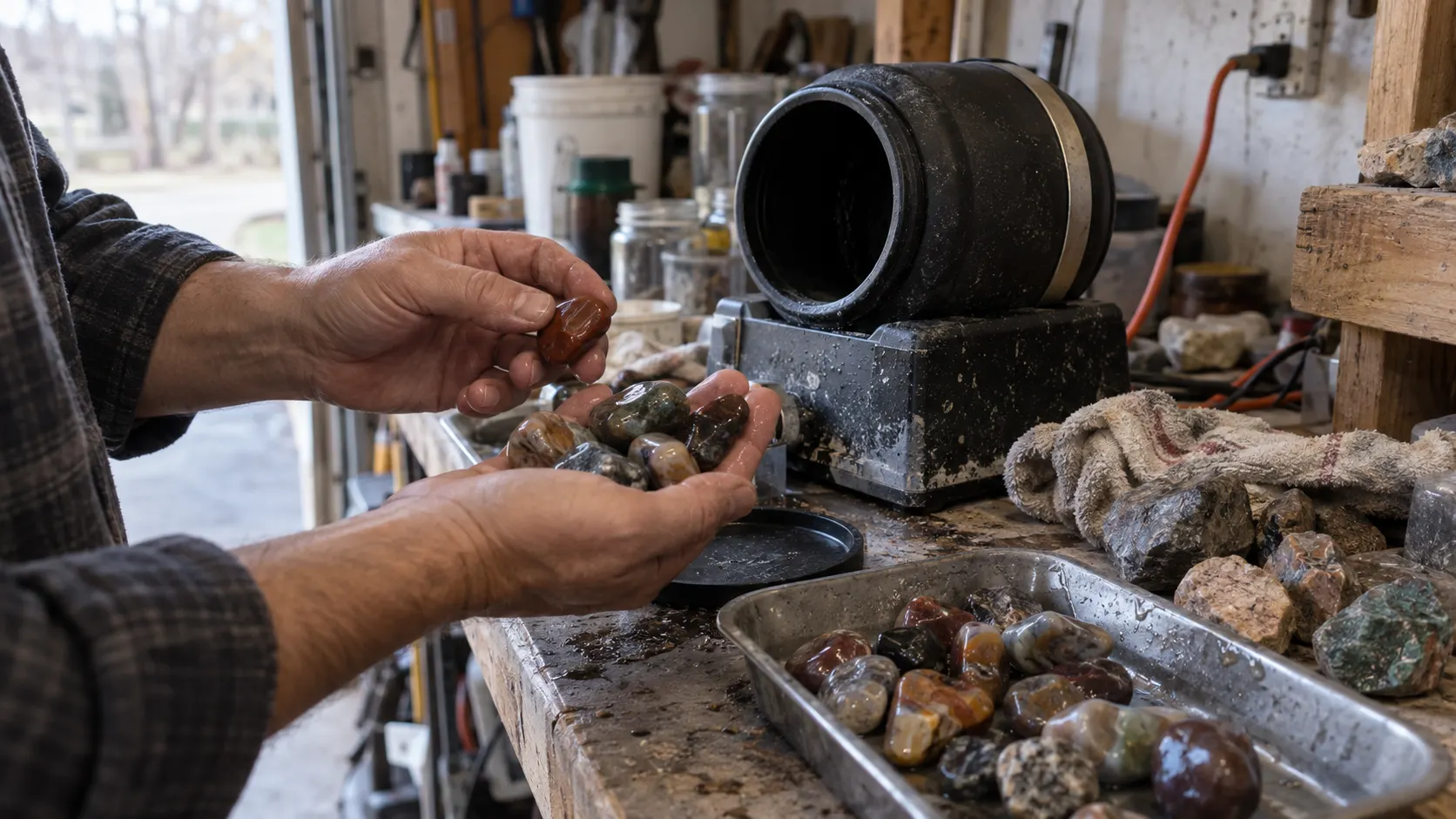
Rock Tumbling
Putting ugly rocks in a machine for a week so they come out looking expensive.