Bookbinding
Making the notebook before you even know what you're going to write in it.
- Cost to start
- ~$60 to start
- Learning curve
- 2 / 5
- Typical session
- 45-90 min
- Physical demand
- 1 / 10
- Social level
- 1 / 10
- Setting
- At home
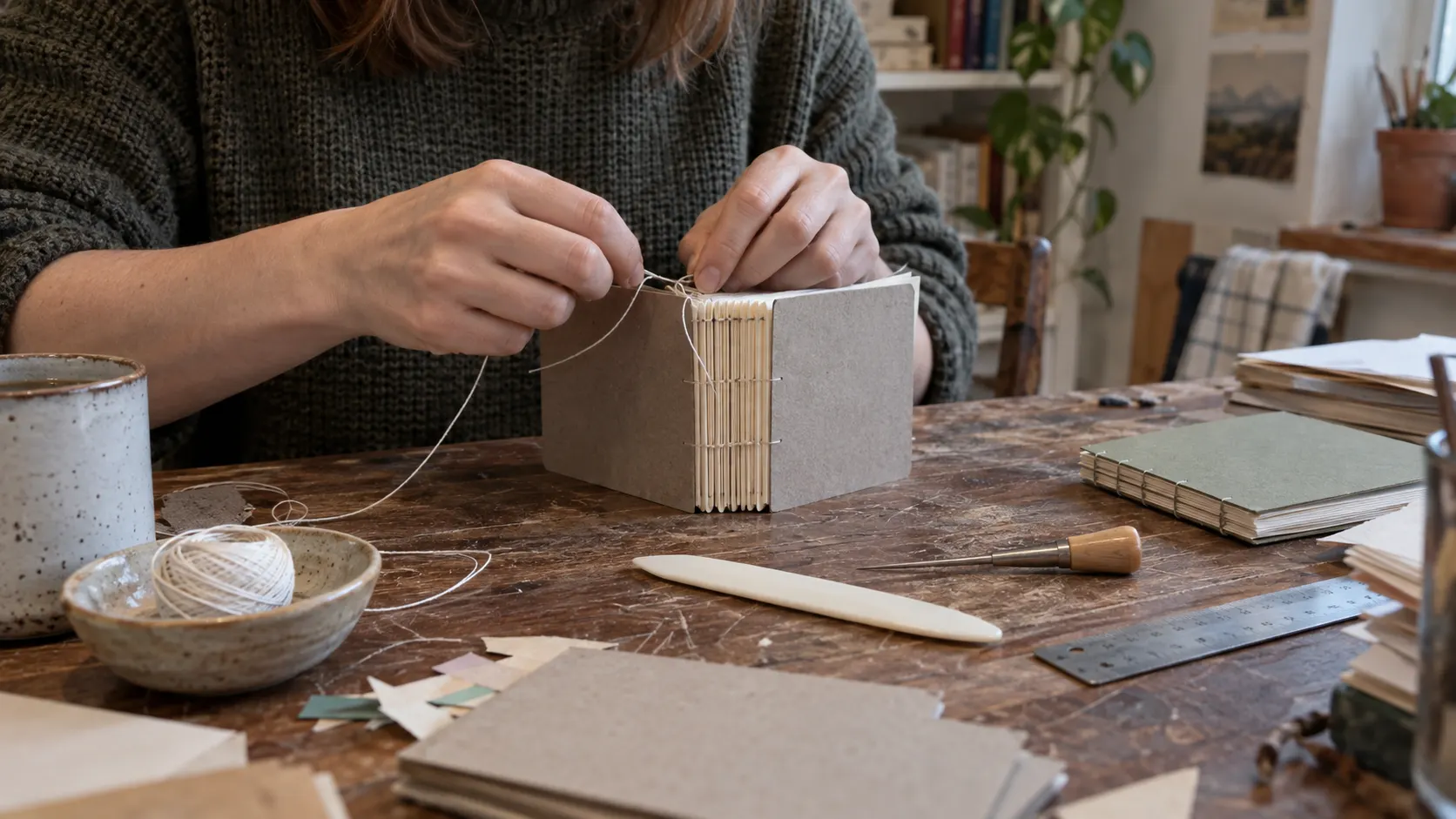
Bookbinding is making an actual physical book — folding, sewing, and binding pages into a cover — and it scales from a five-minute single-signature pamphlet stitch to elaborate leather-bound hardcovers. A huge share of beginner bookbinding is really just making notebooks and journals, which is both an accessible entry point and a genuinely useful thing to end up with.
What it costs
Bare-minimum start: about $15 — plain paper, a needle and thread, and a simple pamphlet stitch (a single-signature binding using just a few holes and one length of thread), using a household bone folder substitute like the back of a spoon.
Practical setup: about $60. That's a proper bone folder (for crisp, clean folds — the single most-used tool in bookbinding), bookbinding needles and waxed linen thread, an awl for piercing binding holes accurately, and a stack of good paper along with cover material like cardstock or thin board.
Optional later: a proper bookbinding press for flattening glued sections, leather or fabric for covers once you're doing hardcover bindings, specialty papers (marbled, decorative endpapers) once you know your aesthetic preferences, and bookbinding glue and a brush once you move beyond sewn-only bindings into glued spines. A cutting mat and a sharp craft knife are also worth adding once you're trimming paper or board to size regularly rather than relying on pre-cut sheets.
The one thing worth spending on early is a real bone folder — using a substitute works, but a proper folder makes crisp, accurate folds noticeably easier, and clean folds are foundational to a book actually looking intentional rather than homemade in the bad sense.
What to buy
A bone folder. An awl for piercing accurate, consistent holes for sewing. Bookbinding needles and waxed linen thread, stronger and less likely to fray than regular sewing thread. Paper for pages and a slightly heavier stock for covers.
Skip a bookbinding press before you've made several simple pamphlet-stitch books; it becomes useful once you're gluing spines or making multi-signature books, not before. Skip leather covers on your first several projects — cardstock or bookboard covered in decorative paper looks genuinely good and costs a fraction as much while you're learning basic technique.
How to start
Start with a single-signature pamphlet stitch notebook — fold a small stack of paper in half, mark and pierce a few evenly spaced holes along the fold, and sew through them in a simple repeating pattern. You don't need a press or elaborate materials for this first project.
Fold paper carefully along the same grain direction throughout a signature — folding against the paper's grain causes uneven, less crisp folds and can make pages sit awkwardly once bound. Practice your stitch pattern on scrap paper before committing to good paper, since consistent tension across all the holes is what makes a binding look clean rather than loose or puckered. The most common beginner mistake is pulling thread too tight or too loose inconsistently across a binding, which shows immediately once the book is closed and handled; even, moderate tension throughout is the actual skill being built here.
Is it for you?
Bookbinding suits people who like precise, methodical hand work and want a genuinely useful object — a real notebook or journal — at the end of a session. It rewards patience with measuring and folding more than any artistic skill. If you want fast results, even a simple book takes real careful setup time before the actual sewing begins. If you've ever wanted a notebook that's exactly the size, paper, and cover you want rather than whatever's on a store shelf, this hobby delivers that directly, and cheaply, from your first project onward.
Starter gear
Soft suggestions to get going. These are affiliate links — buying through one may earn us a commission at no extra cost to you.
Tagged
More like this
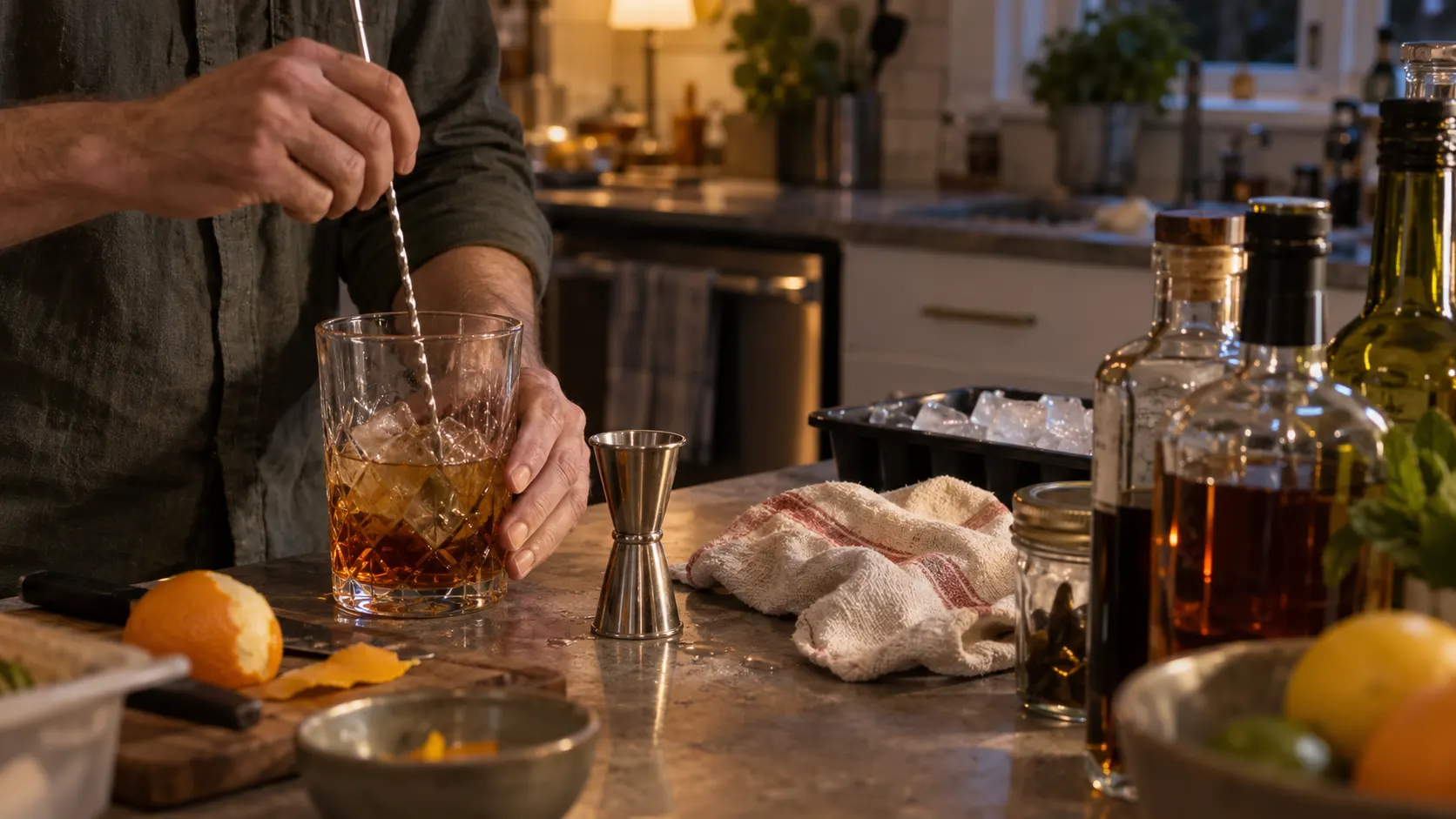
Mixology
Measuring liquids precisely so that later you can drink them less precisely.
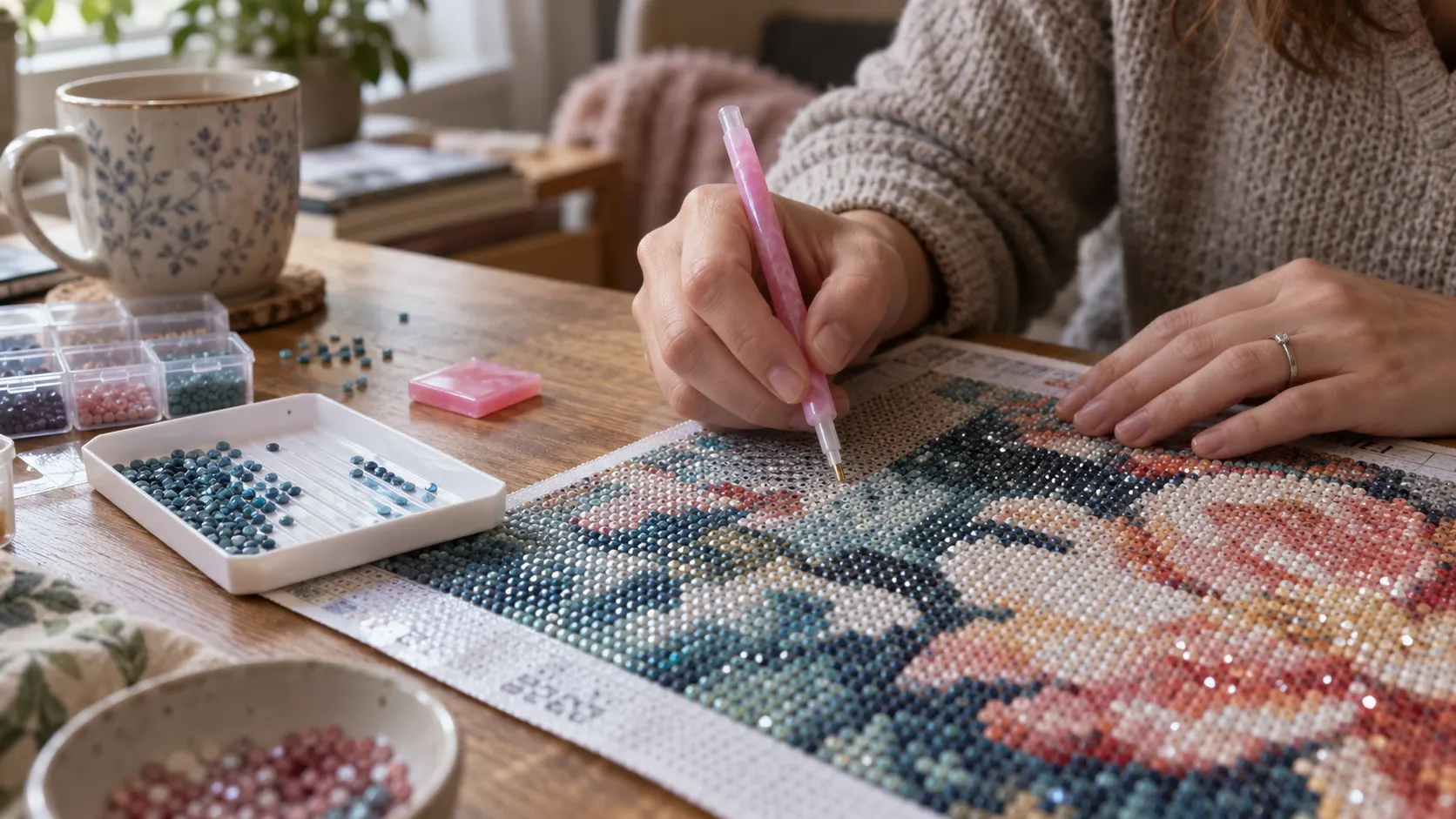
Diamond Art
Paint by numbers for people who found paint by numbers insufficiently sparkly.
Pearl Art
Diamond art's quieter cousin, for people who think glitter is a little much.
Woodworking
Turning boards into furniture, or, on your first attempt, into a wobbly cautionary tale.
Rock Tumbling
Putting ugly rocks in a machine for a week so they come out looking expensive.