
Building Miniature Houses
Building a house you will never have to pay a mortgage or a plumber for.
- Cost to start
- ~$90 to start
- Learning curve
- 3 / 5
- Typical session
- 60–120 min
- Physical demand
- 2 / 10
- Social level
- 1 / 10
- Setting
- At home
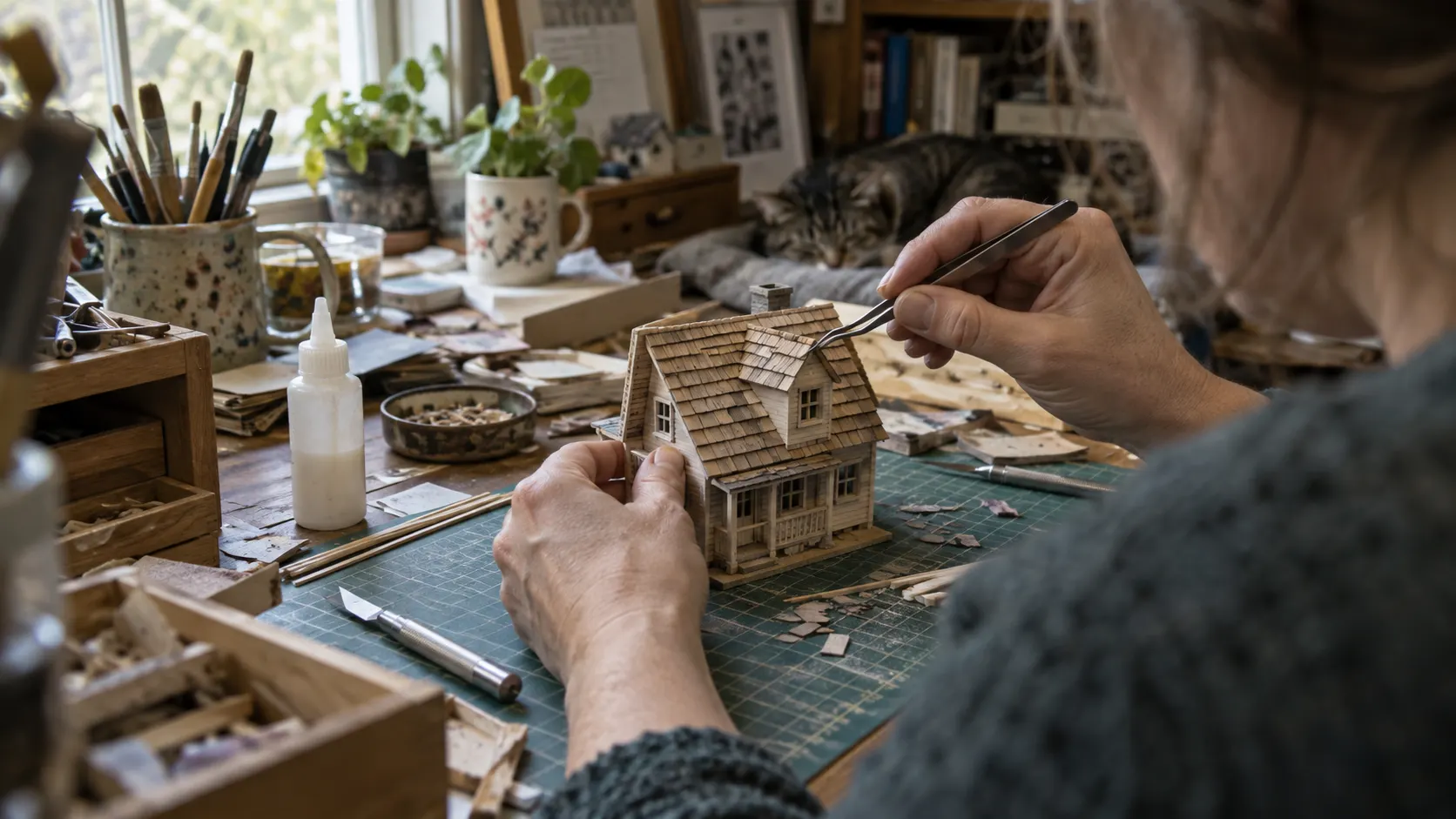
Building miniature houses sounds like a niche within a niche, but it's really just model-making with better resale value on the results — a finished dollhouse or room box is something people genuinely display, not something that goes in a drawer. The scale (usually 1:12) is small enough to fit on a shelf and large enough that your hands can actually work with the pieces.
What it costs
Bare-minimum start: about $25 — a small pre-made room box kit (a single miniature room rather than a full house) using tools you probably already own, like scissors and household glue. This is genuinely enough to learn the basic techniques — flooring, wallpaper, tiny furniture placement — before committing to a full house.
Practical setup: about $90. That's a beginner wooden dollhouse kit, unfinished and unassembled in 1:12 scale (~$50, Greenleaf is the standard beginner brand), a basic hobby tool kit — craft knife, sandpaper, small clamps (~$20) — and finishing supplies: wood glue, a starter paint set, and a couple of brushes (~$20).
Optional later: miniature furniture kits, working LED lighting wired into the walls, and landscaping or exterior materials — these add up fast and are genuinely a separate, ongoing cost once the basic shell is built and painted.
There's no real recurring cost to the building itself once a kit is finished — the ongoing spending, if any, is entirely optional decor and furnishing, which you can add slowly over months rather than all at once.
What to buy
A beginner wooden dollhouse kit specifically labeled for first-timers — these come pre-cut and numbered, which matters a lot for a first build. A craft knife and sandpaper for cleaning up laser-cut or die-cut edges, since kit pieces rarely fit perfectly straight from the box. Wood glue rather than a hot glue gun for structural joins — it dries stronger and gives you time to adjust a piece before it sets. A basic paint set for interior walls and trim.
Skip buying furniture kits or electrical lighting components before the shell itself is built and stable — many beginners buy the fun decorative parts first and then get stuck on basic assembly with a box of tiny chairs waiting. You can also borrow basic tools — a craft knife, clamps — from a household toolbox before buying a dedicated hobby set, as long as the blade is sharp enough for clean cuts.
How to start
Start with the smallest room box or kit you can find rather than a full multi-room house. You don't need furniture, wiring, or landscaping materials yet.
Dry-fit every piece — assemble it without glue first — before committing to a permanent joint, since kit instructions sometimes assume an order that doesn't match how the pieces actually sit together. Work in short sessions of an hour or two; glue needs real time to cure between steps, and rushing a still-wet joint to move to the next wall is the fastest way to end up with a crooked house. The most common beginner mistake is gluing walls together before painting the interior, which makes corners and tight spots almost impossible to reach with a brush afterward — paint or wallpaper interior surfaces before final assembly wherever you can. A second common mistake is forcing a piece that doesn't fit instead of sanding it down — kit pieces are cut close to size, not loosely, so a little resistance is normal, but real force usually means something's misaligned.
Is it for you?
Building miniature houses suits people who like precise, fiddly work and don't mind a project that takes weeks rather than one afternoon — a full dollhouse is genuinely a multi-session commitment. It rewards patience with glue-drying time more than natural craft skill. If you want fast, visible progress every session, it'll frustrate you; if you like a slow, detailed build you can pick back up any evening, it's a satisfying one to keep coming back to.
Starter gear
Soft suggestions to get going. These are affiliate links — buying through one may earn us a commission at no extra cost to you.
Tagged
More like this
Mixology
Measuring liquids precisely so that later you can drink them less precisely.
Diamond Art
Paint by numbers for people who found paint by numbers insufficiently sparkly.
Pearl Art
Diamond art's quieter cousin, for people who think glitter is a little much.
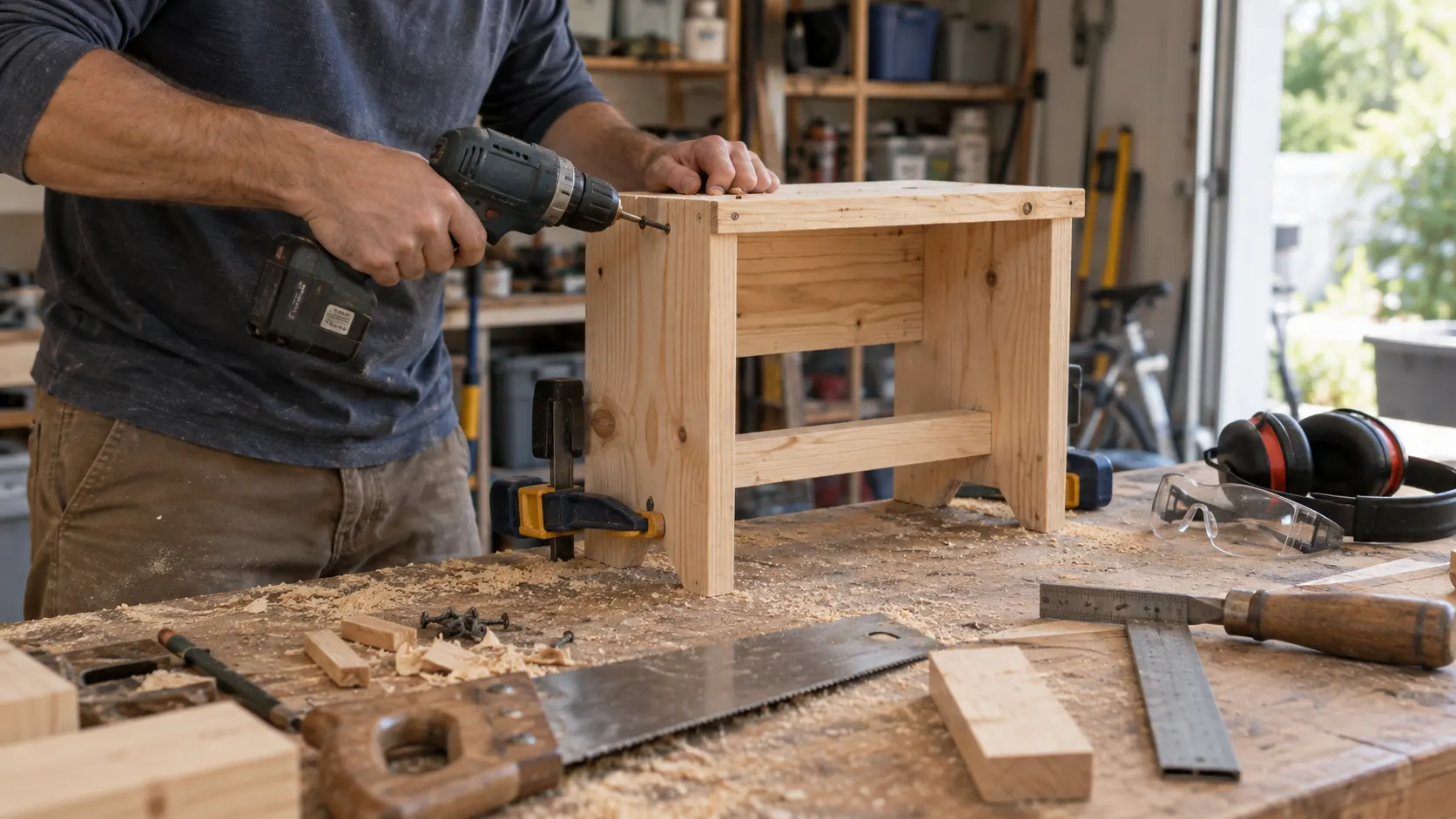
Woodworking
Turning boards into furniture, or, on your first attempt, into a wobbly cautionary tale.
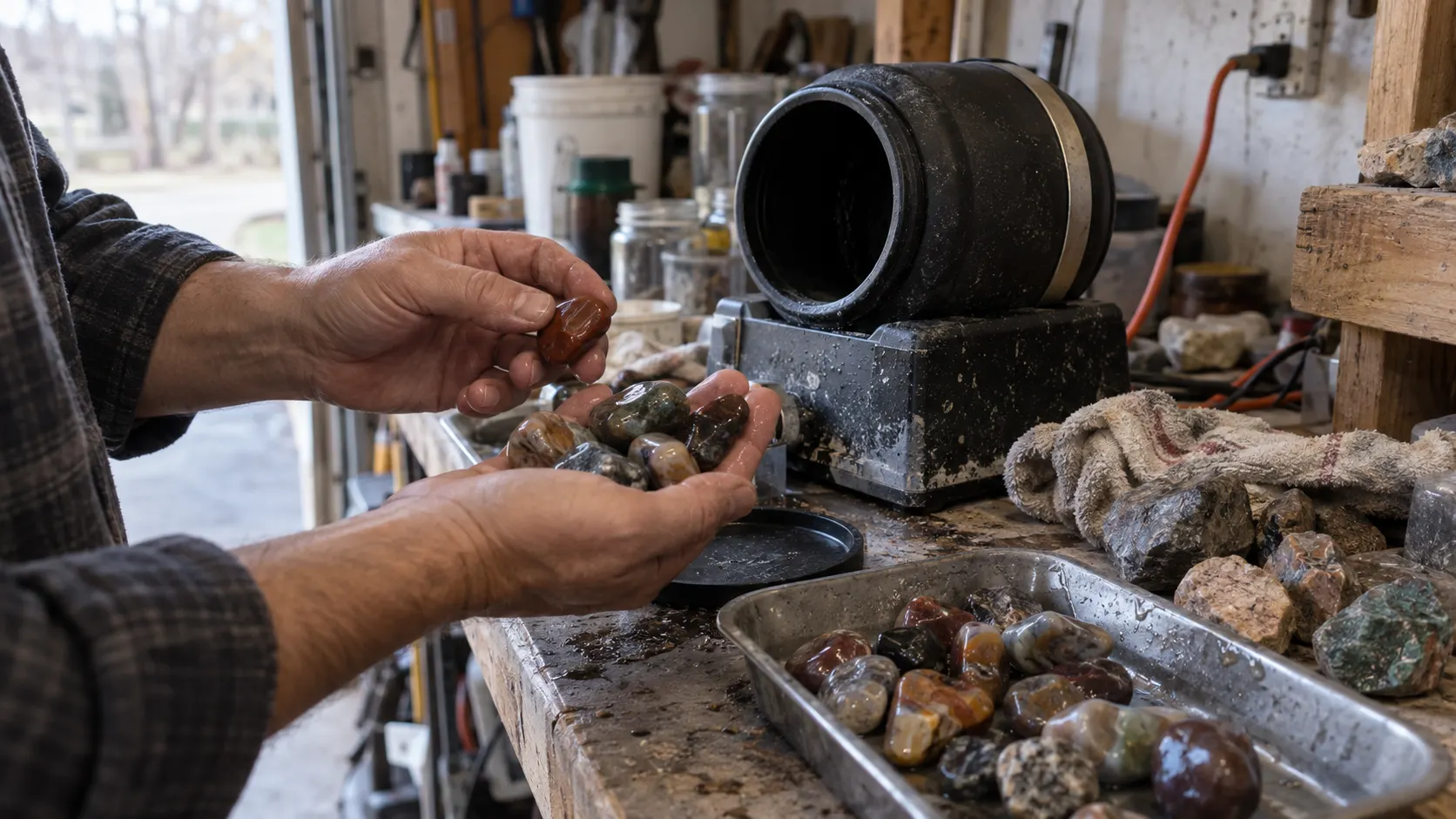
Rock Tumbling
Putting ugly rocks in a machine for a week so they come out looking expensive.