Cooking
Turning raw ingredients into dinner, and occasionally into a genuine cry for help.
- Cost to start
- ~$120 to start
- Learning curve
- 2 / 5
- Typical session
- 30-60 min
- Physical demand
- 2 / 10
- Social level
- 2 / 10
- Setting
- At home
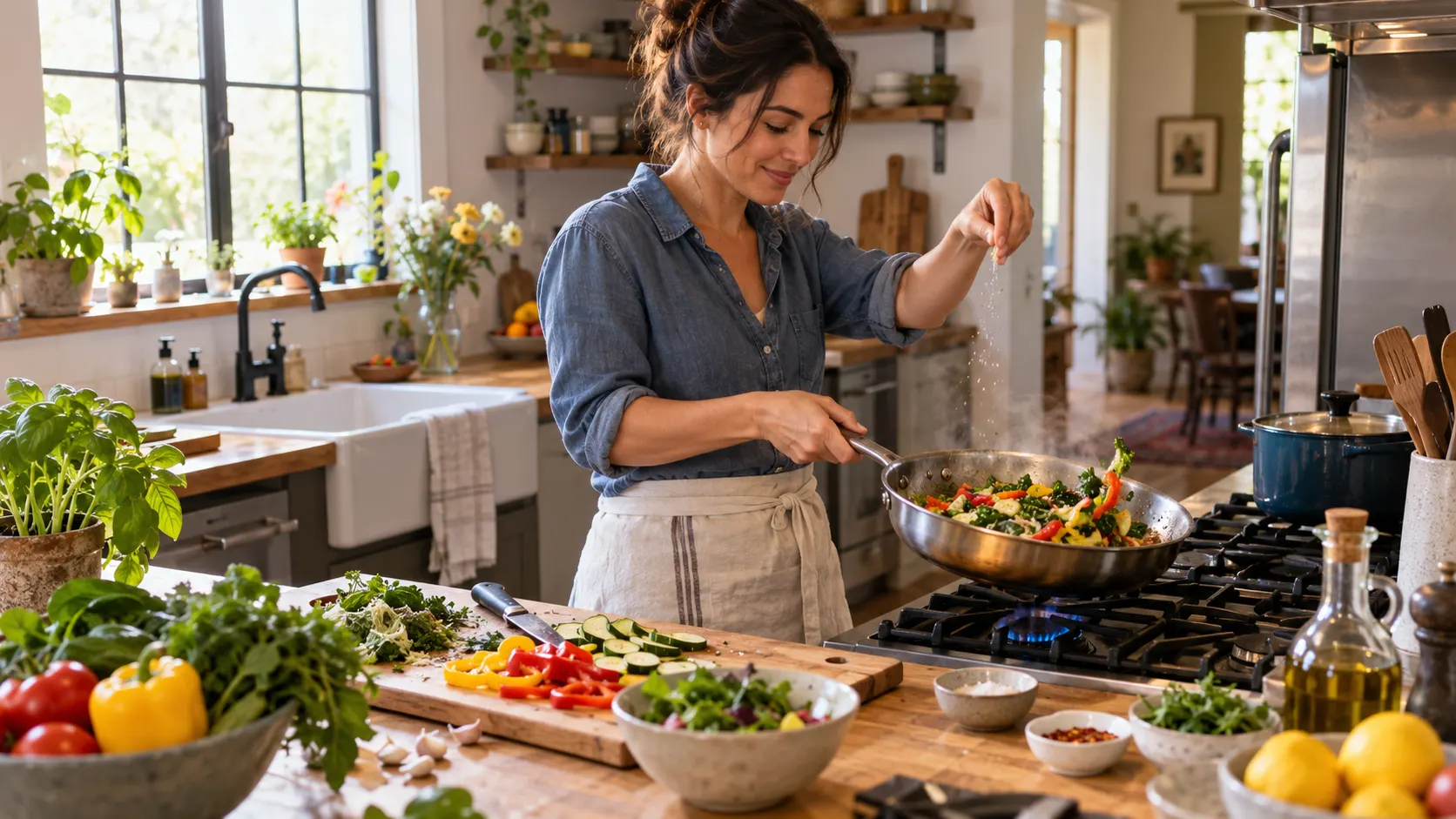
Cooking as a hobby is different from cooking as a chore — the difference is whether you're making the fastest edible thing possible or actually paying attention to what you're doing and why. Almost everyone already cooks out of necessity; turning it into a hobby mostly means slowing down, picking techniques on purpose, and caring about the results instead of just getting fed.
What it costs
Bare-minimum start: $0 — you likely already own a pan, a knife, and a stove, and a huge range of real cooking skill-building needs nothing beyond ingredients you were buying anyway.
Practical setup: about $120. That's one genuinely good chef's knife (a sharp, comfortable knife does more for your cooking than almost any other single purchase), a solid cutting board, and one versatile pan — a 10-12 inch stainless or cast iron skillet covers a huge share of everyday cooking. A digital kitchen scale is a smaller but surprisingly high-impact addition for consistent results, especially in baking-adjacent cooking.
Optional later: a Dutch oven for braises and soups, a decent set of mixing bowls and measuring tools if you're still using mismatched kitchen odds and ends, and specialty pans (a wok, a griddle) once you know which cuisines you gravitate toward.
The one thing worth spending on is a real chef's knife and keeping it actually sharp — a dull knife is both more dangerous (it slips instead of cutting cleanly) and makes prep work feel like a chore, which kills momentum faster than almost anything else. Ongoing costs are just ingredients, which you're already buying regardless.
What to buy
One good chef's knife, sized comfortably to your hand — a mid-range option performs nearly as well as an expensive one and matters more for how it's maintained than what it cost. A sturdy cutting board. One versatile skillet you'll reach for constantly. A digital kitchen scale, genuinely underrated for consistency.
Skip buying a full matched cookware set — most people end up using two or three pans regularly and the rest sits unused. Skip specialty single-use gadgets (an avocado slicer, a strawberry huller) until you know you actually cook that specific thing often enough to justify a drawer slot.
How to start
Start by picking one dish you genuinely want to eat and cooking it properly, following a real recipe closely rather than improvising, even if you already sort-of know how. You don't need specialty equipment yet — most classic dishes are built around a knife, a pan, and heat control.
Read the entire recipe before starting, not just the next step as you go — a lot of kitchen stress comes from discovering step six needs something you haven't prepped by step three. Practice basic knife cuts (a simple dice, a rough chop) deliberately rather than rushing; knife comfort improves fast with attention and is the single most transferable skill across every cuisine. Taste as you go and adjust seasoning in stages rather than all at once at the end — under-seasoned food is the most common reason a technically correct dish still tastes flat. The most common beginner mistake is overcrowding a pan, which traps steam and stops browning — cook in batches if a recipe calls for more food than comfortably fits with space between pieces.
Is it for you?
Cooking suits people who like a hobby with an immediate, edible reward and plenty of room to specialize — a technique, a cuisine, a specific dish you chase for years. It rewards attention and repetition more than natural talent; the difference between a mediocre and a great home cook is almost entirely practice and paying attention. If you want a hobby that's separate from daily obligations, cooking blurs into "just making dinner" more than most hobbies here, which some people find grounding and others find hard to separate from chores. If you've ever actually enjoyed the process of making a meal rather than just eating it, there's a lot of room to go deeper.
Starter gear
Soft suggestions to get going. These are affiliate links — buying through one may earn us a commission at no extra cost to you.
Tagged
More like this
Mixology
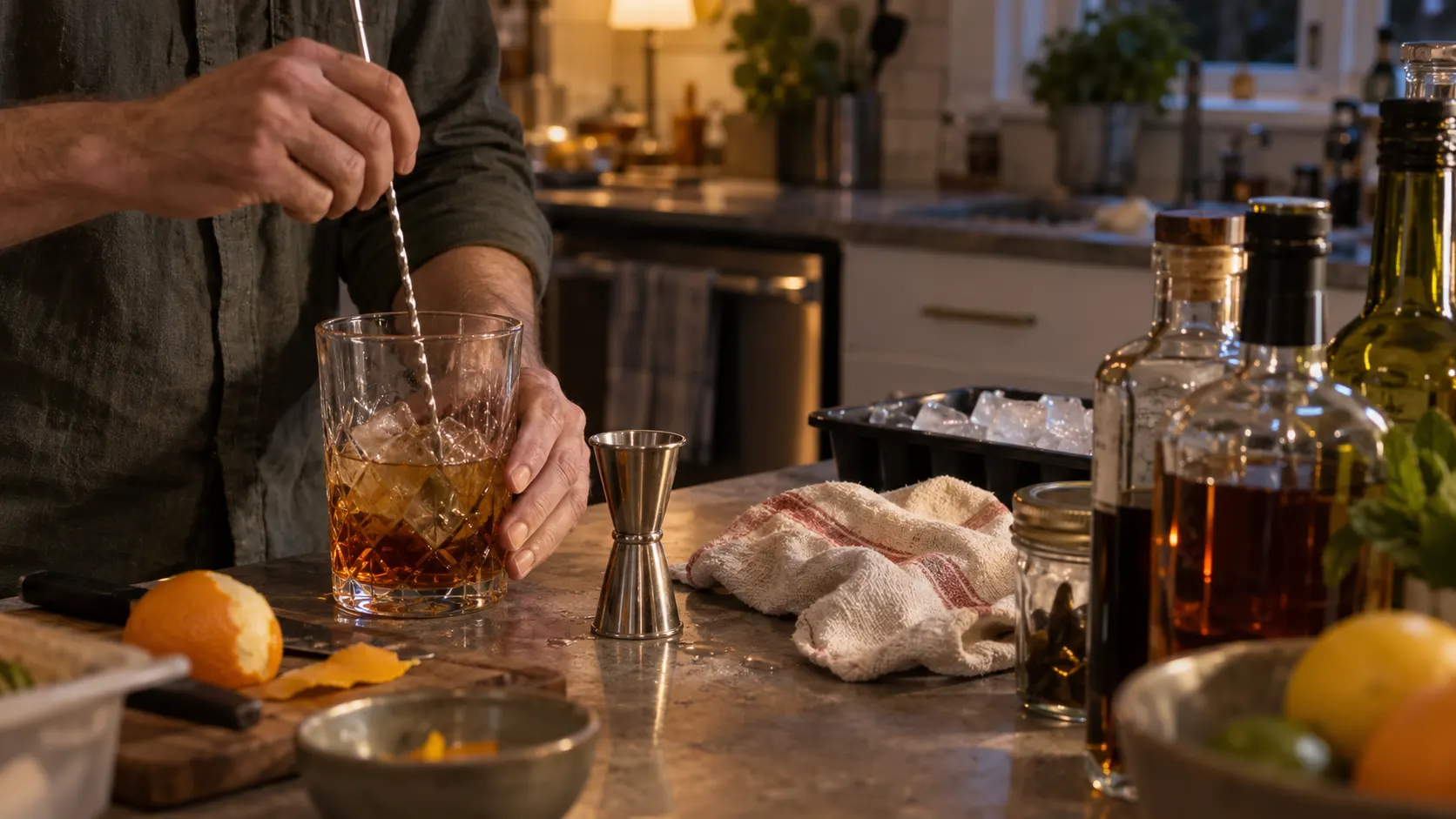
Measuring liquids precisely so that later you can drink them less precisely.
Diamond Art
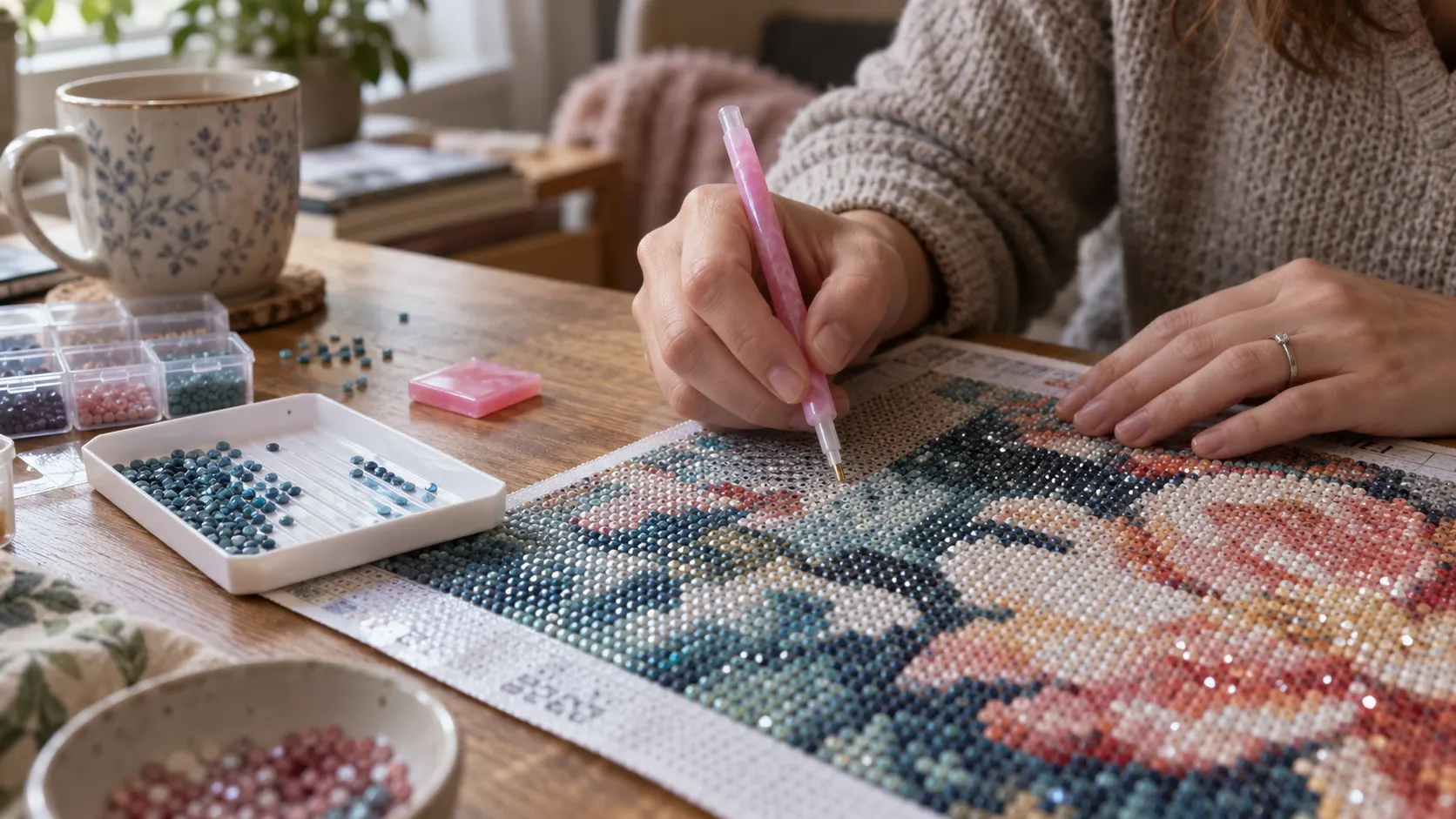
Paint by numbers for people who found paint by numbers insufficiently sparkly.
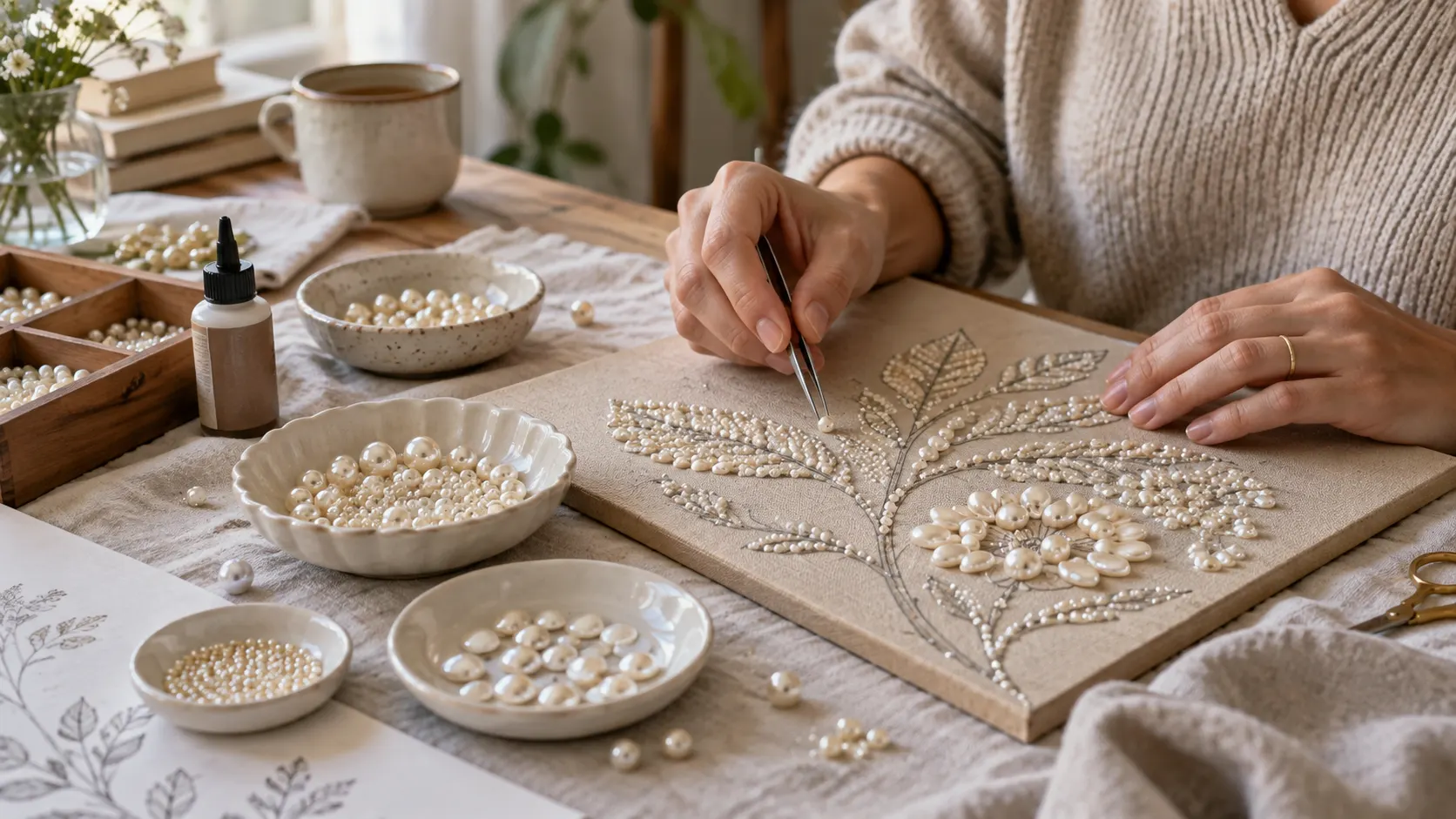
Pearl Art
Diamond art's quieter cousin, for people who think glitter is a little much.
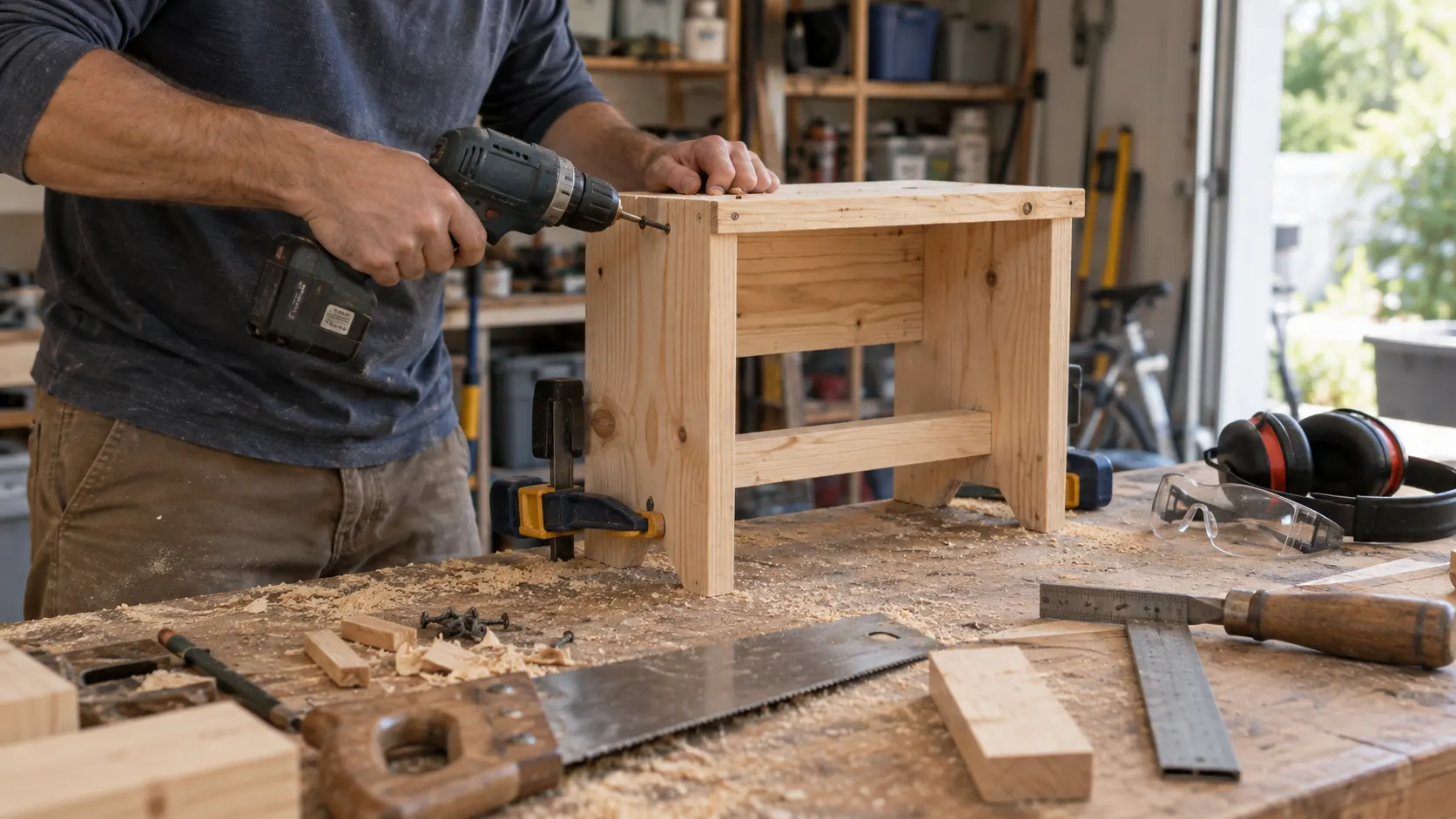
Woodworking
Turning boards into furniture, or, on your first attempt, into a wobbly cautionary tale.
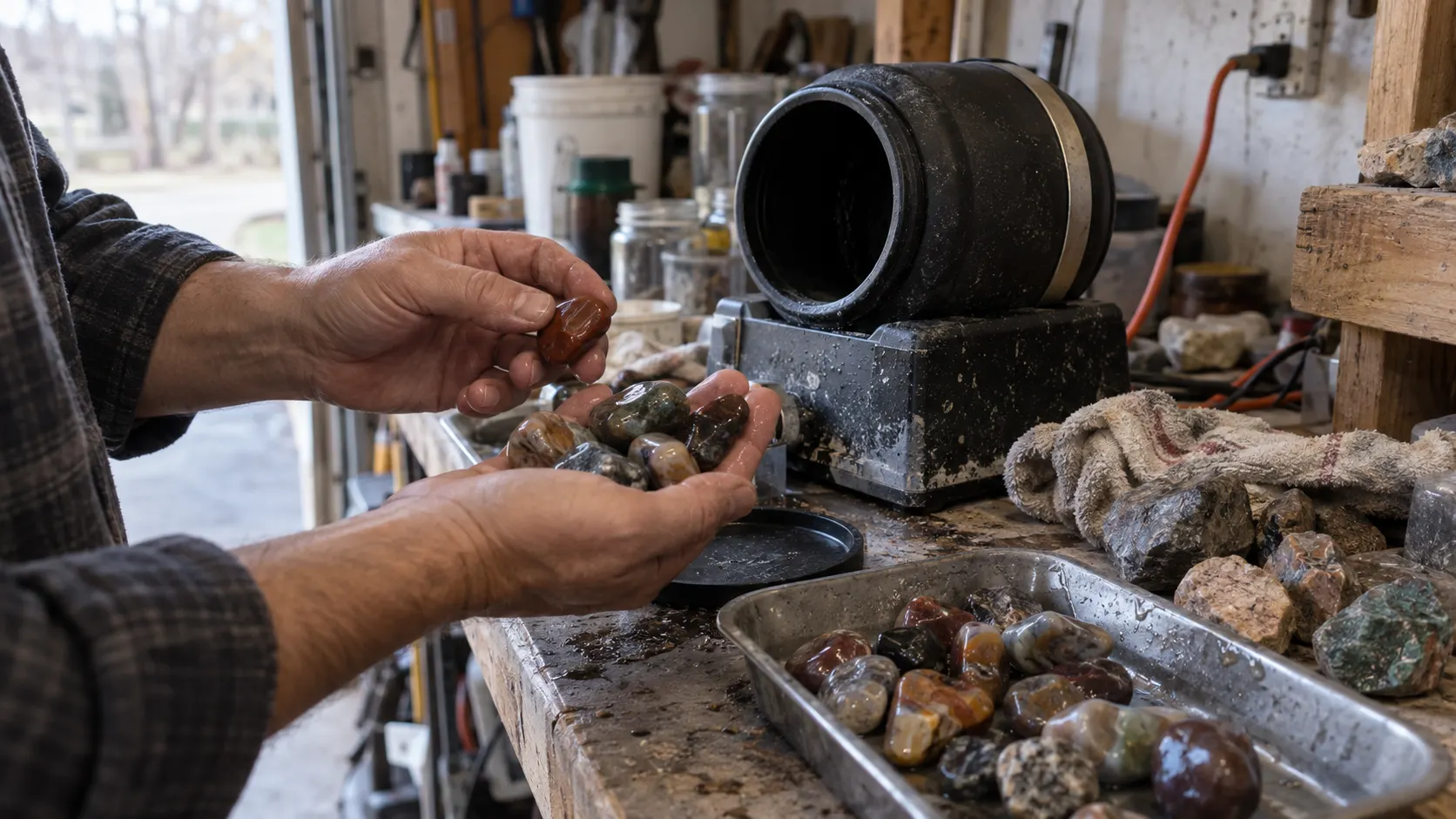
Rock Tumbling
Putting ugly rocks in a machine for a week so they come out looking expensive.