
Gardening
Slow-motion parenting for something that can't complain about your methods out loud.
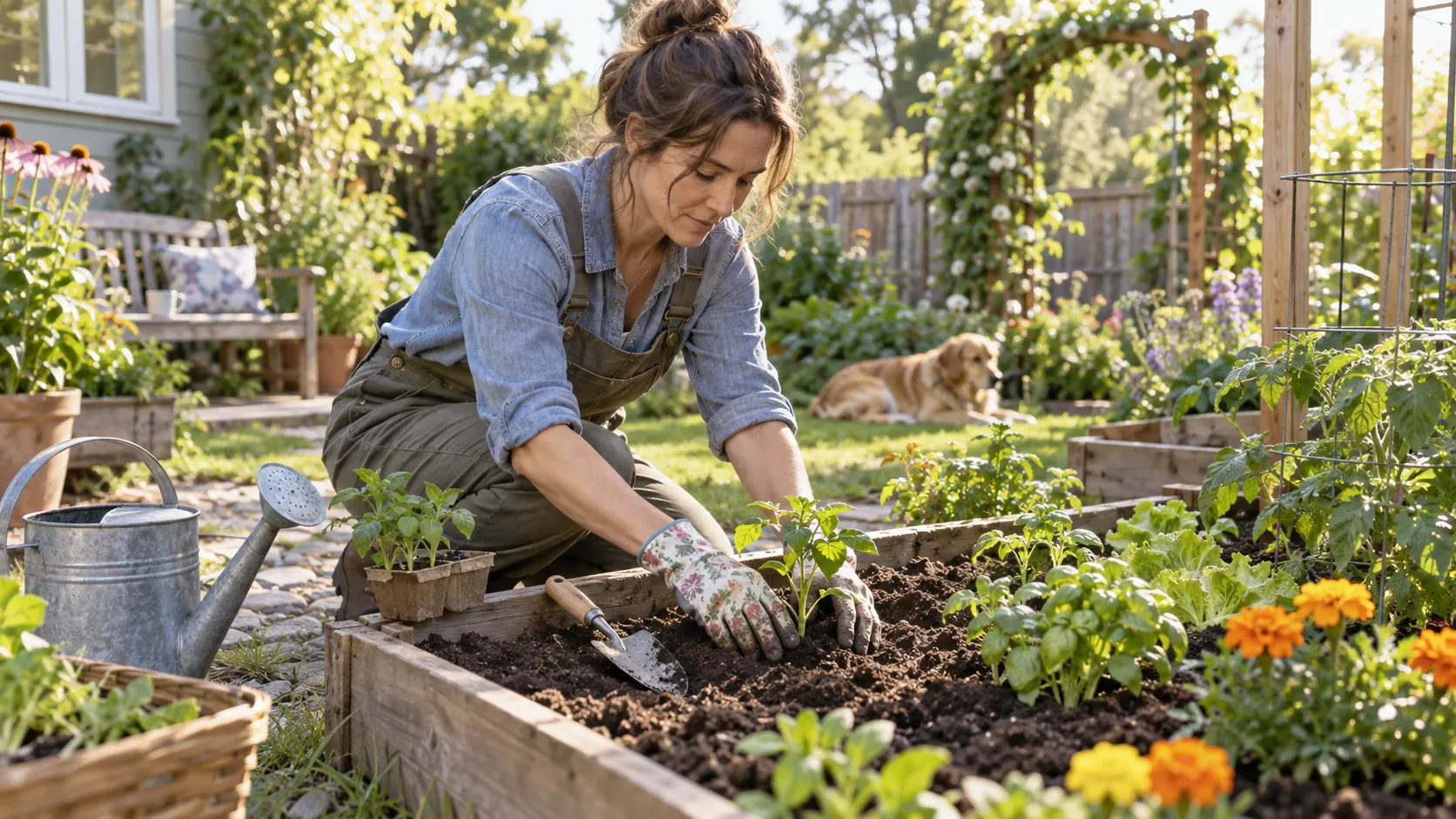
- Cost to start
- ~$60 to start
- Learning curve
- 2 / 5
- Typical session
- 30-60 min
- Physical demand
- 4 / 10
- Social level
- 2 / 10
- Setting
- Outdoors
Gardening has a reputation for demanding a green thumb you were either born with or weren't, which is mostly nonsense — most gardening failure is just overwatering and impatience. It scales from a single pot on a windowsill to an actual yard project, and you can start about as small or as chaotic as you want.
What it costs
Bare-minimum start: about $15 — a packet or two of easy seeds (marigolds, sunflowers, lettuce) and a repurposed container like a yogurt tub or a coffee can with drainage holes poked in the bottom, using soil and a sunny spot you already have. This genuinely works for learning the basics.
Practical setup: about $60. That's a small set of hand tools (trowel, hand fork, pruning snips), a pair of gardening gloves, a few seed packets or starter plants, and a bag of basic potting or garden soil amendment. If you want an easy, low-maintenance entry into outdoor gardening specifically, a "chaos garden" — scattering a wildflower or mixed-vegetable seed blend over a patch of dirt and letting it sort itself out with minimal weeding or spacing — is a genuinely legitimate, low-effort way to start outdoors without any design pressure.
Optional later: a raised garden bed kit, a proper watering can or drip irrigation timer, and a wheelbarrow once you're moving soil or mulch in any real volume.
The one thing worth spending on is decent gloves and a good trowel — cheap versions of both break or blister your hands within a season. Ongoing costs are mostly seeds, occasional soil amendment, and water, none of which add up to much.
What to buy
A basic hand tool set — trowel, hand fork, and pruning snips cover almost everything a beginner needs. Gardening gloves, sized to actually fit rather than the first pair on the shelf. A few seed packets or starter plants suited to your climate and how much sun your space gets; a wildflower or "chaos garden" mix is a solid, nearly foolproof first outdoor project.
Skip buying raised bed kits or irrigation systems before your first season — get a sense of what actually grows in your space and how much time you enjoy spending on it first. Skip fertilizer and specialty soil amendments at the very start; most beginner plants do fine in ordinary garden soil or basic potting mix.
How to start
Start with a few easy, forgiving plants — marigolds, sunflowers, mint, or lettuce — in a small bed or container. You don't need raised beds or irrigation systems yet.
Check how much direct sun your spot actually gets before choosing plants; this single factor causes more beginner failures than anything about watering technique. Water when the top inch of soil feels dry rather than on a fixed daily schedule — overwatering kills far more beginner plants than underwatering does. Expect real results within a few weeks for fast growers like lettuce or marigolds, and check in every day or two rather than once a week, since small plants can dry out or get leggy fast if ignored. The most common beginner mistake is overcrowding — planting seeds too close together because a bare patch of soil looks disappointing on day one, which leaves everything competing for light and water later.
Is it for you?
Gardening suits people who like a slow, visible payoff and don't mind checking on something daily without instant results. It rewards patience and consistency more than any particular skill. If you want quick gratification, most plants take weeks to show real progress, which can feel discouraging early on. If you like the idea of a living project that changes a little every day and gives you an excuse to be outside, it's one of the most durable hobbies there is — most people who stick with a season keep going indefinitely.
Starter gear
Soft suggestions to get going. These are affiliate links — buying through one may earn us a commission at no extra cost to you.
Tagged
More like this
Mixology
Measuring liquids precisely so that later you can drink them less precisely.
Diamond Art
Paint by numbers for people who found paint by numbers insufficiently sparkly.
Pearl Art
Diamond art's quieter cousin, for people who think glitter is a little much.
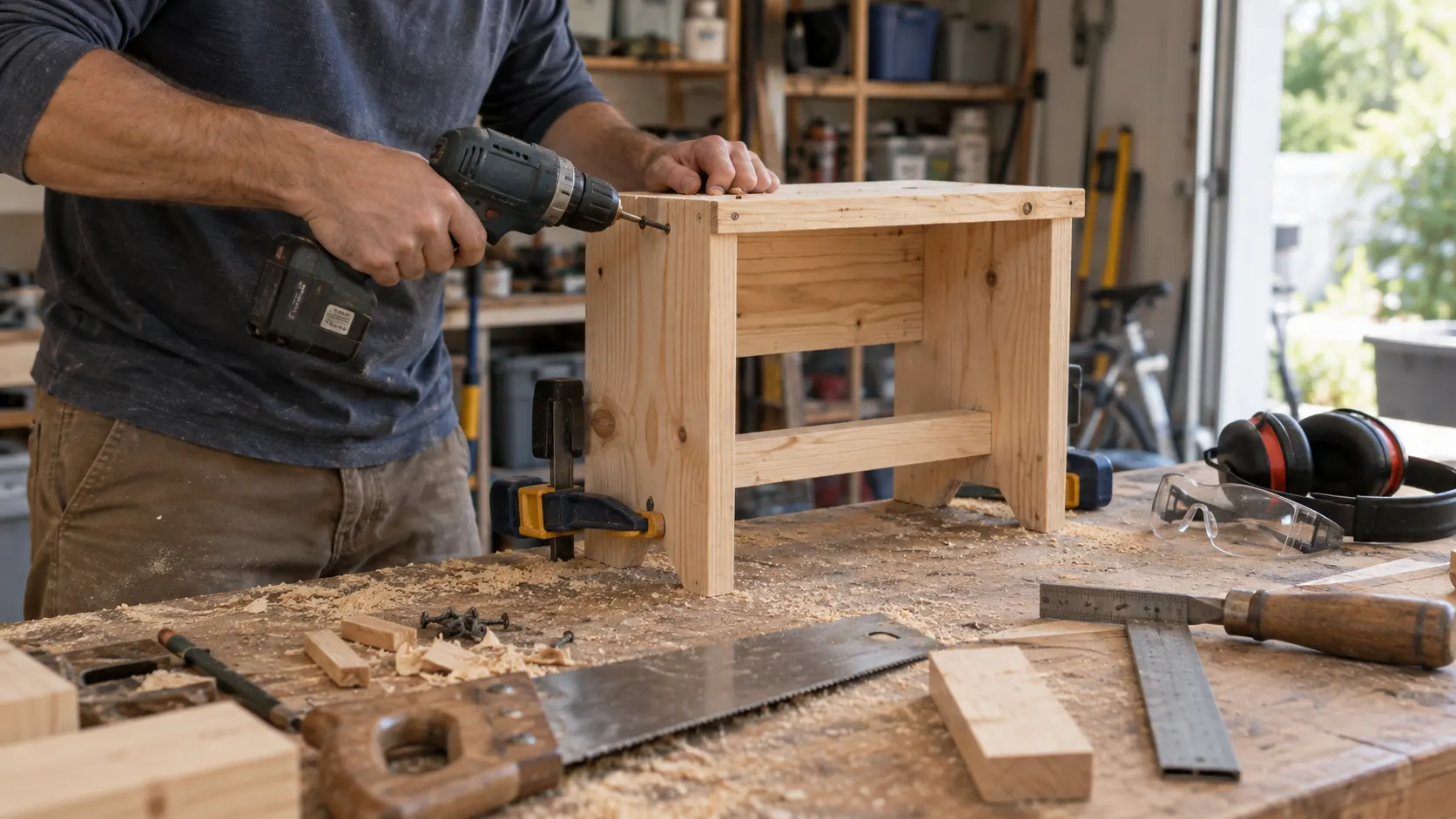
Woodworking
Turning boards into furniture, or, on your first attempt, into a wobbly cautionary tale.
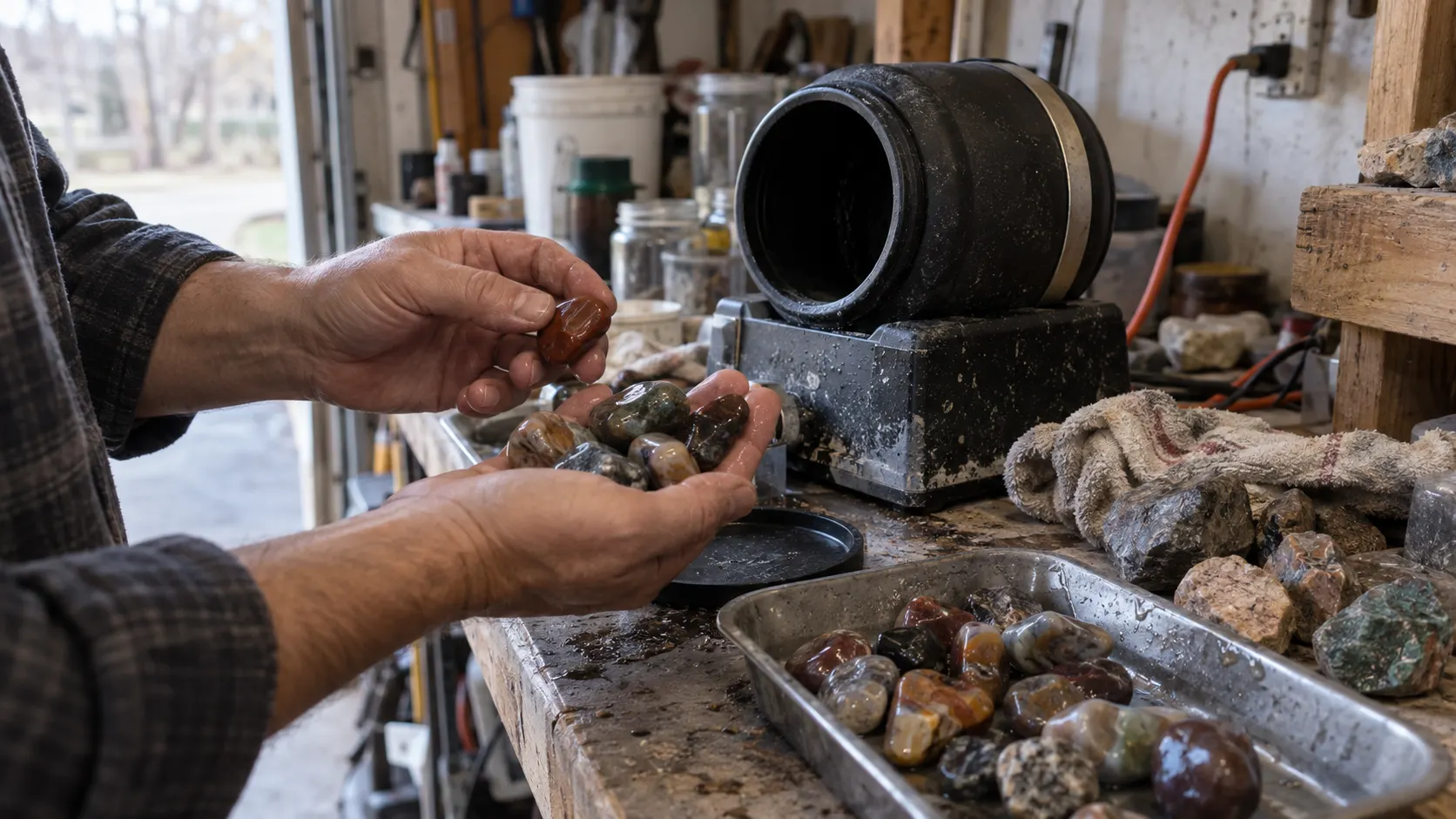
Rock Tumbling
Putting ugly rocks in a machine for a week so they come out looking expensive.