
Gemology
Learning to tell a real gem from a very convincing rock, one loupe squint at a time.
- Cost to start
- ~$80 to start
- Learning curve
- 4 / 5
- Typical session
- 30-60 min
- Physical demand
- 1 / 10
- Social level
- 1 / 10
- Setting
- At home
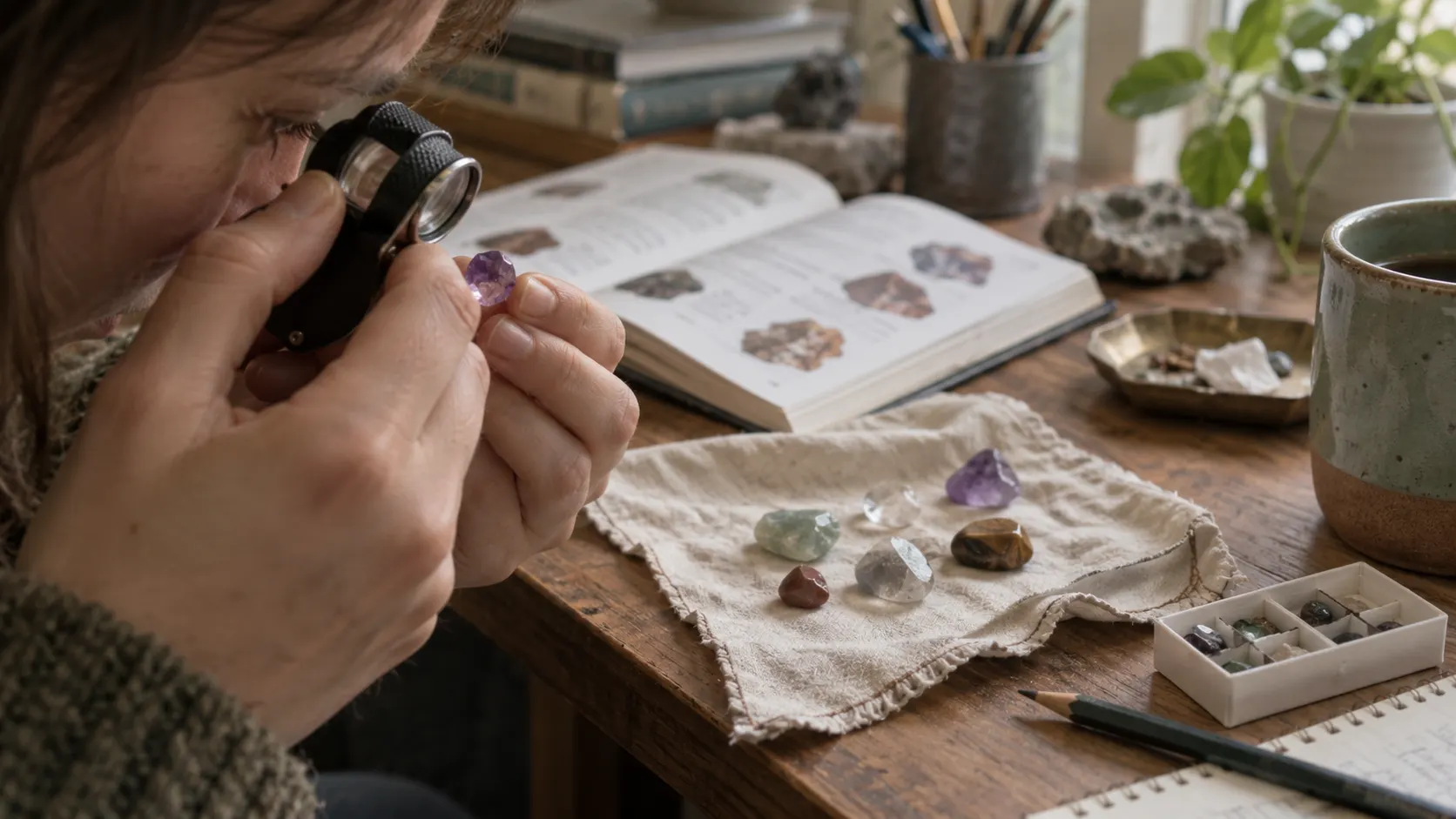
Gemology is the study of gemstones — how they're identified, graded, and told apart from convincing imitations. It's less about owning a big collection and more about developing a genuinely useful skill: knowing what you're looking at, whether that's your own jewelry, a flea market find, or a stone someone's trying to sell you as something it isn't.
What it costs
Bare-minimum start: about $25 — a jeweler's loupe (a small magnifying lens) and a basic gemstone identification guide or app, practiced on jewelry you already own or affordable tumbled stones from a rock shop.
Practical setup: about $80. That's a proper 10x achromatic loupe (corrects color distortion that cheaper loupes introduce, which matters for accurate observation), a small set of reference stones covering common gems, and a basic field guide covering identification characteristics — color, clarity, common inclusions, and simple tests like specific gravity.
Optional later: a refractometer (measures how light bends through a stone, a genuine identification tool used by professionals), a polariscope for checking optical properties, a digital gram scale for weighing loose stones precisely, and formal certification coursework through organizations like GIA if you want to take this toward appraisal work rather than keeping it a hobby. Some hobbyists also pick up a UV flashlight, since certain gems and their common imitations fluoresce differently under ultraviolet light, which is a cheap and surprisingly useful extra data point.
The one thing worth spending on is a real achromatic loupe rather than a cheap toy one — color accuracy matters enormously in gem identification, and a distorting lens will actively mislead you rather than just being a minor inconvenience.
What to buy
A 10x achromatic loupe, the single most-used tool in the hobby. A small reference set of common gemstones (or affordable substitutes) to practice identification technique on. A field guide or app covering basic identification tests — color, luster, hardness, common inclusions.
Skip expensive lab equipment (refractometers, polariscopes) before you've spent real time with a loupe and reference materials; those tools solve problems you won't recognize as problems yet. Skip buying "investment grade" stones as a beginner; practice stones or your own existing jewelry teach identification just as well at a fraction of the cost.
How to start
Start by examining jewelry you already own with your loupe, comparing what you observe against a basic identification guide's descriptions of color, clarity, and common inclusions for that stone type. You don't need reference stones or advanced tools yet for this first pass.
Learn a handful of basic, non-destructive tests first: how a stone reacts to light, common inclusion patterns for popular gems, and rough hardness behavior — a real gemologist relies on careful observation more than any single flashy test. Take your time; rushing an identification is the fastest way to a wrong conclusion, and careful, slow observation is genuinely the core skill being built. The most common beginner mistake is trusting a single characteristic (just color, for instance) to identify a stone, when real identification comes from combining several observations together — color alone is one of the least reliable indicators on its own.
Is it for you?
Gemology suits people who like careful, detail-oriented observation and enjoy the satisfaction of correctly identifying something. It rewards patience and methodical practice more than any innate eye — the skill builds steadily with deliberate study. If you want a fast, casual hobby, gemology's actual skill-building is slow and detail-heavy by nature. If you've ever wondered whether a piece of jewelry is what it claims to be, or want a genuinely useful skill for buying stones with confidence, this is a rare hobby that pays for itself the first time it saves you from a bad purchase.
Starter gear
Soft suggestions to get going. These are affiliate links — buying through one may earn us a commission at no extra cost to you.
Tagged
More like this

Wine Tasting
Learning to describe wine as "leathery with notes of wet stone" and somehow meaning it.
Stamp Collecting
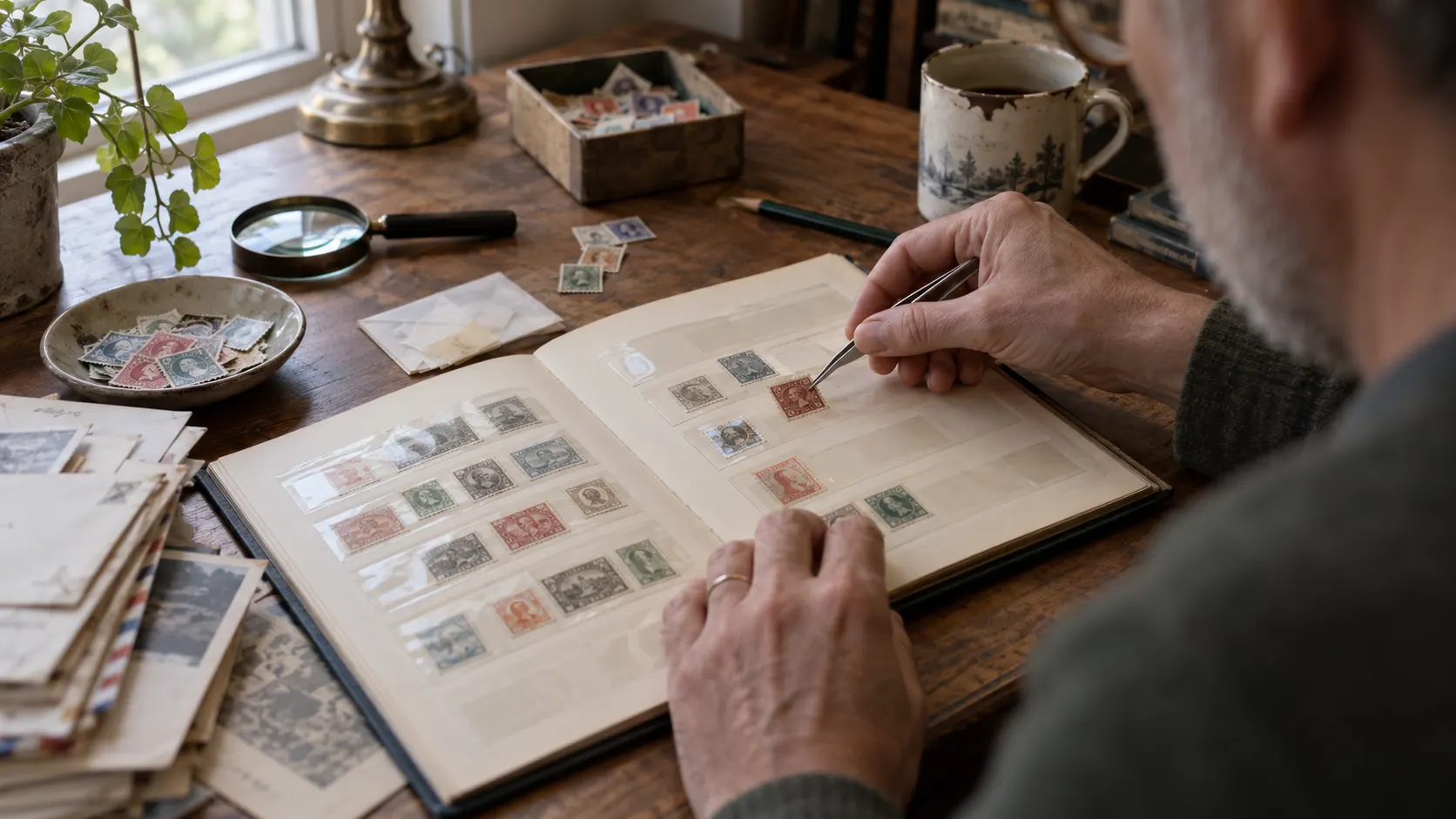
Finding out that the stamp on your grandmother's letter is either priceless or a stamp.
Tamagotchi
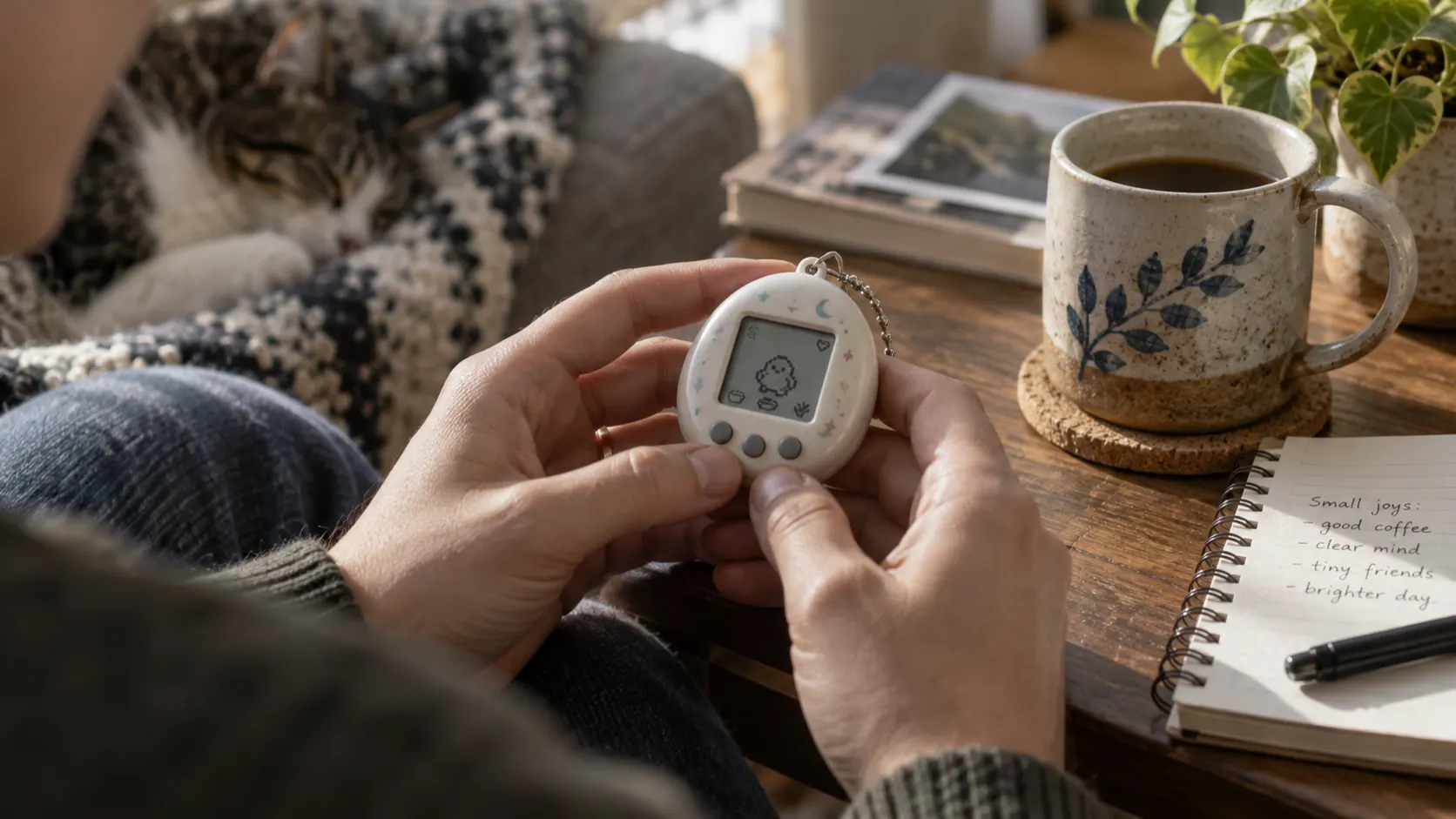
Keeping a tiny digital creature alive, and feeling genuinely guilty when you forget to.
Postcard Collecting
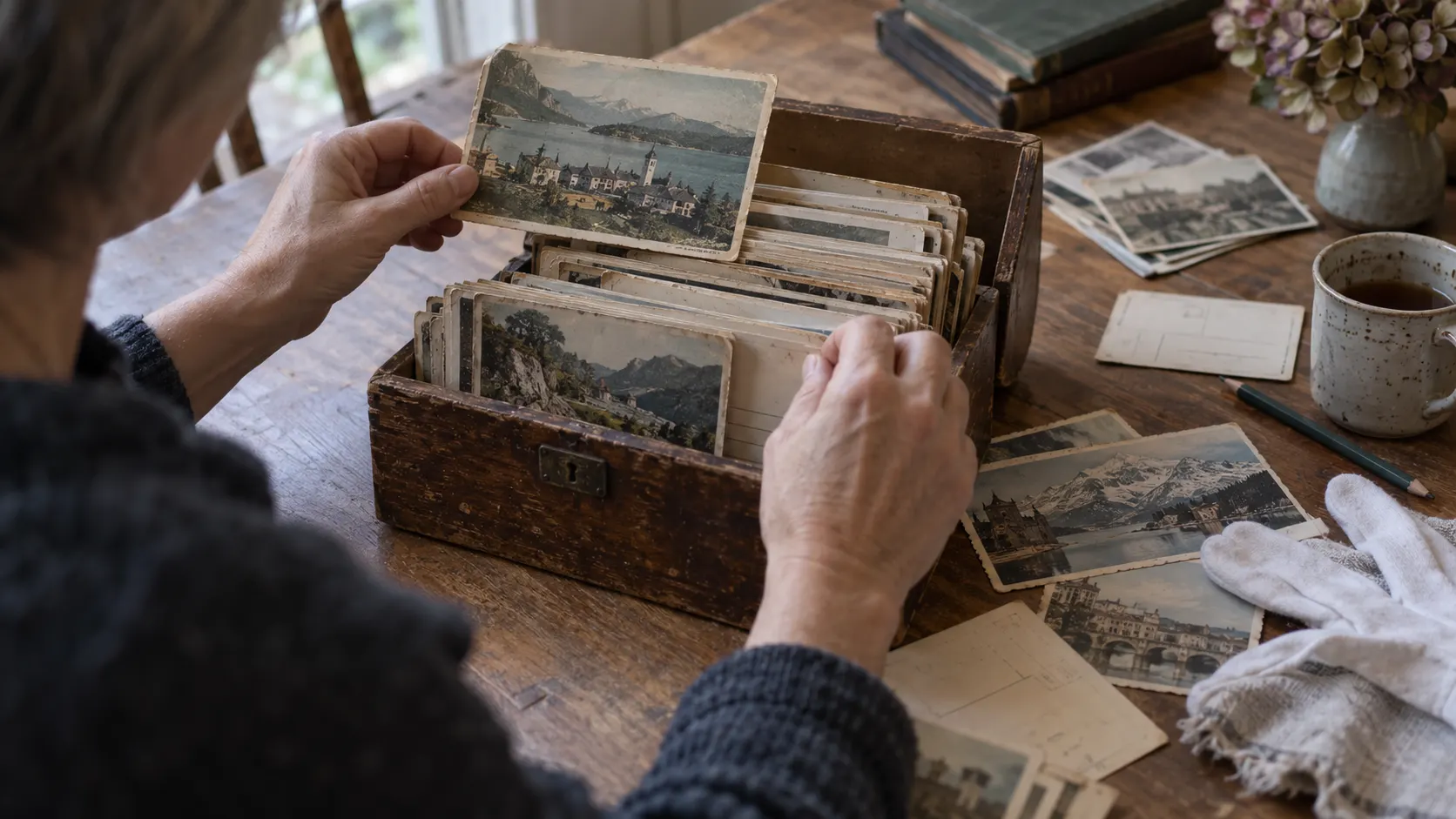
Collecting other people's brief, decades-old vacation updates on purpose.
Pokémon Card Collecting
Opening little foil packets in search of a cardboard animal worth more than the packet.