
Pokémon Card Collecting
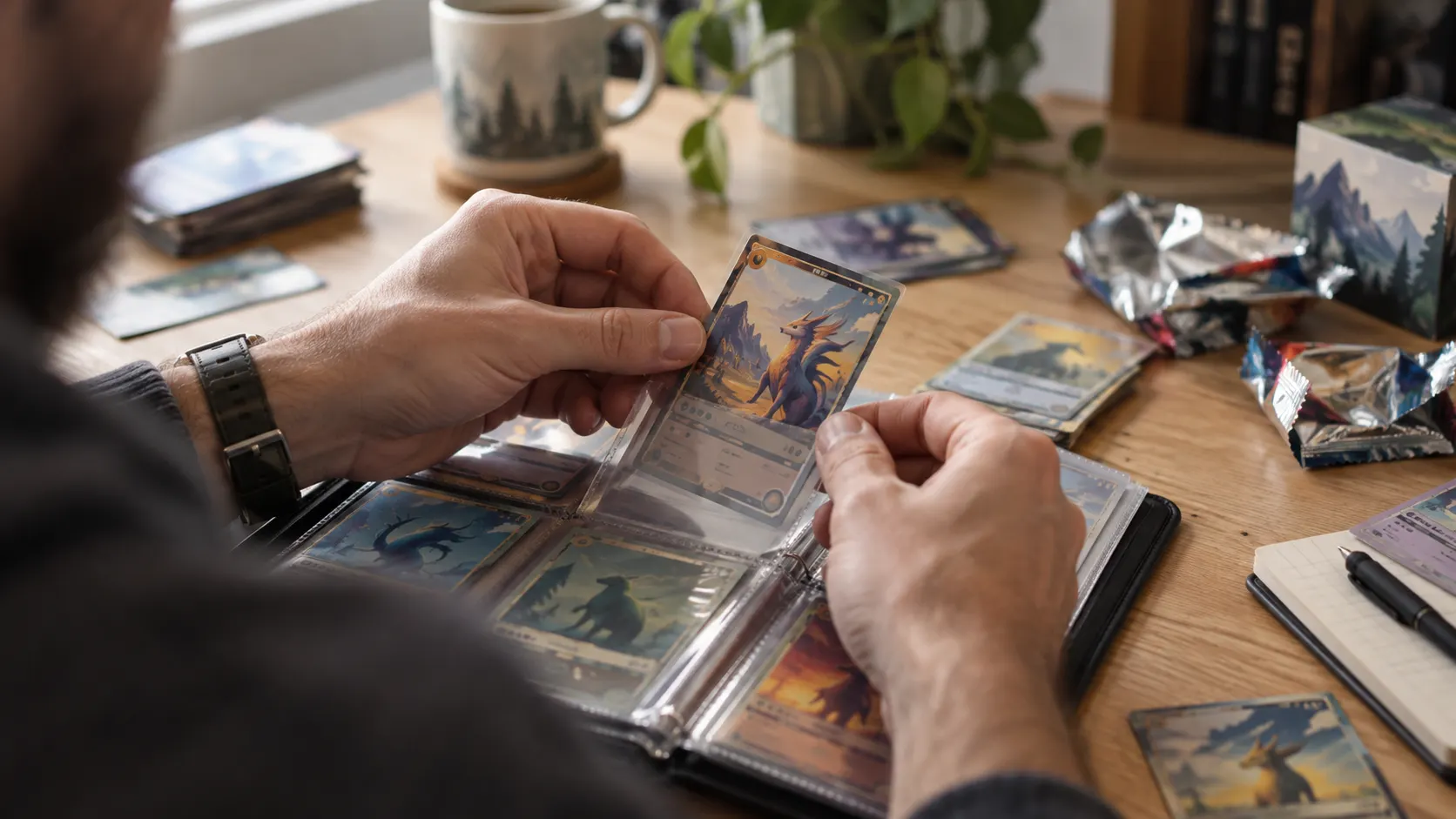
Opening little foil packets in search of a cardboard animal worth more than the packet.
- Cost to start
- ~$40 to start
- Learning curve
- 1 / 5
- Typical session
- 20–30 min
- Physical demand
- 1 / 10
- Social level
- 1 / 10
- Setting
- At home
Pokémon card collecting looks simple from outside — open packs, get cards — and that's honestly most of it, though the actual satisfying part turns out to be less about hitting a rare pull and more about slowly building an organized set you're genuinely proud to flip through.
What it costs
Bare-minimum start: about $10 — one or two booster packs, or simply the cards you already have from childhood or from a friend. This is genuinely enough to see what the current cards look like and decide if you want to go further.
Practical setup: about $40. That's a handful of booster packs (~$20, about four packs), a card binder sized for trading cards rather than photos (~$12), and penny sleeves to individually protect cards going into the binder (~$8). This gets you both new cards to open and a proper way to store and display what you already have.
Optional later: grading submission fees (PSA and similar services, often $20–50+ per card) once you have something you believe is genuinely valuable, individual singles of specific cards you want rather than random packs, and a display case for particular favorites.
There's no required ongoing cost — a binder and sleeves protect what you already have indefinitely. Buying more packs is entirely optional and driven by wanting the fun of opening something new, not by any maintenance the collection itself needs.
What to buy
A few booster packs from a current, in-print set — older, out-of-print packs are frequently resealed or counterfeit, which is a real risk worth avoiding as a beginner. A binder with pages sized specifically for trading cards, since photo-album pages are usually the wrong dimensions. Penny sleeves for individual cards before they go into binder pages, which is the actual thing that prevents the scuffing and edge wear that tanks a card's condition over time.
Skip grading a card before you've learned to assess condition yourself — submission fees add up fast, and a card that looks perfect to an untrained eye often has a small flaw a grading service will dock, so it's worth learning to spot common issues first. You can also trade with other collectors for cards you want instead of always buying packs — many local game stores host informal trade nights that cost nothing to attend.
How to start
Start by sorting whatever cards you already have, or opening one or two packs to see what a current set looks like. You don't need a binder or sleeves for this first pass.
Decide early whether you're collecting a specific set completely, a particular Pokémon across different card versions, or just opening packs for fun with no organizing principle — a focus, even a loose one, makes a collection feel like it's building toward something. Sleeve cards individually as you go rather than in a batch later, since even a few days of loose handling can put small scuffs on a card's surface. Check current market prices occasionally through a card-price app before buying or trading, since values shift often and vary a lot by condition.
The most common beginner mistake is handling cards by their faces rather than their edges, and bending them slightly while flipping through a stack — both are easy habits to build correctly from the start and hard ones to fix damage from later. A second common mistake is buying old, out-of-print packs from unverified online sellers, which are a real target for resealing scams — sticking to current, in-print sets from reputable retailers avoids this entirely as a beginner.
Is it for you?
Pokémon card collecting suits people who like the small thrill of opening something new combined with the calmer, ongoing satisfaction of organizing a collection. It rewards patience with a set that takes a while to complete over chasing a single big pull. If you want guaranteed value from every pack, this will disappoint — most packs are ordinary; if you enjoy both the opening and the organizing equally, it's a genuinely fun, low-cost habit to keep.
Starter gear
Soft suggestions to get going. These are affiliate links — buying through one may earn us a commission at no extra cost to you.
Tagged
More like this
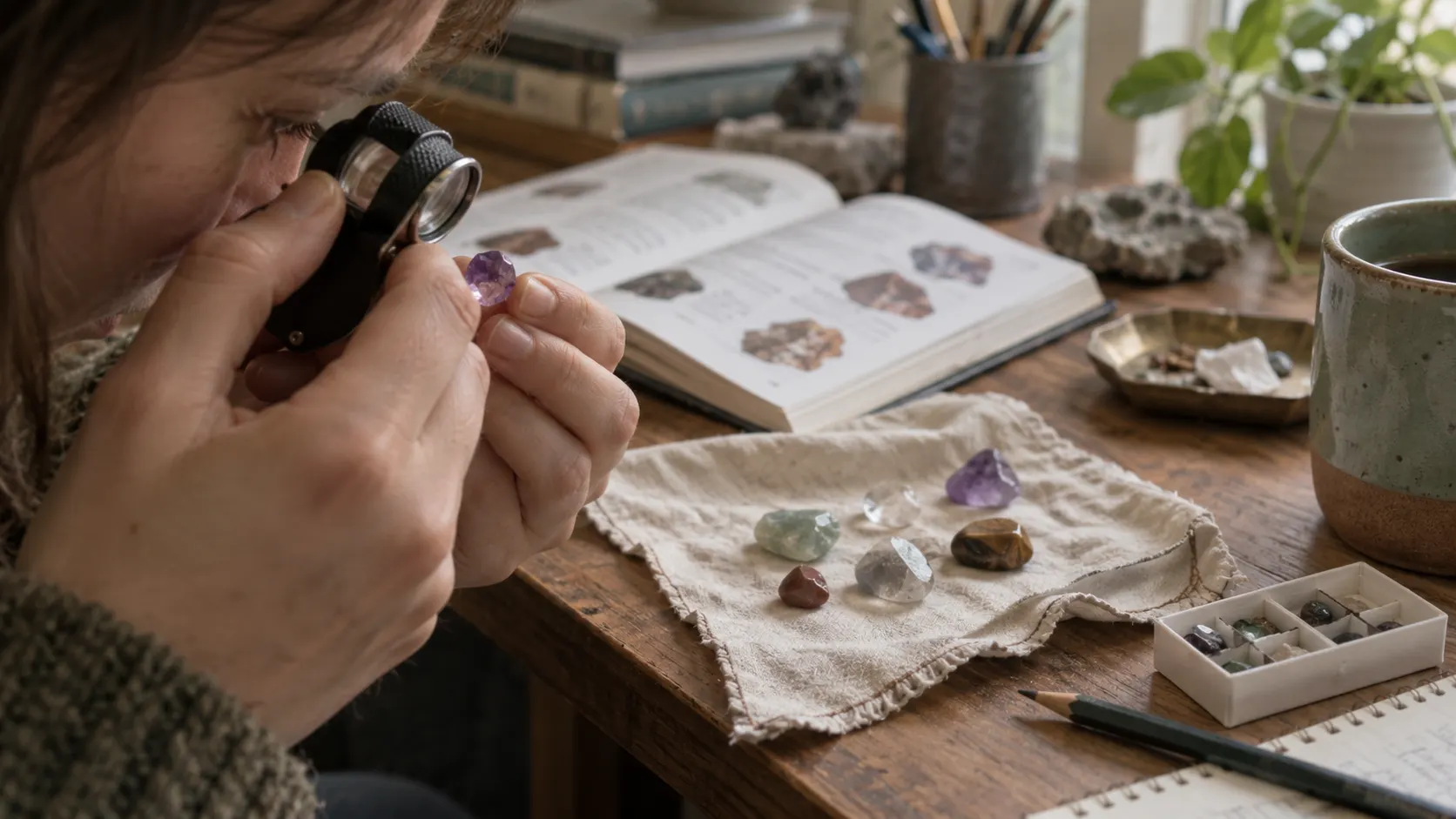
Gemology
Learning to tell a real gem from a very convincing rock, one loupe squint at a time.
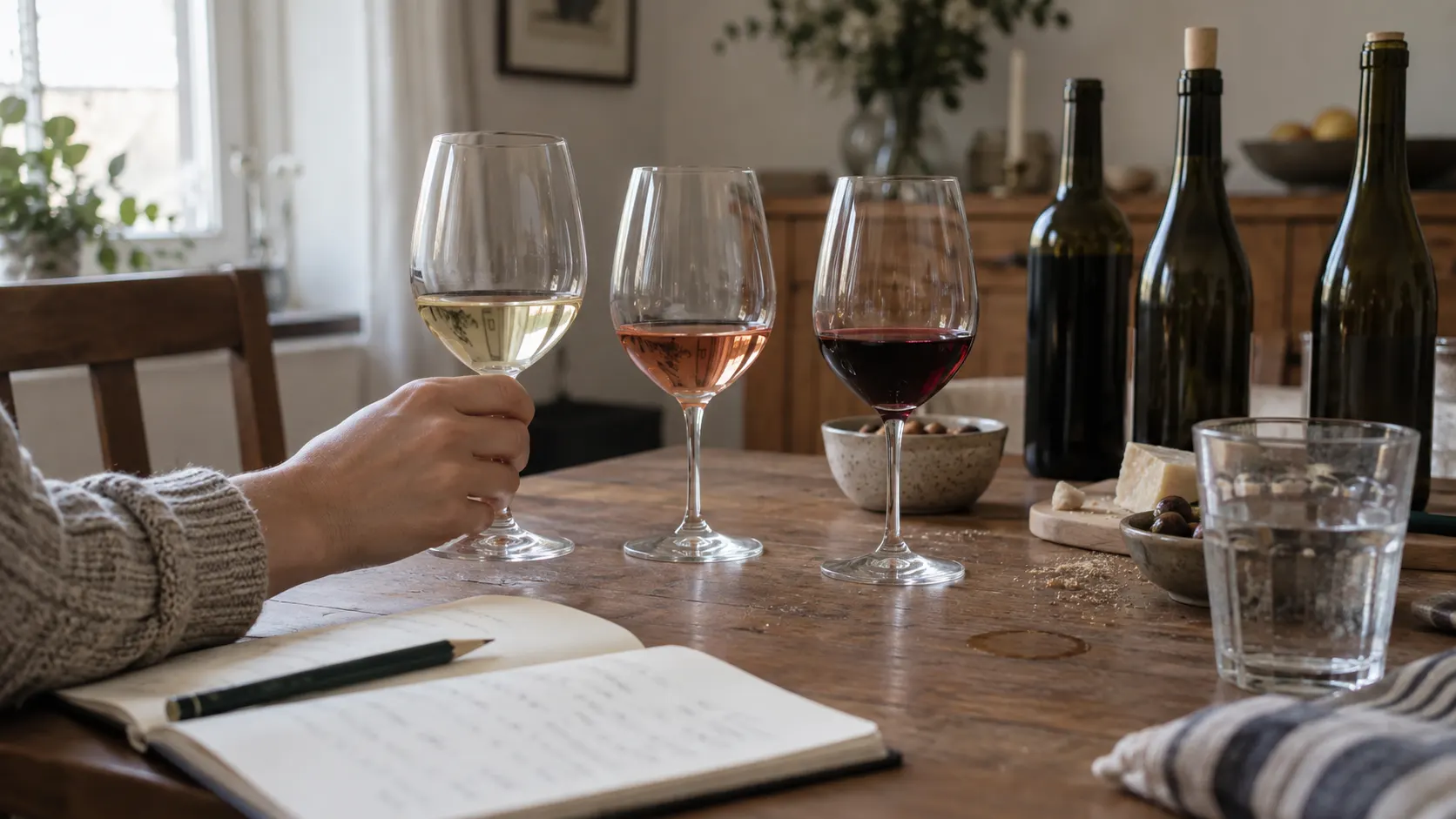
Wine Tasting
Learning to describe wine as "leathery with notes of wet stone" and somehow meaning it.
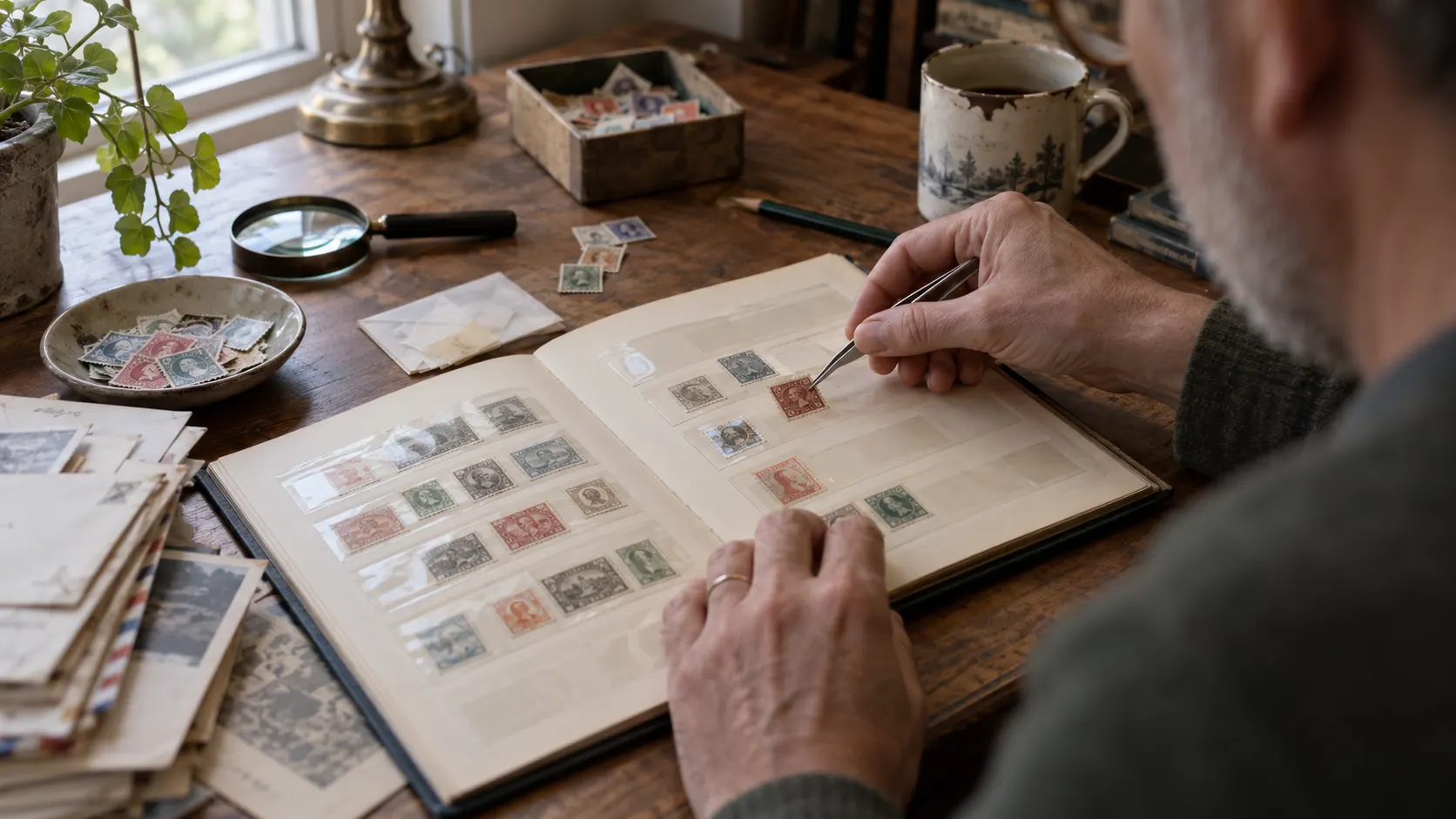
Stamp Collecting
Finding out that the stamp on your grandmother's letter is either priceless or a stamp.
Tamagotchi
Keeping a tiny digital creature alive, and feeling genuinely guilty when you forget to.
Postcard Collecting
Collecting other people's brief, decades-old vacation updates on purpose.