
Postcard Collecting
Collecting other people's brief, decades-old vacation updates on purpose.
- Cost to start
- ~$35 to start
- Learning curve
- 1 / 5
- Typical session
- 20–30 min
- Physical demand
- 1 / 10
- Social level
- 1 / 10
- Setting
- At home
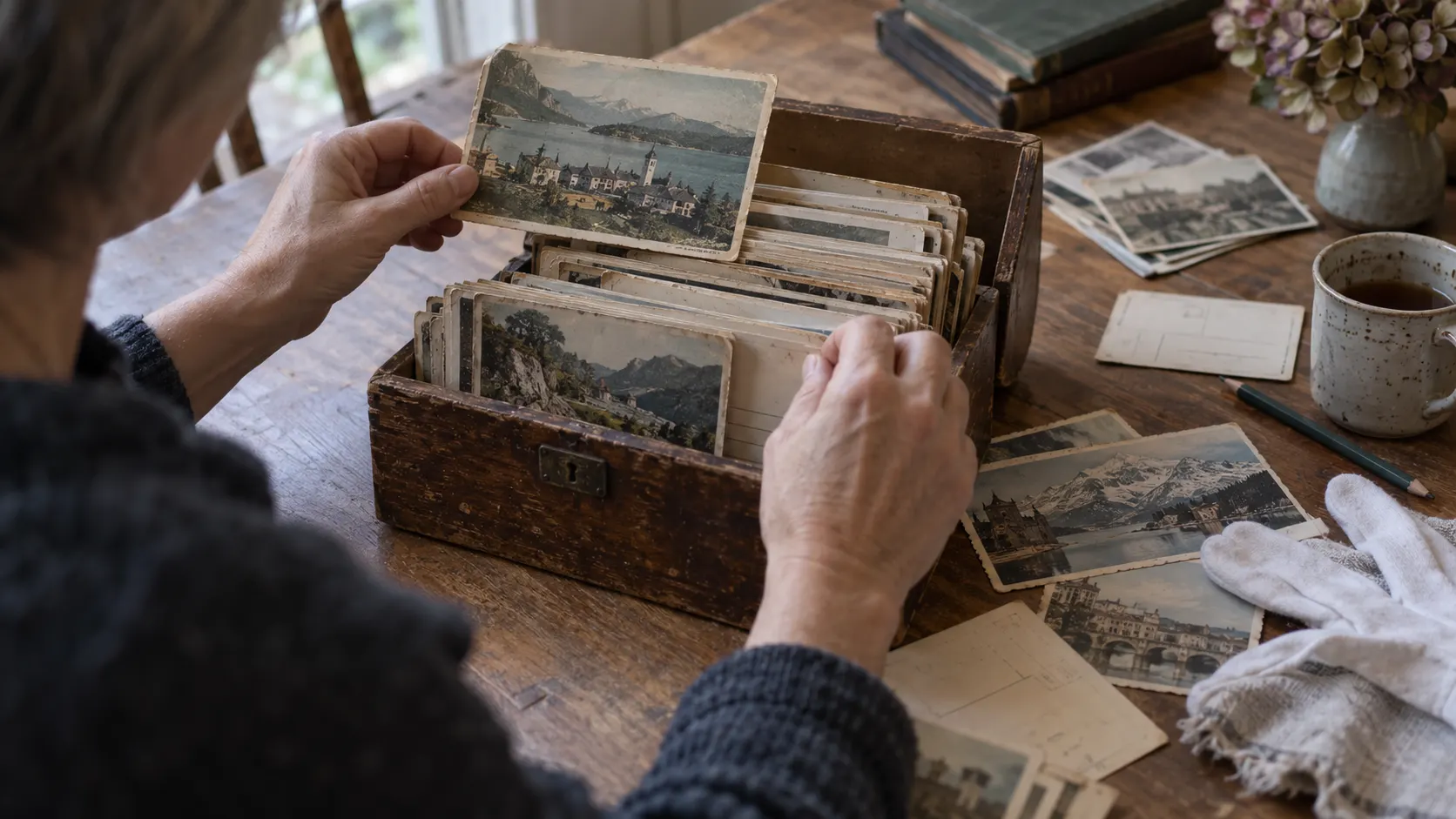
Postcard collecting (deltiology, if you want the formal name) is quietly one of the most personal collecting hobbies out there — you're not just gathering objects, you're gathering tiny handwritten fragments of strangers' trips, decades of "having a wonderful time, wish you were here" from people who are long past caring whether you read it.
What it costs
Bare-minimum start: $0. Postcards you already own, ones friends bring back from trips, or free ones handed out at cafes and hotels all count as a genuine starting collection.
Practical setup: about $35. That's a postcard sleeve binder — an album with plastic pages sized for postcards rather than photos (~$15) — a small starter lot of vintage postcards from an antique shop, flea market, or online seller (~$15), and a pair of soft cotton gloves (~$5) for handling older, more fragile cards.
Optional later: acid-free backing boards for cards you want to preserve long-term, a specific thematic focus that might require pricier targeted purchases (real-photo postcards from a specific era cost more than mass-printed ones), and a small UV-filtering display case if you want to actually show pieces rather than keep them all in a binder.
There's little ongoing cost beyond adding new binder pages and the occasional new lot — a few dollars every month or two is a realistic pace for a casual collection, rather than a large recurring expense.
What to buy
A postcard-specific sleeve binder — regular photo albums are usually the wrong size and either crop the card or leave it loose. A small starter lot, which is cheaper per card than buying individually and gives you a real base to sort and organize from immediately. Cotton gloves, mainly for anything printed before the 1970s, since older card stock and ink are more sensitive to skin oils than modern paper.
Skip buying single "rare" postcards before you have a specific collecting focus — a scattered handful of expensive individual cards is a much less satisfying and coherent collection than a themed lot you build outward from deliberately. You can also borrow the experience for free first — many local historical societies and antique shops have postcard bins you can browse and handle before buying anything, which is a good way to figure out what actually interests you.
How to start
Start by sorting whatever postcards you already have, or asking friends and family if they've kept any from past trips. You don't need a binder or gloves yet for this first sorting pass.
Pick a focus — a specific city, an era (real-photo postcards from before 1945 have a genuinely different look and feel than later offset-printed ones), or a theme like roadside attractions or postmarked ones with handwritten messages, since the handwriting itself is often the actual interesting part. Add a few new cards every week or two from flea markets, antique shops, or online rather than buying in occasional large batches — steady small additions make a themed collection feel like it's actually growing.
The most common beginner mistake is collecting broadly with no theme at all, which produces a pile rather than a collection — a focus, even a loose one, is what turns postcards into something coherent enough to actually enjoy looking through later. A second common mistake is handling older cards by their faces instead of their edges, since fingerprints and oils degrade the surface print over time the same way they do with coins and stamps.
Is it for you?
Postcard collecting suits people who like the tiny, personal glimpses of other people's ordinary lives more than the objects themselves — a card's handwritten message is often more interesting than its printed image. It rewards patience building a themed set over chasing single rare finds. If you want fast, dramatic collecting wins, this won't give you many; if you like quietly assembling a specific, personal little archive, it's a cheap and genuinely absorbing habit.
Starter gear
Soft suggestions to get going. These are affiliate links — buying through one may earn us a commission at no extra cost to you.
Tagged
More like this
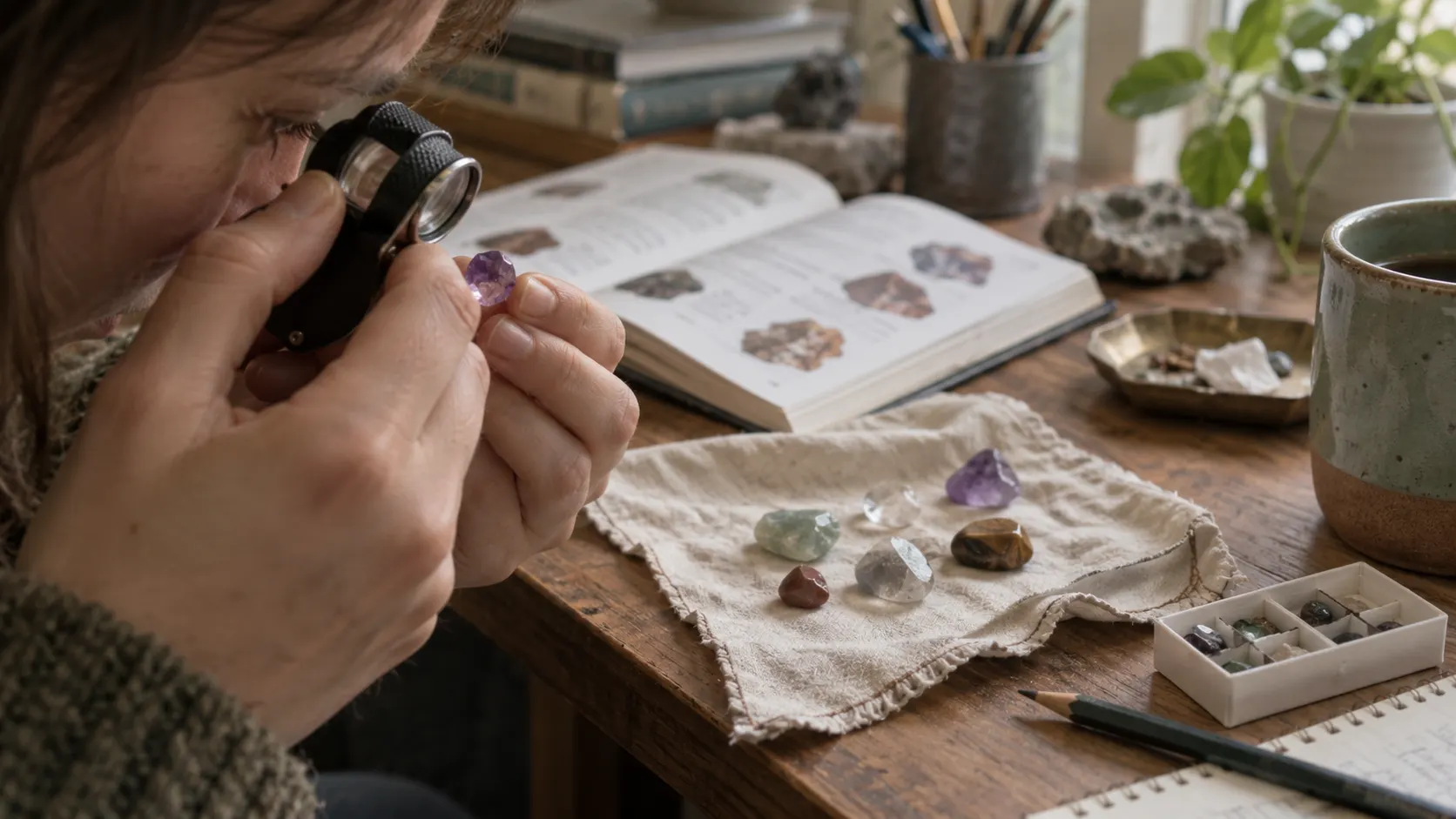
Gemology
Learning to tell a real gem from a very convincing rock, one loupe squint at a time.
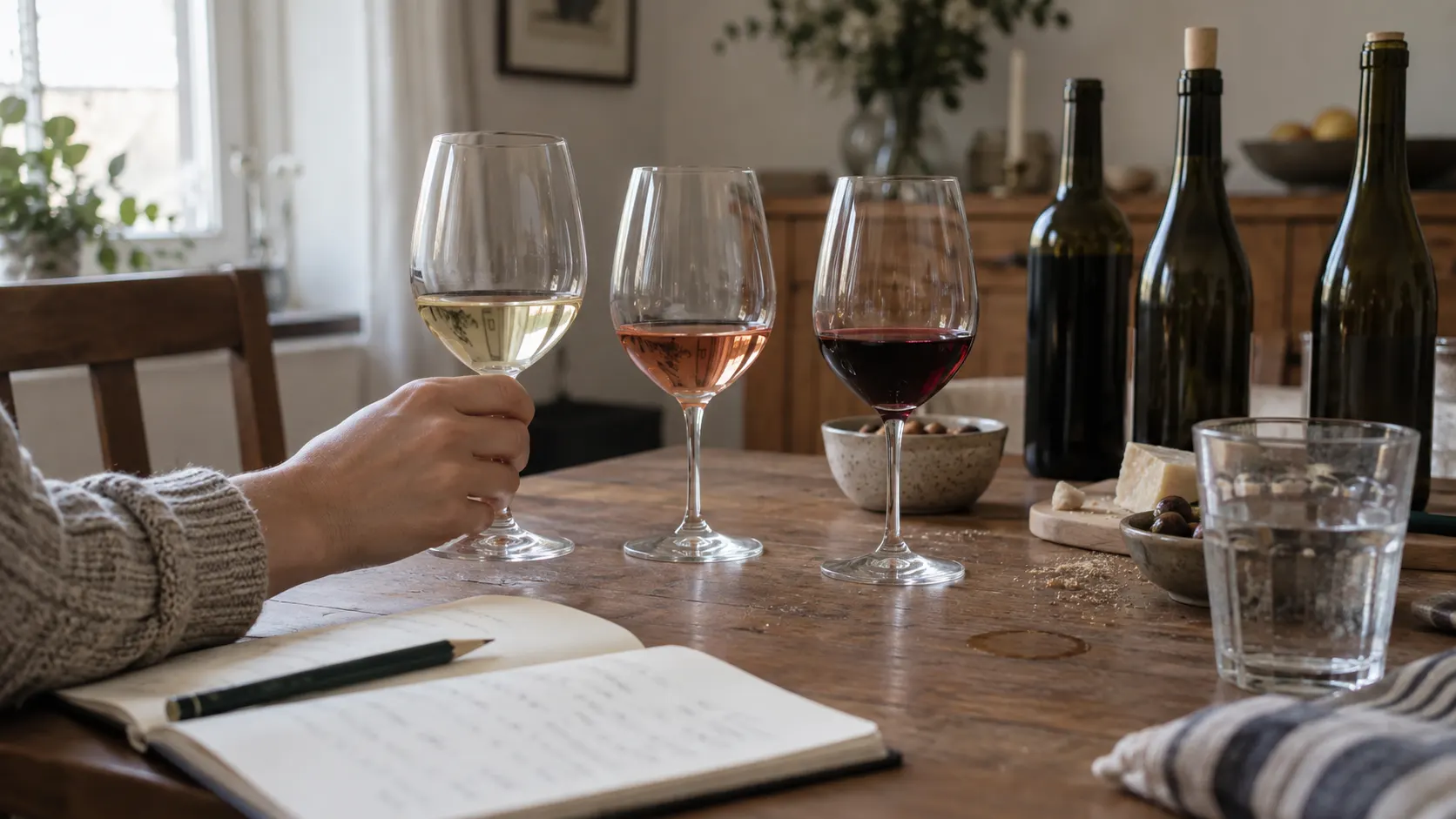
Wine Tasting
Learning to describe wine as "leathery with notes of wet stone" and somehow meaning it.
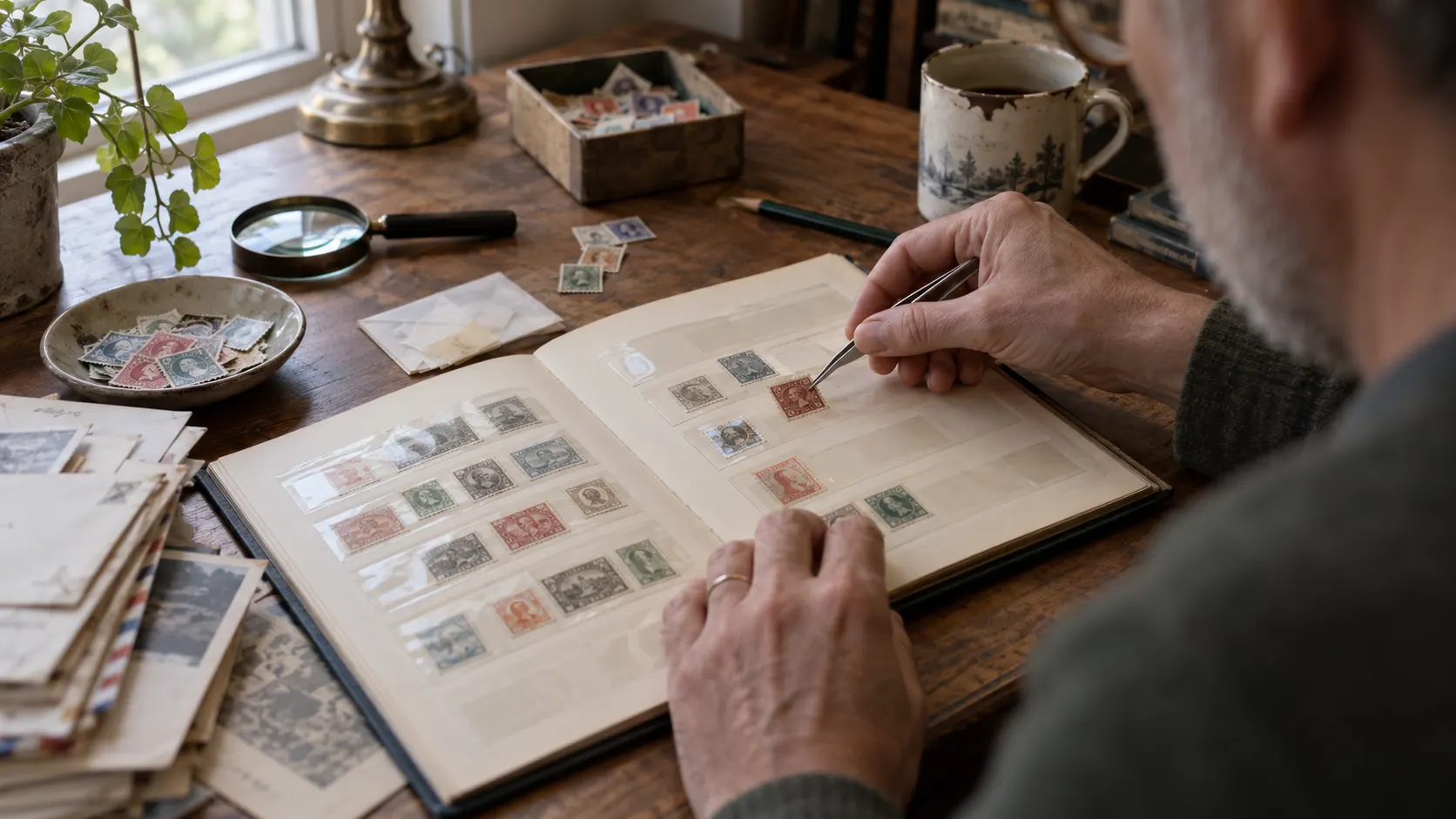
Stamp Collecting
Finding out that the stamp on your grandmother's letter is either priceless or a stamp.
Tamagotchi
Keeping a tiny digital creature alive, and feeling genuinely guilty when you forget to.
Pokémon Card Collecting
Opening little foil packets in search of a cardboard animal worth more than the packet.