Wine Tasting
Learning to describe wine as "leathery with notes of wet stone" and somehow meaning it.
- Cost to start
- ~$60 to start
- Learning curve
- 2 / 5
- Typical session
- 30-60 min
- Physical demand
- 1 / 10
- Social level
- 4 / 10
- Setting
- At home
Wine tasting as a hobby means drinking with attention instead of just drinking — noticing acidity, tannin, body, and how a wine changes from first sip to last, rather than just noting "red" or "white." It's a genuinely deep rabbit hole: regions, grape varieties, vintages, and food pairings all stack into a niche you can go as far into as you want, without ever needing to actually finish learning it.
What it costs
Bare-minimum start: about $15 — a single bottle of decent, well-reviewed wine in a style you're curious about, tasted slowly and deliberately rather than as background to something else.
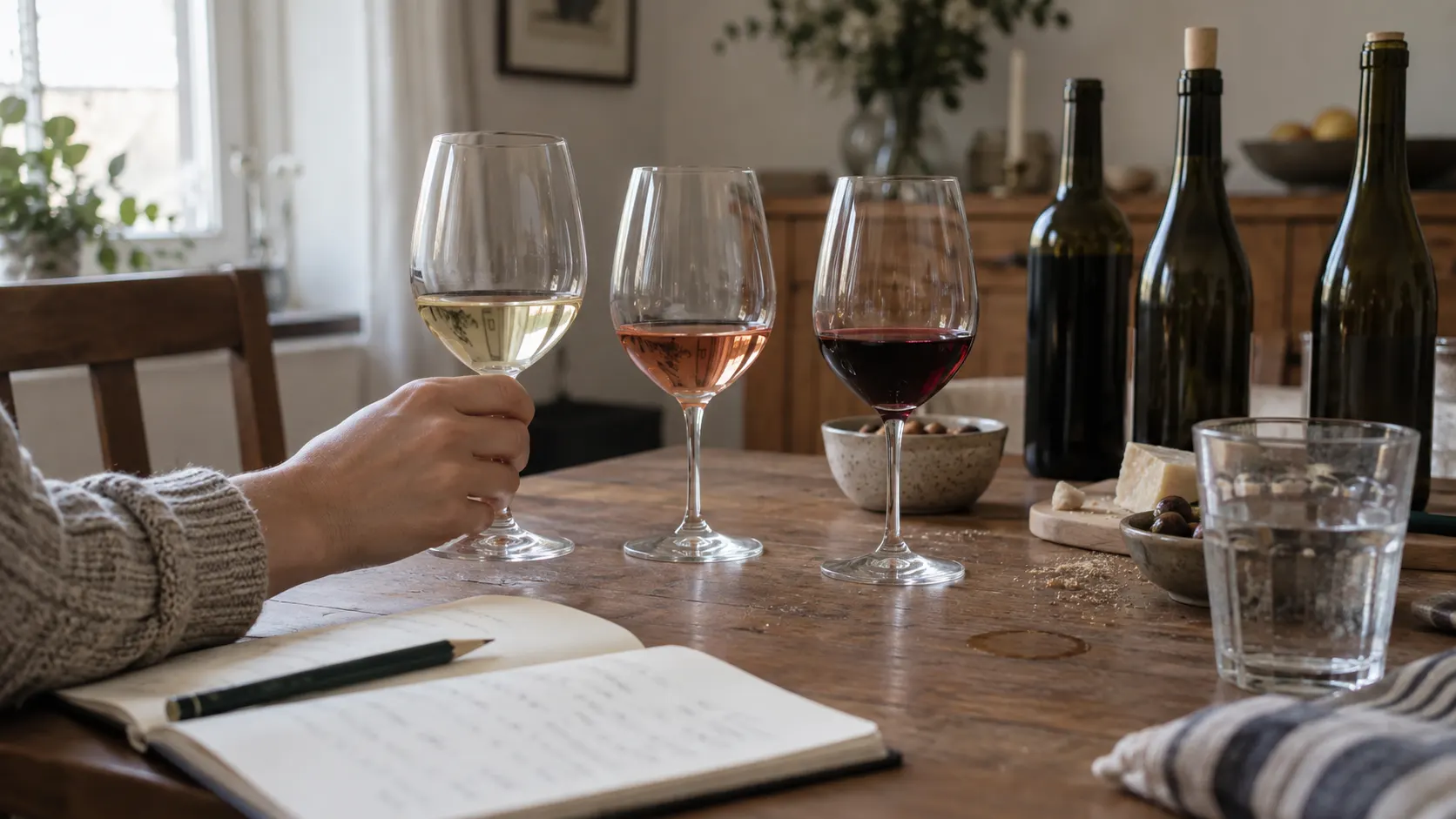
Practical setup: about $60. That's a set of proper wine glasses (shape genuinely affects how aromas concentrate toward your nose, more than most people expect), a couple of bottles across different styles for comparison tasting, and a simple wine journal or notes app for tracking what you've tried and what you actually liked.
Optional later: a local tasting class or wine club membership, a proper wine fridge for anyone building an actual collection, and travel to wine regions once you know your preferences well enough to seek out specific ones.
The one thing worth spending on, more than expensive bottles, is real glassware — a proper wine glass shape makes a genuinely noticeable difference versus a generic tumbler, and it's a one-time purchase rather than an ongoing cost. There's no meaningful required ongoing cost beyond whatever you'd already spend on wine.
What to buy
A few proper wine glasses — a universal or all-purpose shape covers most styles fine as a beginner; you don't need separate glasses for every wine type yet. A couple of bottles spanning different styles (a light red, a bold red, a crisp white) for side-by-side comparison tasting. A simple notebook or app for tracking tasting notes.
Skip expensive "investment" bottles before you know your own preferences — plenty of cheap, well-made wine tastes great, and expensive doesn't reliably mean you'll personally enjoy it more. Skip a wine fridge until you're actually holding onto bottles for more than a few weeks; most beginners drink what they buy quickly enough that ambient storage is fine.
How to start
Start with a simple side-by-side tasting: two wines of the same type from different regions or price points, tasted back to back rather than days apart, since direct comparison teaches your palate far faster than isolated tasting. You don't need a full glass set or tasting notebook system yet for this first comparison.
Look at the wine's color and clarity, swirl gently to release aroma, smell before tasting (most of what you perceive as "taste" is actually smell), then take a small sip and let it sit briefly before swallowing. Try to name one or two specific things you notice — fruit, acidity, a lingering finish — rather than reaching for a vague "good" or "bad" judgment; specific noticing is the actual skill being built here. The most common beginner mistake is drinking wine the same way you'd drink anything else — quickly and without attention — which skips past the entire point of tasting versus just drinking.
Is it for you?
Wine tasting suits people who like a hobby with genuine depth to explore — regions, grapes, vintages — without ever needing to master all of it to enjoy the process. It rewards curiosity and attention more than any specialized knowledge going in. If you don't already enjoy wine at all, this hobby doesn't really work as a way to acquire a taste you don't have. If you already drink wine occasionally and have wondered what people mean by "notes of blackberry," a few deliberate side-by-side tastings answers that faster than you'd expect.
Starter gear
Soft suggestions to get going. These are affiliate links — buying through one may earn us a commission at no extra cost to you.
Tagged
More like this
Gemology
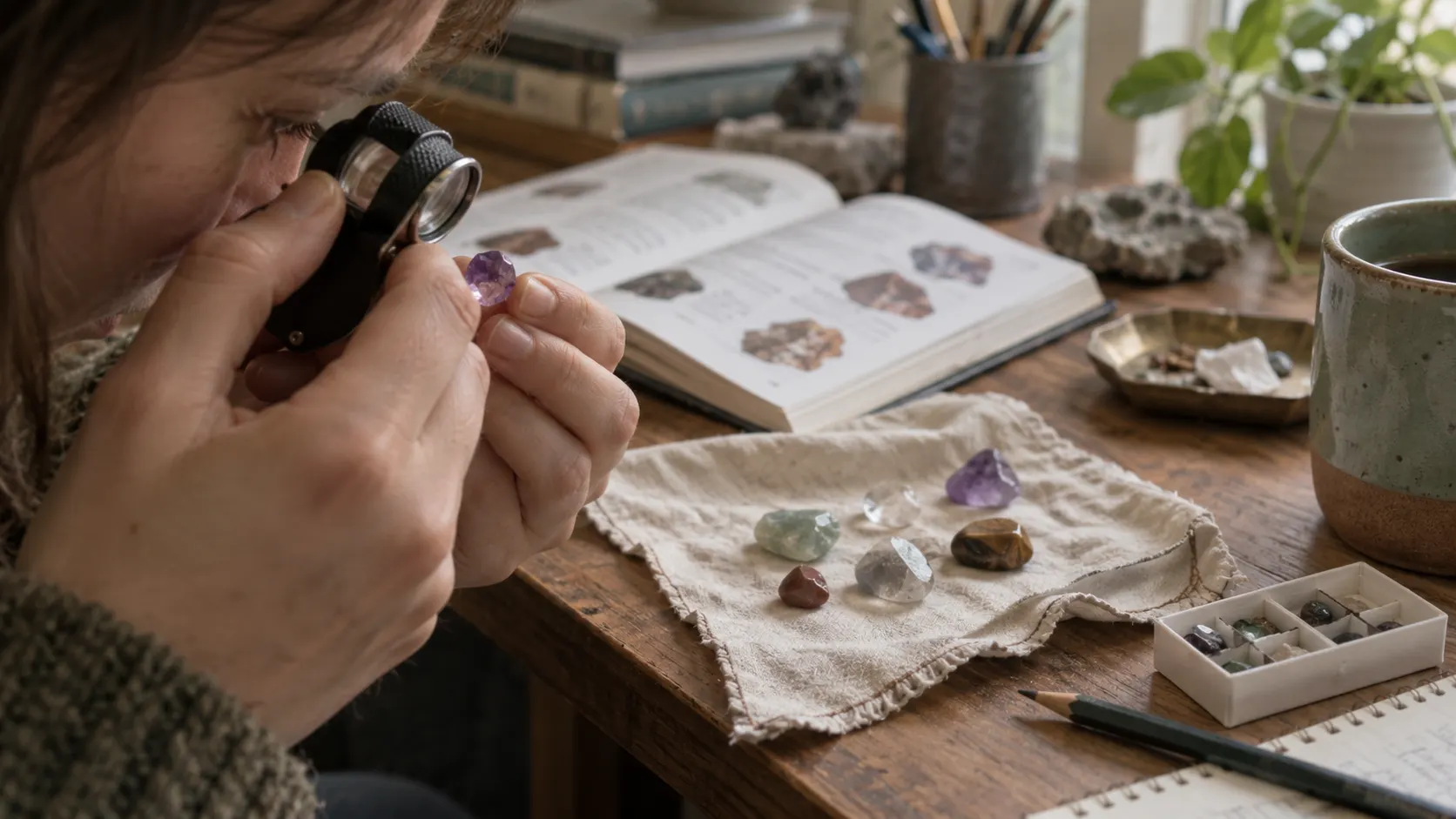
Learning to tell a real gem from a very convincing rock, one loupe squint at a time.
Stamp Collecting
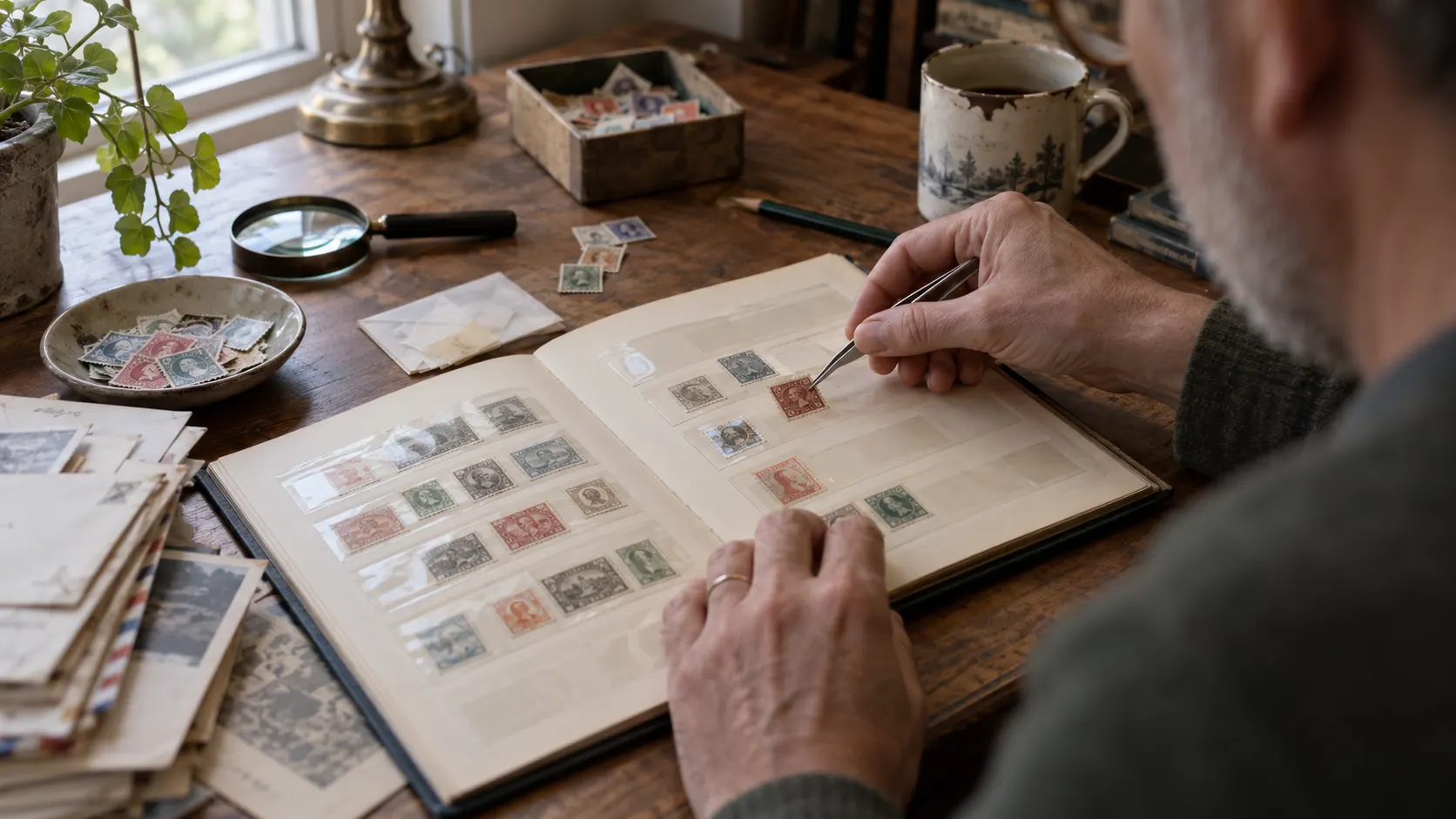
Finding out that the stamp on your grandmother's letter is either priceless or a stamp.
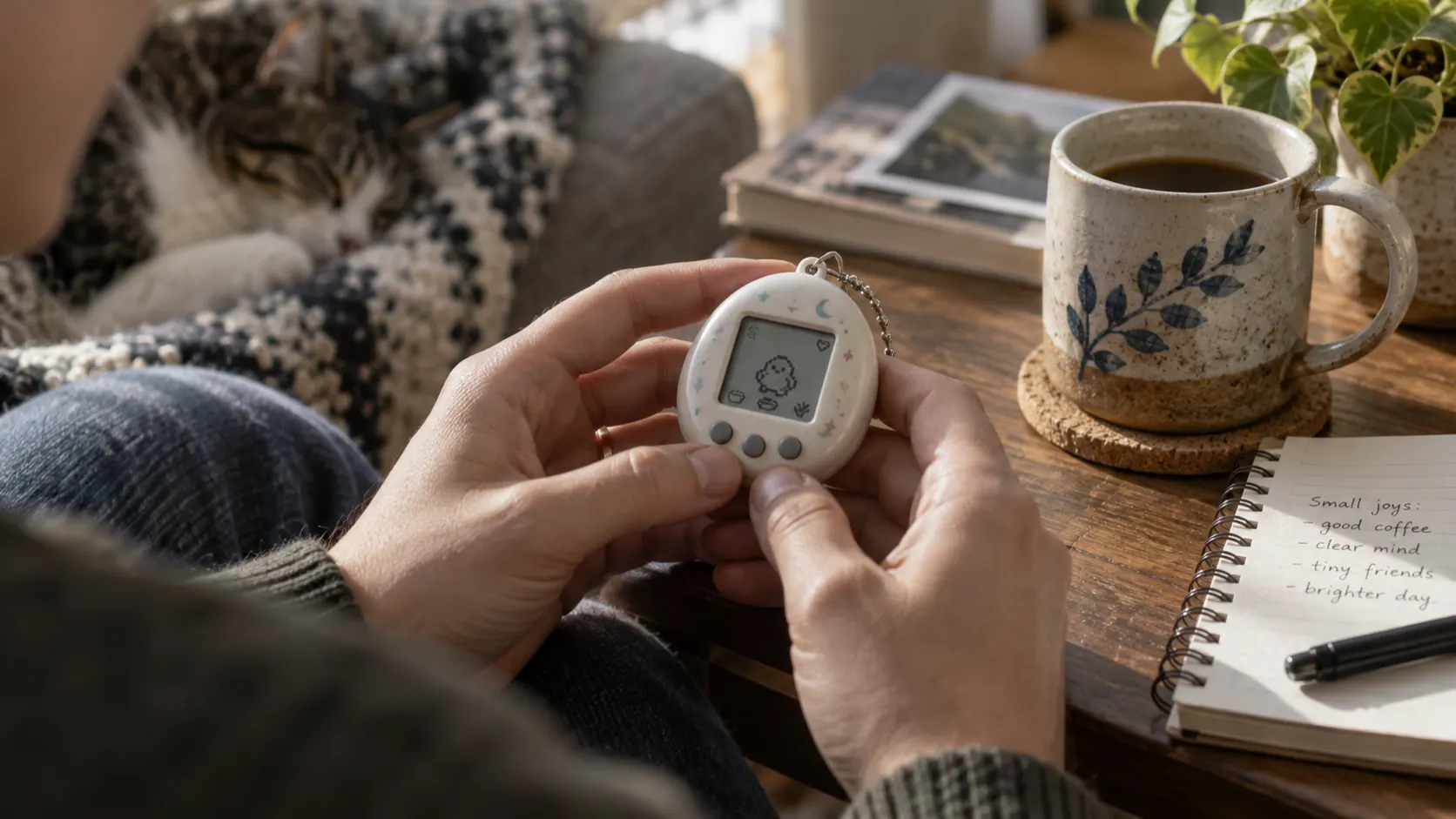
Tamagotchi
Keeping a tiny digital creature alive, and feeling genuinely guilty when you forget to.
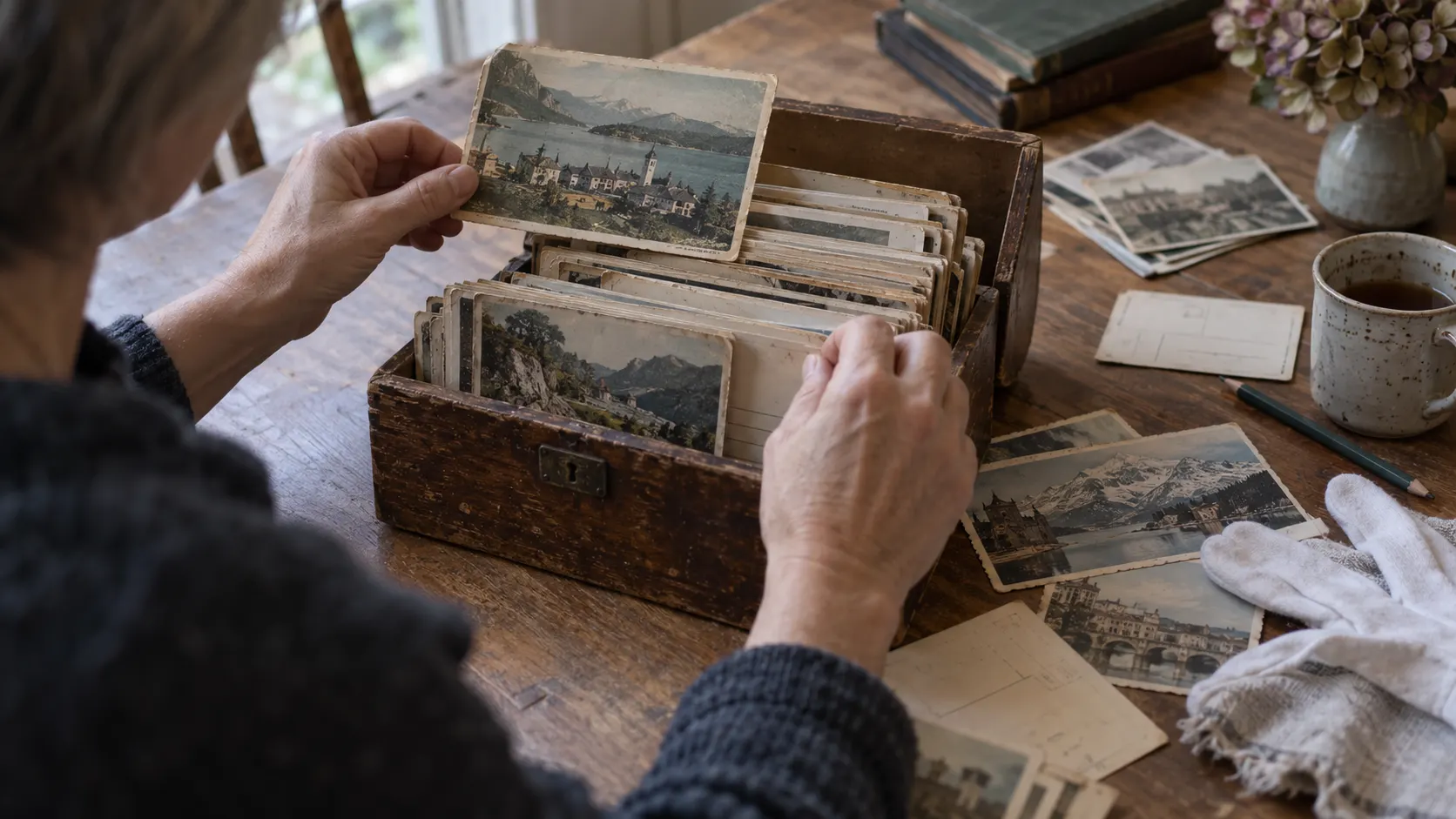
Postcard Collecting
Collecting other people's brief, decades-old vacation updates on purpose.
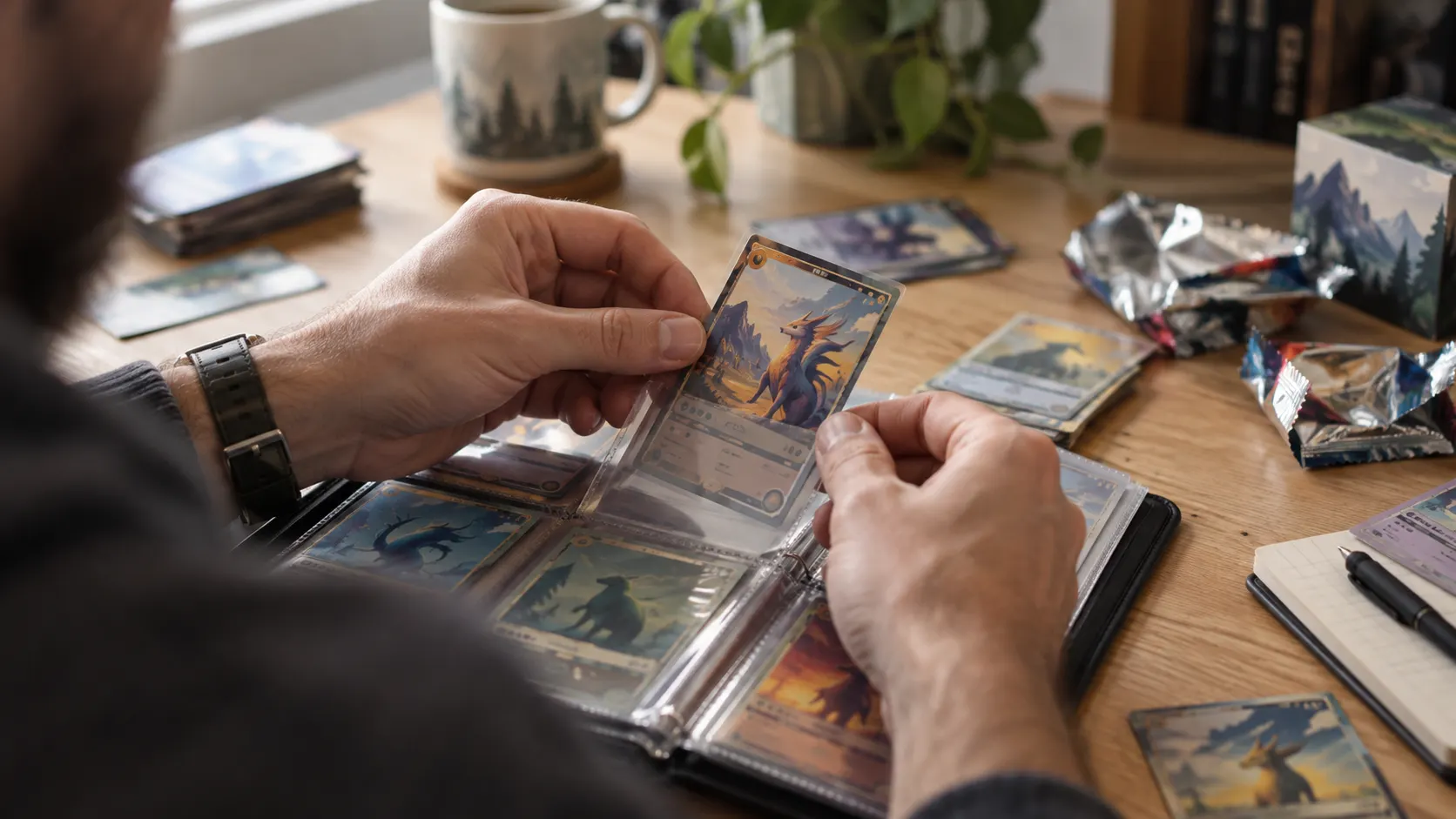
Pokémon Card Collecting
Opening little foil packets in search of a cardboard animal worth more than the packet.