Stamp Collecting
Finding out that the stamp on your grandmother's letter is either priceless or a stamp.
- Cost to start
- ~$40 to start
- Learning curve
- 2 / 5
- Typical session
- 20–40 min
- Physical demand
- 1 / 10
- Social level
- 1 / 10
- Setting
- At home
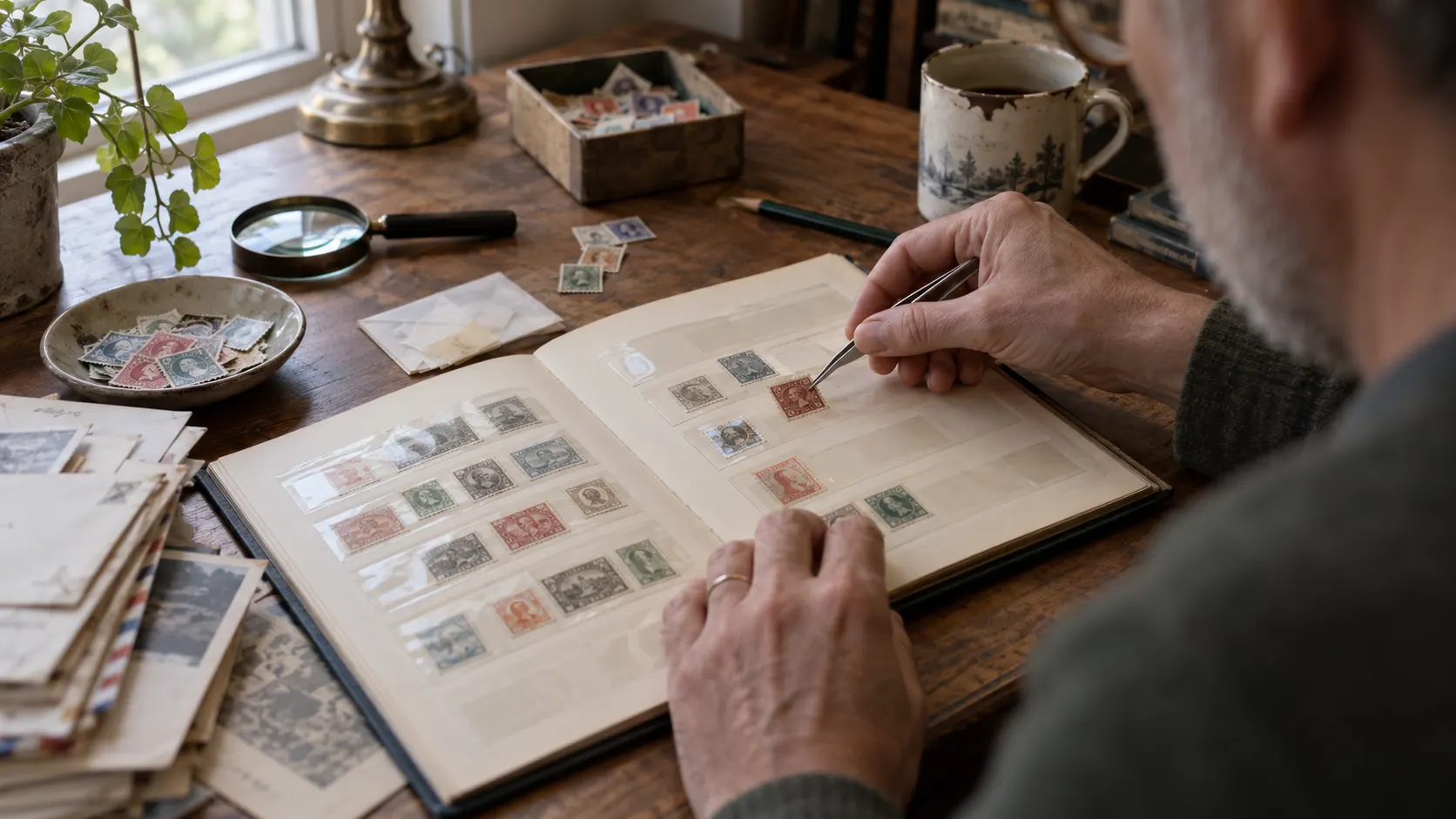
Stamp collecting has a reputation as the single dustiest hobby that exists, all glassine envelopes and squinting. In practice it's a genuinely accessible research hobby — most of what you need to start is already arriving in your mailbox, and the actual skill is closer to careful pattern-matching than anything requiring special expertise.
What it costs
Bare-minimum start: $0. Save the stamps already on mail you receive, and soak them off envelopes in water once you've collected a handful — this alone teaches you the basic handling technique.
Practical setup: about $40. That's a pair of stamp tongs (~$8), since fingers transfer oils that damage stamps over time, a beginner stockbook or album (~$15) to store and organize what you collect, a jeweler's loupe (~$8) for reading fine printing details and spotting variations, and a basic beginner price guide (~$9) to tell what's common from what's actually worth researching further.
Optional later: a watermark detector tray for identifying paper variations, specialty tongs for delicate or perforated stamps, and eventually a proper Scott catalog once you're collecting seriously enough to need the full reference.
There's very little ongoing cost beyond adding new stockbook pages as a collection grows and periodically updating a price guide, since values do shift. This stays one of the cheaper hobbies here to maintain long after the initial kit.
What to buy
Stamp tongs — flat or rounded tips both work for general handling. A stockbook with glassine or plastic pockets rather than a scrapbook-style album with glue, since stamps should never be permanently affixed if you want to preserve or later sell them. A 10x loupe for reading small print and mint marks. A current beginner price guide, since a stamp's actual rarity is often invisible without one — many "old" stamps are extremely common and worth very little, while unremarkable-looking ones occasionally aren't.
Skip stamp cleaning or "restoration" products entirely — like coins, altering a stamp's condition destroys collector value rather than improving it, and it's not reversible. You can also borrow a loupe or a price guide from a local library or an established collector before buying your own, especially while you're still deciding whether this is a lasting interest.
How to start
Start by soaking a handful of stamps off envelopes in room-temperature water, then drying them flat under a heavy book overnight. You don't need tongs or a stockbook for this first step, though using tongs from the beginning is a good habit to build early.
Sort what you have into one focus area — country, era, or a single theme like birds or transportation — rather than trying to collect everything at once, since a focused collection actually gets completed and a scattered one rarely does. Check a batch of new stamps every week or two against your price guide rather than binge-researching occasionally; steady small sessions build recognition skills faster than long infrequent ones.
The most common beginner mistake is assuming any old stamp is valuable — as with coins, condition and how many were originally printed matter enormously more than age, and most vintage stamps turn out to be common. A second common mistake is soaking stamps printed with certain modern inks that run in water — check a corner first on anything that looks recently printed, since not every stamp tolerates the standard soaking method.
Is it for you?
Stamp collecting suits people who enjoy small research projects and pattern recognition more than a fast payoff — most finds are ordinary, which is normal, not a failure. It rewards patience and organization over luck. If you want frequent, exciting "big find" moments, this will disappoint; if you like quietly building expertise in a narrow area over time, it's a cheap and genuinely educational habit.
Starter gear
Soft suggestions to get going. These are affiliate links — buying through one may earn us a commission at no extra cost to you.
Tagged
More like this
Gemology
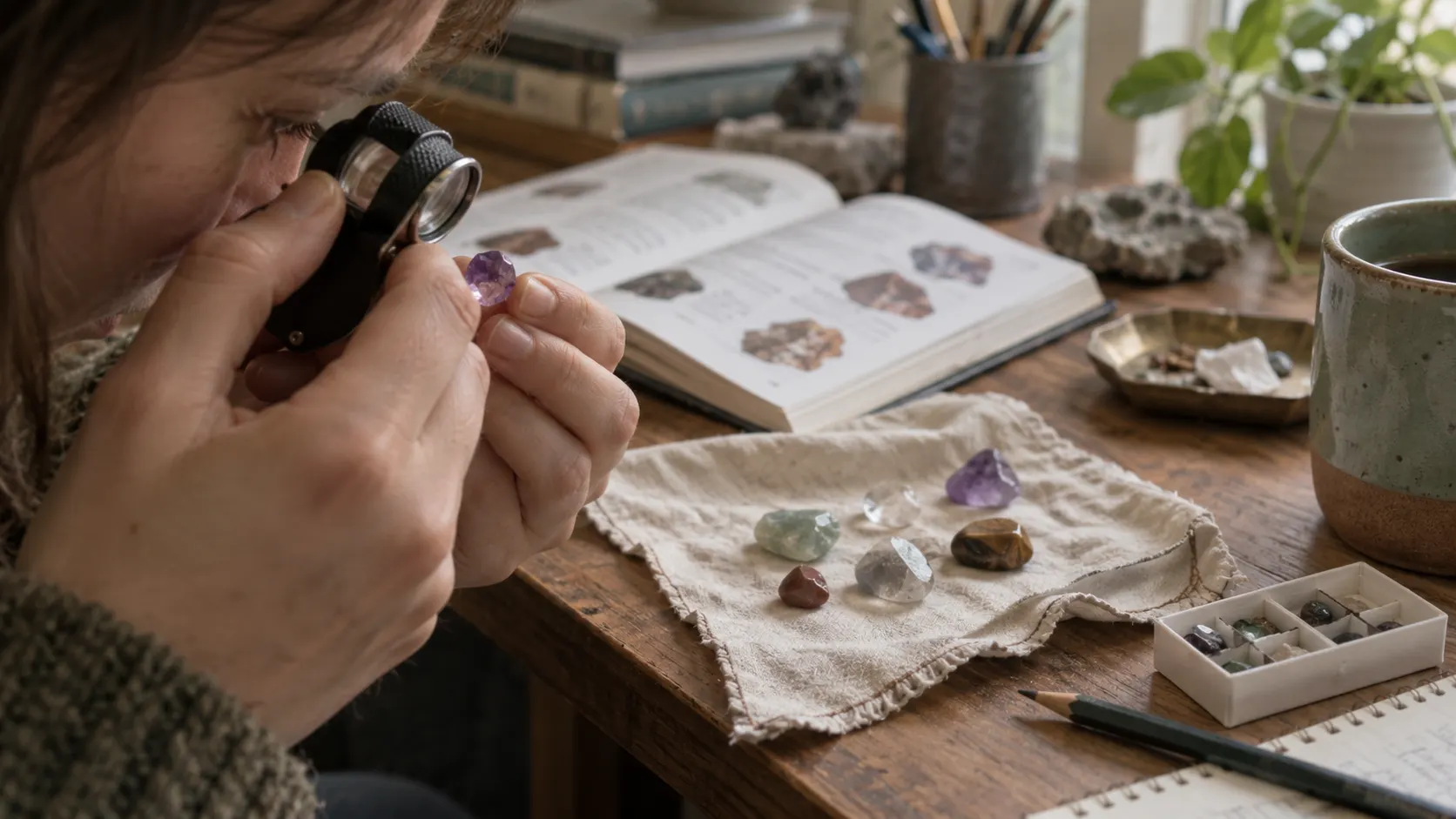
Learning to tell a real gem from a very convincing rock, one loupe squint at a time.
Wine Tasting
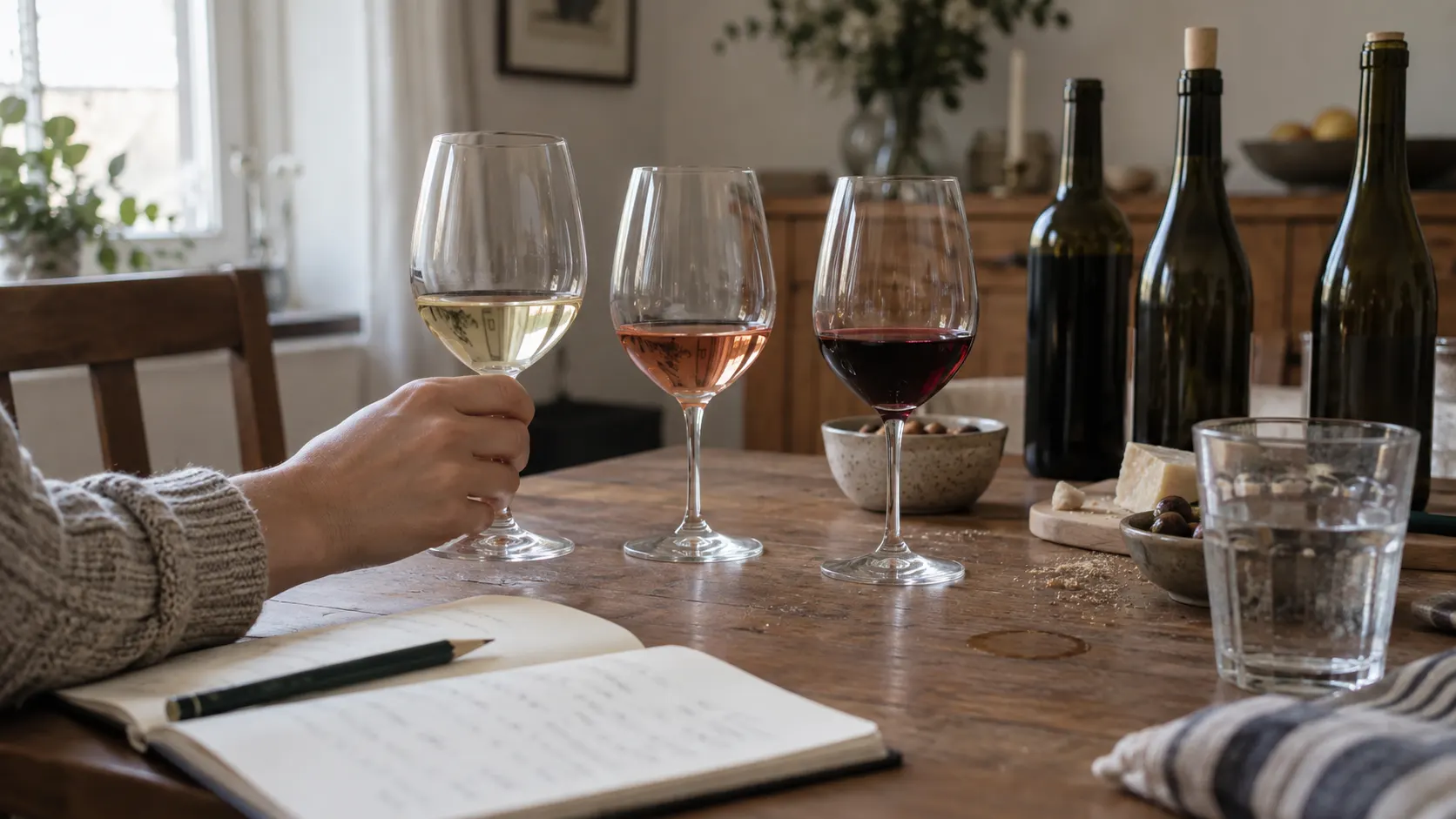
Learning to describe wine as "leathery with notes of wet stone" and somehow meaning it.
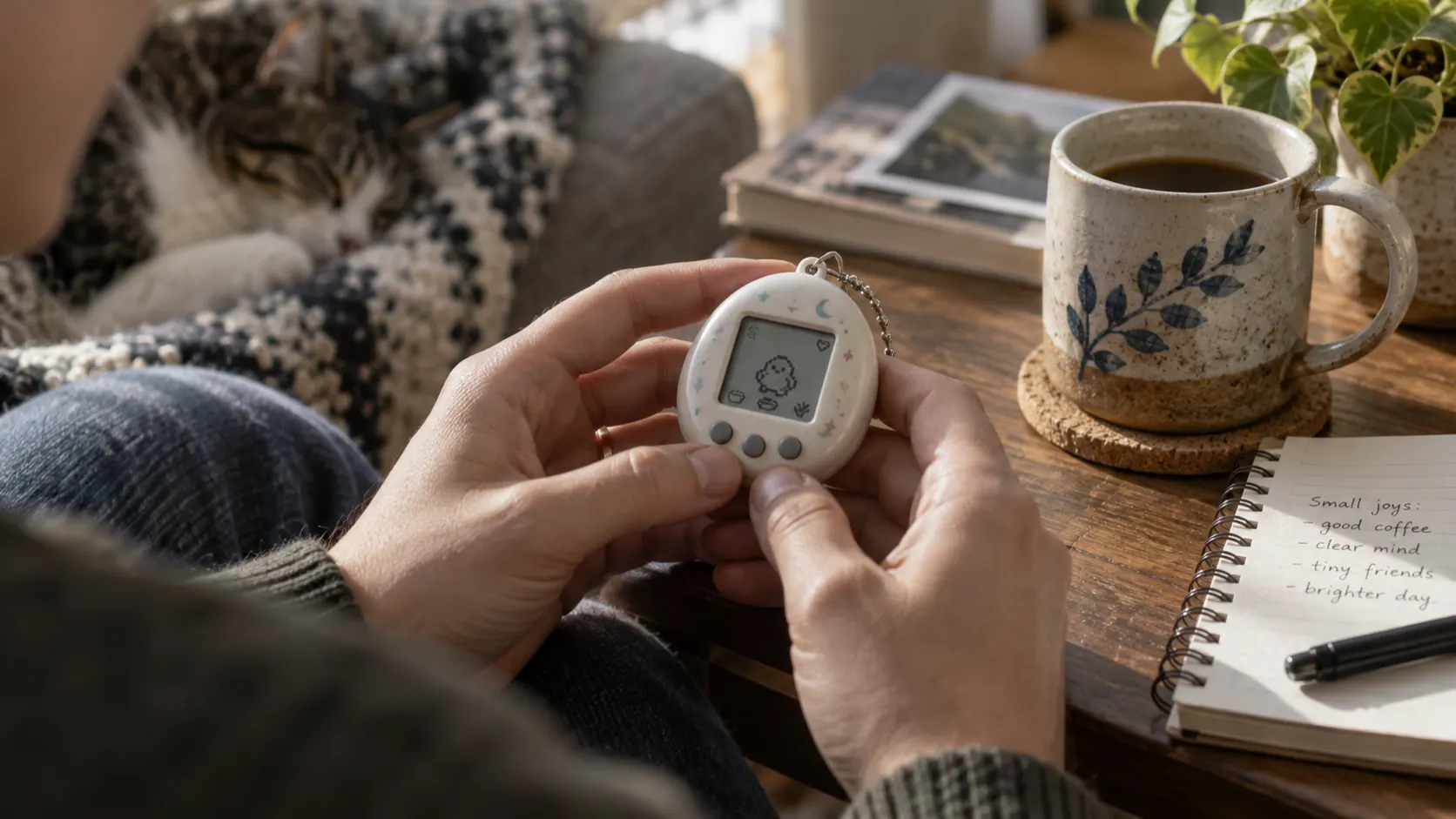
Tamagotchi
Keeping a tiny digital creature alive, and feeling genuinely guilty when you forget to.
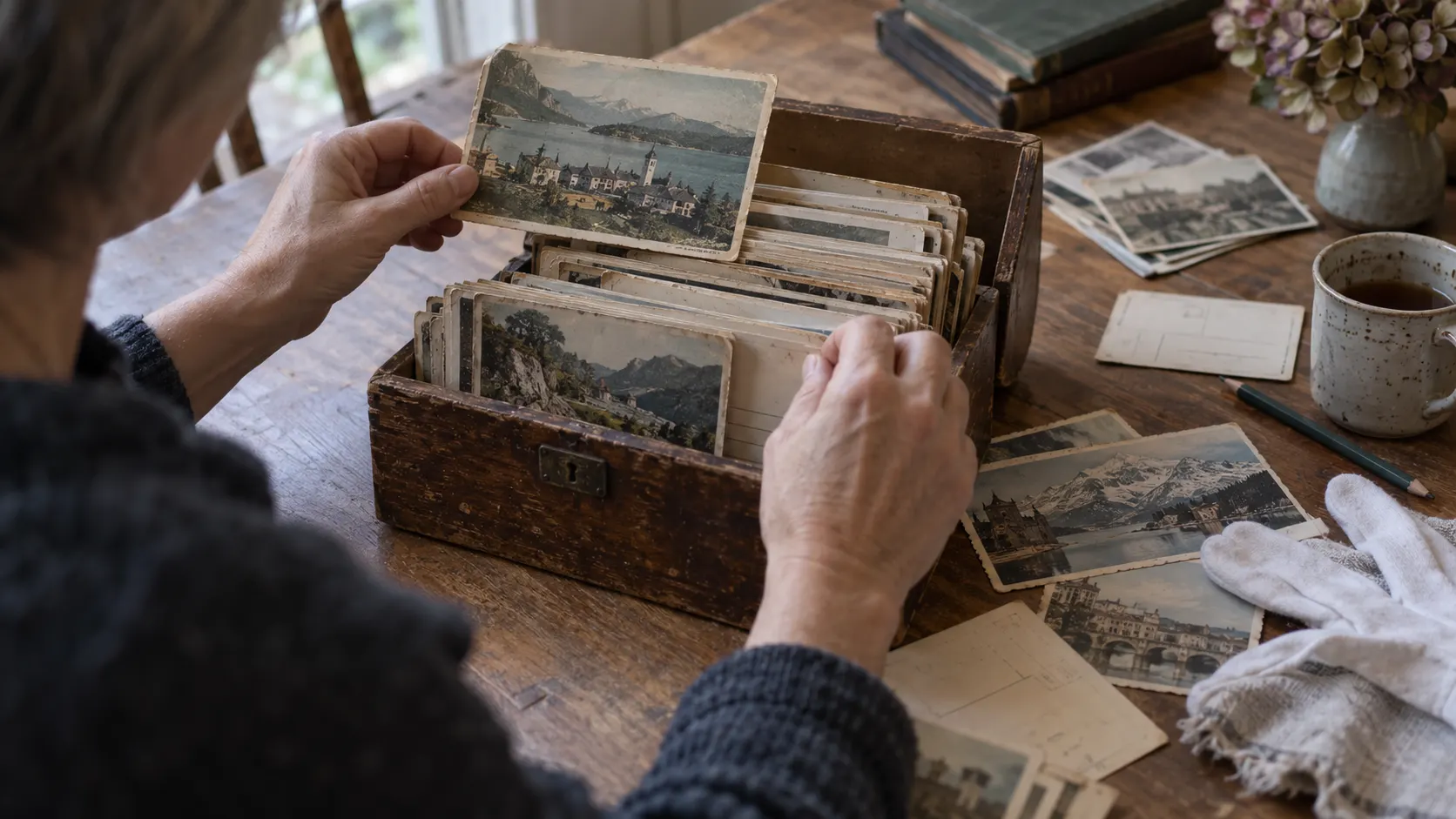
Postcard Collecting
Collecting other people's brief, decades-old vacation updates on purpose.
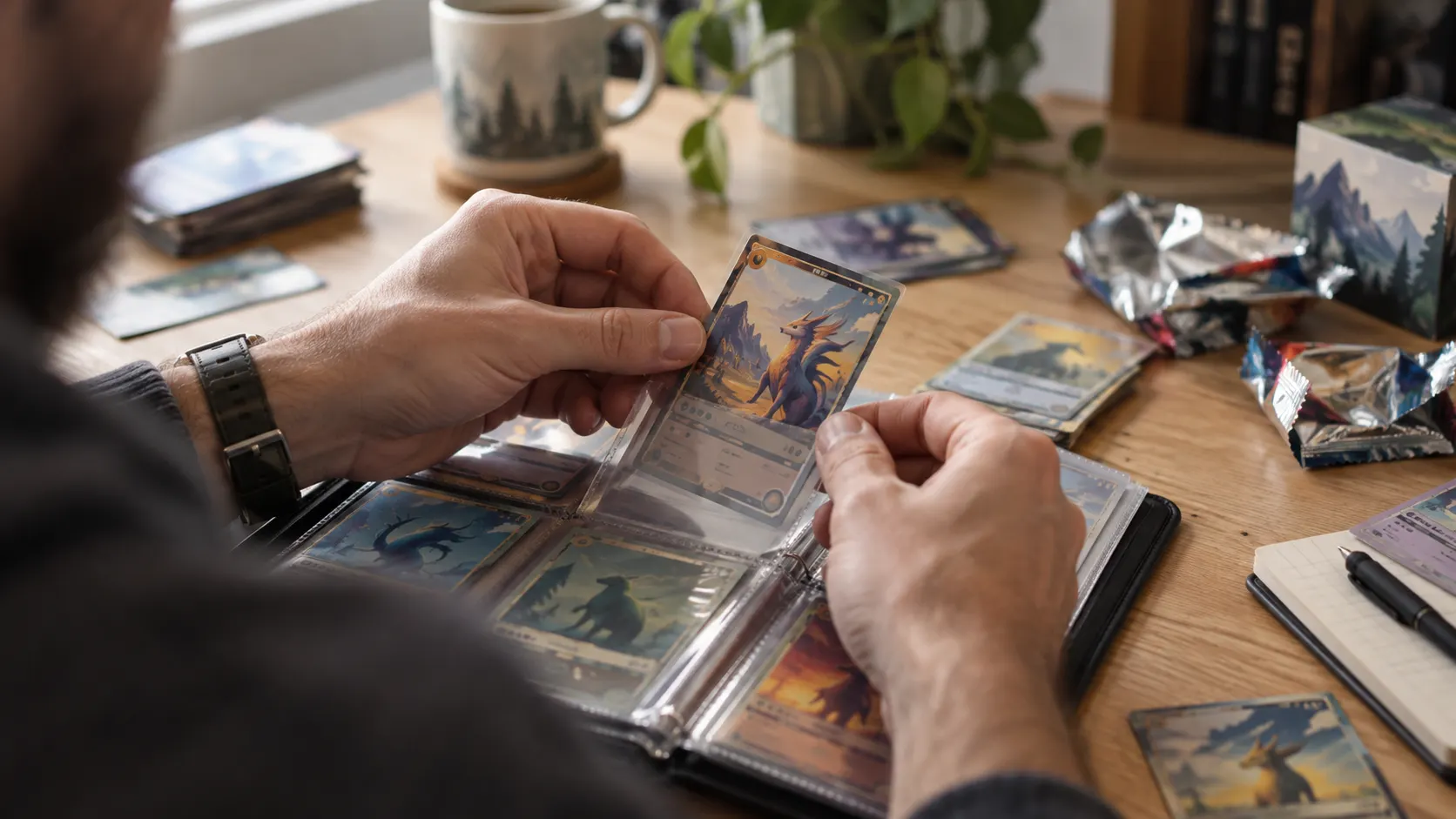
Pokémon Card Collecting
Opening little foil packets in search of a cardboard animal worth more than the packet.