
Hand Embroidery
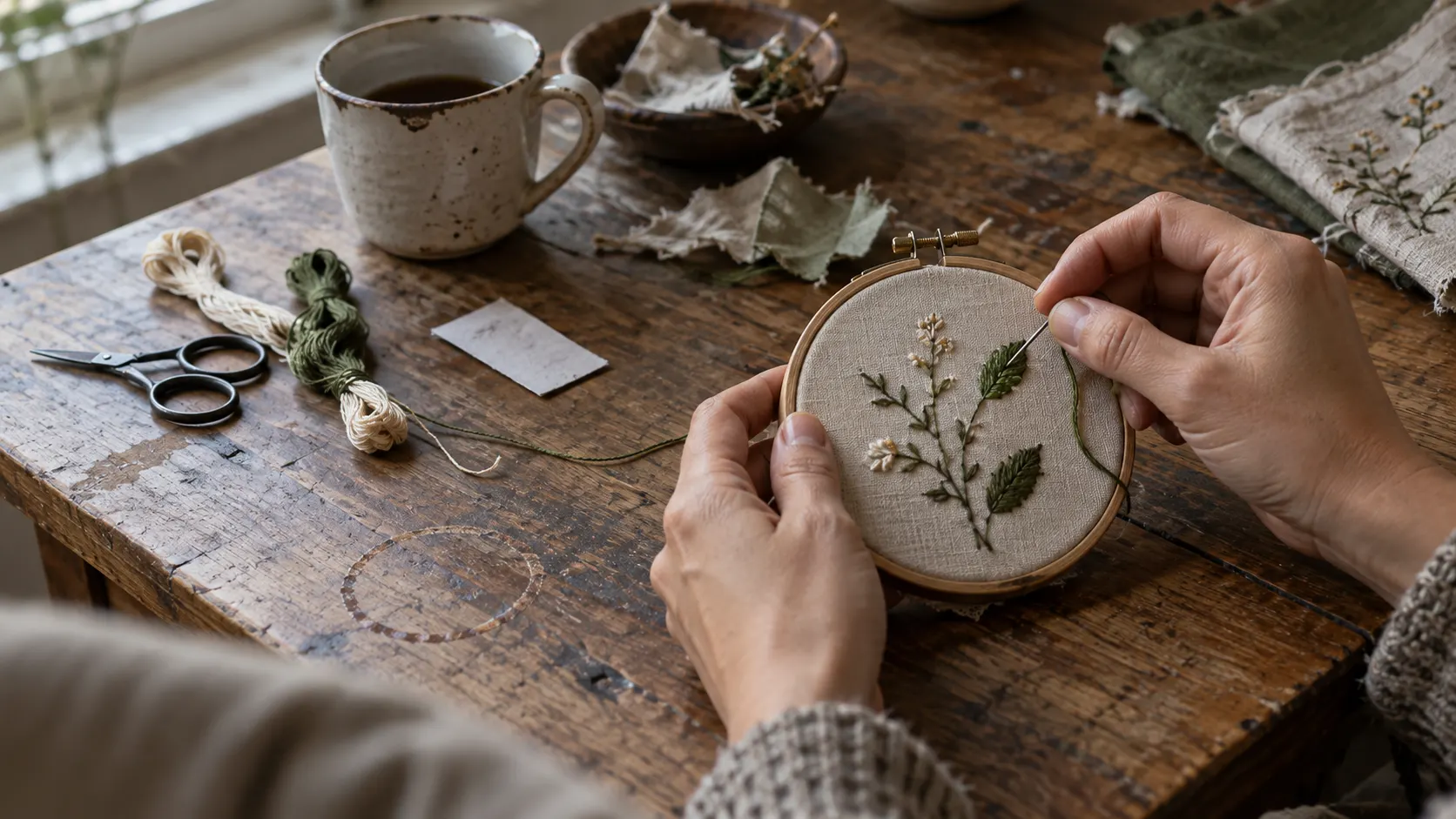
Stabbing fabric with a needle, repeatedly and on purpose, until a picture shows up.
- Cost to start
- ~$35 to start
- Learning curve
- 2 / 5
- Typical session
- 30–60 min
- Physical demand
- 1 / 10
- Social level
- 1 / 10
- Setting
- At home
Hand embroidery has an image problem — grandmothers, doilies, samplers that say "Home Sweet Home." In practice it's just thread and a needle turning a small hoop of fabric into a picture, one simple stitch repeated, and it's more forgiving of mistakes than almost any other visual craft, since a wonky stitch just gets picked out and redone.
What it costs
Bare-minimum start: about $10–15 — an embroidery hoop (~$5), a needle (~$4 for a small pack), and a spool of cotton thread in one color (~$3), stitched onto any scrap fabric you already have at home.
Practical setup: about $35. That's a small hoop set in a couple of sizes (~$8), a beginner needle assortment (~$5), a multi-color cotton thread pack (~$12), and a stamped beginner pattern or printable design on fabric (~$10) so you have something specific to follow for your first piece rather than starting from a blank hoop.
Optional later: an embroidery stand or lap frame that frees up both hands, specialty threads (metallic, silk, variegated) once you know your style, and a lightbox for tracing your own designs instead of using stamped patterns.
There's very little ongoing cost here — a spool of thread lasts many projects, and fabric scraps are cheap or free. This is one of the least expensive hobbies here to keep up once the starter kit is bought.
What to buy
A wooden or plastic hoop in a small size (4–6 inches) for your first projects — smaller hoops are easier to control than large ones. A basic needle assortment, since embroidery needles come in different sizes for different thread thicknesses. A multi-color cotton thread pack, six-strand is the standard, which separates into thinner strands for finer detail. A stamped or printed beginner pattern, so you're learning stitches on a real design rather than guessing at composition too.
Skip a large hoop, an embroidery machine, or a big thread collection before you know which stitches and colors you actually enjoy using — most beginners settle into using the same five or six stitches for a long time before branching out. You can also borrow a hoop or a few colors of thread from a crafting friend for your very first project before buying your own set.
How to start
Start with a stamped beginner pattern and just two stitches: a back stitch for outlines and a satin stitch for filling small shapes. You don't need to know more than that yet.
Practice on a scrap piece first to get thread tension consistent — too tight and the fabric puckers, too loose and stitches look sloppy — before starting on your actual project. Work in short sessions of thirty minutes to an hour; embroidery is genuinely easy on the eyes and hands compared to a lot of crafts, but staring at small stitches for hours still causes fatigue that shows up as uneven work. The most common beginner mistake is pulling thread too tight trying to make stitches "neat," which actually causes the puckering it's trying to avoid — a light, even tension almost always looks better than an aggressively tight one. A second common mistake is using thread that's too long, which tangles and knots as you stitch; cutting a shorter length and rethreading more often actually saves time overall.
Is it for you?
Hand embroidery suits people who want a quiet, portable craft that produces something to actually display or give away, and who don't mind a slow pace — a small design can take several sessions to finish. It's forgiving of mistakes in a way painting isn't, since a bad stitch is just removed and redone, which makes it a genuinely low-stress way to make something by hand. If you want fast, dramatic results, it'll frustrate you; if you like a repetitive, meditative task with a finished object at the end, it delivers reliably.
Starter gear
Soft suggestions to get going. These are affiliate links — buying through one may earn us a commission at no extra cost to you.
Tagged
More like this
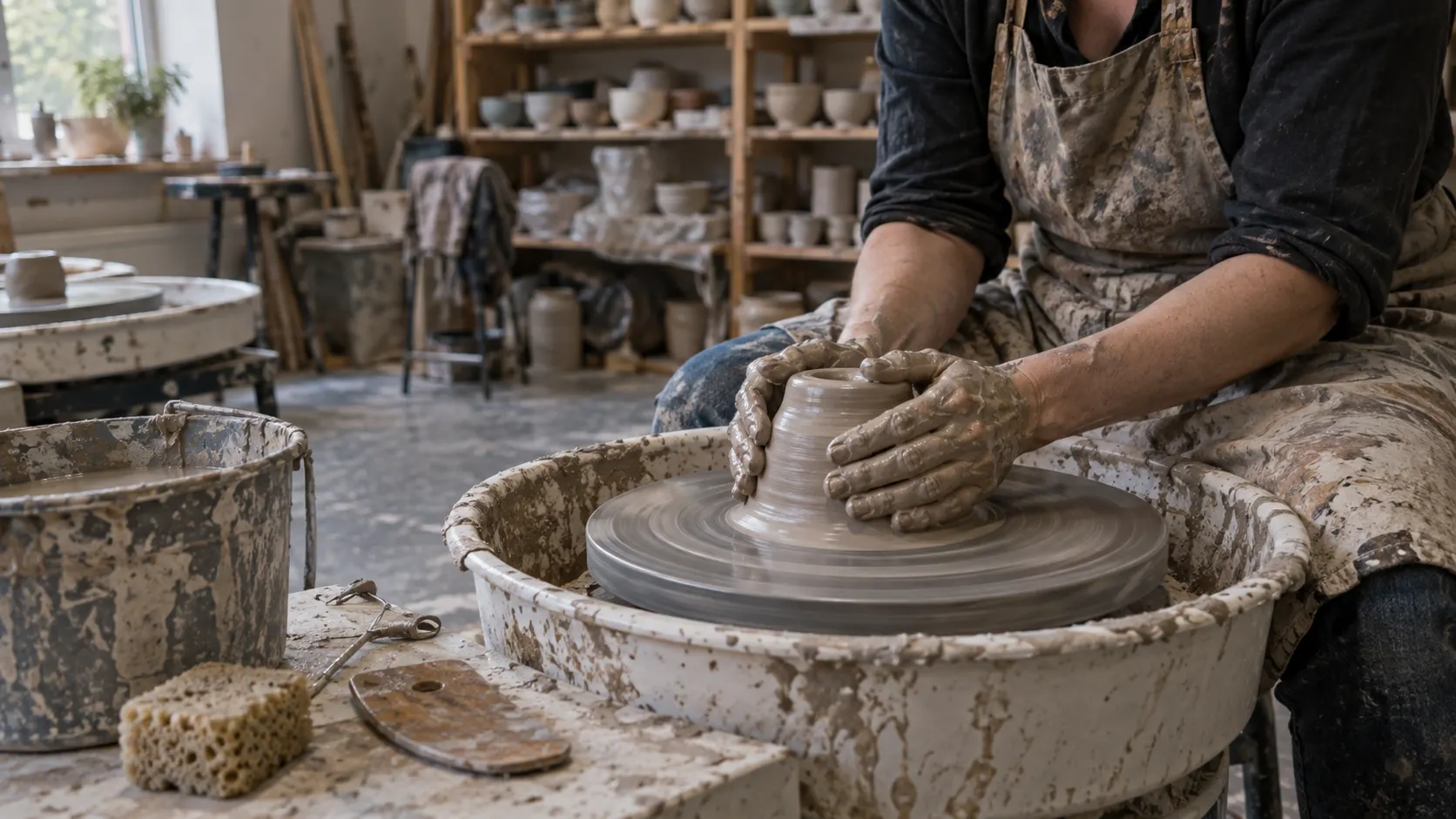
Pottery
Wet clay, a spinning wheel, and the humbling discovery that centering it is most of the job.
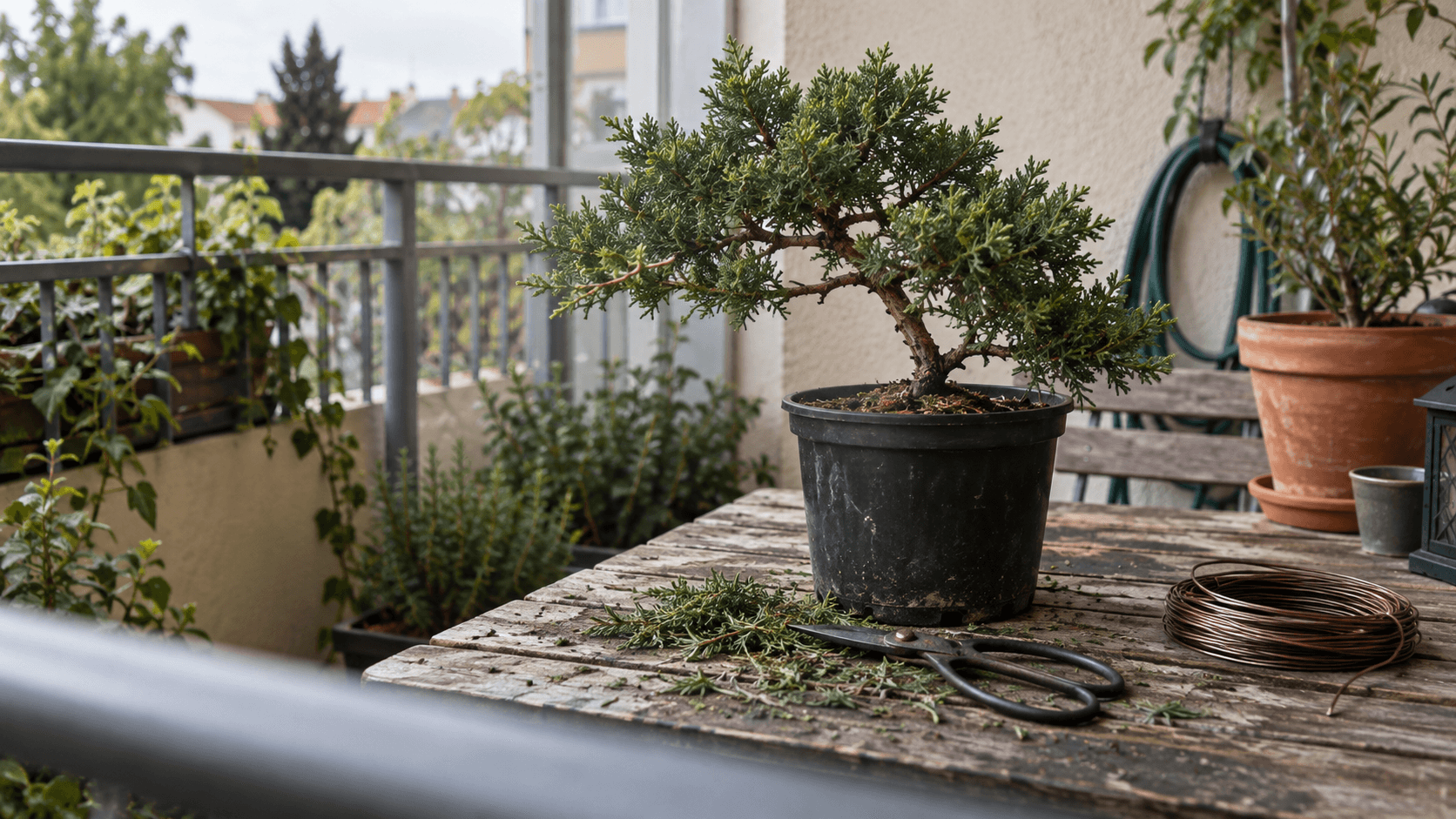
Bonsai
All the patience of meditation, except you end up with a tiny tree to show for it.
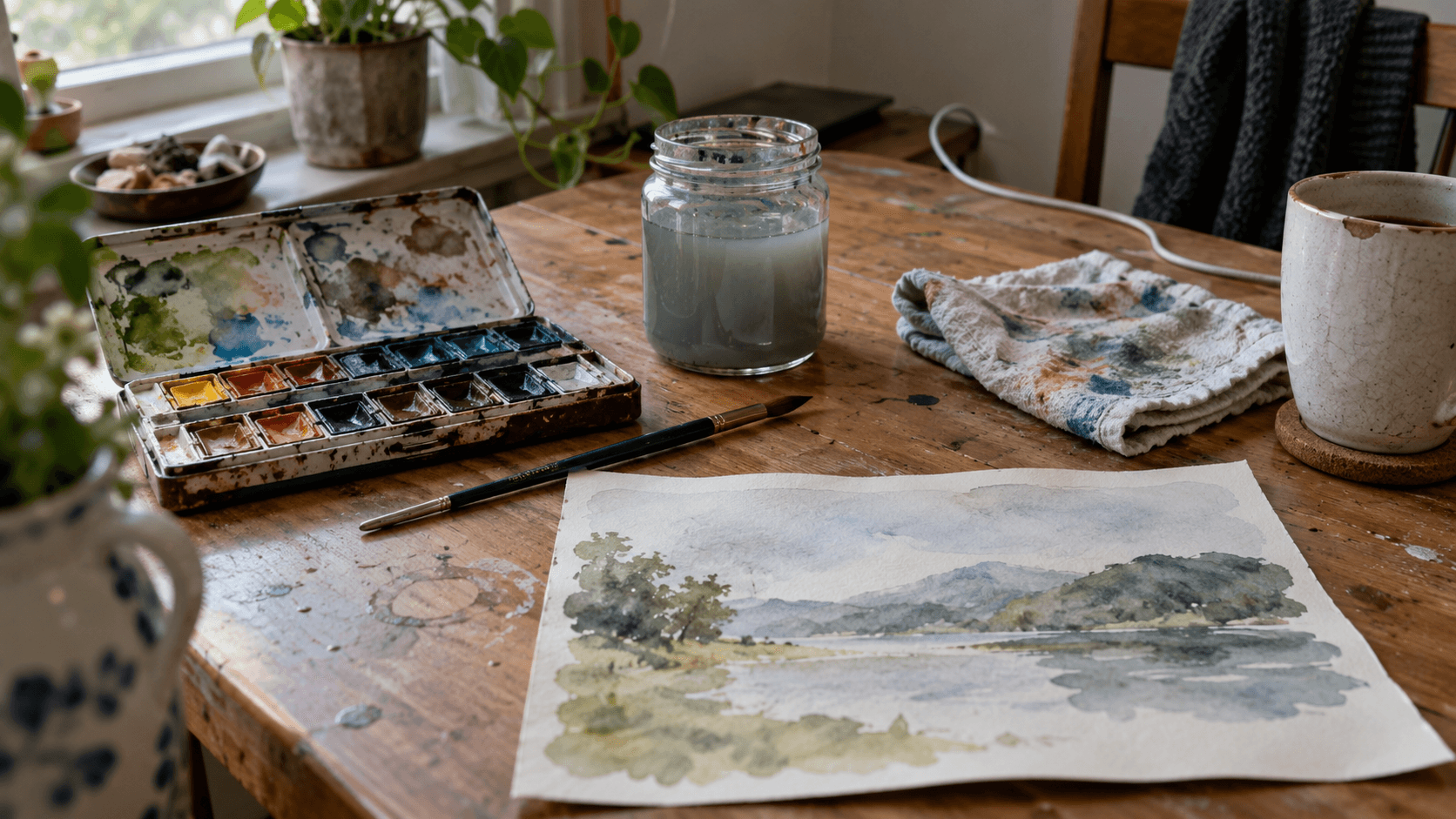
Watercolor Painting
The most portable way to make something lovely on a lunch break — where a happy accident still counts as skill.