
Macrame
Tying knots in a pattern nice enough that people assume you bought it at a market.
- Cost to start
- ~$45 to start
- Learning curve
- 1 / 5
- Typical session
- 45-90 min
- Physical demand
- 1 / 10
- Social level
- 1 / 10
- Setting
- At home
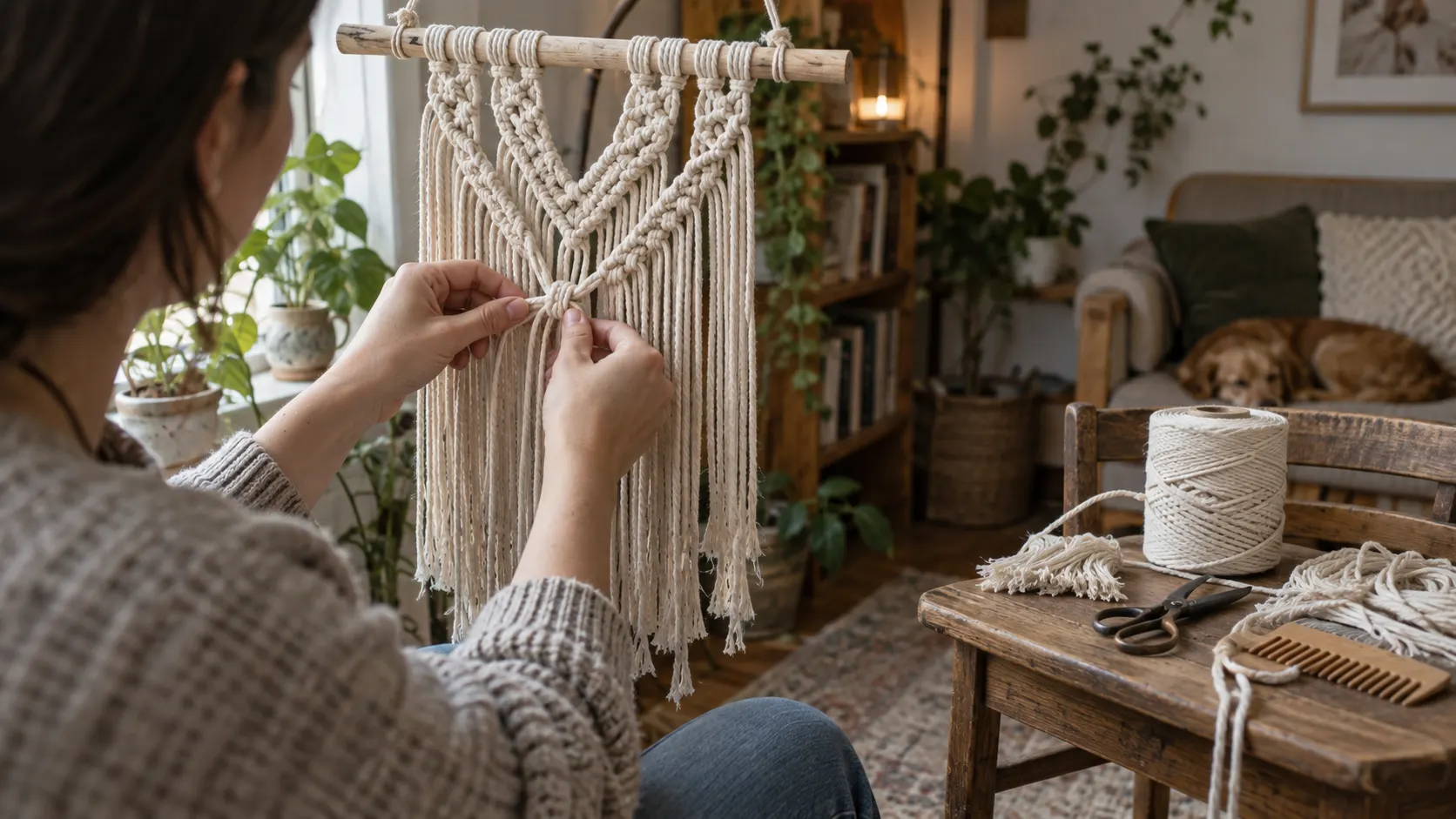
Macrame is decorative knotting — plant hangers, wall hangings, coasters — built entirely from a small handful of repeated knots tied in patterns. There's no loom, no needle, no glue; just cord and your hands, which makes it one of the more meditative, repetitive crafts on this whole site once a knot pattern clicks into muscle memory.
What it costs
Bare-minimum start: about $15 — a bundle of cotton cord and a wooden dowel or ring to hang your work from while you tie, following a free video tutorial for a basic plant hanger.
Practical setup: about $45. That's a good quality cotton macrame cord (3mm is a common beginner thickness), a wooden dowel or ring, a fringe comb for brushing out cord ends on finished pieces, and a pair of sharp scissors dedicated to cutting cord cleanly.
Optional later: a macrame board with measurement markings and pins for keeping patterns even and symmetrical as projects get more complex, specialty cord colors and thicknesses, wooden beads for pieces that incorporate them, and a set of S-hooks for hanging works-in-progress at a comfortable height while you knot. Some macrame artists also pick up a small torch or lighter for singeing synthetic cord ends to stop fraying, though this isn't needed for natural cotton cord, which is what most beginners start with anyway.
The one thing worth spending on early is decent cord — cheap, stiff cord fights you on every knot and makes the whole process more frustrating than it should be, while a soft, pliable cotton cord makes the actual knotting noticeably easier to learn on.
What to buy
Cotton macrame cord in a beginner-friendly thickness (3mm is common and forgiving). A wooden dowel or metal ring to anchor your project while working. Sharp scissors for clean cuts, since fraying cord ends are both annoying and look messy in a finished piece. A fringe comb, genuinely useful for brushing cord ends into a clean, even fringe.
Skip a full macrame board with pins for your first few projects; a dowel and basic measuring is enough while you're learning the core knots. Skip specialty or expensive cord colors before you've practiced the fundamental knots on plain, cheap cord — mistakes cost less to make on inexpensive material.
How to start
Start by learning three knots: the square knot, the spiral knot, and a simple gathering knot — these three alone build a huge share of beginner macrame patterns, including a basic plant hanger. You don't need a full pattern book or advanced tools yet.
Follow a video tutorial closely for your first piece rather than improvising, since knot tension and spacing consistency matter a lot for a clean final look and are easier to learn by mimicking than guessing. Keep your tension even and consistent across a piece — this single habit is what separates a beginner-looking project from a polished one, more than knot complexity does. The most common beginner mistake is pulling knots too tight or leaving them too loose inconsistently within the same piece, which is visually obvious once the piece is finished and hanging; practicing on scrap cord until tension feels automatic pays off fast.
Is it for you?
Macrame suits people who like repetitive, rhythmic hand work and want a genuinely decorative, giftable result without needing to draw, paint, or sculpt anything. It rewards patience and consistency more than any artistic skill going in. If you want quick results, larger pieces genuinely take real time — a wall hanging can be several hours of steady knotting. If you like the idea of a craft you can do while half-watching something else once the knots become automatic, macrame settles into exactly that rhythm fast.
Starter gear
Soft suggestions to get going. These are affiliate links — buying through one may earn us a commission at no extra cost to you.
Tagged
More like this

Mixology
Measuring liquids precisely so that later you can drink them less precisely.
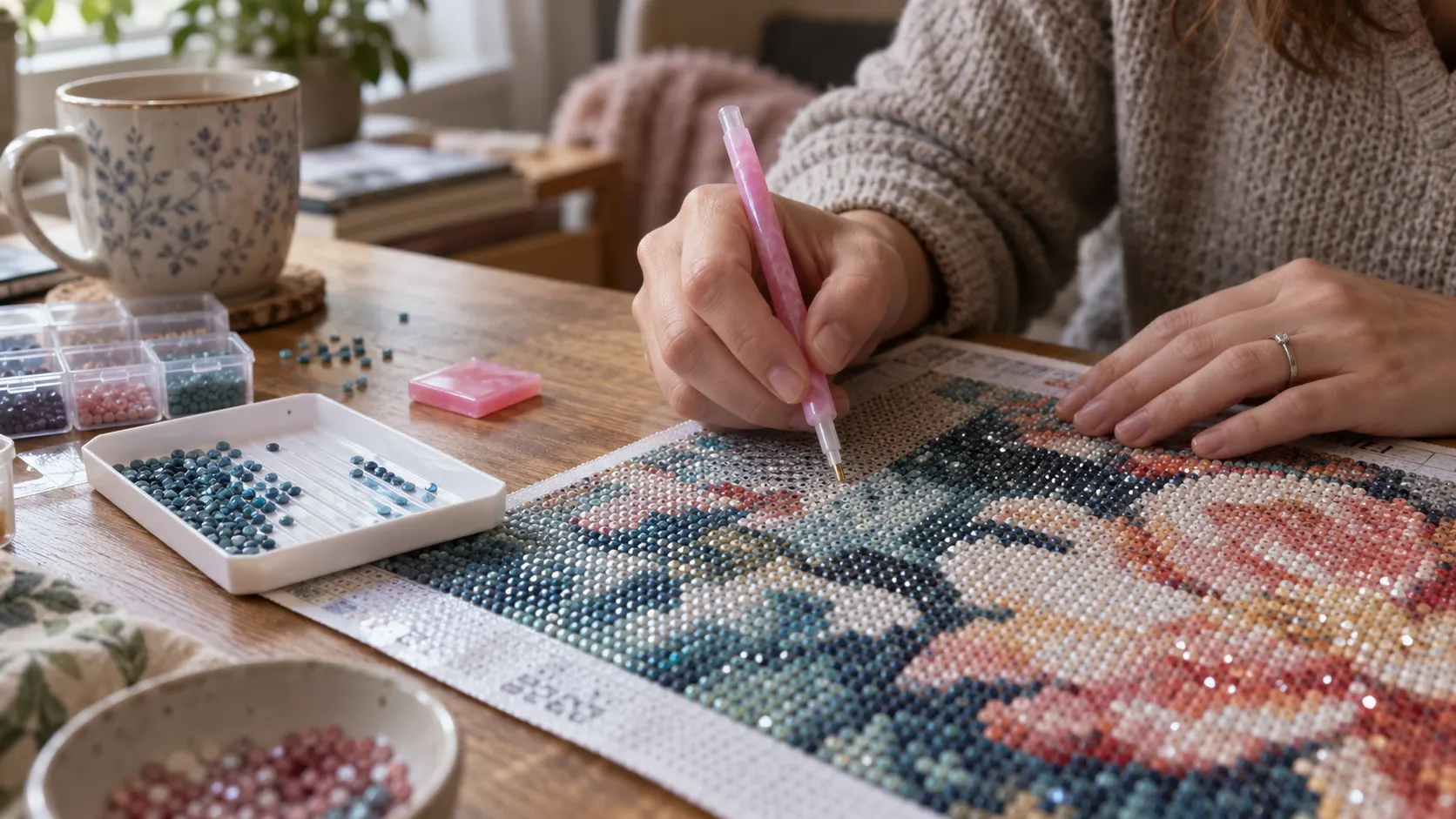
Diamond Art
Paint by numbers for people who found paint by numbers insufficiently sparkly.
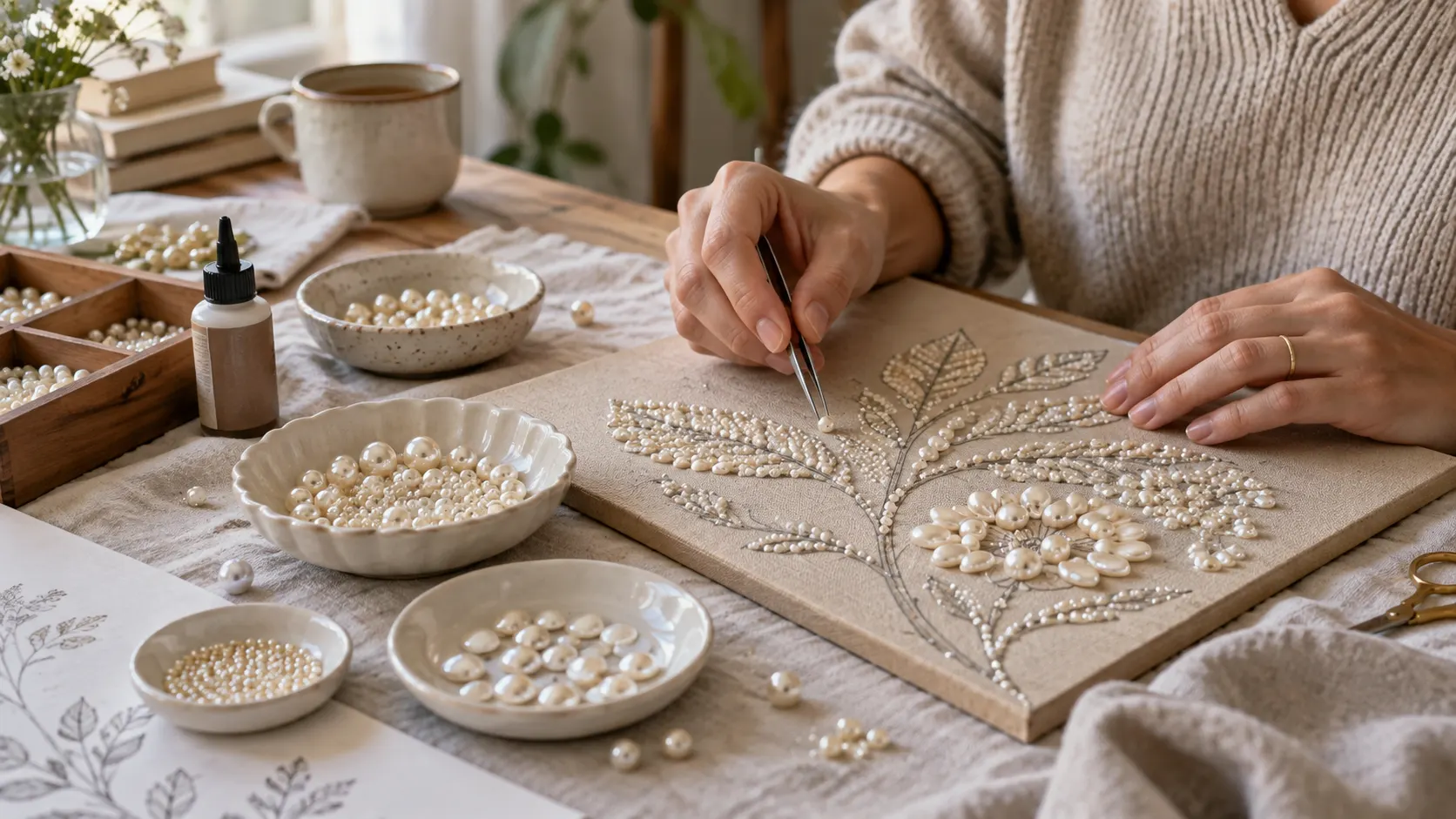
Pearl Art
Diamond art's quieter cousin, for people who think glitter is a little much.
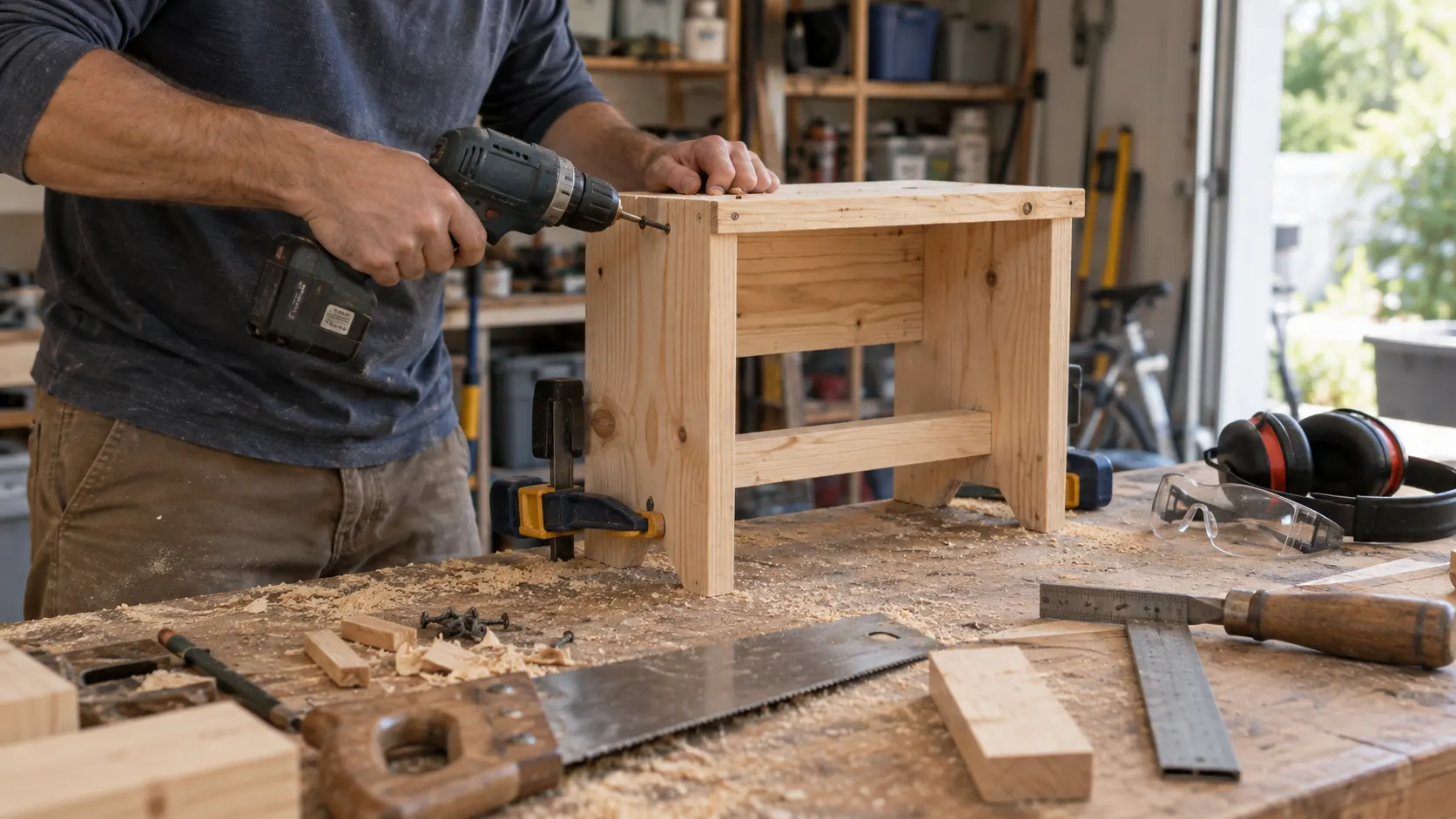
Woodworking
Turning boards into furniture, or, on your first attempt, into a wobbly cautionary tale.
Rock Tumbling
Putting ugly rocks in a machine for a week so they come out looking expensive.