Perfume Making
Mixing chemicals in your kitchen until you smell like a slightly more mysterious version of yourself.
- Cost to start
- ~$80 to start
- Learning curve
- 3 / 5
- Typical session
- 45-90 min
- Physical demand
- 1 / 10
- Social level
- 1 / 10
- Setting
- At home
Perfume making means blending fragrance oils and alcohol (or oil-based carriers) into your own scent, built around the classic top/middle/base note structure that gives a perfume its character as it evolves on skin over hours. It's chemistry with a genuinely personal payoff — a scent that's yours, built from notes you actually chose rather than whatever a brand decided to sell.
What it costs
Bare-minimum start: about $25 — a small beginner fragrance oil set covering a few basic notes and a bottle of perfumer's alcohol, mixed by trial and error in small test batches.
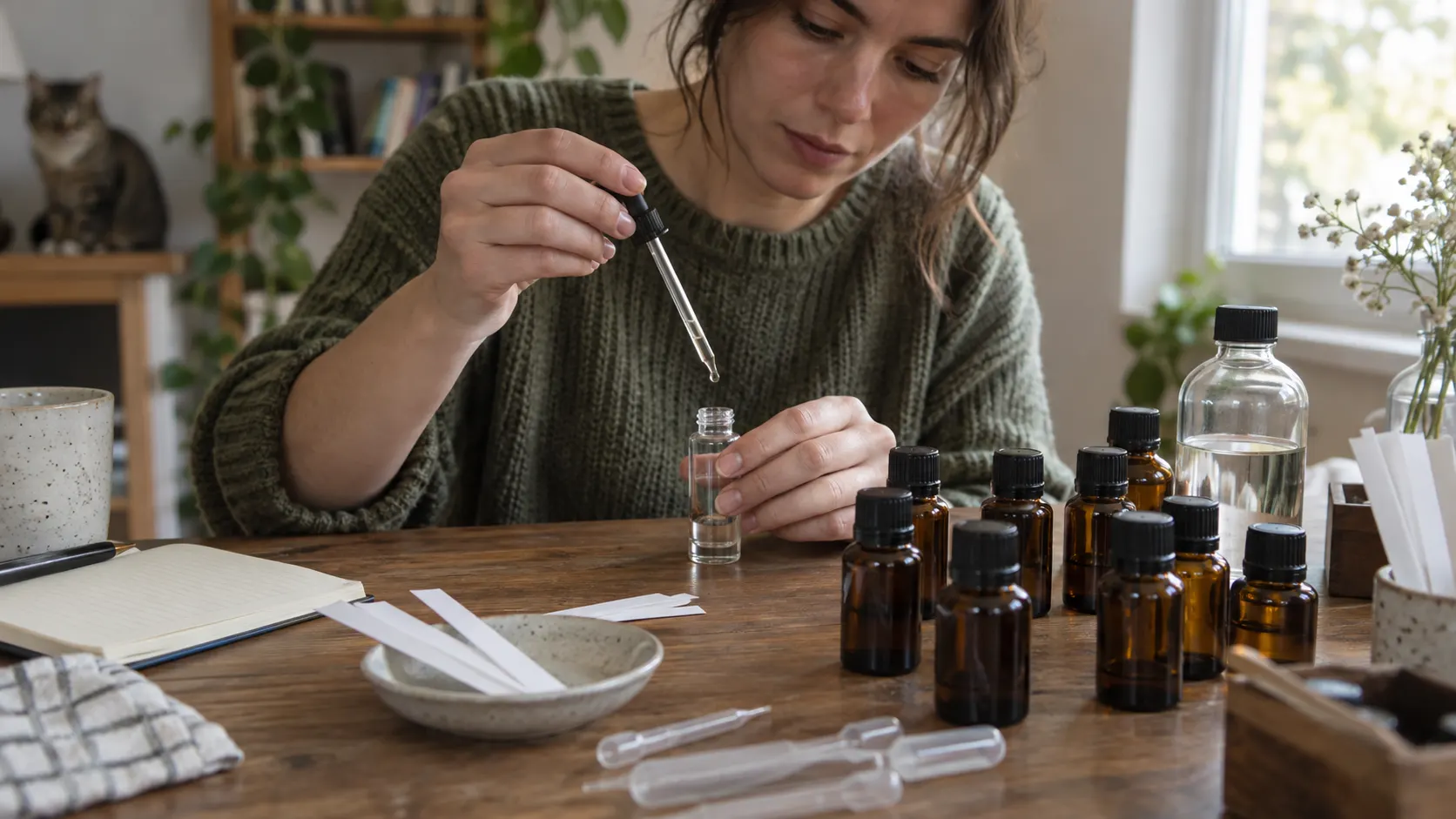
Practical setup: about $80. That's a broader set of fragrance oils spanning top, middle, and base notes (citrus and light florals for top; heavier florals and spice for middle; musk, vanilla, and woods for base), perfumer's alcohol or a carrier oil, small glass mixing vials, and a set of pipettes for precise, repeatable measuring.
Optional later: a wider palette of specialty and natural essential oils, actual perfume bottles with sprayers for finished batches, formal perfumery courses if you want to go deeper into the actual chemistry and blending theory, and a set of blotter strips specifically made for fragrance testing, which hold scent more evenly than regular paper.
The one thing worth spending on is pipettes for accurate measuring — perfume blending is genuinely a numbers game, and eyeballing drops makes a formula impossible to replicate once you land on a combination you like, especially once a formula involves more than three or four different oils at once.
What to buy
A fragrance oil starter set spanning top, middle, and base notes — a real perfume needs at least one from each category to have proper structure and longevity. Perfumer's alcohol (or a carrier oil for an oil-based perfume) as your base. Small glass vials for mixing and testing. Pipettes for precise, repeatable measuring.
Skip buying a huge fragrance oil collection before you understand basic note structure; a dozen or so oils across the three note categories is plenty to build genuine formulas while learning. Skip fancy finished bottles until you've landed on a formula you actually like and want to bottle for real use.
How to start
Start with a simple three-note formula: one top note, one middle note, one base note, mixed in a small test batch and recorded precisely by drop count or milliliter. You don't need a large oil collection yet — three or four oils total covers your first several experiments.
Test on a paper strip first before applying to skin, and let a blend rest for at least 24-48 hours before final judgment — perfume changes noticeably as it settles, and an instant impression is often misleading. Keep meticulous notes on every ratio you try; the formula that finally works is nearly impossible to recreate without a written record of what you actually used. The most common beginner mistake is overloading a blend with too many notes at once, muddying the whole thing — a clean formula with three or four well-chosen notes usually smells more intentional than one with a dozen competing for attention.
Is it for you?
Perfume making suits people who like precise, methodical experimentation with a genuinely personal, wearable result. It rewards careful record-keeping and patience through the testing process more than any innate sense of smell — that sense sharpens with deliberate practice. If you want instant results, good formulas typically take several rounds of testing and resting before they're right. If you've ever worn a scent you loved and wondered what was actually in it, or wanted something nobody else smells like, this hobby is built entirely around answering that for yourself.
Starter gear
Soft suggestions to get going. These are affiliate links — buying through one may earn us a commission at no extra cost to you.
Tagged
More like this
Mixology
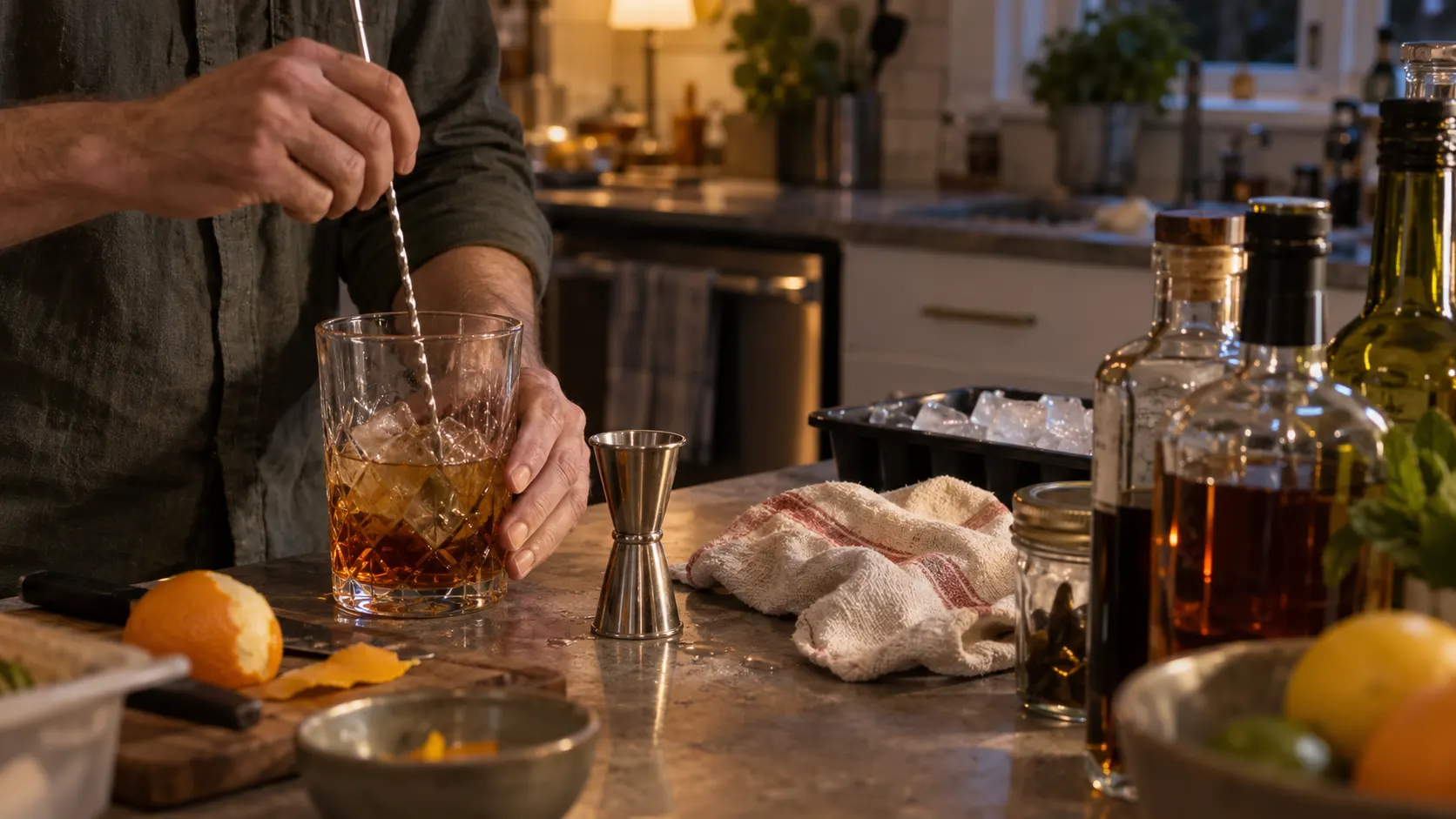
Measuring liquids precisely so that later you can drink them less precisely.
Diamond Art
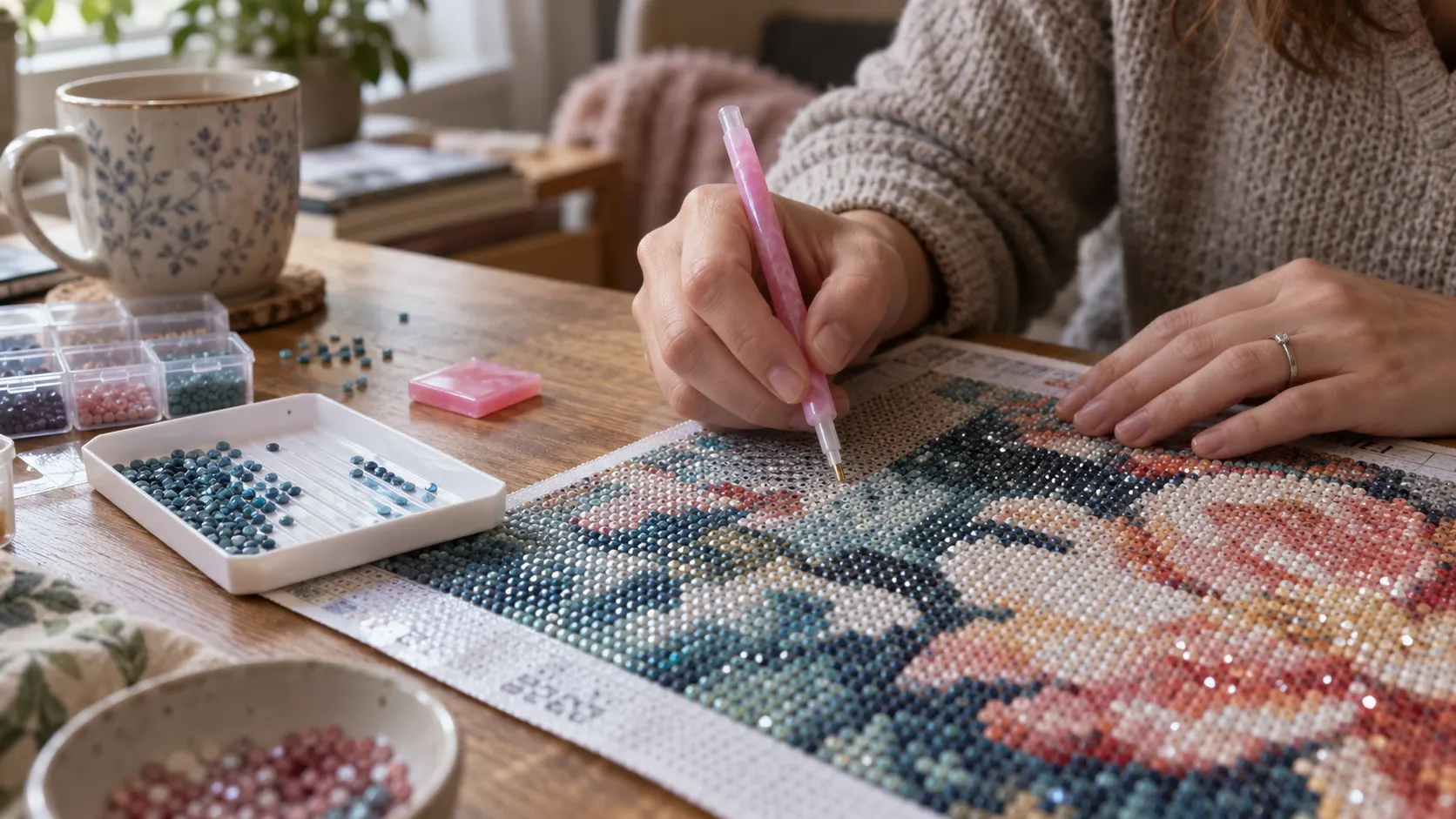
Paint by numbers for people who found paint by numbers insufficiently sparkly.
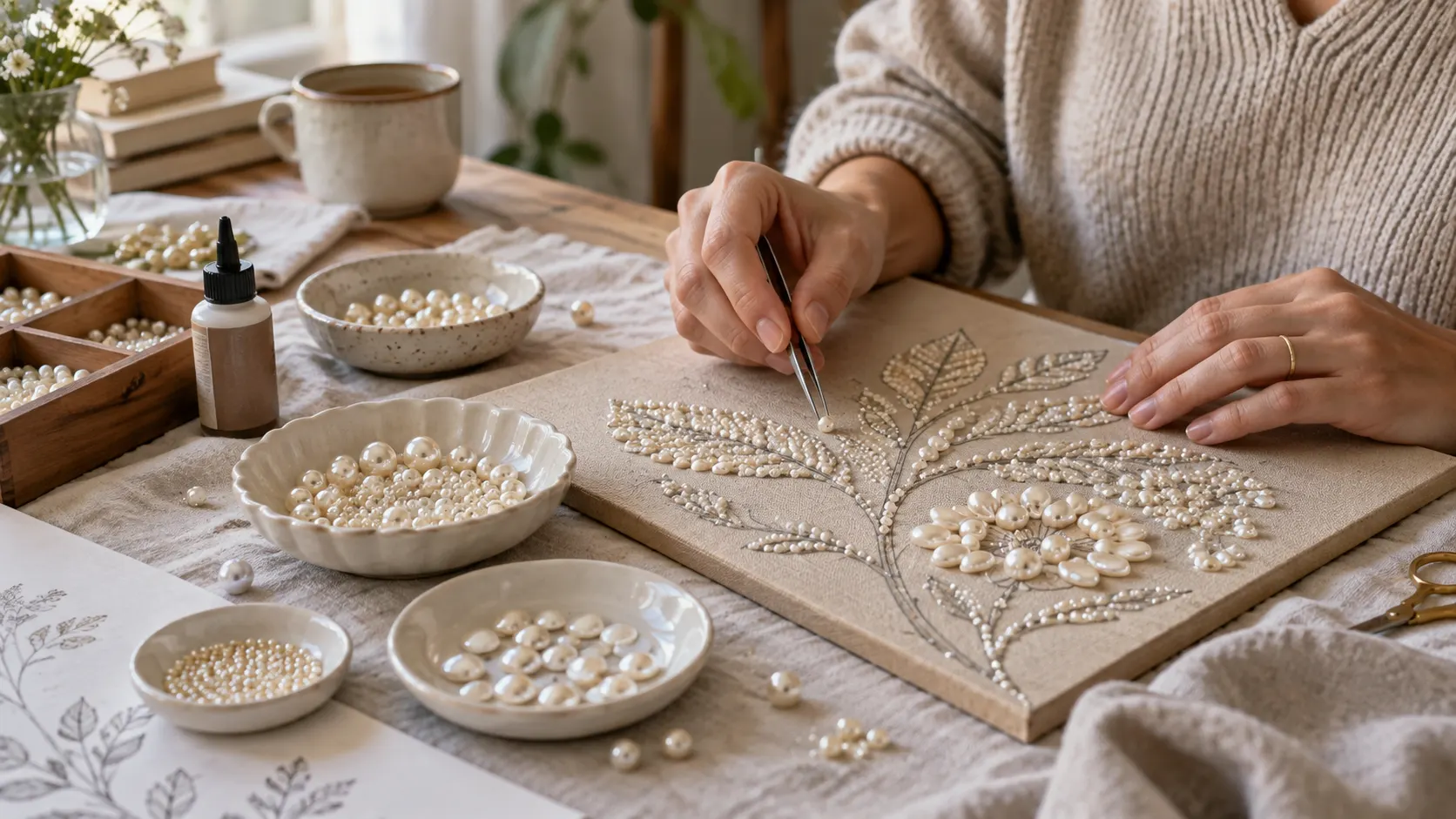
Pearl Art
Diamond art's quieter cousin, for people who think glitter is a little much.
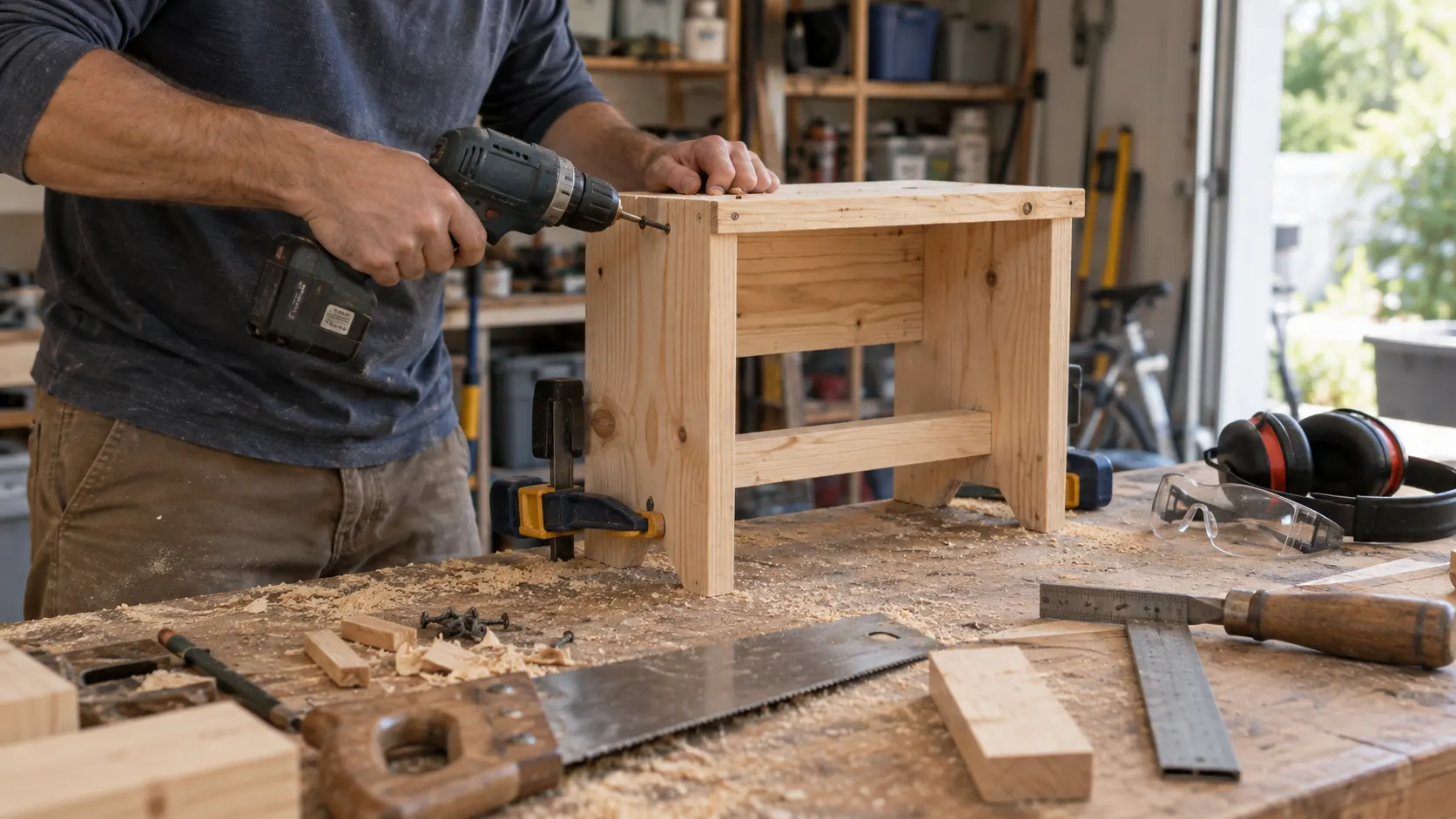
Woodworking
Turning boards into furniture, or, on your first attempt, into a wobbly cautionary tale.
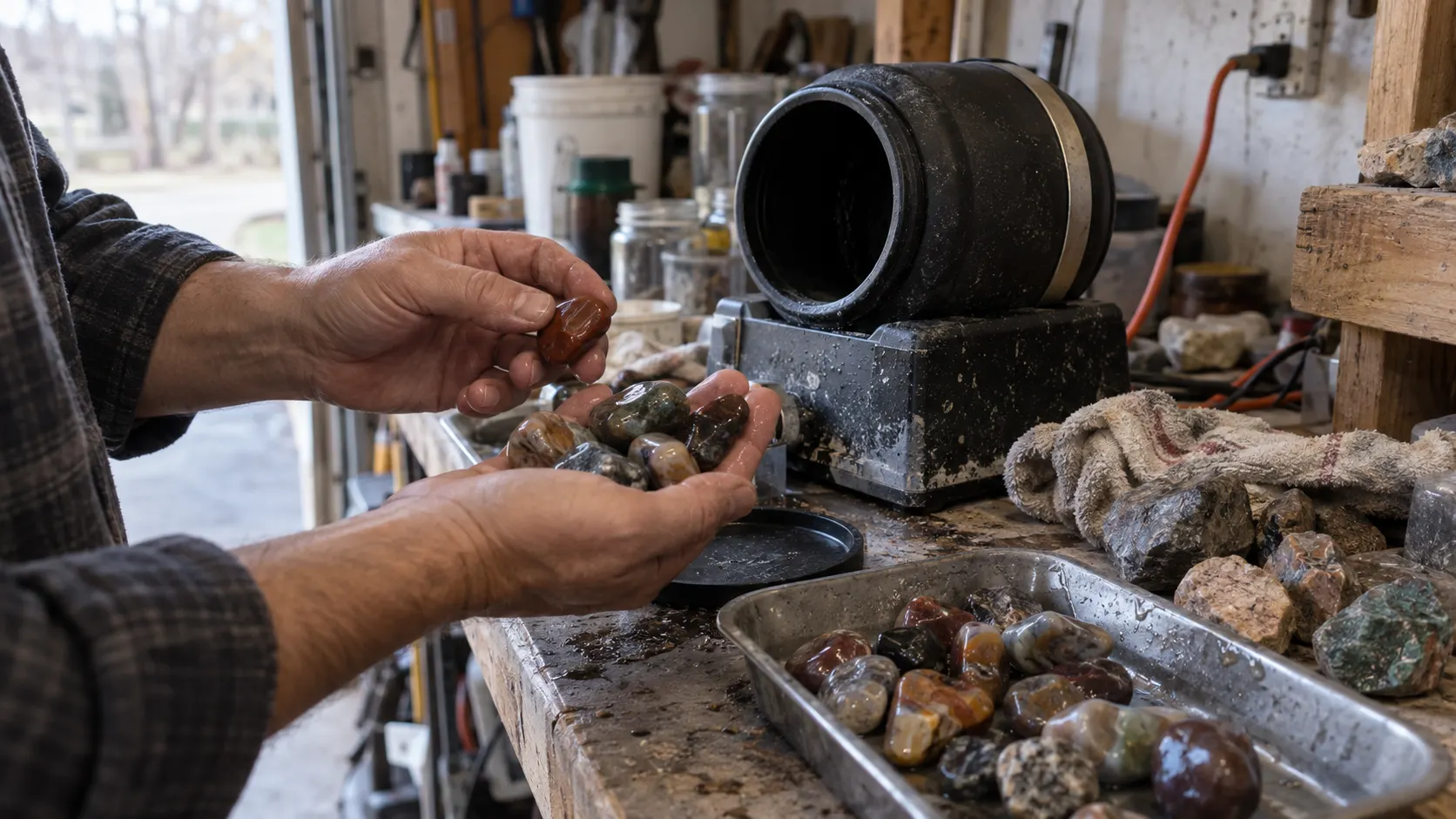
Rock Tumbling
Putting ugly rocks in a machine for a week so they come out looking expensive.