
Quilting
Turning a pile of fabric scraps into a blanket your family will fight over after you're gone.
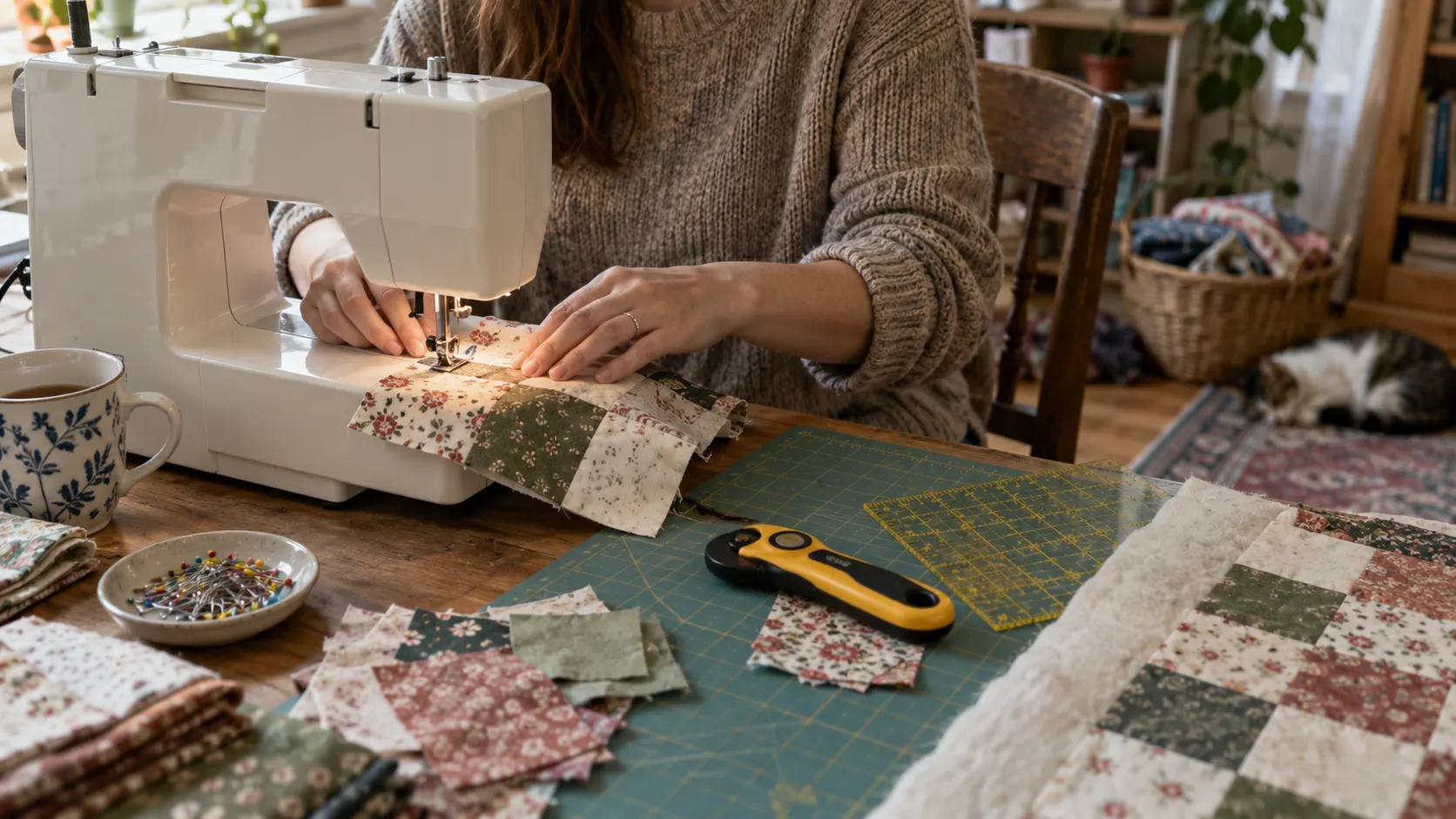
- Cost to start
- ~$150 to start
- Learning curve
- 3 / 5
- Typical session
- 60-120 min
- Physical demand
- 1 / 10
- Social level
- 2 / 10
- Setting
- At home
Quilting is piecing cut fabric into a patterned top layer, then layering and stitching it together with batting and a backing into a finished quilt. It has a reputation as a slow, old-fashioned craft, and the traditional version genuinely can take months — but modern tools and simpler beginner patterns make a first small project (a table runner, a baby quilt) far more achievable than people expect.
What it costs
Bare-minimum start: about $25 — a fat quarter bundle (pre-cut fabric pieces) and basic sewing supplies you may already own — needle, thread, scissors — for a small hand-pieced project like a simple patchwork square.
Practical setup: about $150. That's a basic sewing machine (a genuine speed and consistency upgrade over hand-piecing for anything beyond a tiny project), a rotary cutter and self-healing cutting mat for accurate fabric cutting, an acrylic quilting ruler, and fabric plus batting for a small first quilt.
Optional later: a walking foot attachment for your machine (makes quilting through multiple layers far more manageable), a larger cutting mat and ruler set for bigger projects, specialty tools like templates for curved piecing once you're past straight-line patterns, and quilting pins or clips for holding layers together while stitching, which matter more as project size grows.
The one thing worth spending on early is a rotary cutter and proper mat — accurate, straight cuts are foundational to quilt piecing fitting together cleanly, and scissors alone make that consistency much harder to achieve.
What to buy
A sewing machine, even a basic beginner model, if you want to move beyond a tiny hand-pieced project. A rotary cutter and self-healing mat. An acrylic quilting ruler for straight, accurate cuts. Fabric (cotton quilting fabric is standard) and batting for your project's filling layer.
Skip a longarm quilting machine or professional-grade equipment entirely as a beginner — a regular sewing machine with a walking foot handles small to medium quilts fine, and many quilters use one for their entire hobby life, sending only occasional large projects out to a longarm service if needed. Skip large or complex patterns for a first project; a simple nine-patch or basic strip quilt teaches core piecing skills without the frustration of a pattern beyond your current level.
How to start
Start with a small project — a table runner or a baby-quilt-sized piece — using a simple, repetitive block pattern like a nine-patch. You don't need a walking foot or advanced tools yet for a straightforward first project.
Cut fabric pieces accurately and consistently before sewing anything — quilting piecing depends on precise, uniform pieces fitting together, and small cutting errors compound visibly across a whole quilt top. Use a consistent seam allowance (a quarter inch is standard in quilting) throughout your project, since inconsistent seams cause blocks to not line up as the quilt grows. The most common beginner mistake is rushing the cutting stage to get to the more satisfying sewing part; quilting rewards patience at the cutting and pressing stages disproportionately, since a mistake there is much harder to fix than a stitching error.
Is it for you?
Quilting suits people who like methodical, repetitive piecework building toward a large, genuinely meaningful finished object — a quilt is a real heirloom-quality item in a way few other craft outputs are. It rewards patience and precision more than any artistic training. If you want quick results, even small quilts take multiple sessions across cutting, piecing, and finishing. If you like the idea of a project that grows visibly with each session and ends in something people keep for decades, quilting delivers that more directly than almost any other craft here.
Starter gear
Soft suggestions to get going. These are affiliate links — buying through one may earn us a commission at no extra cost to you.
Tagged
More like this
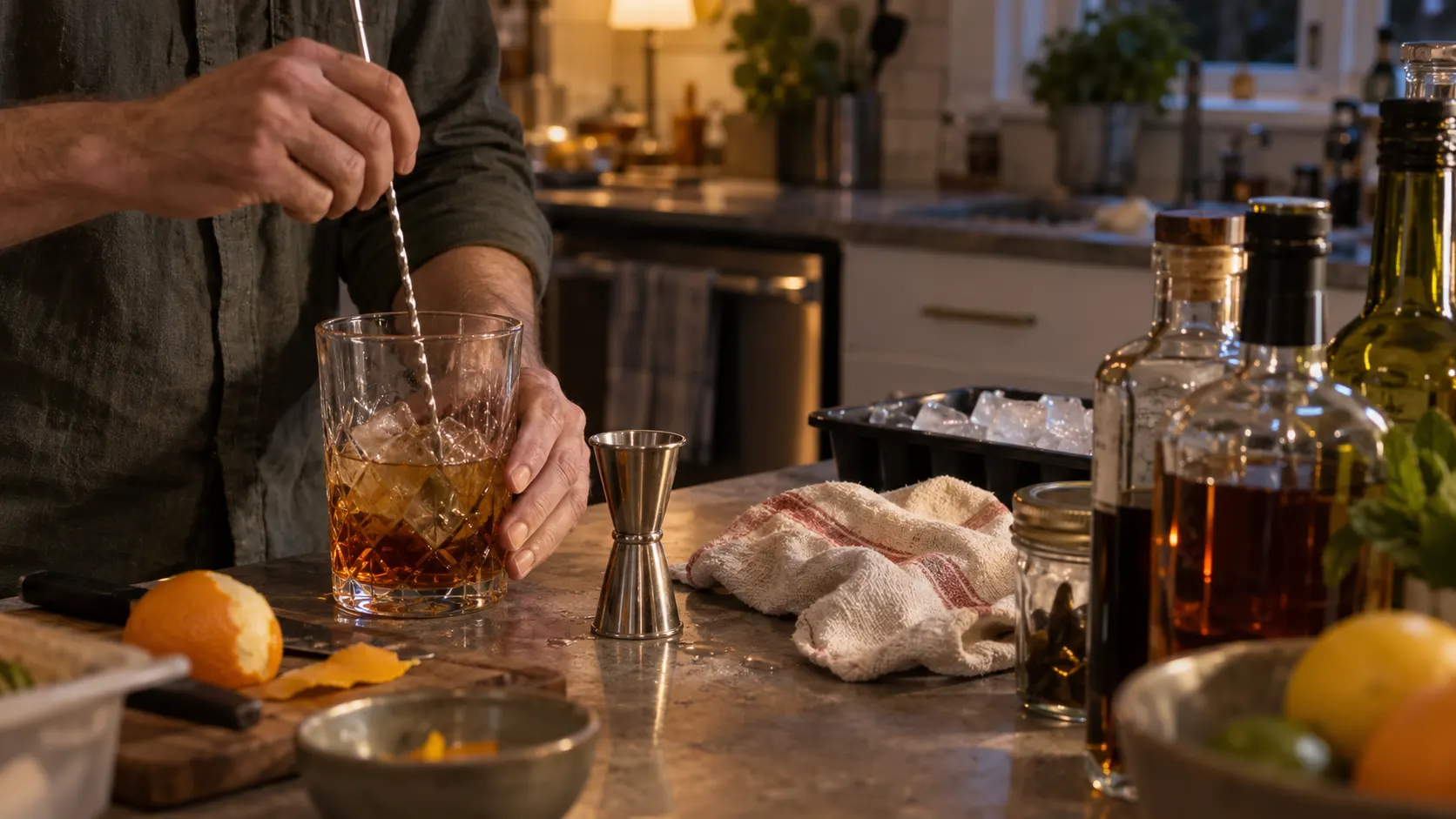
Mixology
Measuring liquids precisely so that later you can drink them less precisely.
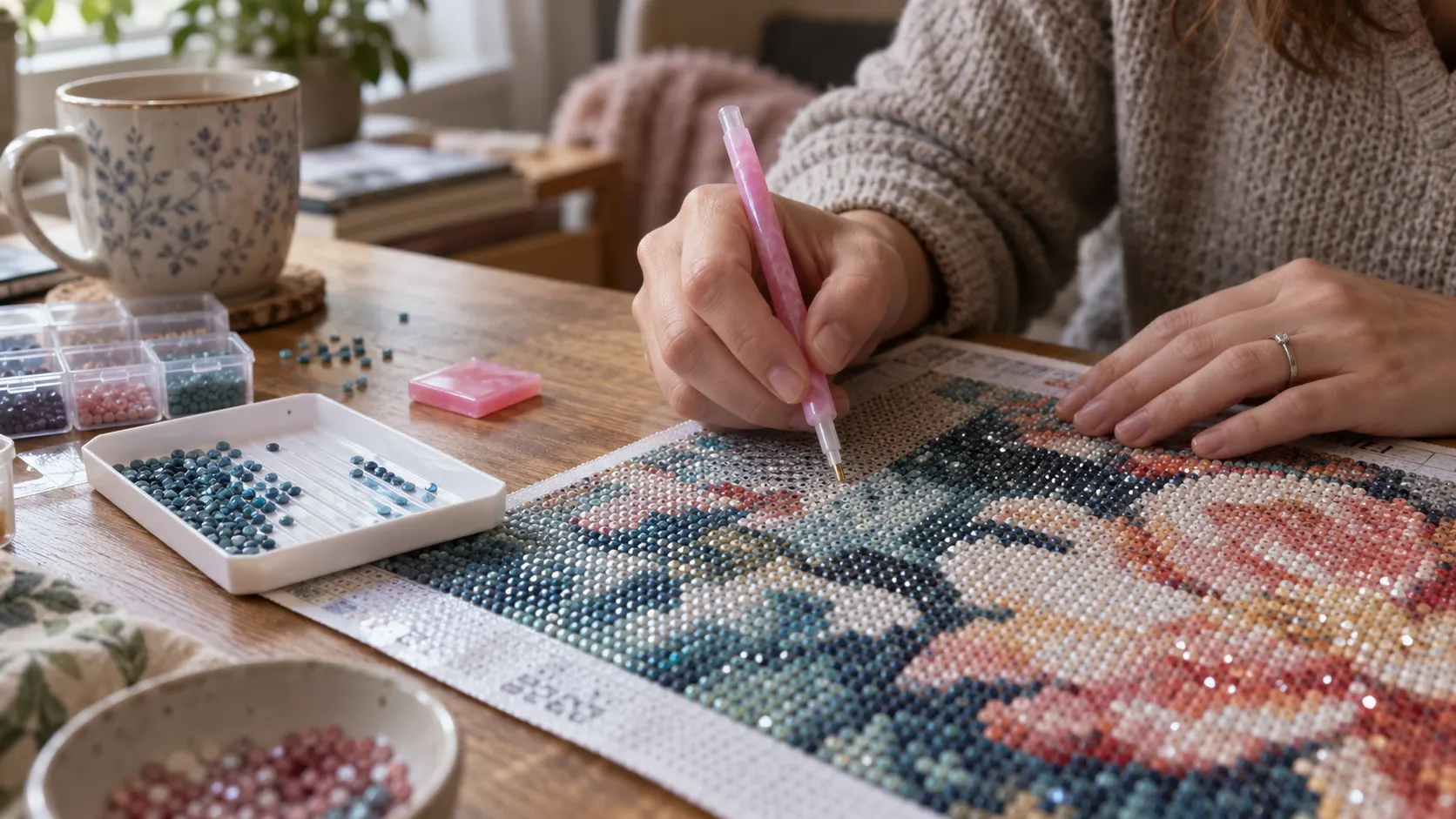
Diamond Art
Paint by numbers for people who found paint by numbers insufficiently sparkly.
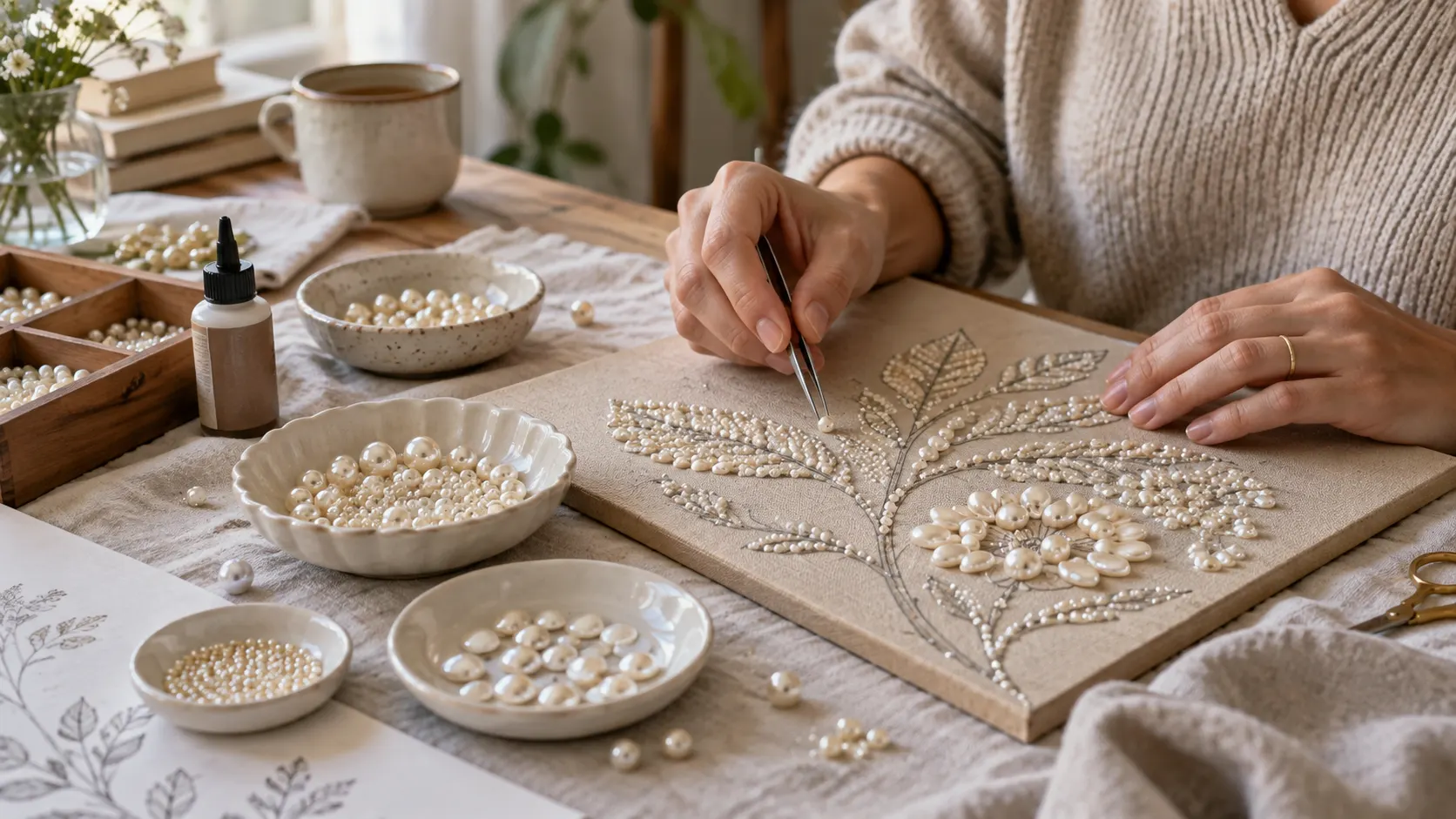
Pearl Art
Diamond art's quieter cousin, for people who think glitter is a little much.
Woodworking
Turning boards into furniture, or, on your first attempt, into a wobbly cautionary tale.
Rock Tumbling
Putting ugly rocks in a machine for a week so they come out looking expensive.