Urban Sketching
Drawing what is actually in front of you, badly, in public, until it slowly stops being so bad.
- Cost to start
- ~$45 to start
- Learning curve
- 3 / 5
- Typical session
- 30–60 min
- Physical demand
- 2 / 10
- Social level
- 3 / 10
- Setting
- Outdoors
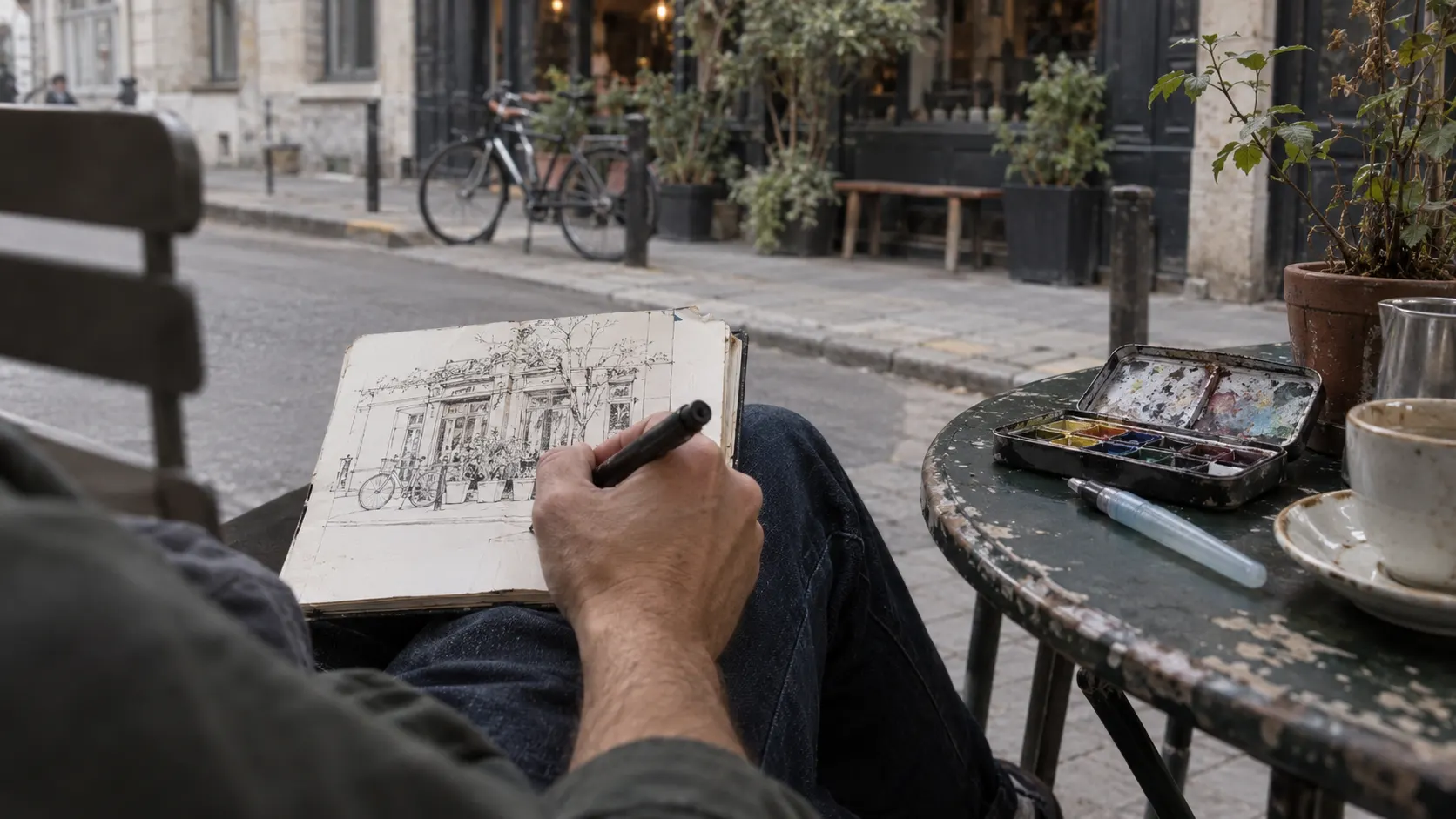
Urban sketching sounds like something you need an art degree and a beret for. It is really just drawing the coffee shop, the bus stop, or your own kitchen table while it is actually in front of you — badly, in public, on purpose. Nobody is grading it, and the point is the noticing, not the finished page.
What it costs
Bare-minimum start: $0. Any ballpoint pen you already own and the back of a receipt or a scrap of paper is a genuine urban sketching session — you do not need a fine-tip pen, watercolor, or a dedicated sketchbook to start drawing what is in front of you.
Practical setup: about $45. That is a couple of fine-tip pens in different widths (~$8), a proper sketchbook with paper that can take a little water (Stillman & Birn or similar, ~$18), and a compact travel watercolor set (~$18) for adding quick color washes once the ink dries. The sketchbook paper is the one thing worth upgrading — thin, printer-style paper buckles and bleeds the moment ink or water touches it.
Optional later: a waterbrush (a brush with its own water reservoir, ~$8) instead of dipping a regular brush, and a small folding stool if you sketch for longer than twenty minutes at a stretch. Neither changes what you can draw, just how comfortable doing it is.
What to buy
None of this is required to get started — a ballpoint pen and a scrap of paper is genuinely enough. Once you know you like it, a fine-tip, waterproof pen — Pigma Micron in a couple of widths (03 and 05) is the standard upgrade pick; waterproof matters if you will ever add watercolor on top without the ink smearing. A sketchbook with reasonably heavy paper (100gsm or more) that can handle a light wash, rather than a standard notebook, which will buckle. A compact watercolor travel set with 12–24 colors — Winsor & Newton and Sakura both make well-reviewed pocket sets built for exactly this.
Skip a full watercolor kit, an easel, or a proper drawing board — you are sketching on your lap or against a wall, not painting a landscape in a studio. And do not buy a mechanical pencil and eraser set to sketch "properly" first; most urban sketchers draw straight in pen, mistakes included, because erasing what is already gone by is the whole point you are skipping. You can borrow or skip the watercolor set entirely for the first month — plenty of urban sketchers stay in pen-only ink drawings indefinitely and never add color at all.
How to start
Start with any ballpoint pen you already own and the back of a receipt or a scrap of paper, sitting somewhere you already spend time — your kitchen table, a bus stop, a café. You do not need a fine-tip pen, watercolor, or a dedicated sketchbook yet.
Draw for ten minutes without worrying about proportions or getting it right — the goal on day one is just finishing a page, not making it good. Pick something that is not moving (a building, a parked bike, a coffee cup) before you try people or traffic, which change before you finish outlining them. Do this two or three times a week, in short sessions; sketching improves with frequency far more than with duration.
The most common beginner mistake is erasing or restarting constantly, which trains you to fear mistakes instead of drawing through them — most experienced urban sketchers never use a pencil at all. If you are sketching somewhere unfamiliar, stay aware of your surroundings rather than getting lost in the page for long stretches.
Is it for you?
Urban sketching suits people who want an excuse to actually look at their surroundings instead of scrolling past them, and who do not mind drawing badly in front of strangers — someone will glance over eventually. It asks for a tolerance for imperfect, unfinished-looking pages, since speed matters more than polish. If you want gallery-quality results from session one, it will frustrate you; if you want a quick, portable way to notice your own city or town, it delivers fast.
Starter gear
Soft suggestions to get going. These are affiliate links — buying through one may earn us a commission at no extra cost to you.
Tagged
More like this
Mixology
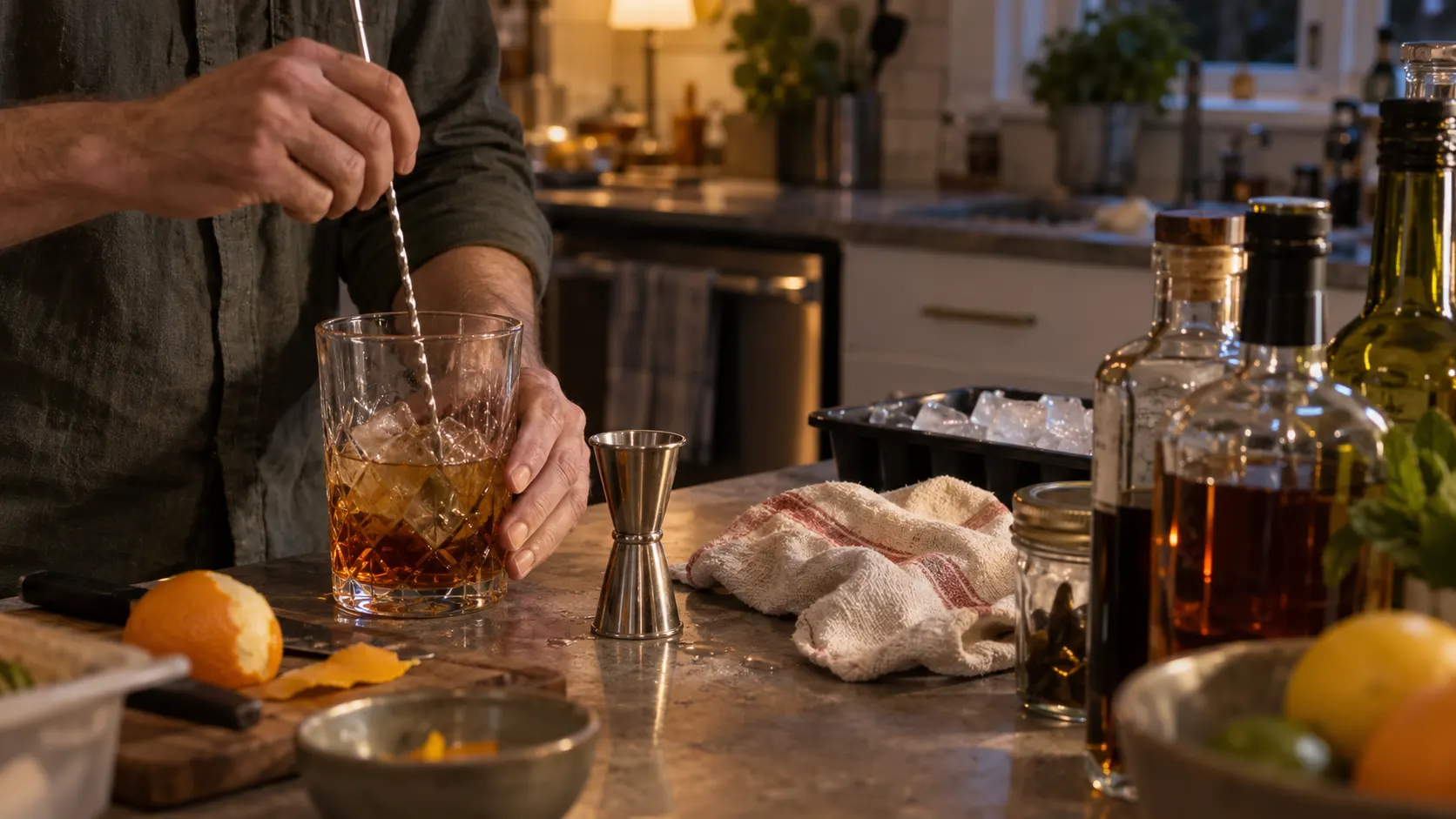
Measuring liquids precisely so that later you can drink them less precisely.
Diamond Art
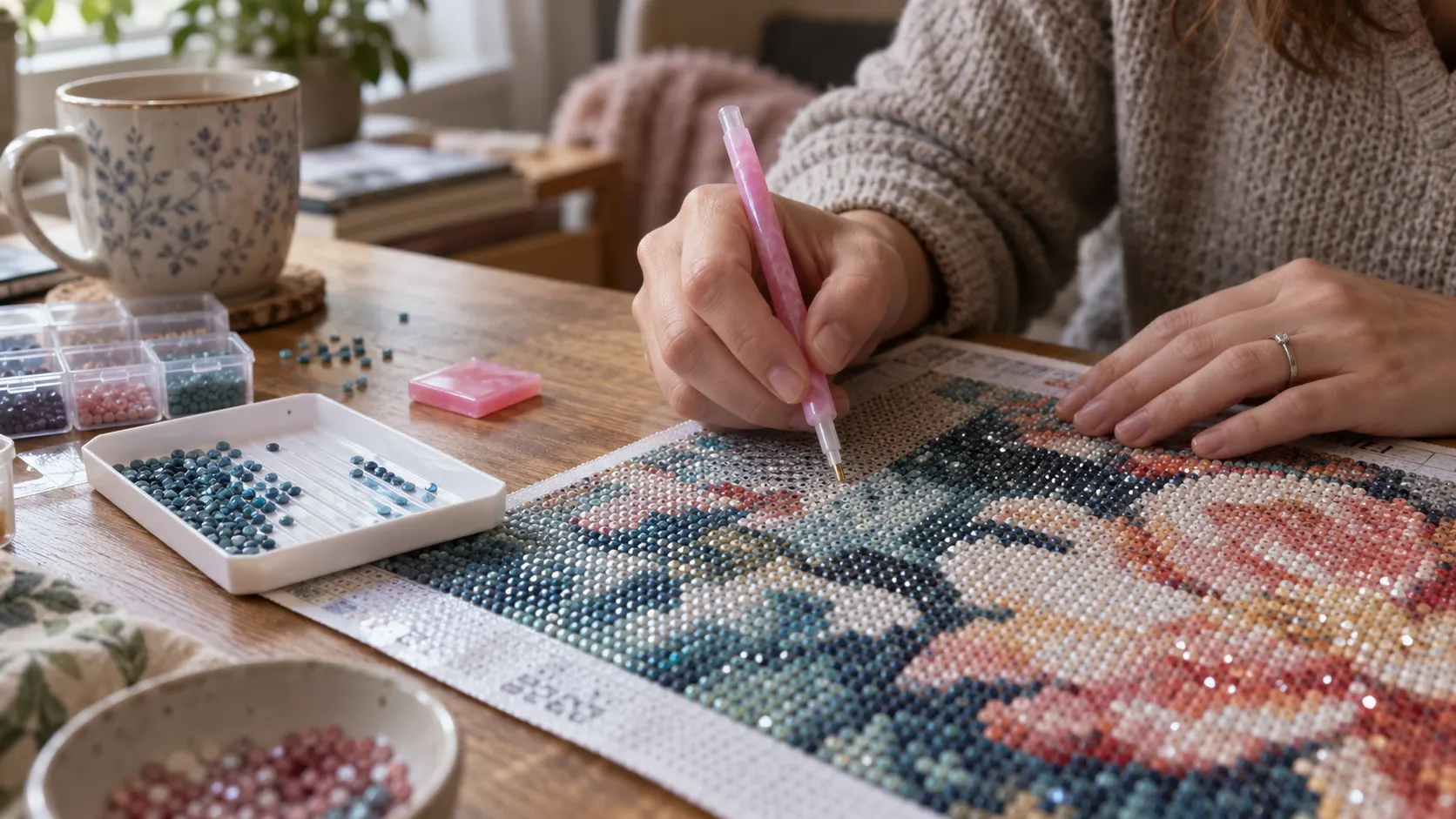
Paint by numbers for people who found paint by numbers insufficiently sparkly.
Pearl Art
Diamond art's quieter cousin, for people who think glitter is a little much.
Woodworking
Turning boards into furniture, or, on your first attempt, into a wobbly cautionary tale.
Rock Tumbling
Putting ugly rocks in a machine for a week so they come out looking expensive.