Badminton
The backyard game that turns out to be an actual sport once someone brings real rackets.
- Cost to start
- ~$50 to start
- Learning curve
- 2 / 5
- Typical session
- 45-60 min
- Physical demand
- 6 / 10
- Social level
- 5 / 10
- Setting
- At a venue
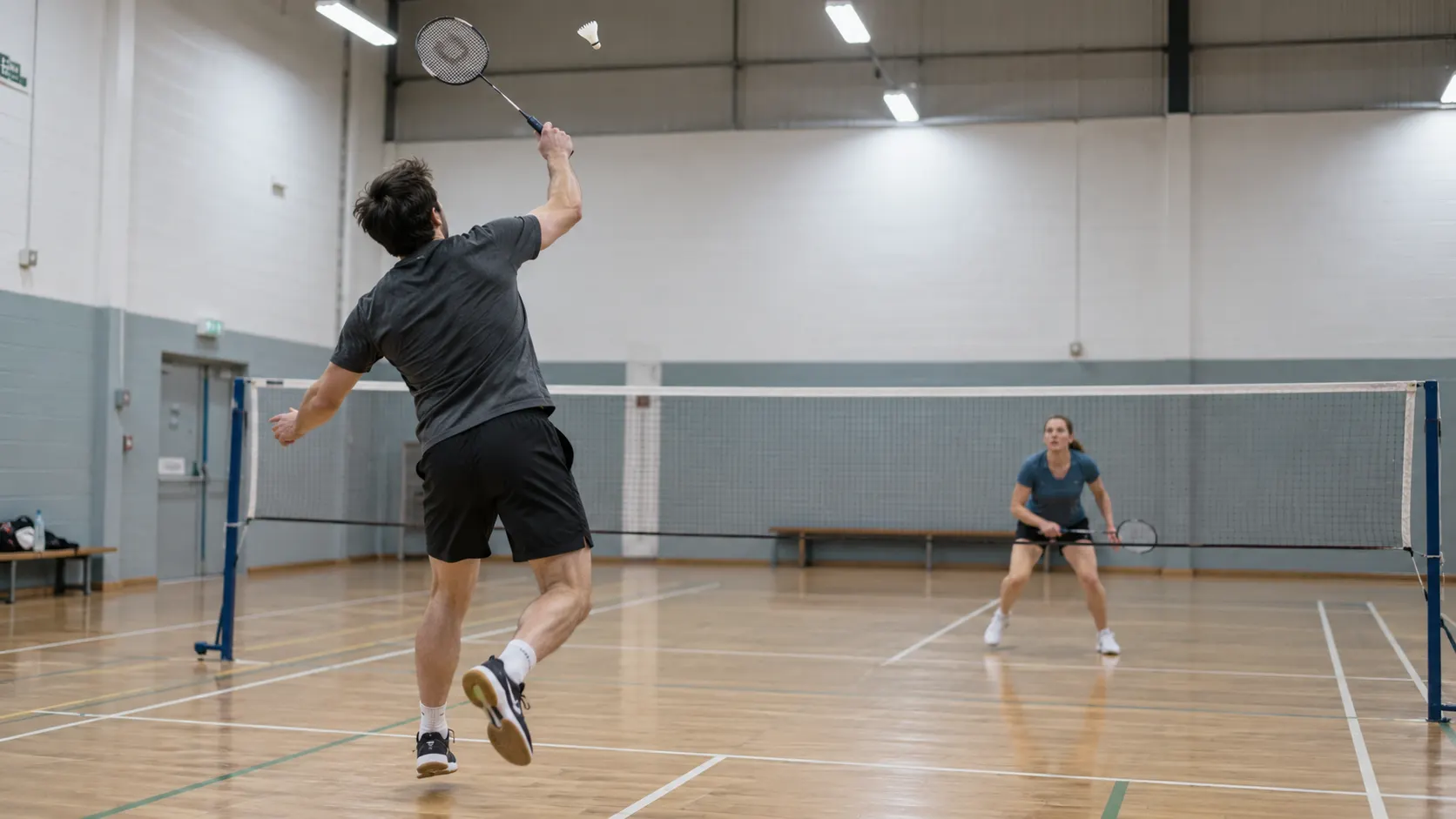
Badminton has an image problem: everyone's played the backyard version with the warped racket and the shuttlecock that only goes sideways, and almost nobody clocks that the real sport is one of the fastest racket sports there is — a smashed shuttle can travel well over 200 mph. The backyard version is a completely different activity wearing the same name.
What it costs
Bare-minimum start: about $15 — a cheap two-racket set (widely sold as a backyard kit) and a tube of shuttlecocks, played in a backyard or park with no court fee. Fine for learning the basic swing and rules.
Practical setup: about $50. That's one decent racket (rather than a flimsy two-pack set), a tube of proper feather or hybrid shuttlecocks, and drop-in court fees at a community center or badminton club — courts are usually indoors, since wind makes the shuttle nearly unplayable outside above a light breeze. Court time is typically rented by the hour and split with whoever you're playing.
Optional later: non-marking indoor court shoes (regular sneakers can scuff gym floors and clubs may require them), a second matched racket if you're buying for a regular partner, and a proper string job once your racket's stock strings wear out.
The one thing worth spending on is a single real racket over a backyard two-pack — the pack rackets are heavy, poorly strung, and make the game feel harder than it is. Shuttlecocks are the ongoing cost: feather ones break within a game or two of serious play and need regular replacing, which is normal and not a sign you're doing something wrong.
What to buy
One racket suited to your level — a beginner-friendly, more head-heavy racket is more forgiving than a pro-spec lightweight one. A tube of shuttlecocks; hybrid (part feather, part synthetic) shuttles last longer than pure feather and are a good beginner choice. Indoor court time, booked through a community center, gym, or badminton club.
Skip buying a whole feather-shuttle case before you know how often you'll actually play — they're pricier and more fragile than hybrids, worth switching to once you're playing regularly and can feel the difference. Skip court shoes for your first few sessions; any clean, flat-soled sneaker works until you know you'll keep going.
How to start
Start with one racket and a tube of shuttles at a drop-in community court session. You don't need your own court membership or a matched pair of rackets yet.
Learn the basic serve and the difference between singles and doubles court boundaries first — badminton's court lines are genuinely confusing at first glance, since singles and doubles use different width boundaries. Spend your first sessions on the underhand clear (a basic defensive shot) and short serves before trying smashes; power comes later, control comes first. Expect the game to be far more physically demanding than the backyard version — real badminton involves constant short sprints and quick direction changes. The most common beginner mistake is standing flat-footed waiting for the shuttle instead of staying light on your feet between shots, which is the single biggest difference between backyard and court badminton.
Is it for you?
Badminton suits people who want a genuinely intense cardio workout packed into a short session — a serious game leaves you far more winded than its reputation suggests. It rewards quick reflexes and footwork more than raw strength. If you're expecting the slow backyard pace, real badminton will surprise you, possibly uncomfortably. If you liked squash or tennis but want something gentler on the joints with a lower cost of entry, it's a strong match.
Starter gear
Soft suggestions to get going. These are affiliate links — buying through one may earn us a commission at no extra cost to you.
Tagged
More like this
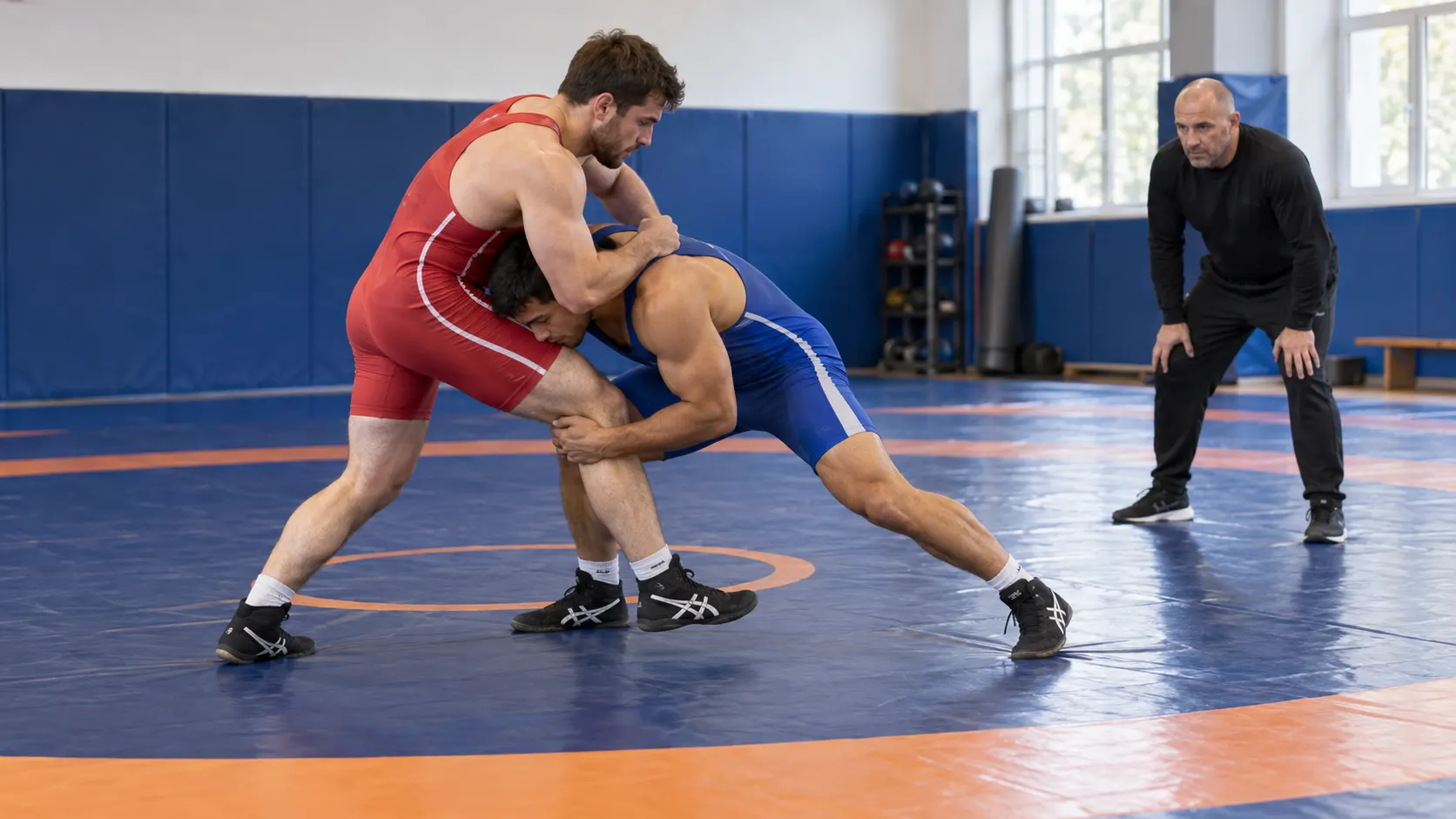
Amateur Wrestling
Chess, if the pieces could also put you in a headlock.
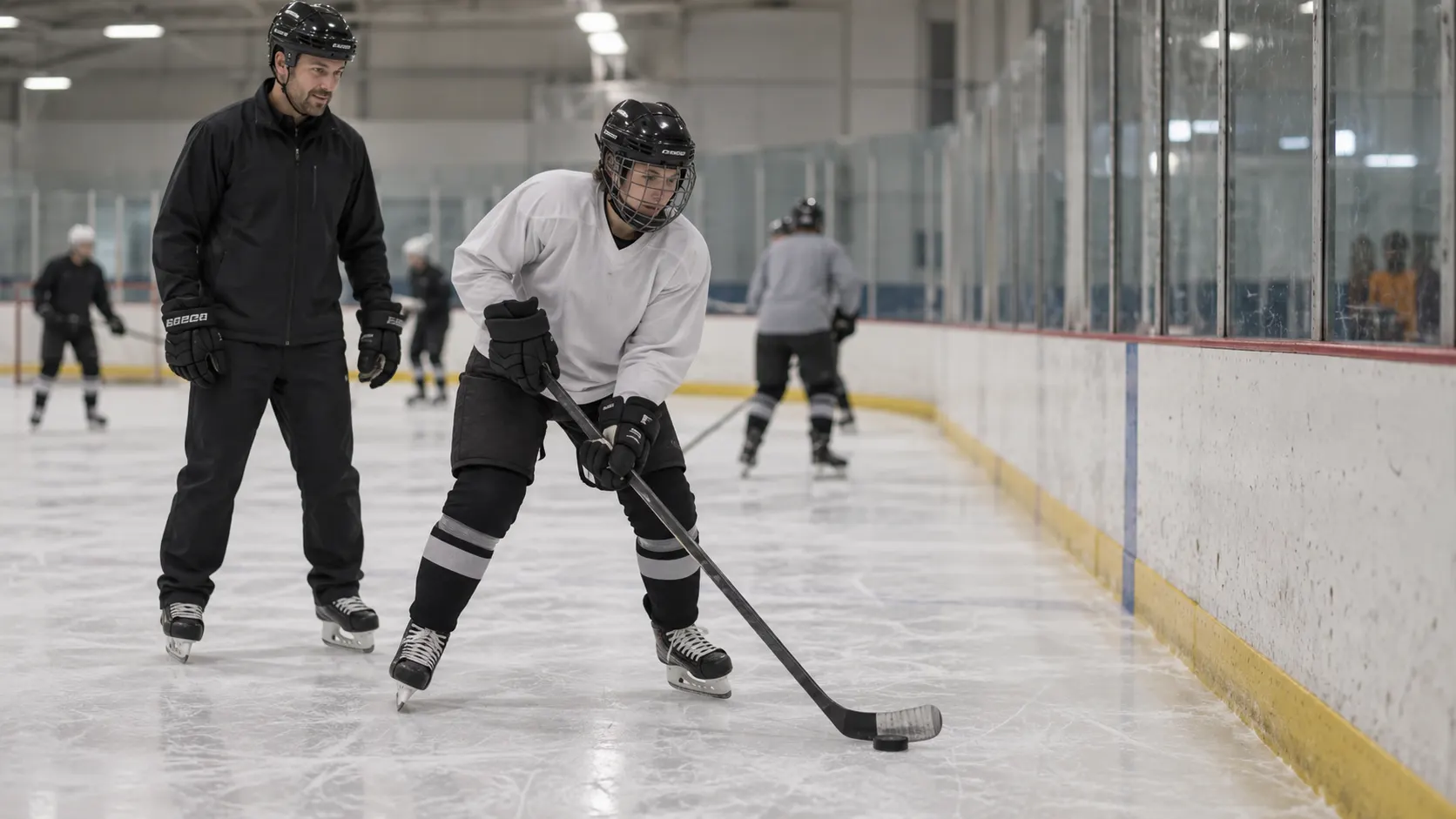
Ice Hockey
Learning to stand on knives while chasing a rubber disc, and somehow that's the fun part.
Skydiving
Voluntarily exiting a perfectly functional airplane, then paying for the privilege.
Overlanding
Camping, but you brought the entire garage with you and somehow still forgot a can opener.
Kitesurfing
Strapping a giant kite to yourself and letting the wind decide how your afternoon goes.