Skydiving
Voluntarily exiting a perfectly functional airplane, then paying for the privilege.
- Cost to start
- ~$300 to start
- Learning curve
- 1 / 5
- Typical session
- 3-4 hours (half-day at the drop zone)
- Physical demand
- 3 / 10
- Social level
- 3 / 10
- Setting
- At a venue
Skydiving's entire first experience is a tandem jump — strapped to a certified instructor who handles the parachute, the landing, and every actual decision, while you handle the falling and, usually, the screaming. It's one of the only extreme sports where your very first attempt is also often your best, most memorable one, since a tandem jump requires zero skill from you at all.
What it costs
Bare-minimum start: about $200 — a single tandem jump at a local drop zone, which includes all gear, an instructor, and the plane ride up. This is genuinely the complete experience for the vast majority of people who try skydiving exactly once.
Practical setup: about $300, if you add the video and photo package most drop zones offer — a camera flyer or helmet-mounted camera captures the jump, which is worth having for a first-time experience you'll otherwise remember mostly as a blur of adrenaline.
Optional later: an Accelerated Freefall (AFF) certification course if you want to become a licensed solo skydiver yourself — a much bigger commitment, running well into the thousands across multiple training jumps — plus your own gear eventually if you're diving regularly enough to justify owning a rig instead of renting one every time.
The one thing worth spending on for a first jump is the video package — it's the one souvenir of the experience, and most people wish afterward they'd gotten it if they skipped it. There's no ongoing cost for a one-time tandem jump.
What to buy
Nothing beyond the jump booking itself. Drop zones provide all safety gear — jumpsuit, harness, parachute rig, helmet — as part of the tandem package price; there's no separate equipment to shop for.
The only real add-on decision is the video/photo package, which most drop zones sell separately from the jump itself. Skip it only if you're confident you'll remember the experience clearly without it, which most first-timers find surprisingly hard given the adrenaline involved.
How to start
Start by booking a tandem jump at a reputable, USPA-affiliated (United States Parachute Association) drop zone if you're in the US, or your country's equivalent certifying body — checking affiliation is a genuine safety signal worth two minutes of research. You don't need any prior experience, and there's no meaningful physical fitness requirement beyond the weight limits most drop zones post.
Expect a short ground training session before your jump covering exit position, body position during freefall, and landing — pay real attention here even though it feels brief, since it's the only instruction you'll get before boarding the plane. Safety note: skydiving carries real, if statistically small, risk, and it's meaningfully reduced by choosing a certified, well-reviewed drop zone over the cheapest option, disclosing any relevant health conditions honestly, and following your instructor's directions exactly during the jump. The most common beginner mistake, per instructors, is fighting your body's instinct to arch during freefall — the training position feels unnatural but is what keeps the fall stable, and trusting it rather than tensing up makes the actual experience noticeably better.
Is it for you?
Skydiving suits people who want one of the most intense sensory experiences available and don't mind that it's over in under a minute of actual freefall. It rewards a willingness to hand over control entirely to your instructor for a tandem jump — there's genuinely nothing to do but experience it. If you have a serious fear of heights or flying, a tandem jump is a real way to test that fear directly, for better or worse. If you've ever wondered what freefall actually feels like and have the budget for one unforgettable afternoon, it's one of the more reliably life-remembered experiences you can book.
Tagged
More like this
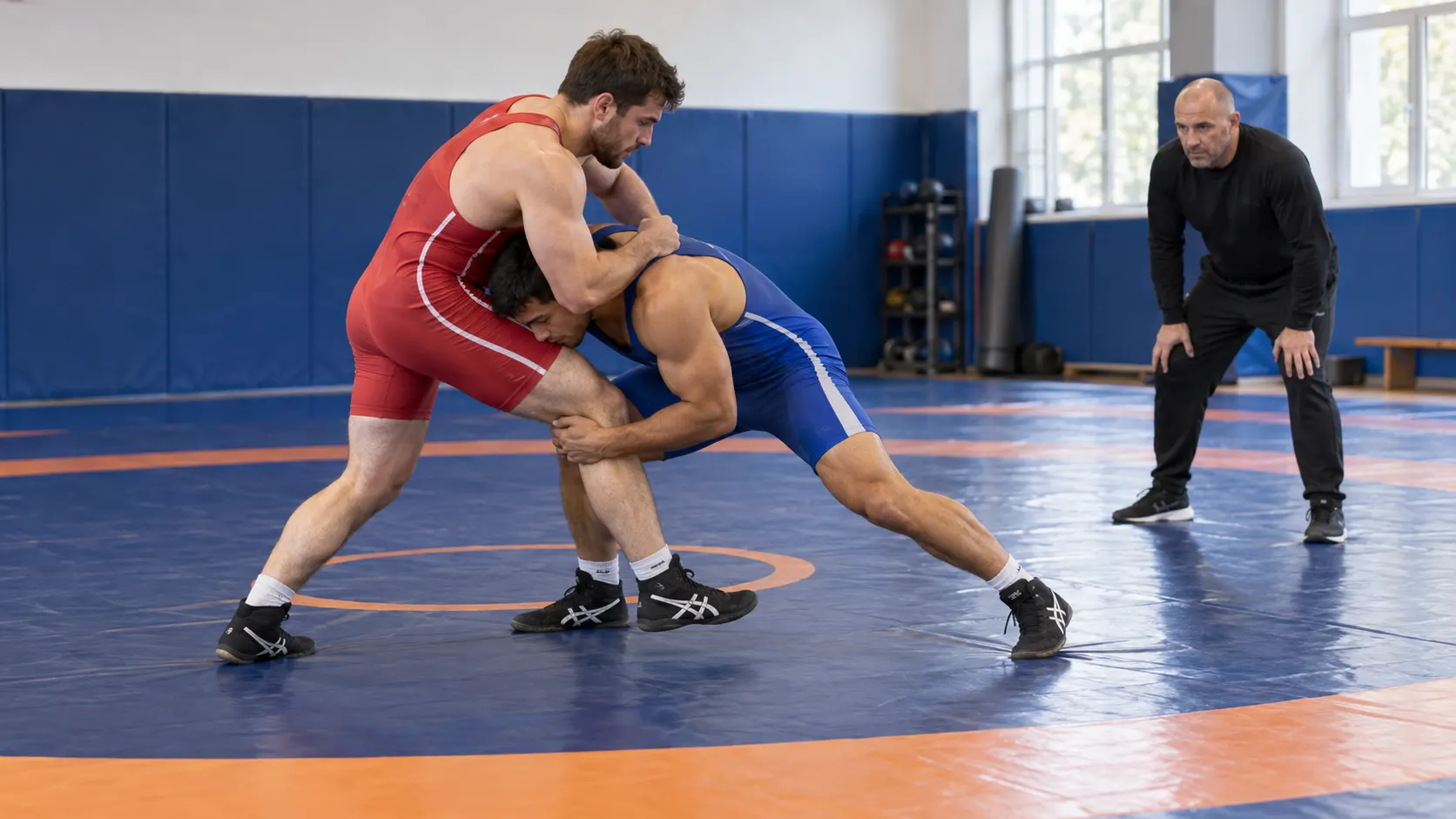
Amateur Wrestling
Chess, if the pieces could also put you in a headlock.
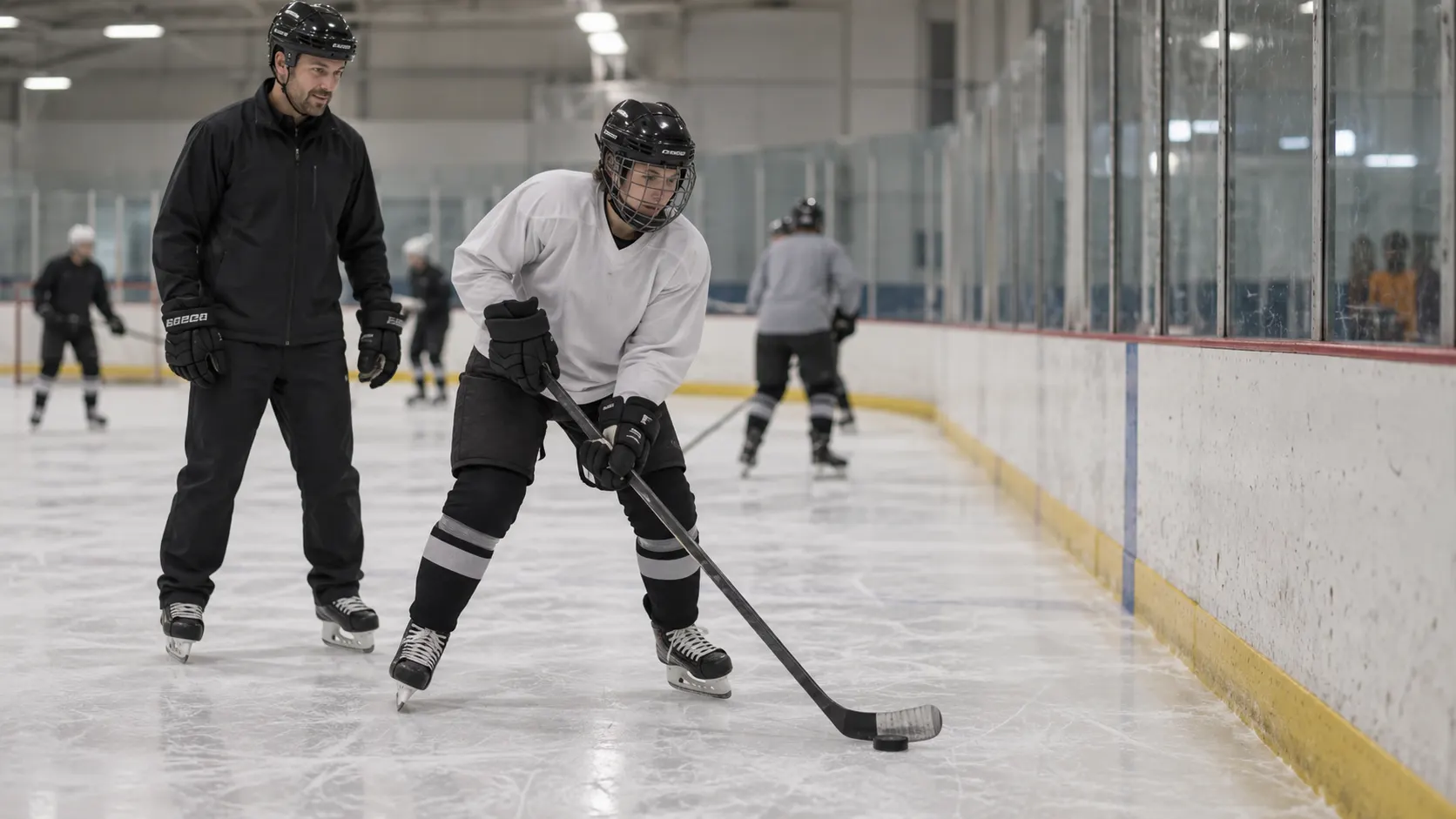
Ice Hockey
Learning to stand on knives while chasing a rubber disc, and somehow that's the fun part.
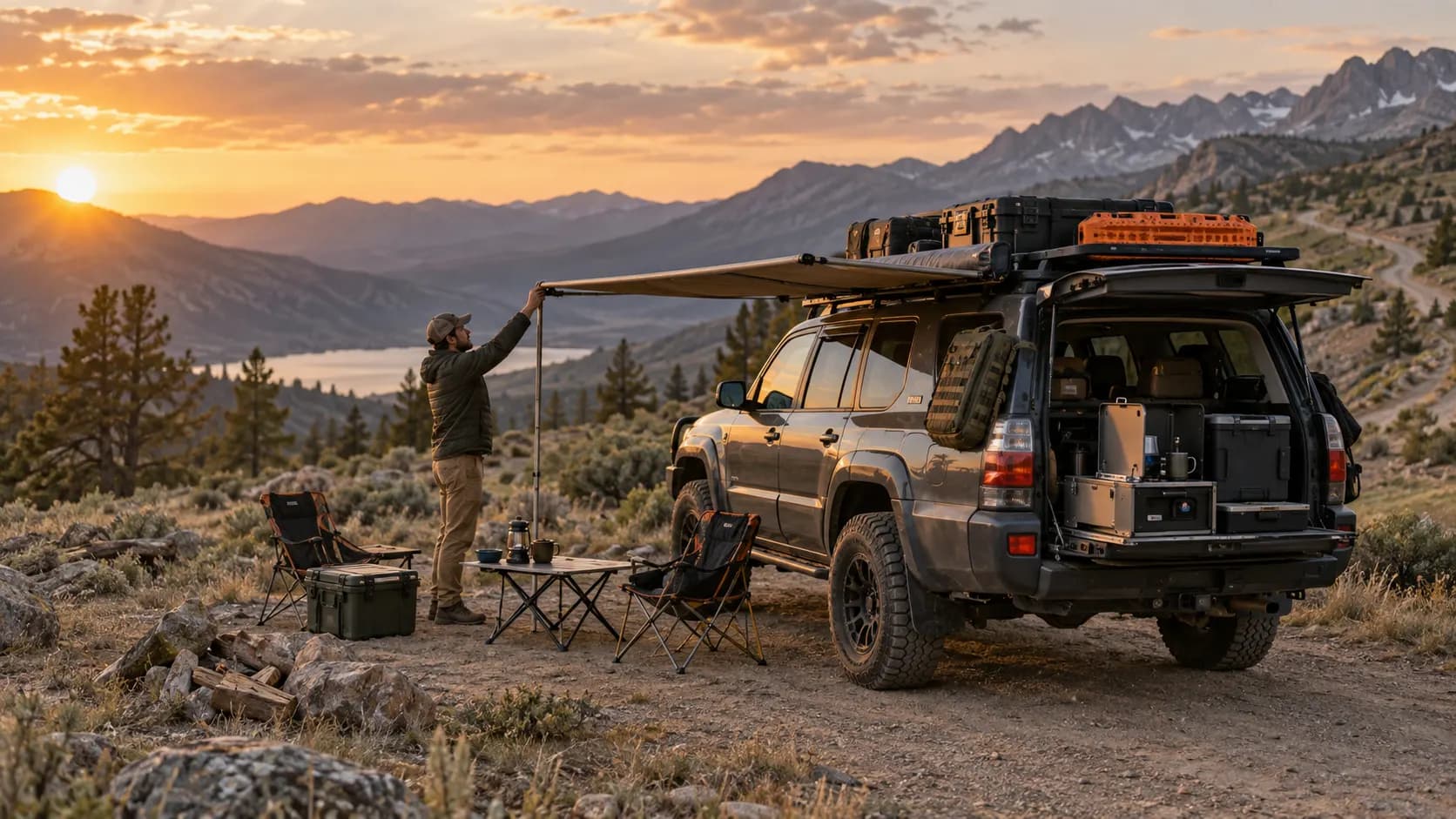
Overlanding
Camping, but you brought the entire garage with you and somehow still forgot a can opener.
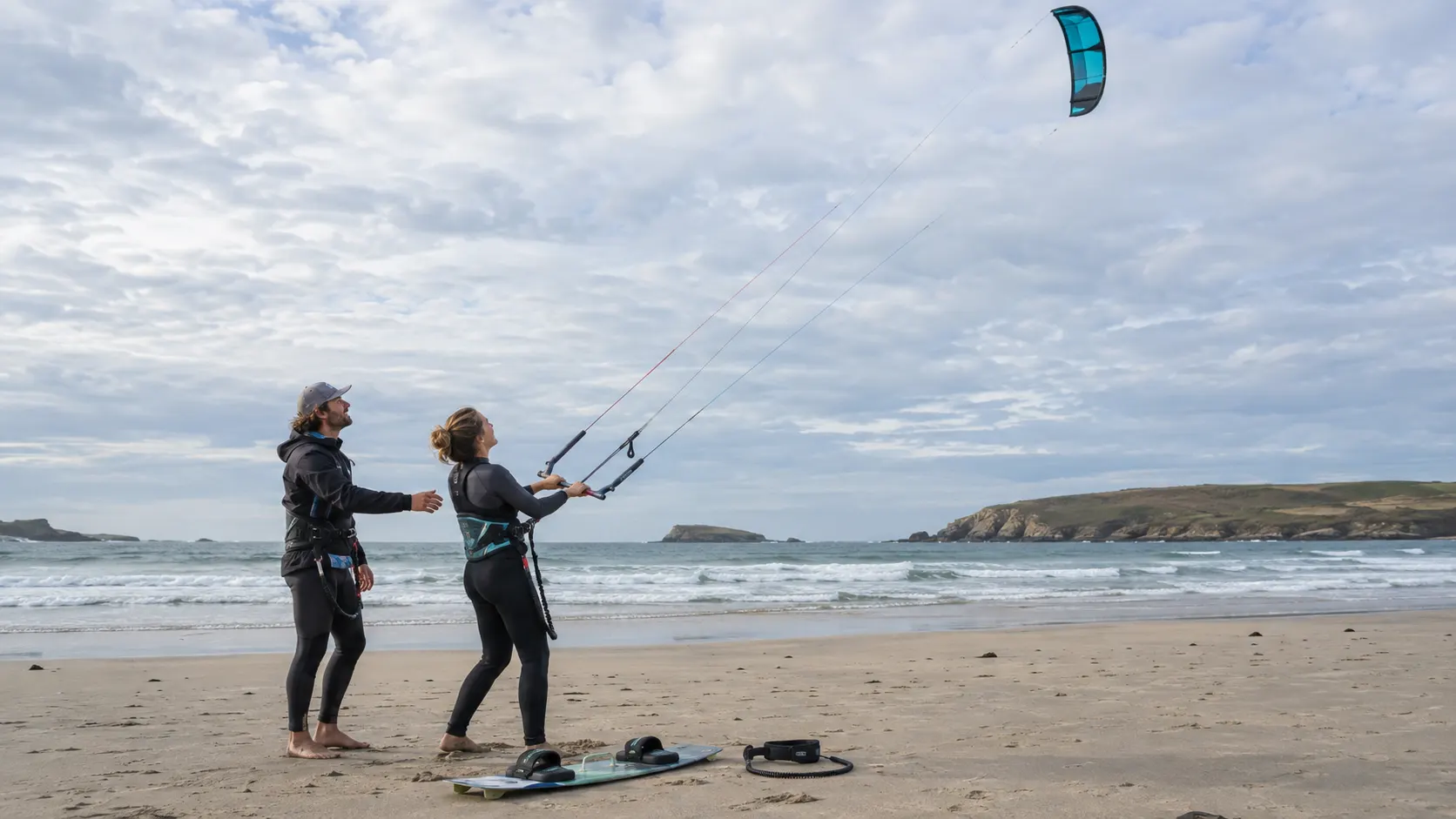
Kitesurfing
Strapping a giant kite to yourself and letting the wind decide how your afternoon goes.
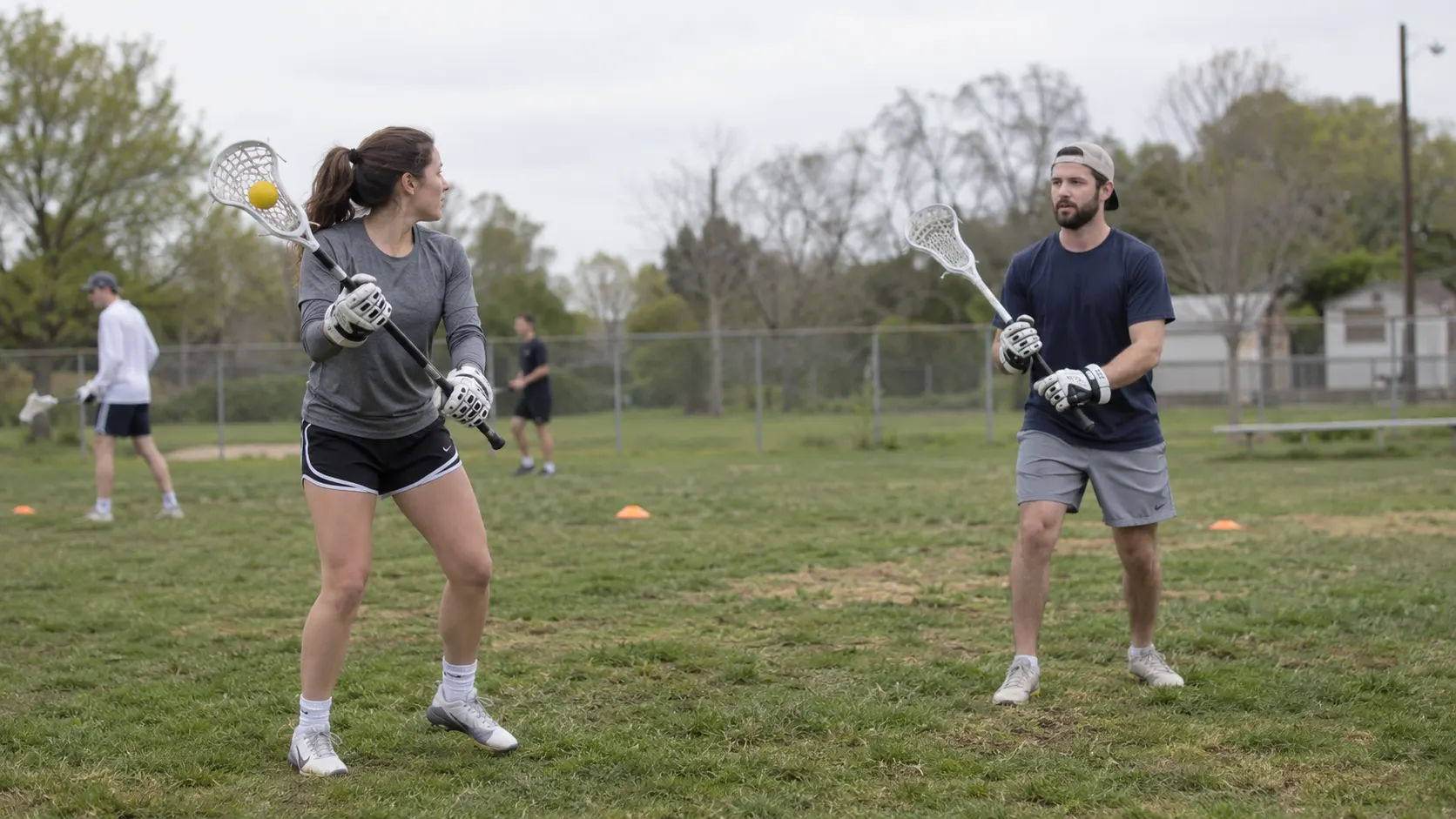
Lacrosse
Field hockey and basketball's fast, slightly violent cousin, played with a stick and a net.