
Overlanding
Camping, but you brought the entire garage with you and somehow still forgot a can opener.
- Cost to start
- ~$600 to start
- Learning curve
- 3 / 5
- Typical session
- 1-3 days
- Physical demand
- 3 / 10
- Social level
- 3 / 10
- Setting
- Outdoors
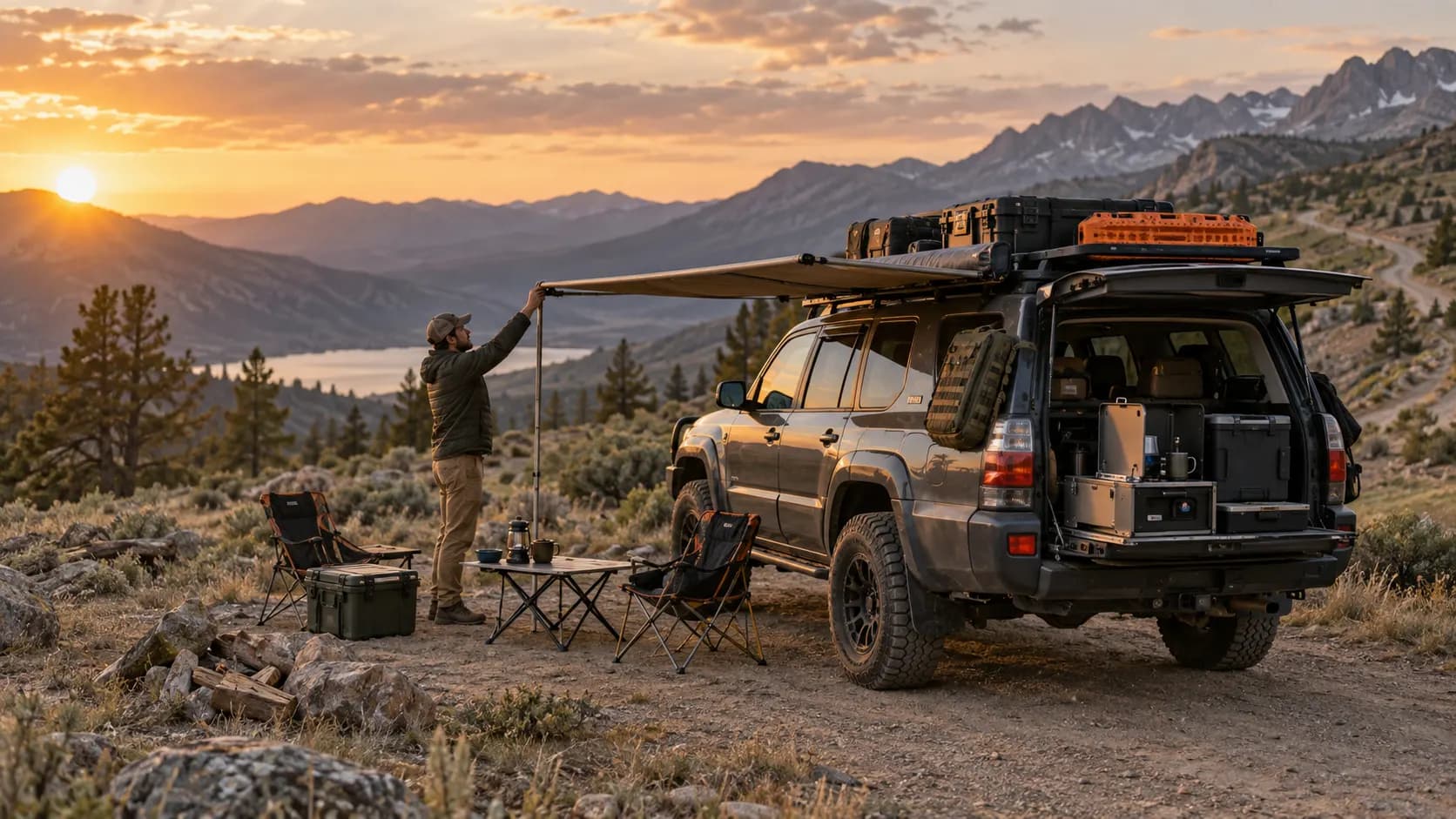
Overlanding is self-reliant, vehicle-based travel — driving remote or backcountry routes and camping along the way, usually for days at a stretch, carrying everything you need with you. It's part road trip, part camping, part slow-building obsession with outfitting a vehicle exactly the way you want it. The travel is the point; the vehicle is just how you get there and where you sleep.
What it costs
Bare-minimum start: about $100 — a weekend trip in a vehicle you already own (a regular SUV or even a sedan handles a huge number of overlanding routes fine), a tent, and basic camping gear you likely already have or can borrow, sticking to maintained dirt roads rather than technical off-road terrain.
Practical setup: about $600. That's a proper rooftop tent or a solid ground tent rated for real weather, a portable camp kitchen setup (stove, basic cookware, water storage), and recovery basics — a shovel and traction boards — for when a dirt road gets softer than expected. None of this requires modifying your vehicle yet.
Optional later: vehicle modifications (all-terrain tires, a lift kit, an aftermarket bumper), a fridge/freezer unit for longer trips, solar power and an auxiliary battery setup, and eventually a dedicated overlanding-specific vehicle if you get seriously into it — this is where costs can climb from hundreds into tens of thousands, entirely at your own pace.
The one thing worth spending on early is basic recovery gear (a shovel, traction boards, a tire repair kit) — getting stuck is a normal, expected part of the hobby, and the gear that gets you unstuck without a tow truck pays for itself the first time you need it.
What to buy
A weatherproof tent — rooftop tents are popular in the overlanding community for quick setup and being off the ground, but a quality ground tent works fine and costs far less to start. A portable camp kitchen setup. Basic recovery gear: a folding shovel, a pair of traction boards, and a simple tire repair kit.
Skip vehicle modifications entirely for your first several trips — most people over-modify before they even know which routes and trip styles they actually enjoy. Skip a rooftop tent as a first purchase if budget matters; a good three-season ground tent does the same job for a fraction of the price.
How to start
Start with a single overnight trip on a well-traveled, maintained dirt or gravel road in your existing vehicle. You don't need vehicle modifications or a rooftop tent yet — plenty of legitimate overlanding routes need nothing more than a reasonably capable stock vehicle and common sense about weather and road conditions.
Tell someone your route and expected return time before you go, and check current conditions for the specific route — washouts, closures, and seasonal access changes are common on unpaved roads. Carry more water and fuel margin than you think you need; running low on either is the most common way an easy trip turns into a stressful one. Safety note: cell service disappears fast on remote routes, so carry a paper map or offline GPS as backup, and know your vehicle's actual capability rather than its marketing — getting stuck somewhere with no recovery plan and no signal is a real risk on more remote routes. The most common beginner mistake is attempting a route rated beyond your vehicle's or your own experience level; start with routes clearly rated easier than your gut says you can handle.
Is it for you?
Overlanding suits people who like the planning and tinkering as much as the trip itself — a lot of the hobby's appeal is slowly building out a rig exactly the way you want it between trips. It rewards patience and preparation more than any driving skill. If you want a purely spontaneous, low-planning outdoor hobby, overlanding's route research and gear checks work against that. If you've ever wanted a real road trip that goes somewhere maps don't quite reach, it's one of the more rewarding ways to combine driving, camping, and genuine remoteness.
Starter gear
Soft suggestions to get going. These are affiliate links — buying through one may earn us a commission at no extra cost to you.
Tagged
More like this
Amateur Wrestling
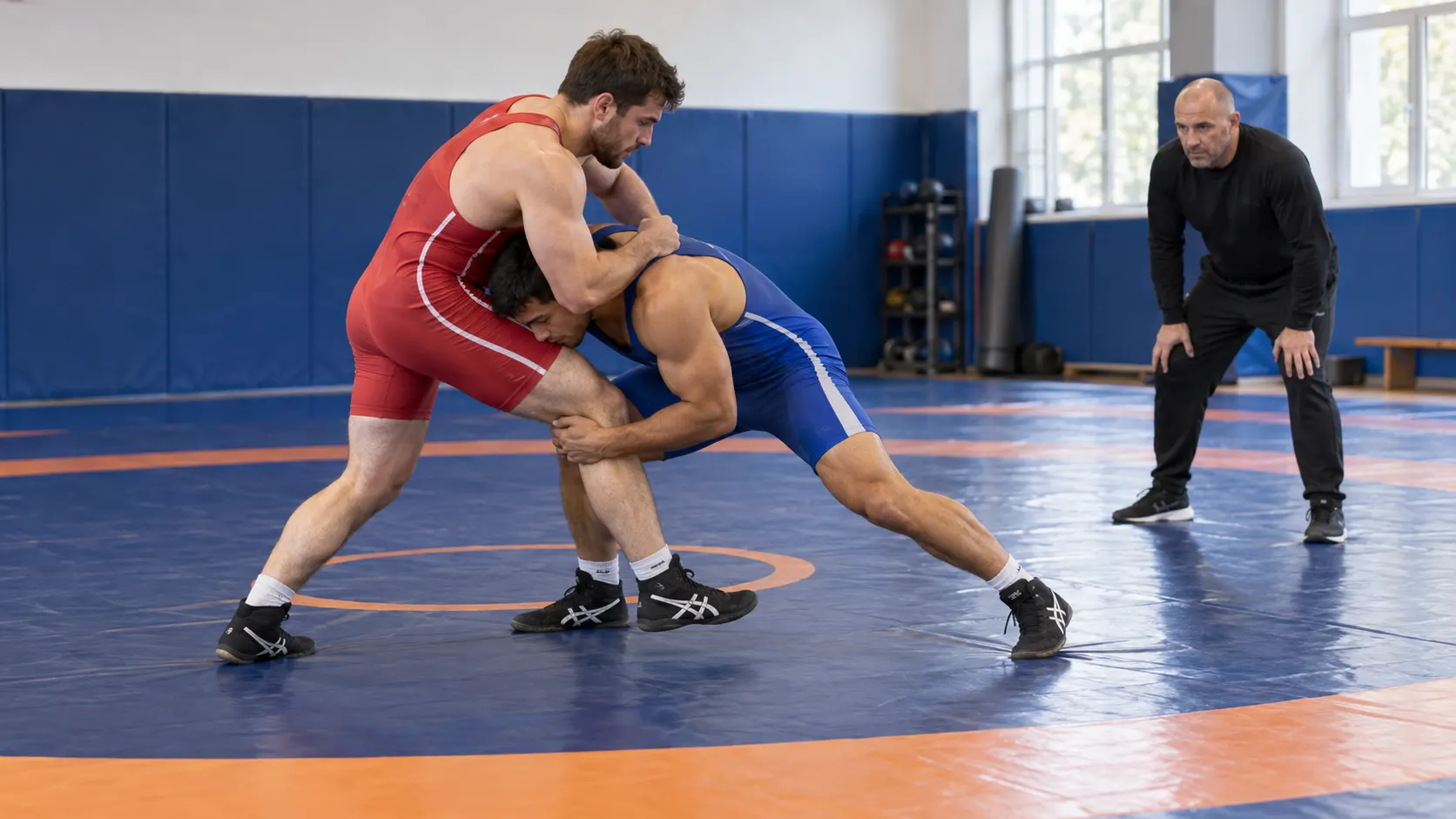
Chess, if the pieces could also put you in a headlock.
Ice Hockey
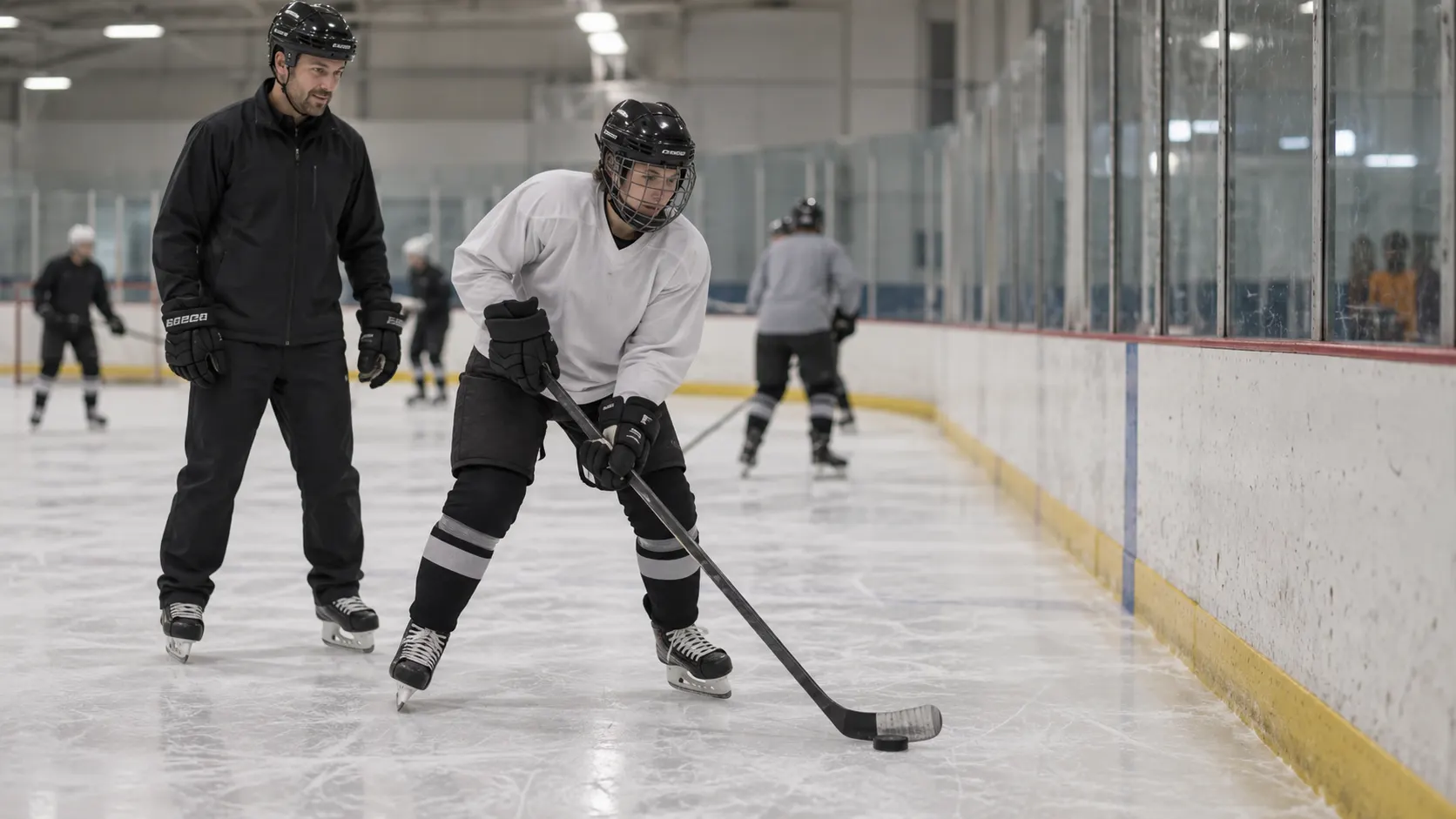
Learning to stand on knives while chasing a rubber disc, and somehow that's the fun part.
Skydiving
Voluntarily exiting a perfectly functional airplane, then paying for the privilege.
Kitesurfing
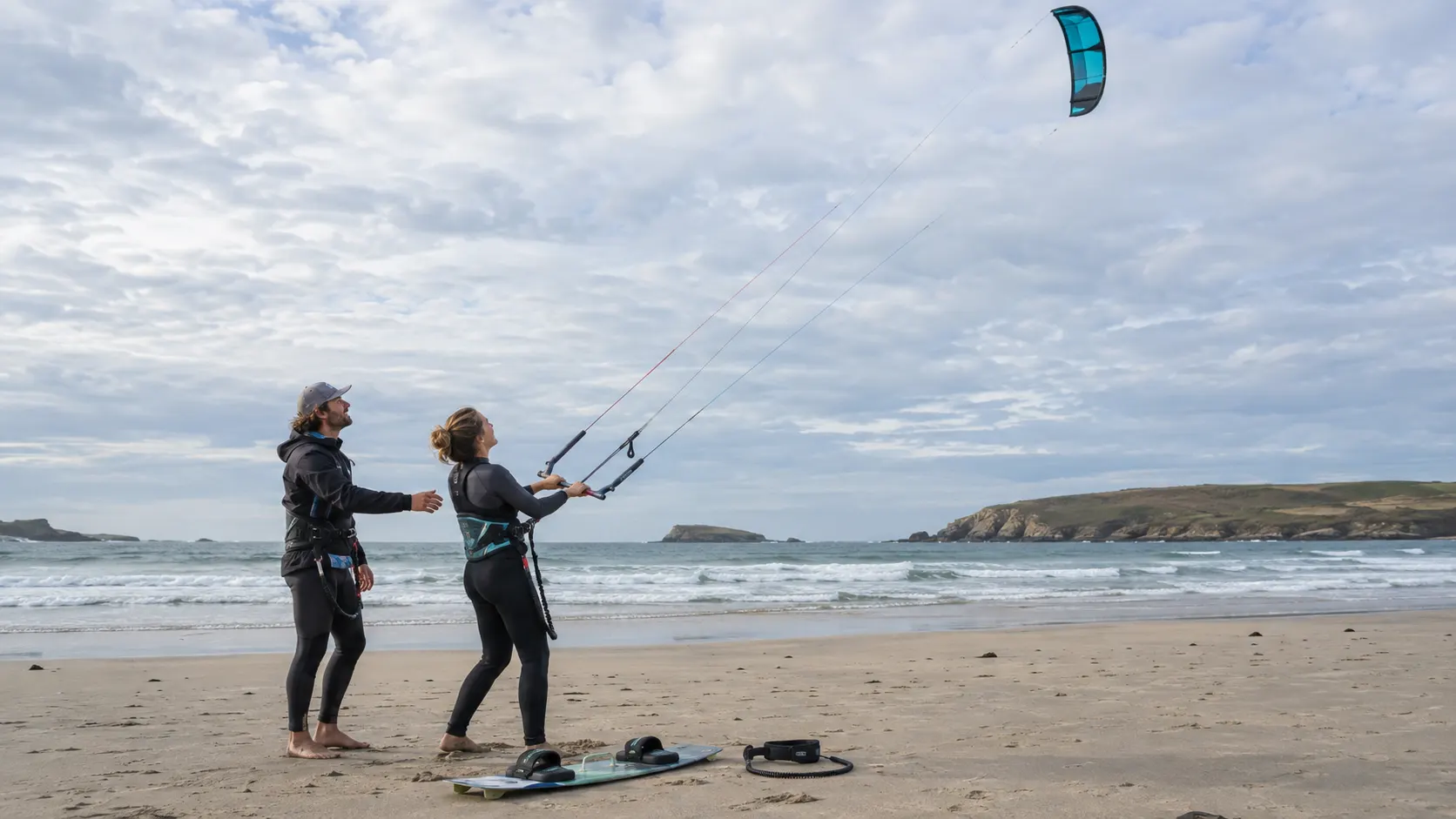
Strapping a giant kite to yourself and letting the wind decide how your afternoon goes.
Lacrosse
Field hockey and basketball's fast, slightly violent cousin, played with a stick and a net.