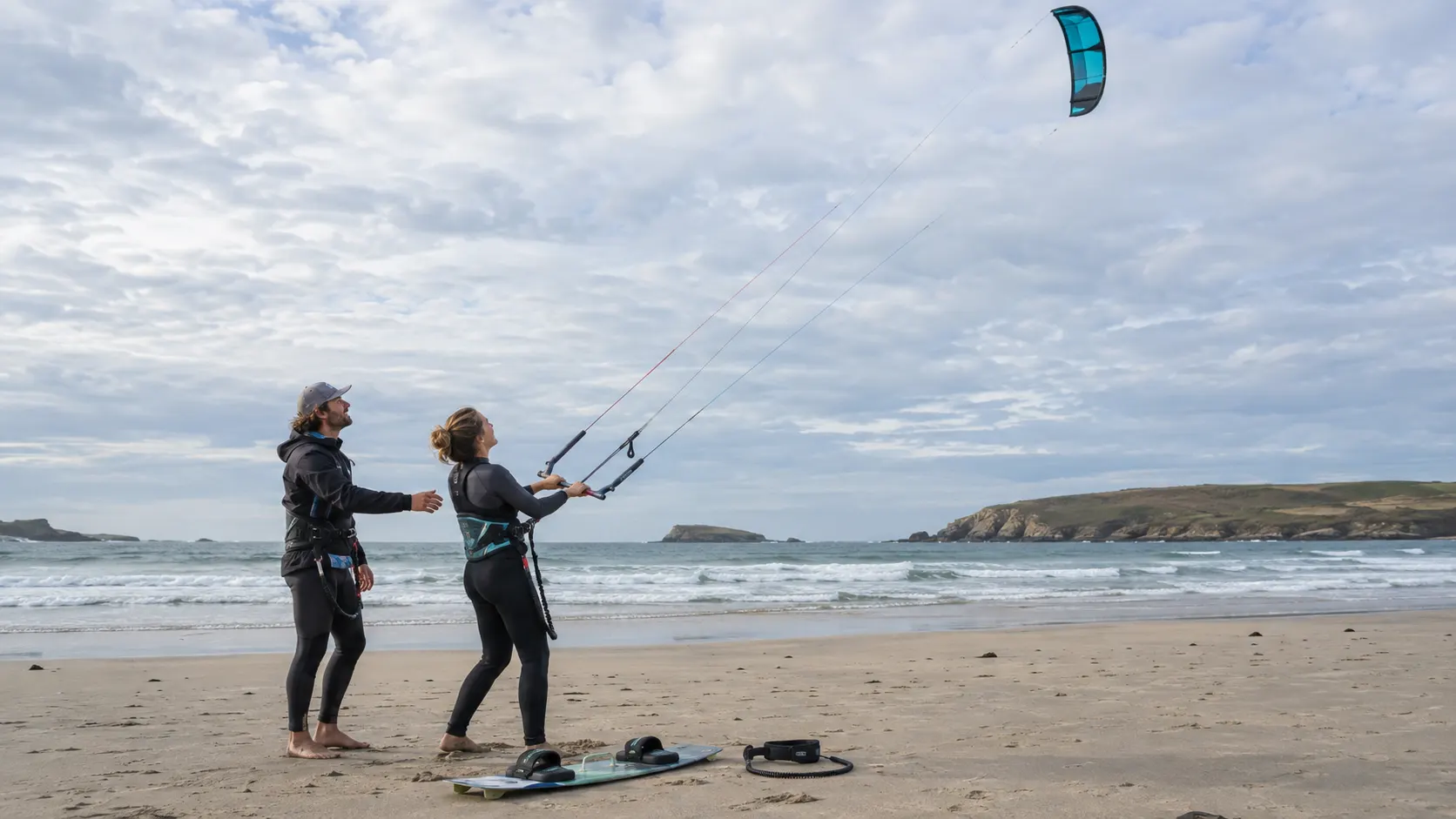
Kitesurfing
Strapping a giant kite to yourself and letting the wind decide how your afternoon goes.
- Cost to start
- ~$2000 to start
- Learning curve
- 5 / 5
- Typical session
- 2-3 hours
- Physical demand
- 8 / 10
- Social level
- 4 / 10
- Setting
- Outdoors
Kitesurfing combines a board (similar in spirit to a small surfboard or wakeboard) with a large controllable kite that pulls you across the water using wind power alone. It's a genuinely technical sport with real safety stakes — a big kite in strong wind is a lot of force — which is why nearly every reputable school insists on structured lessons before you touch a board.
What it costs
Bare-minimum start: about $200 — a package of beginner lessons through a certified kitesurfing school, which provides all equipment (kite, board, harness, safety gear) for the duration of instruction. This isn't a sport with a casual, ungoverned way to just try it safely.
Practical setup: about $2,000. That's a beginner-friendly kite (sized to your weight and typical local wind conditions), a board, a harness, and a safety leash system, plus a continued lesson package through certification — genuinely one of the more expensive hobbies here, largely because kite and board equipment doesn't have a meaningful cheap tier the way many other sports do.
Optional later: a second kite sized for different wind conditions (most kitesurfers eventually own at least two), a wetsuit for colder water, and travel to reliable wind destinations, which a lot of the sport's community organizes trips around.
The one thing worth spending on without question is proper certified instruction — kitesurfing's safety systems (quick-release mechanisms, self-rescue technique) are genuinely life-or-death in strong wind conditions, and skipping real training to save money is a serious risk, not a minor shortcut.
What to buy
Nothing before completing a certified lesson package — schools provide all gear during instruction, and buying before you're certified means guessing at sizing and safety systems you haven't been trained on yet. Once certified: a kite sized to your weight and local wind range, a board, a harness, and a safety leash system, ideally purchased with guidance from your instructor or a specialty kite shop.
Skip buying gear before certification, full stop — this is one of the only hobbies on this whole site where that's not just financially wasteful but a genuine safety issue. Skip a second kite until you've spent real time on your first one and understand how wind range affects your equipment needs.
How to start
Start with a certified beginner lesson package — look specifically for schools certified through a recognized kiteboarding association, since safety training quality varies and this matters enormously in a sport involving this much uncontrolled force. You don't need any of your own gear; certified schools provide everything during training.
Expect early lessons to focus heavily on kite control on land before you're anywhere near a board — flying a trainer kite safely is a real prerequisite skill, not a warm-up exercise to rush through. Learn the safety release systems thoroughly and practice them until they're automatic; in an emergency, hesitating to release is far more dangerous than the situation that prompted it. Safety note: kitesurfing carries genuinely serious risk from uncontrolled kite force, especially in gusty or unpredictable wind, and inadequate training is a leading cause of injury in the sport — certified instruction isn't optional caution here, it's the actual safety system. The most common beginner mistake is progressing to board work before kite control is fully automatic; rushing this sequence is exactly what certified courses are structured to prevent.
Is it for you?
Kitesurfing suits people drawn to a genuinely intense, technical sport and willing to invest real money and time in proper certification before touching a board. It rewards patience through a slow, safety-focused learning process more than any raw athleticism. If you want a low-cost or quick-to-learn hobby, kitesurfing is neither, by a significant margin. If you've watched kitesurfers and felt the pull of that speed and power, proper certified lessons are the only responsible way to actually find out if it's for you.
Tagged
More like this
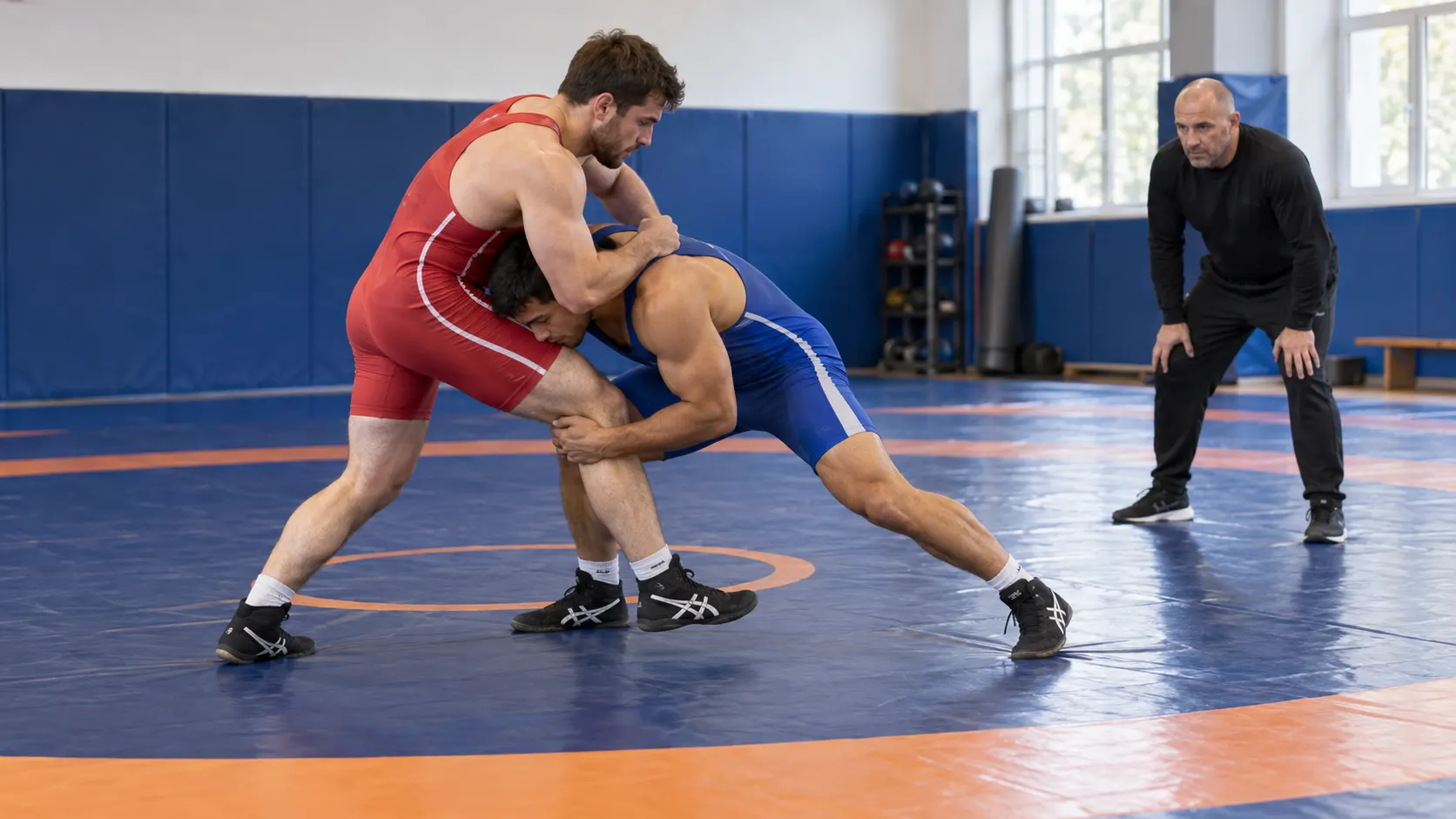
Amateur Wrestling
Chess, if the pieces could also put you in a headlock.
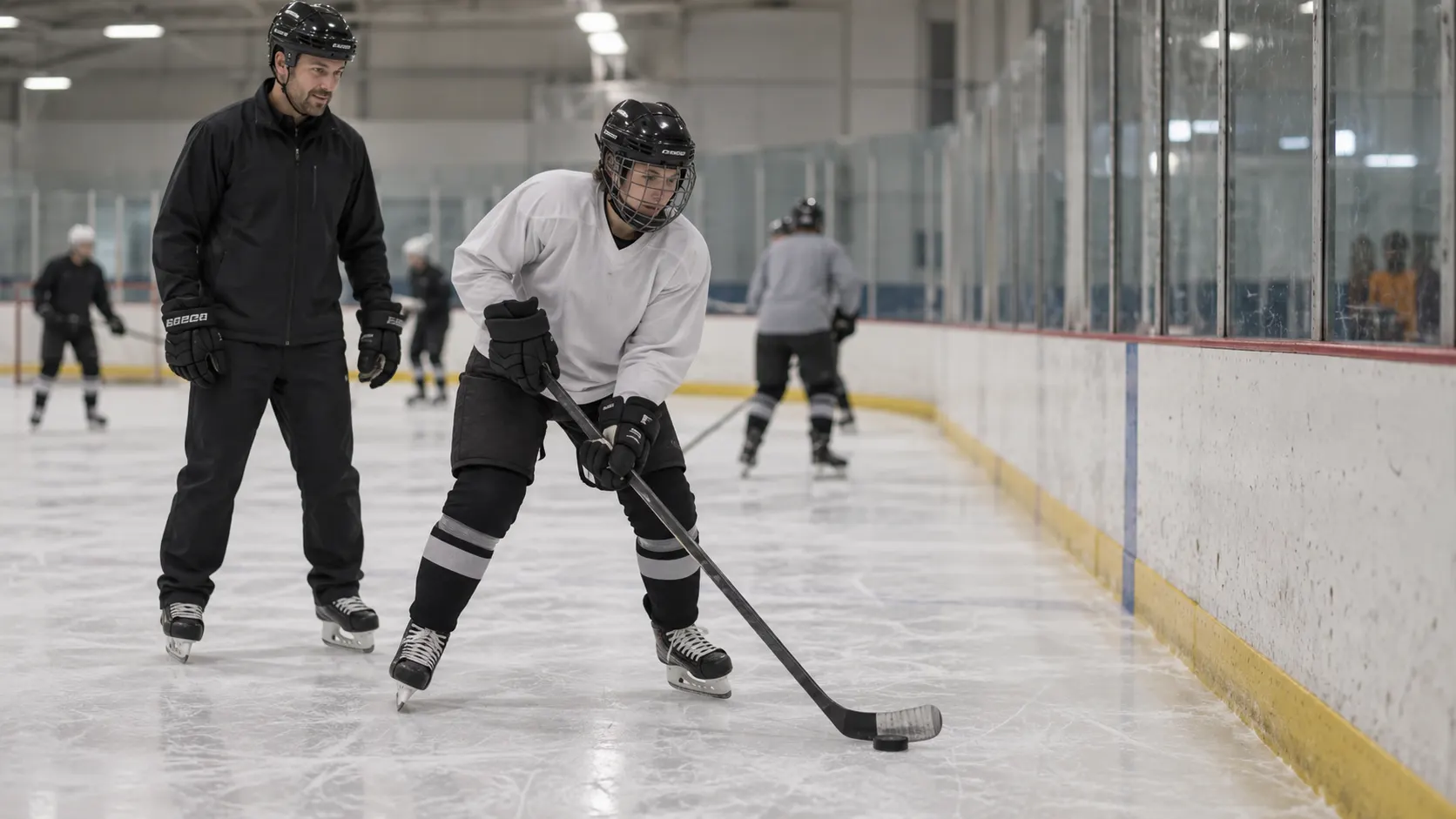
Ice Hockey
Learning to stand on knives while chasing a rubber disc, and somehow that's the fun part.
Skydiving
Voluntarily exiting a perfectly functional airplane, then paying for the privilege.
Overlanding
Camping, but you brought the entire garage with you and somehow still forgot a can opener.
Lacrosse
Field hockey and basketball's fast, slightly violent cousin, played with a stick and a net.