Ice Hockey
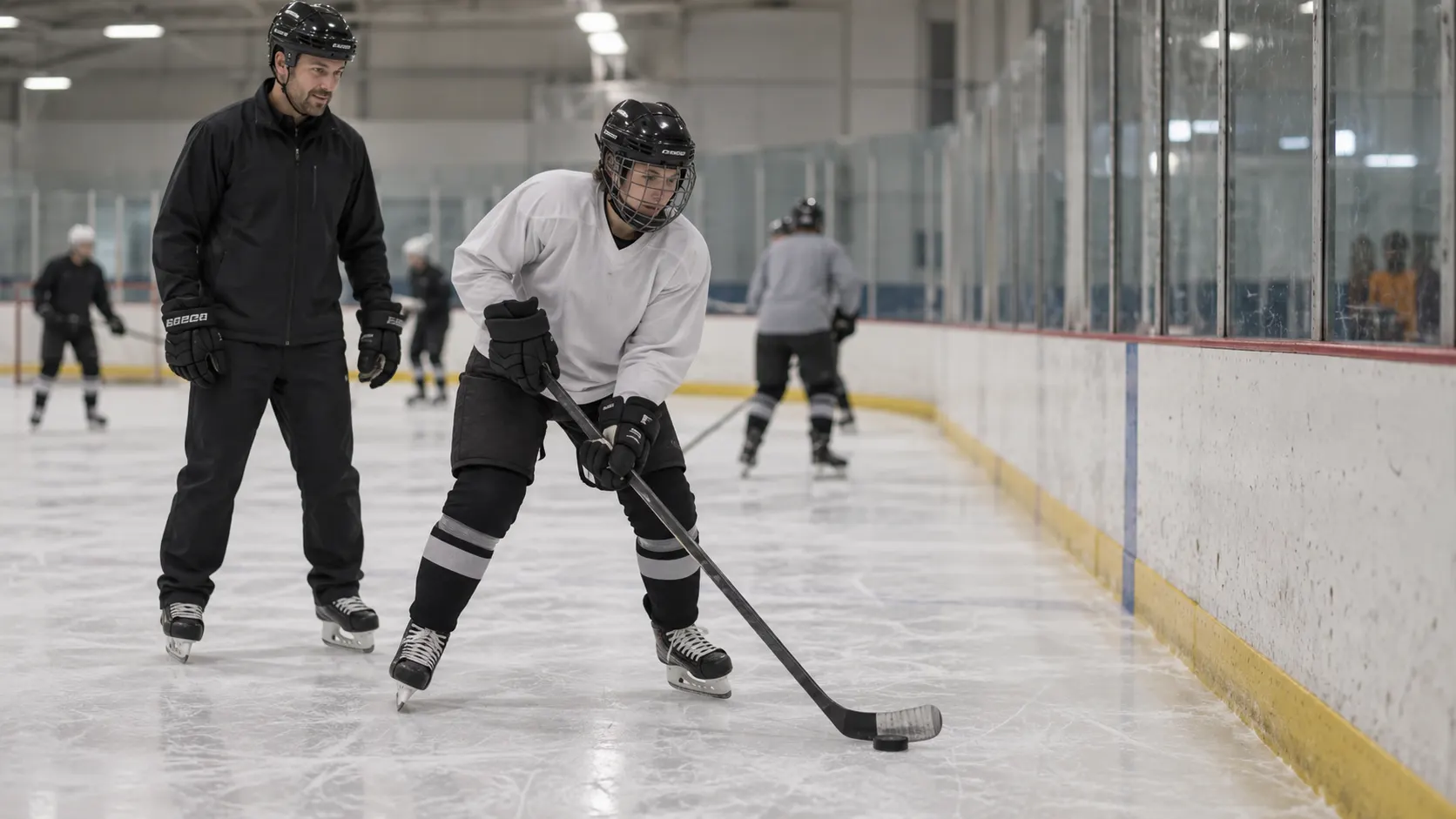
Learning to stand on knives while chasing a rubber disc, and somehow that's the fun part.
- Cost to start
- ~$350 to start
- Learning curve
- 5 / 5
- Typical session
- 60 min
- Physical demand
- 8 / 10
- Social level
- 6 / 10
- Setting
- At a venue
Ice hockey asks two separate skills of a total beginner at once: skating and the actual sport, and honestly, skating is the harder of the two. Most adult-league beginners spend real time just on skating basics before hockey itself starts feeling like the point rather than an obstacle course on blades.
What it costs
Bare-minimum start: about $50 — a rink rental skate and stick, joining a beginner "learn to play" or open skate session, which most rinks run specifically for newcomers with no equipment of your own required.
Practical setup: about $350. That's a full basic gear set: skates (properly fitted, arguably the single most important piece), a helmet with a cage or visor, shoulder and elbow pads, gloves, and a stick sized to your height. Beginner gear packages at sporting goods stores often bundle most of this at a discount.
Optional later: shin guards and a full protective girdle if you move into checking or more competitive leagues, a bag specifically designed for hockey gear (genuinely useful once you're hauling a full kit to the rink regularly), and better-fitted custom equipment as you figure out your position and playing style.
The one thing worth spending on properly is skates — poorly fitted skates make learning to skate itself needlessly harder, on top of the sport's already real learning curve, and a proper fitting at a specialty shop is worth far more here than in most other sports' gear.
What to buy
Skates, properly fitted — this matters more than any other single piece of gear. A helmet with a cage or visor, non-negotiable for safety. Shoulder pads, elbow pads, and gloves. A stick sized appropriately to your height and reach.
Skip buying top-tier gear as a beginner — beginner and mid-range gear packages perform fine while you're learning, and you won't know your position or playing style well enough yet to justify premium equipment. Skip a full checking-specific girdle and extra padding until you're actually playing in a league that allows contact; many beginner and recreational leagues don't.
How to start
Start with a learn-to-skate class if you've never skated before — most rinks offer these separately from hockey-specific instruction, and solid skating basics make everything about learning hockey itself easier afterward. You don't need full hockey gear for a pure skating class; rental skates are enough.
Once comfortable on skates, join a beginner or "stick time" open session before jumping into an actual league — this lets you practice puck handling and basic movement without game pressure. Expect real falls while learning to skate and stop; this is universal for beginners and not a sign of poor coordination. Safety note: wear all protective gear properly fitted every time, including a helmet with a cage for beginners, and learn to fall safely (relaxed, not rigid) before worrying about speed — most beginner injuries come from falls, not collisions. The most common beginner mistake is trying to stop using the toe pick or edges incorrectly instead of learning a proper hockey stop early — it feels awkward at first but is the actual foundational skill everything else builds on.
Is it for you?
Ice hockey suits people willing to be genuinely bad at skating for a while before the sport itself becomes accessible — it's one of the steeper learning curves on this whole site precisely because of that dual skill requirement. It rewards patience with the beginner phase more than natural athleticism. If you want a sport you can pick up in one session, hockey's skating prerequisite works against that directly. If you've ever watched hockey and wanted to feel that speed and control yourself, a learn-to-skate class is the honest, unglamorous first step that gets you there.
Starter gear
Soft suggestions to get going. These are affiliate links — buying through one may earn us a commission at no extra cost to you.
Tagged
More like this
Amateur Wrestling
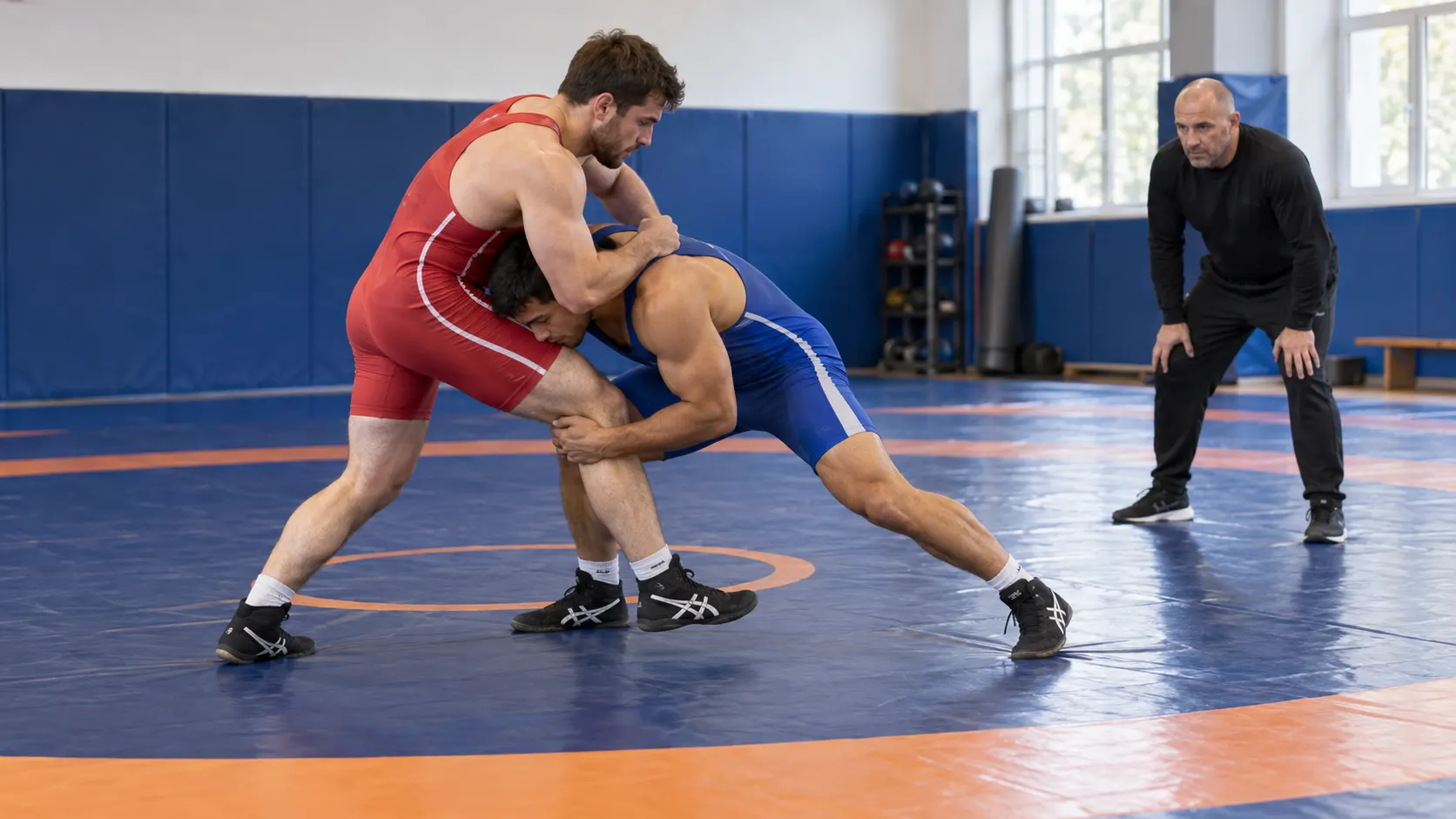
Chess, if the pieces could also put you in a headlock.
Skydiving
Voluntarily exiting a perfectly functional airplane, then paying for the privilege.
Overlanding
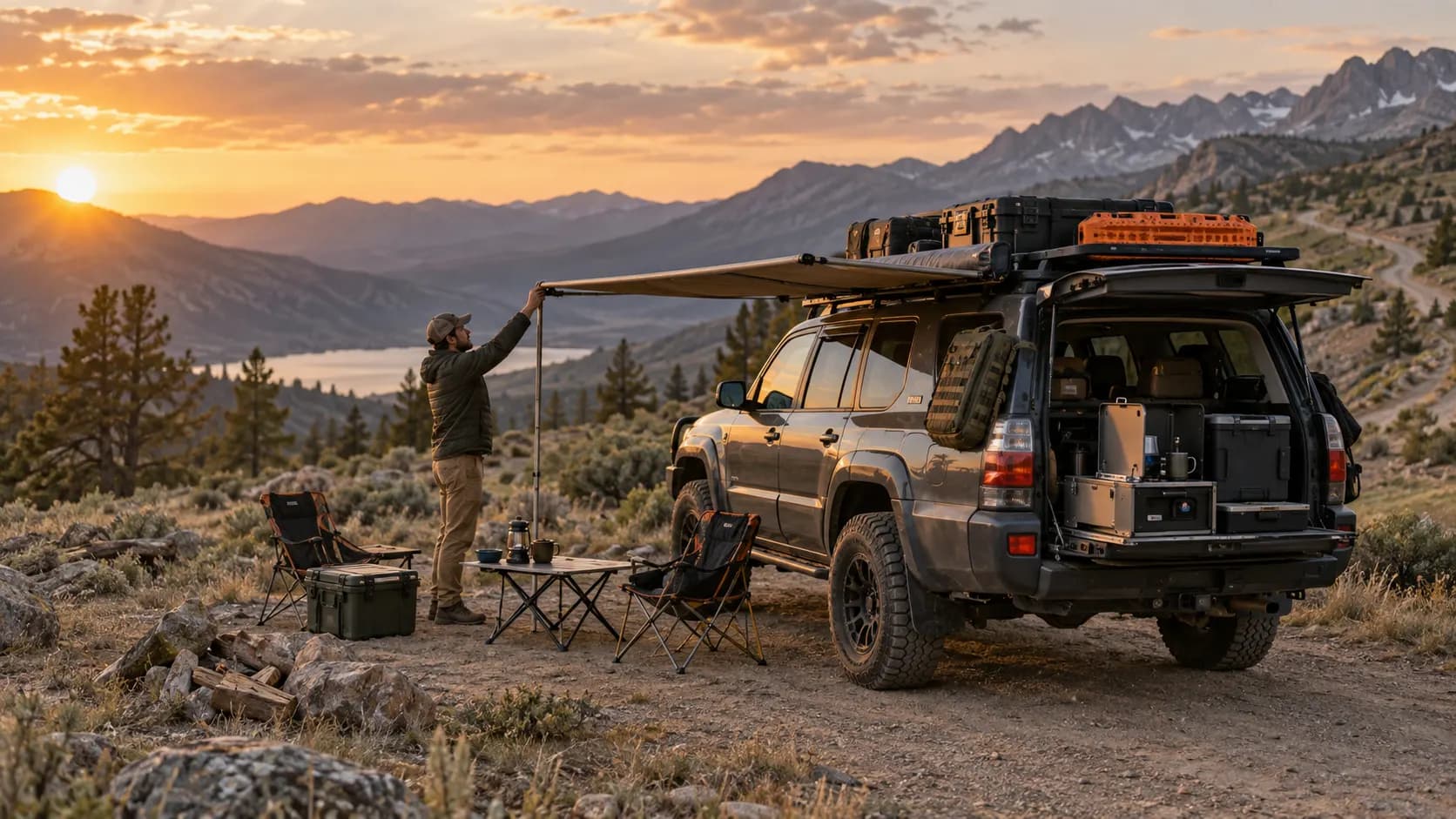
Camping, but you brought the entire garage with you and somehow still forgot a can opener.
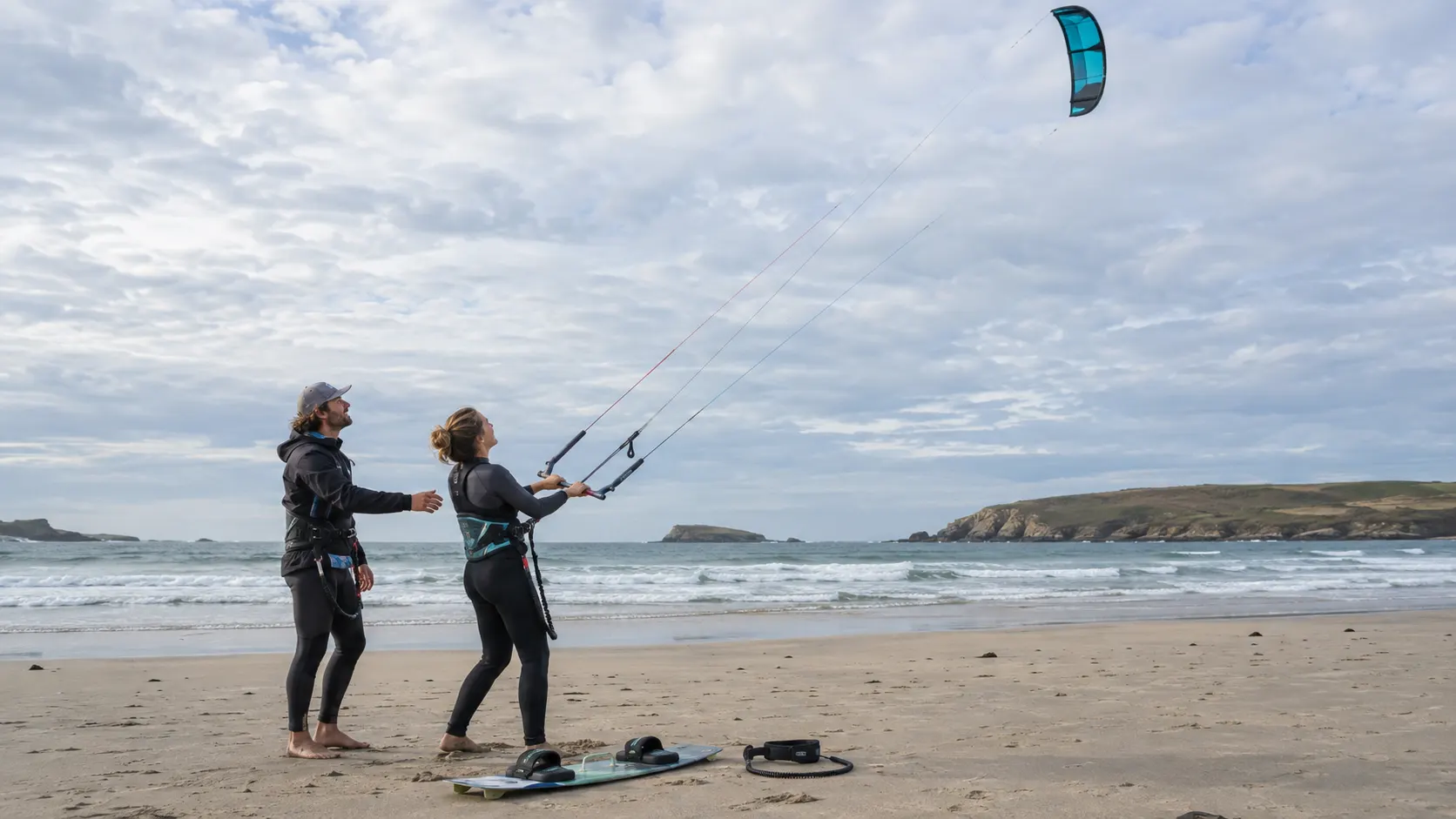
Kitesurfing
Strapping a giant kite to yourself and letting the wind decide how your afternoon goes.
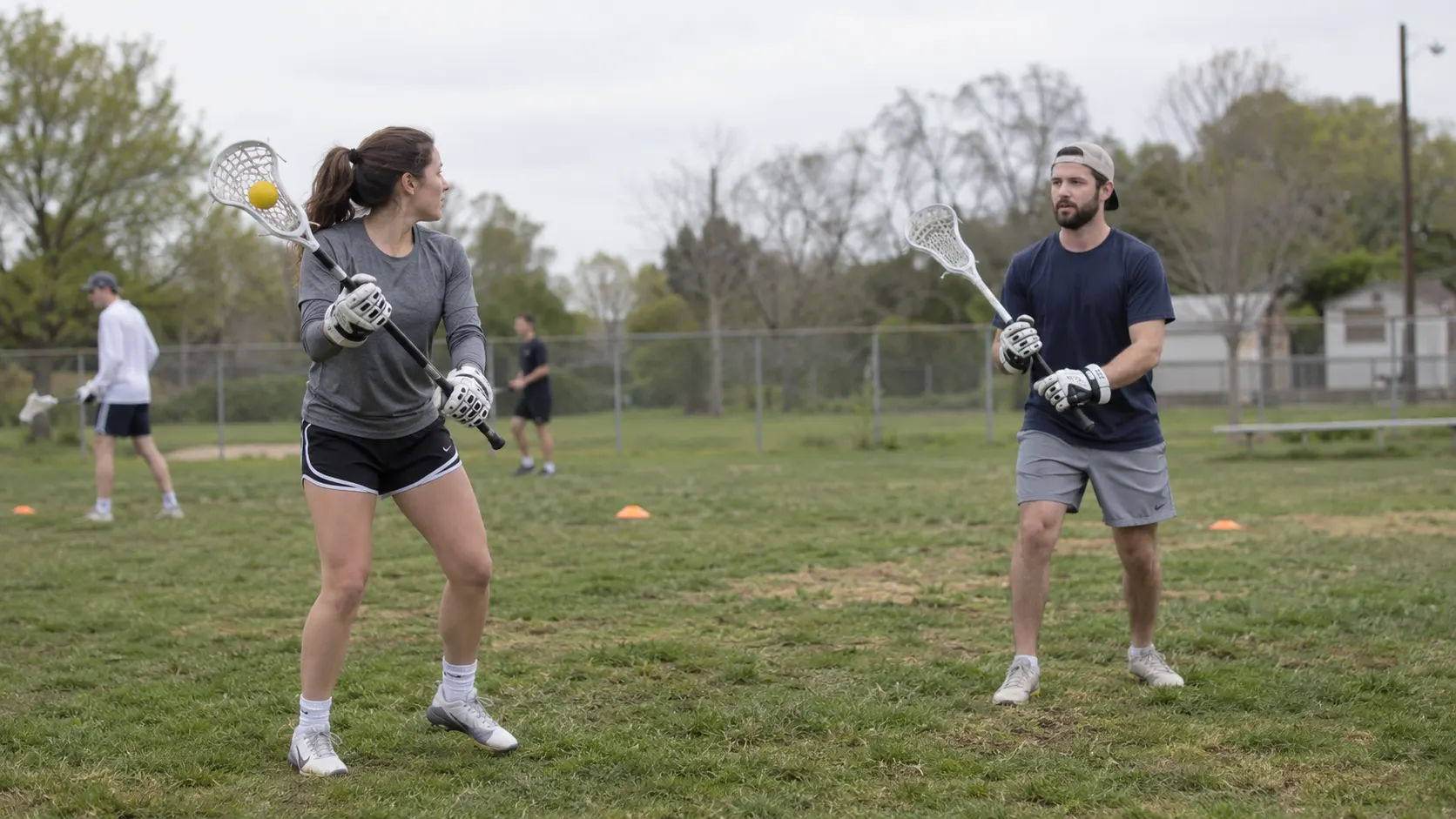
Lacrosse
Field hockey and basketball's fast, slightly violent cousin, played with a stick and a net.