CrossFit
A workout that ends and you genuinely cannot tell if you're proud of yourself or need a medic.
- Cost to start
- ~$180 to start
- Learning curve
- 4 / 5
- Typical session
- 45-60 min
- Physical demand
- 9 / 10
- Social level
- 7 / 10
- Setting
- At a venue
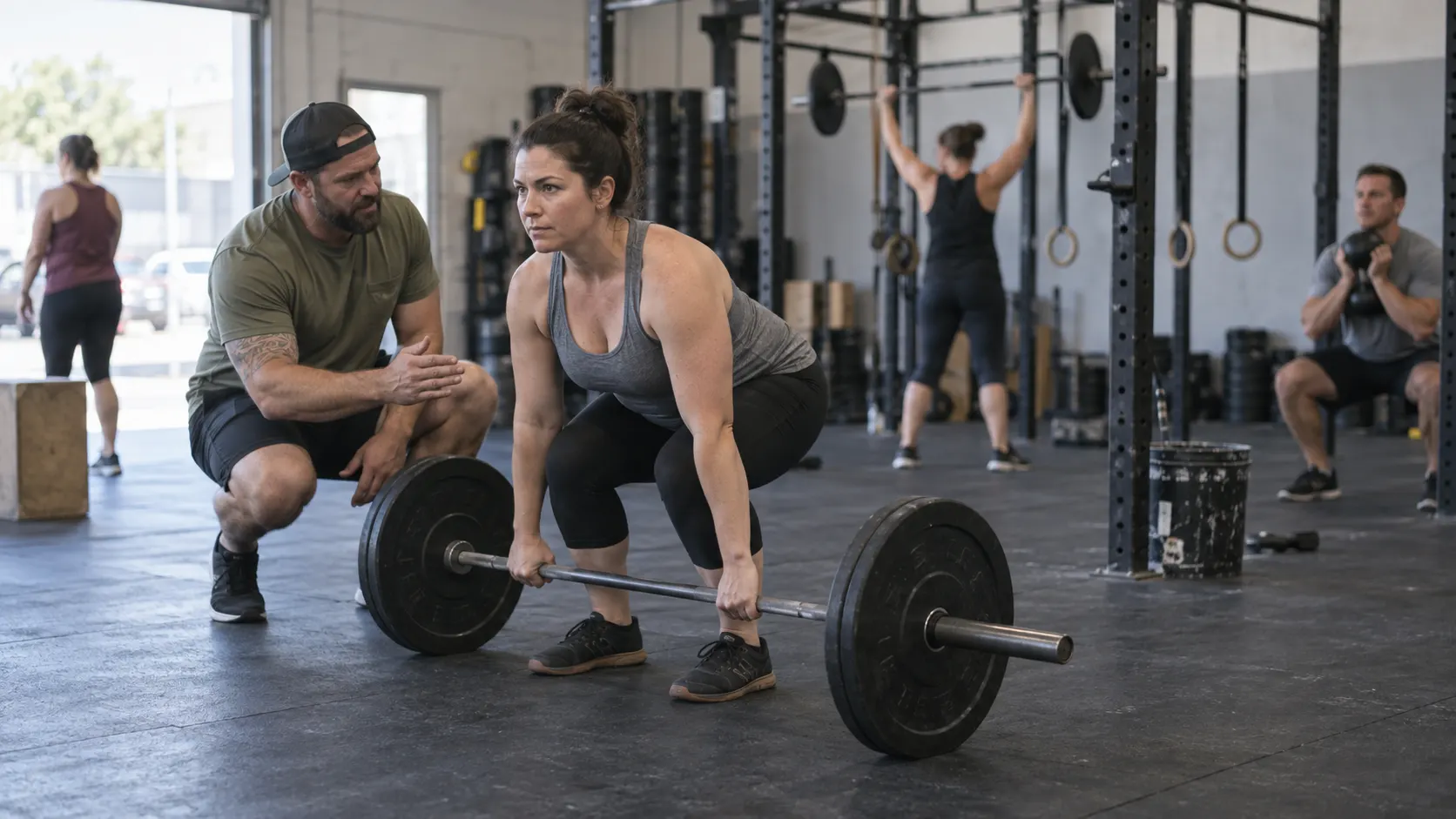
CrossFit is high-intensity functional fitness — a constantly varied mix of weightlifting, gymnastics-style bodyweight movement, and cardio, done in a group class ("WOD," or workout of the day) at a specialized gym. The community aspect is a genuinely large part of why people stick with it; classes are scored and often done together, which builds a level of camaraderie and accountability regular gym-going rarely produces on its own.
What it costs
Bare-minimum start: about $25 — a single drop-in class at a local CrossFit gym ("box"), which typically includes all equipment and coaching for that session.
Practical setup: about $180. That's a monthly membership at a CrossFit box (these run notably higher than typical gym memberships, often $150-250 a month, because classes are small and coached rather than open-floor) plus a pair of proper training shoes with flat, stable soles suited to both lifting and varied movement.
Optional later: weightlifting shoes with a raised heel for specific lifts, hand grips or gymnastics grips to protect palms during pull-up and bar work, and a knee sleeve or wrist wraps once you're lifting heavier and want extra joint support.
The one thing worth spending on, beyond membership itself, is a foundations or beginner course most boxes require before joining regular classes — it teaches correct form on core movements (squats, deadlifts, basic Olympic lifts) that get used at high intensity almost immediately once you're in regular WODs.
What to buy
A pair of cross-training shoes with a flat, stable sole — running shoes' cushioned heel actually works against stability for lifting movements. Gymnastics or hand grips, genuinely useful once you're doing regular pull-up or bar work, which causes real callusing and tearing without them. A membership, the largest recurring cost by far.
Skip weightlifting-specific shoes before you know you're sticking with the sport and lifting regularly; standard cross-training shoes handle a beginner's needs fine. Skip knee sleeves and wrist wraps until a coach or your own experience tells you they're actually needed; they're not required for most beginner-level training.
How to start
Start with a foundations or beginner course, which most reputable boxes require before joining regular classes — it covers correct form on squats, deadlifts, and basic gymnastic movements, all of which get used at real intensity in standard WODs almost immediately.
Scale every workout to your actual fitness level rather than trying to keep up with more experienced members — CrossFit workouts are explicitly designed to be scaled (lighter weights, modified movements), and a good coach expects and encourages this for beginners rather than seeing it as failure. Safety note: CrossFit's intensity and complex movements (especially Olympic lifts) carry real injury risk when form breaks down under fatigue; prioritize correct technique over speed or weight, especially in your first months, and tell your coach about any past injuries. The most common beginner mistake is chasing the workout's prescribed weight or rep scheme instead of scaling appropriately — ego-driven scaling decisions are a leading cause of avoidable CrossFit injuries, according to coaches across the sport.
Is it for you?
CrossFit suits people who thrive on group accountability and enjoy varied, intense workouts more than a predictable individual gym routine. It rewards consistency and a willingness to scale honestly more than raw fitness coming in. If you prefer working out alone at your own pace, CrossFit's class structure and shared intensity work against that preference directly. If you've ever wanted a gym routine that feels more like a team sport than solo exercise, and don't mind genuinely challenging workouts, it delivers a level of community most fitness routines don't.
Starter gear
Soft suggestions to get going. These are affiliate links — buying through one may earn us a commission at no extra cost to you.
Tagged
More like this
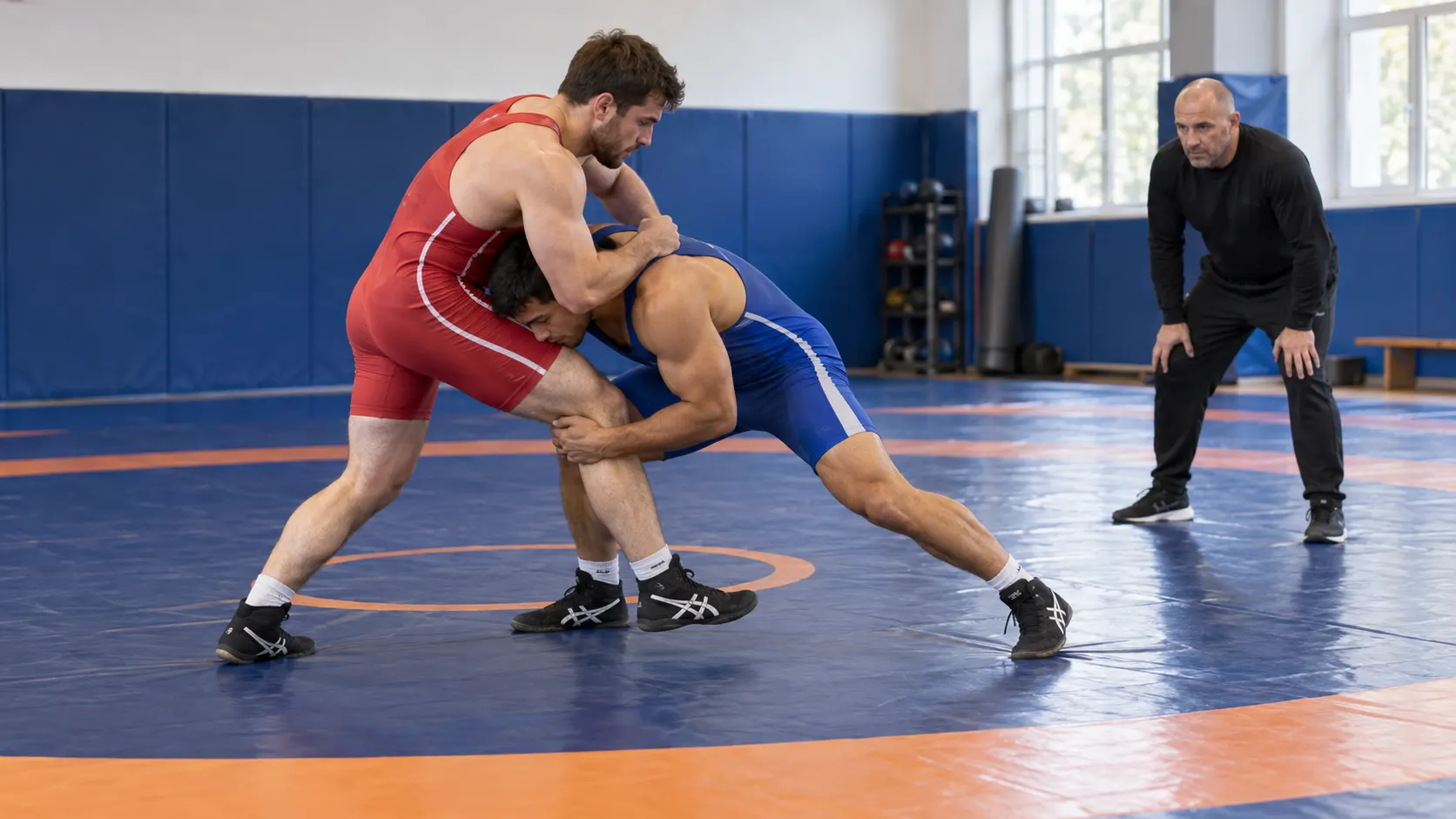
Amateur Wrestling
Chess, if the pieces could also put you in a headlock.
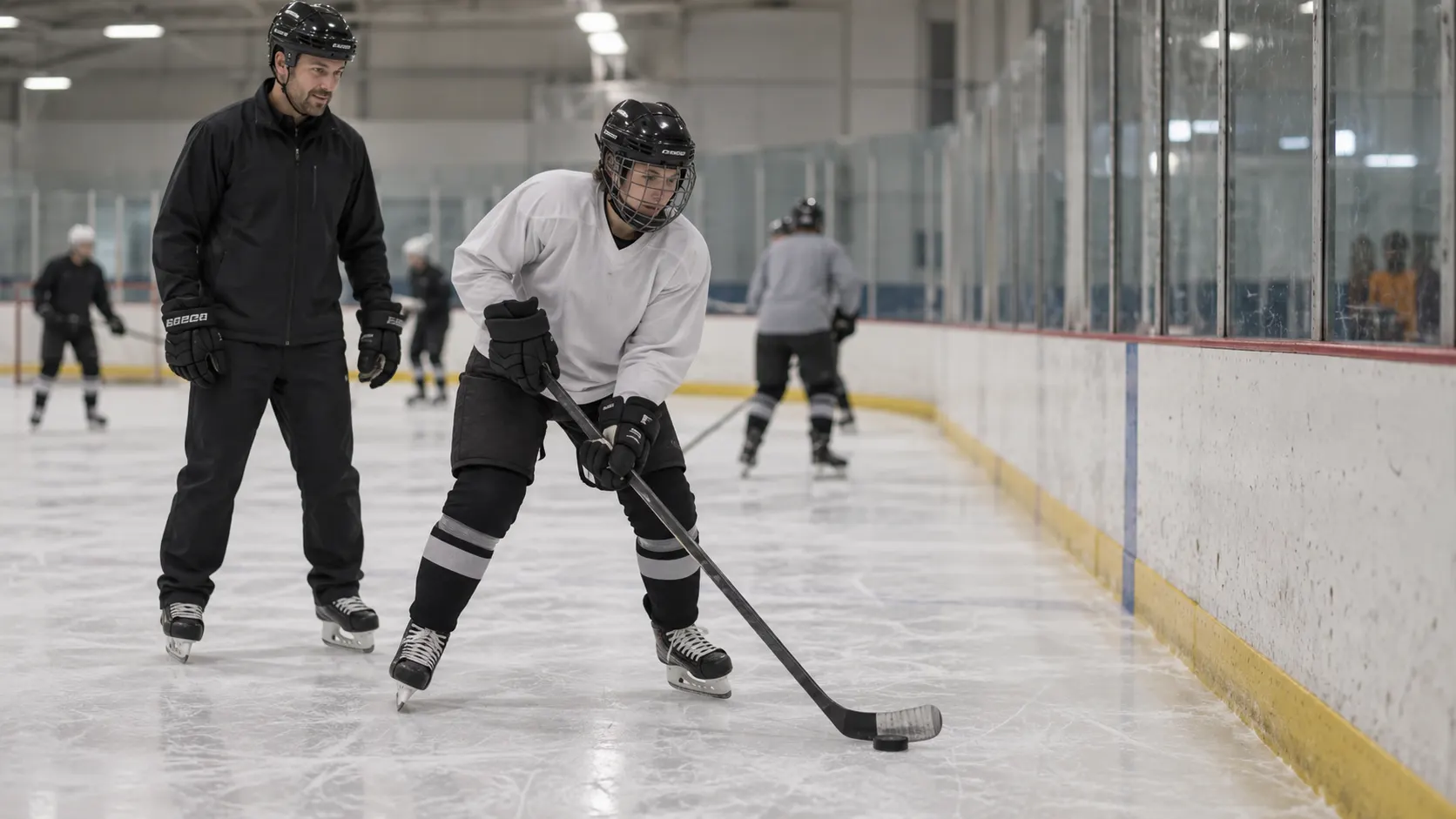
Ice Hockey
Learning to stand on knives while chasing a rubber disc, and somehow that's the fun part.
Skydiving
Voluntarily exiting a perfectly functional airplane, then paying for the privilege.
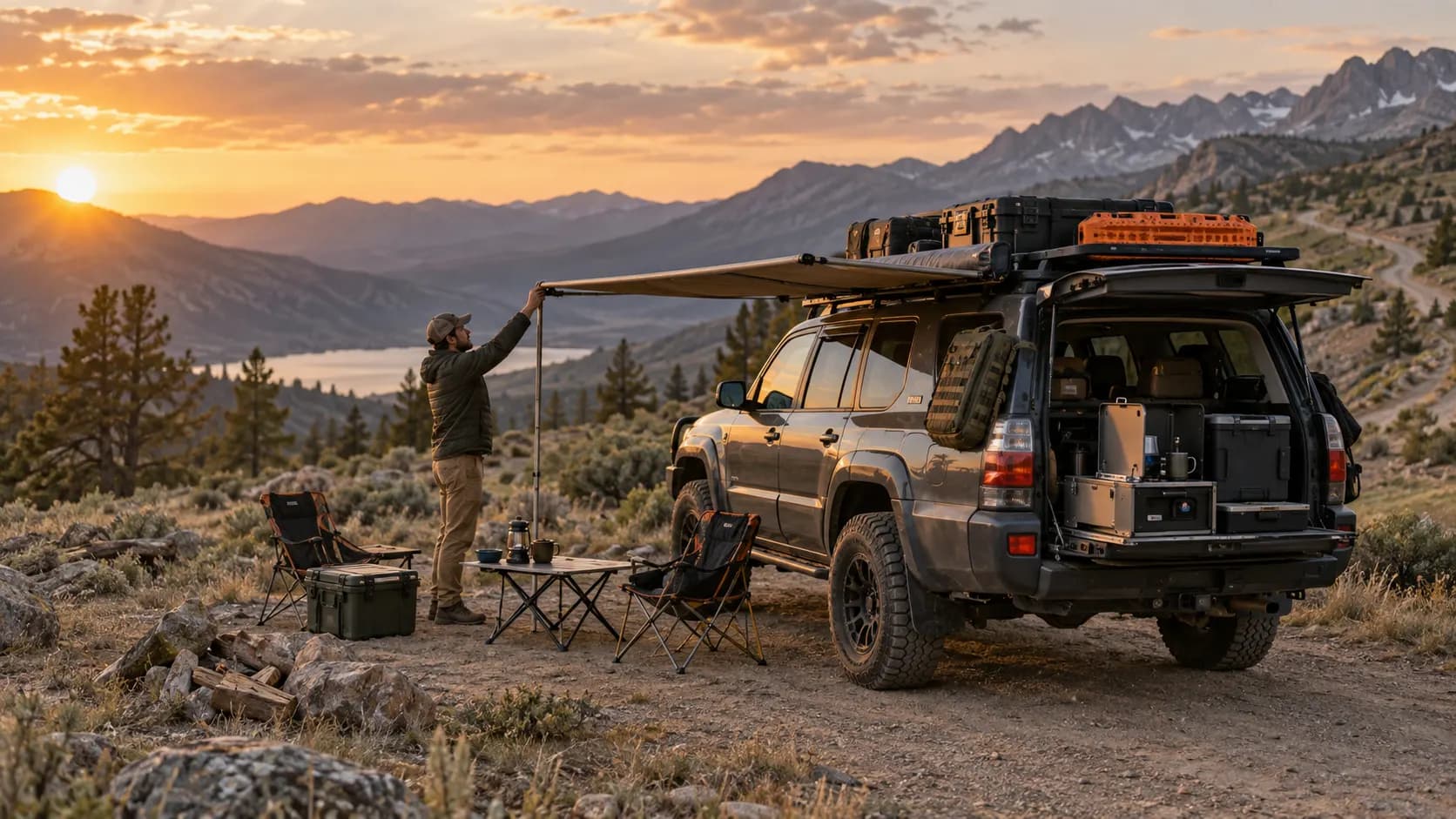
Overlanding
Camping, but you brought the entire garage with you and somehow still forgot a can opener.
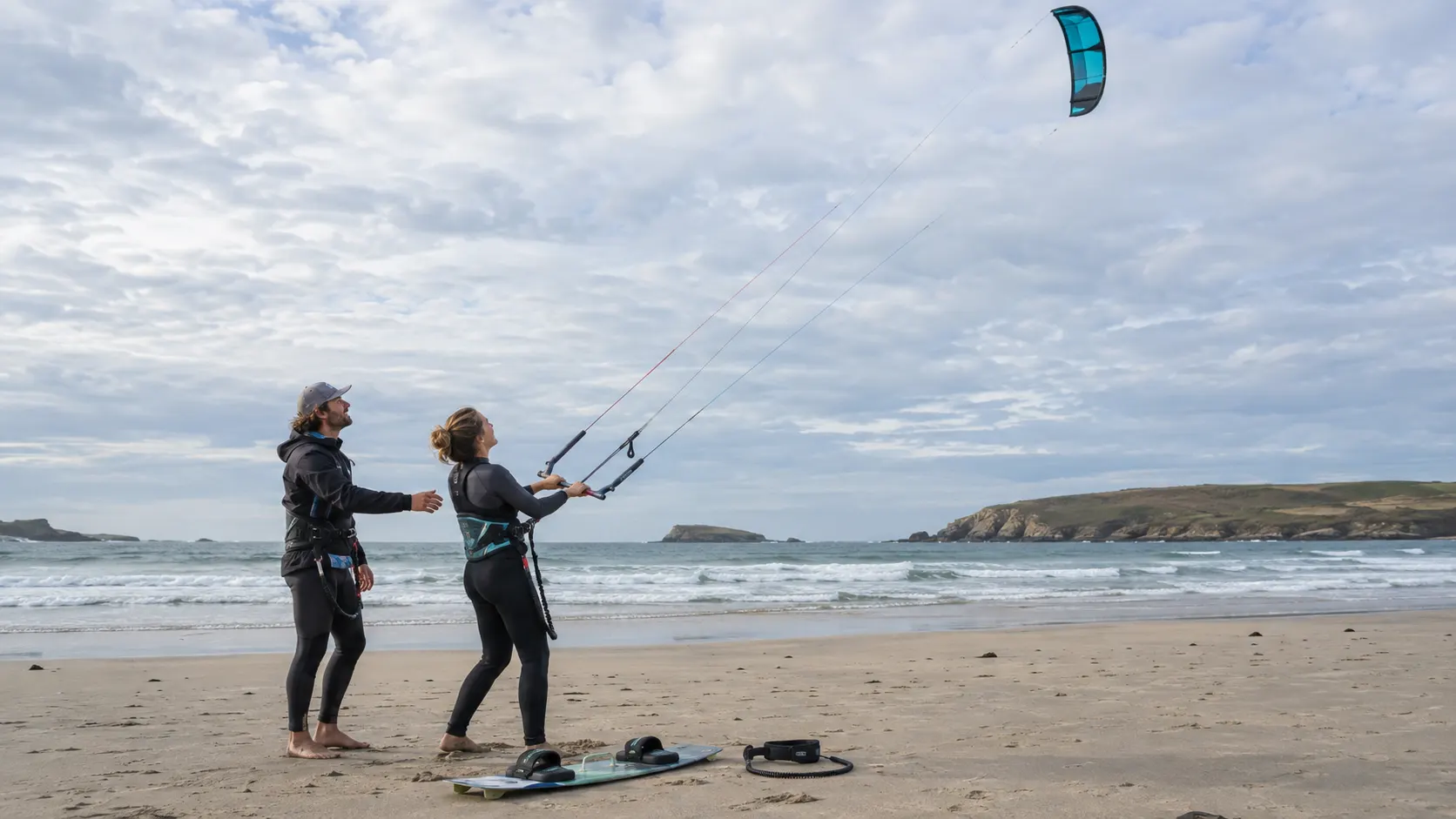
Kitesurfing
Strapping a giant kite to yourself and letting the wind decide how your afternoon goes.