
Fencing
Sword fighting with rules, wiring, and significantly fewer amputations than history suggests.
- Cost to start
- ~$250 to start
- Learning curve
- 4 / 5
- Typical session
- 60-90 min
- Physical demand
- 6 / 10
- Social level
- 5 / 10
- Setting
- At a venue
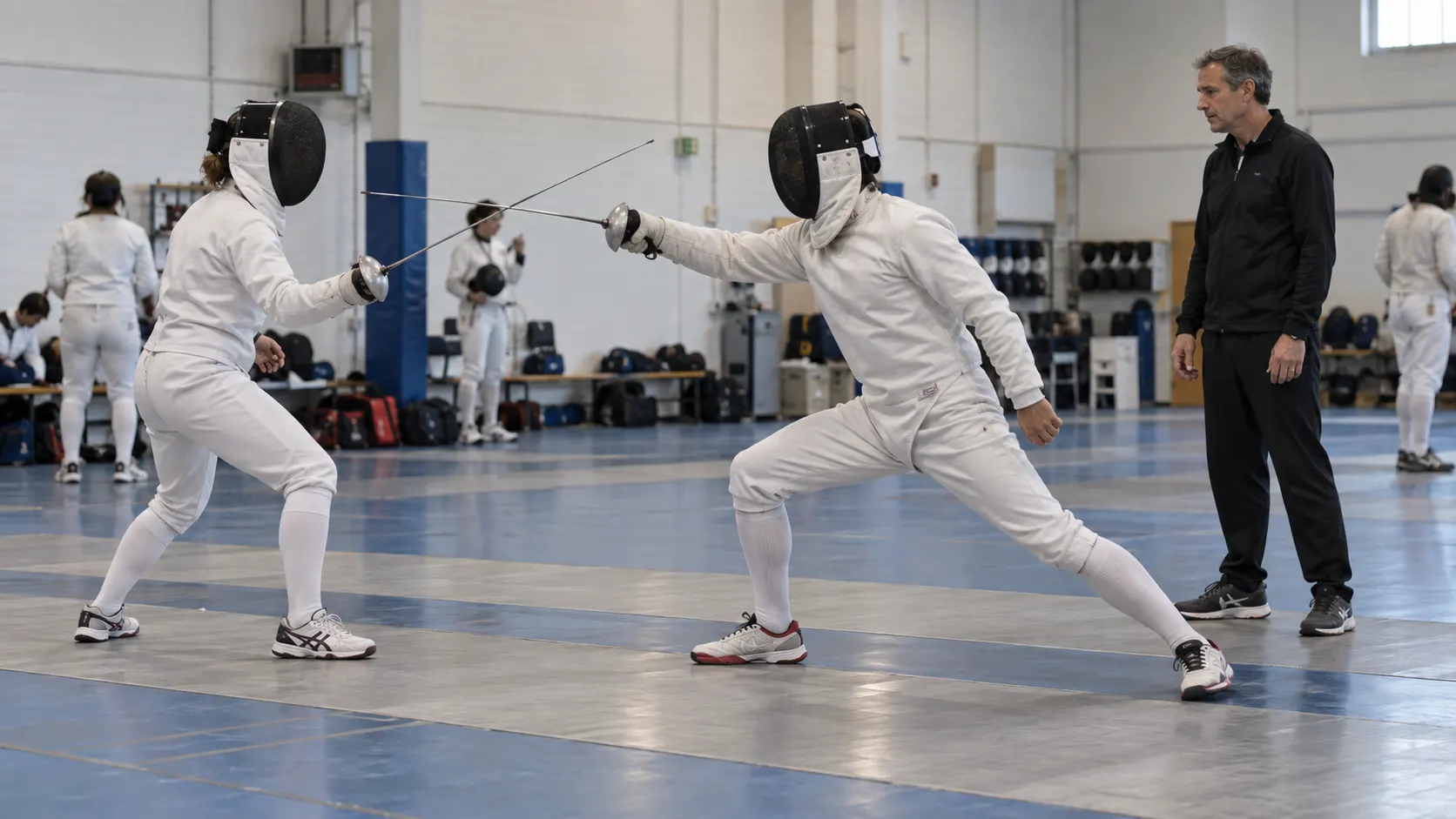
Fencing is Olympic sword fighting, and the modern sport version is faster, more electronic, and more rules-based than most people picture — hits are registered by wiring built into the weapon and a scoring lamé vest, not by a referee's eyeball, and matches move at a speed that surprises most first-time spectators. The three weapons (foil, épée, sabre) each have different rules for what counts as a valid hit, which shapes the whole style of fencing within each.
What it costs
Bare-minimum start: about $30 — a beginner class at a local fencing club, which almost always lends full gear (weapon, mask, jacket) to newcomers for their first several sessions.
Practical setup: about $250. That's your own basic gear set once you've picked a weapon: a weapon, mask, glove, and a fencing jacket, plus a club membership or class package. Most clubs require you to choose one weapon type early since gear and technique differ meaningfully between foil, épée, and sabre.
Optional later: electronic scoring equipment (a body cord and lamé for foil/sabre) once you move from practice bouts to actual scored competition, a second weapon if you want to try a different one, and tournament entry fees if you get into competitive fencing.
The one thing worth spending on first, before any gear, is a few beginner classes to help you pick a weapon — foil, épée, and sabre genuinely feel different to fence, and trying each briefly (most clubs rotate beginners through all three) saves you from investing in gear for a weapon you end up not enjoying.
What to buy
A weapon (foil, épée, or sabre, based on what you preferred in beginner rotation), a mask, a glove, and a fencing jacket — most clubs sell or point you toward beginner packages bundling these. A club membership or class package, which usually includes access to loaner gear while you're deciding.
Skip buying your own gear before you've taken several classes on loaned equipment and picked a weapon you actually enjoy. Skip electronic scoring gear (body cords, lamé) until you're fencing bouts that require it — practice and drilling don't need it.
How to start
Start with a beginner class at a local fencing club — most run a multi-week introductory series covering basic footwork, blade work, and rules, using club-owned gear so you don't need to buy anything up front. You don't need to have picked a weapon yet; most beginner programs rotate through all three.
Focus on footwork before blade work — fencing distance and timing are controlled almost entirely by footwork, and a fencer with solid footwork and mediocre blade skills consistently beats the reverse. Pay close attention to right-of-way rules if you fence foil or sabre, since these weapons score based on who has priority to attack, not simply who touched first, and it trips up nearly every beginner at first. The most common beginner mistake is lunging from too far away out of eagerness to attack, which leaves you overextended and unable to recover if the attack misses or is parried.
Is it for you?
Fencing suits people who like a fast, tactical combat sport with real rules-based strategy layered on top of the physical skill. It rewards precise footwork and tactical patience more than raw speed or strength. If you want a sport that's simple to referee and watch casually, fencing's right-of-way rules take real time to understand even as a spectator. If you've ever wanted to try sword fighting in a genuinely safe, structured, competitive format, it's one of the more accessible ways to actually do that.
Starter gear
Soft suggestions to get going. These are affiliate links — buying through one may earn us a commission at no extra cost to you.
Tagged
More like this
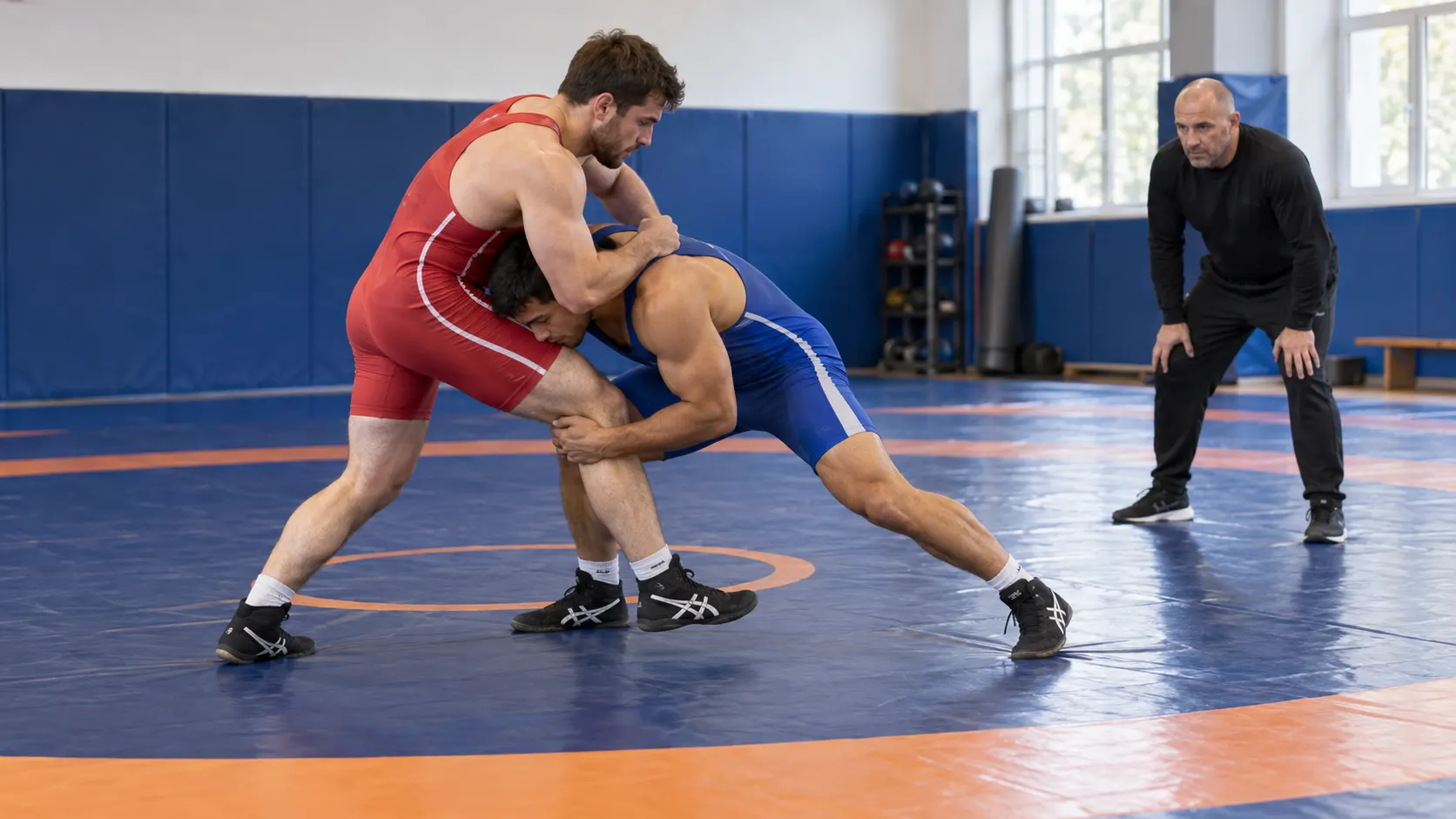
Amateur Wrestling
Chess, if the pieces could also put you in a headlock.
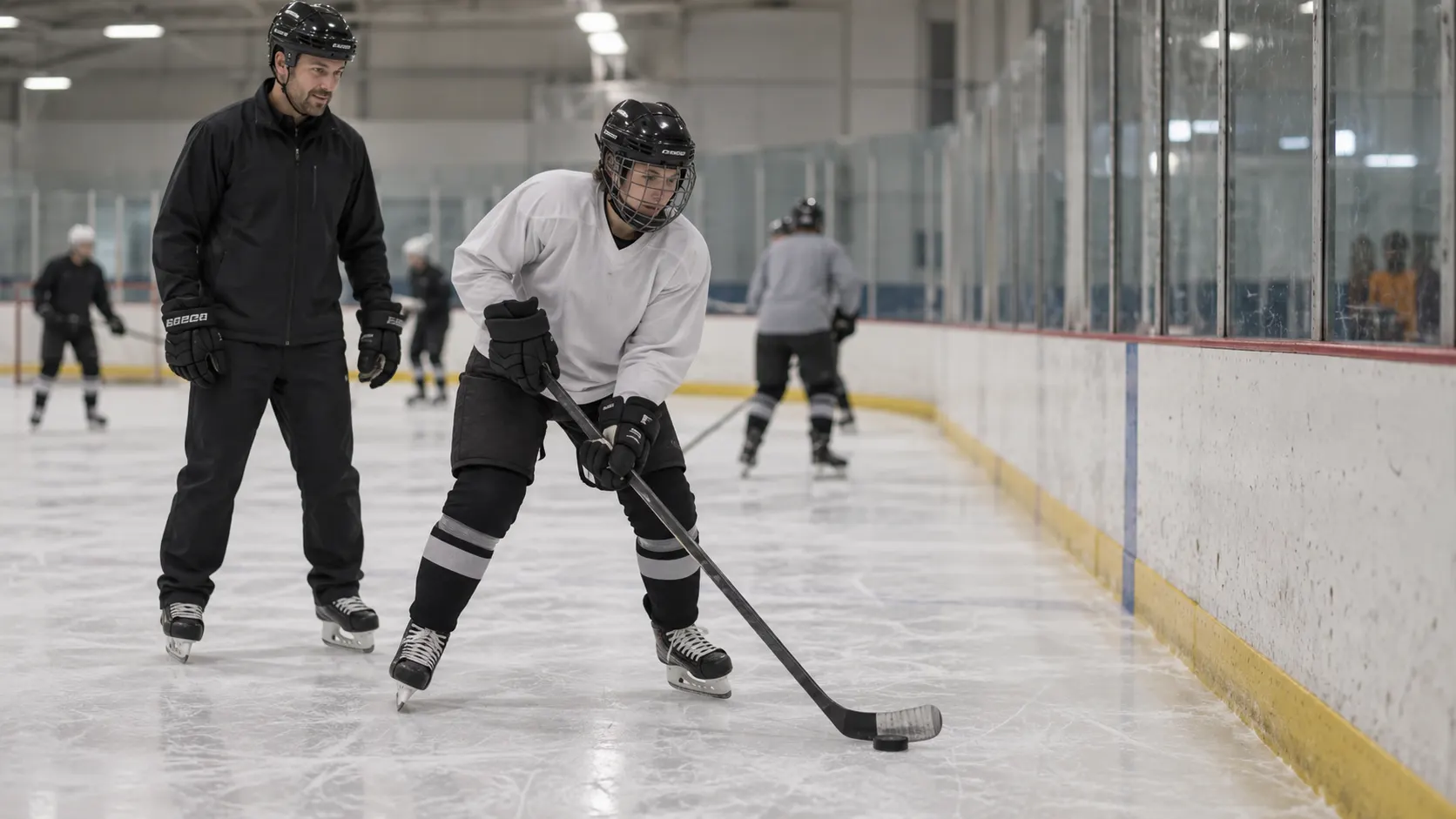
Ice Hockey
Learning to stand on knives while chasing a rubber disc, and somehow that's the fun part.
Skydiving
Voluntarily exiting a perfectly functional airplane, then paying for the privilege.
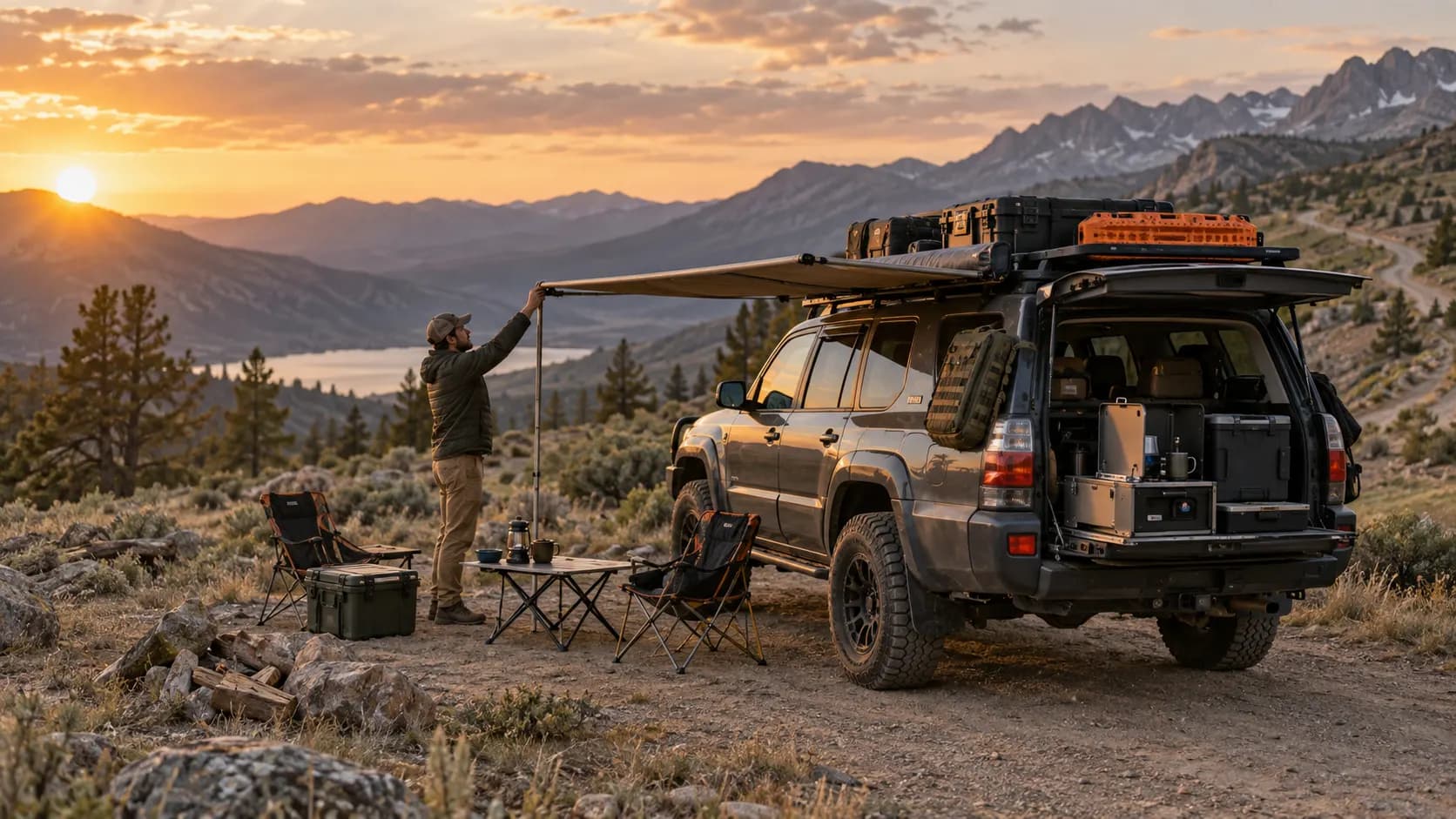
Overlanding
Camping, but you brought the entire garage with you and somehow still forgot a can opener.
Kitesurfing
Strapping a giant kite to yourself and letting the wind decide how your afternoon goes.