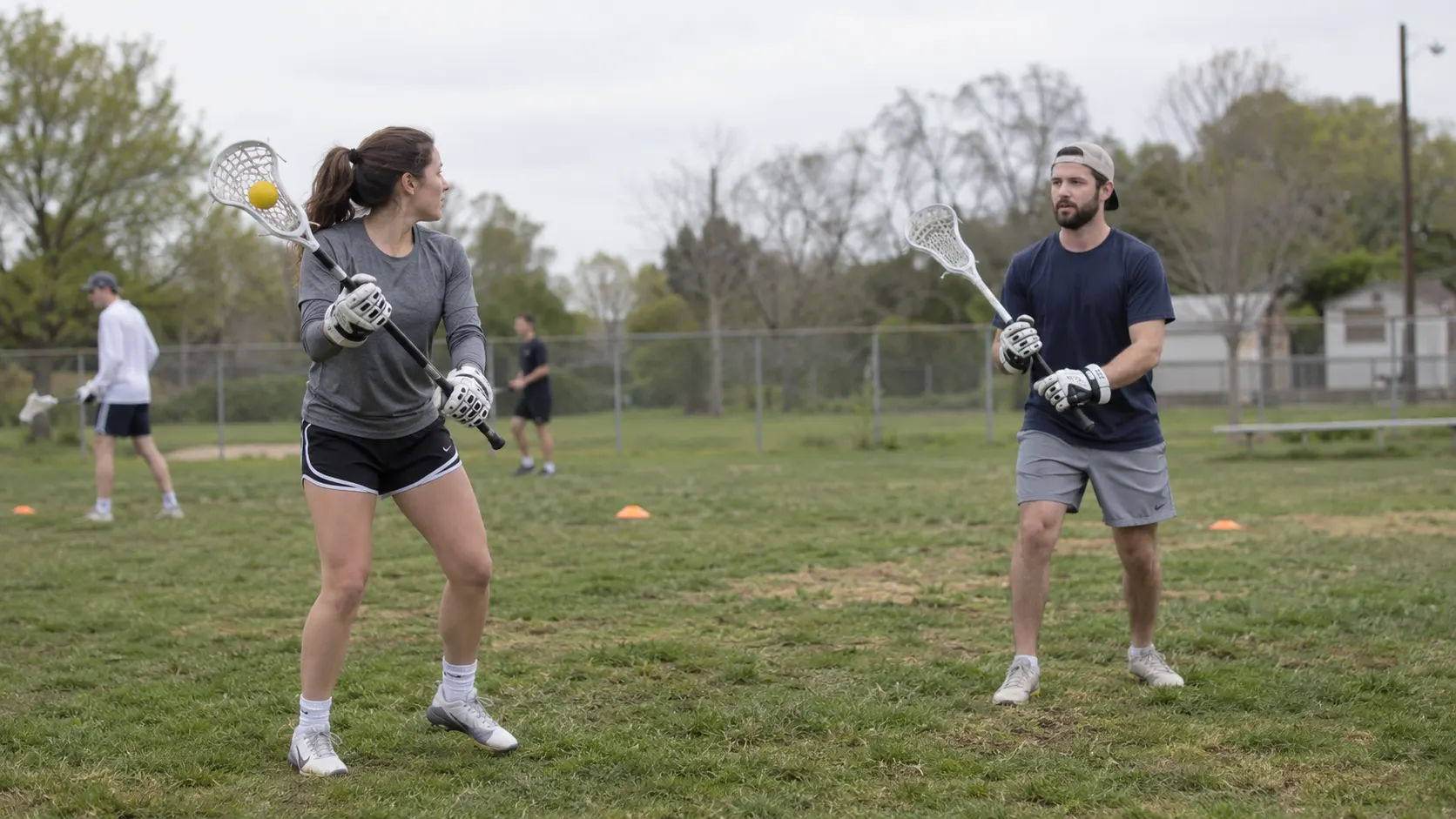
Lacrosse
Field hockey and basketball's fast, slightly violent cousin, played with a stick and a net.
- Cost to start
- ~$150 to start
- Learning curve
- 3 / 5
- Typical session
- 60-90 min
- Physical demand
- 7 / 10
- Social level
- 6 / 10
- Setting
- Outdoors
Lacrosse combines the running of soccer, the passing structure of basketball, and full-speed stick handling, and it's genuinely one of the faster team sports to watch or play once everyone's comfortable with the stick. Adult recreational leagues exist in a lot of cities, often running a more relaxed, less contact-heavy version than the high school and college game most people picture.
What it costs
Bare-minimum start: about $40 — a basic starter stick and a lacrosse ball, practicing throwing and catching against a wall or with a partner before joining any organized play.
Practical setup: about $150. That's a proper stick with a head suited to your position (attack, midfield, and defense sticks differ in length and pocket style), a mouthguard, and gloves — even in non-contact recreational leagues, stick checks and ball speed make hand protection worth having.
Optional later: full protective gear (helmet, shoulder pads, arm guards) if you move into a men's contact league, which requires much more padding than women's lacrosse or non-contact recreational formats, cleats specific to the field surface you play on most, and a rebounder net for solo wall-ball practice at home once you've outgrown a plain wall. A backup stick is also worth having once you're playing regularly, since a broken or poorly strung stick mid-season is a common frustration.
The one thing worth spending on early is a stick with a well-strung pocket — a poorly strung pocket makes catching and cradling the ball genuinely harder to learn on, independent of your own skill, and it's a common beginner frustration traced back to bad stringing rather than bad technique.
What to buy
A stick appropriate to your position and league type — check with a local league or store about which style fits recreational versus contact play. A mouthguard. Gloves, particularly in leagues with any stick-checking. Cleats suited to grass or turf, whichever your league plays on.
Skip full contact-level padding (helmet, shoulder pads) before confirming your league requires it — many recreational and co-ed formats don't involve checking and use much lighter gear. Skip a premium stick before you've practiced basic throwing and catching with a beginner stick; pocket preference is personal and worth discovering before investing in an expensive one.
How to start
Start by practicing wall-ball — throwing and catching against a wall solo — before joining any organized play. This single practice is what most experienced players credit with building genuine stick skill fastest, since it gives you hundreds of reps in a short session.
Learn proper cradling (keeping the ball secure in the pocket while moving) before worrying about speed or fancy stick work; a secure cradle under pressure is the actual foundational skill everything else in the sport builds from. Join a beginner or recreational league rather than a competitive one for your first season — recreational formats are built around exactly this level of experience and are far more forgiving. The most common beginner mistake is gripping the stick too tightly, which restricts the wrist movement needed for accurate throws and catches; a relaxed grip, counterintuitively, gives you more control, not less.
Is it for you?
Lacrosse suits people who like a fast-paced team sport with a genuine skill component beyond just running — stick handling has real depth to it. It rewards hand-eye coordination and practice time with the stick more than raw athleticism alone. If you want a sport with minimal equipment and learning curve, lacrosse's stick skill requirement is real and takes deliberate practice. If you liked field sports growing up and want something with more technical texture than straightforward running sports, it's a genuinely rewarding one to pick up as an adult.
Starter gear
Soft suggestions to get going. These are affiliate links — buying through one may earn us a commission at no extra cost to you.
Tagged
More like this
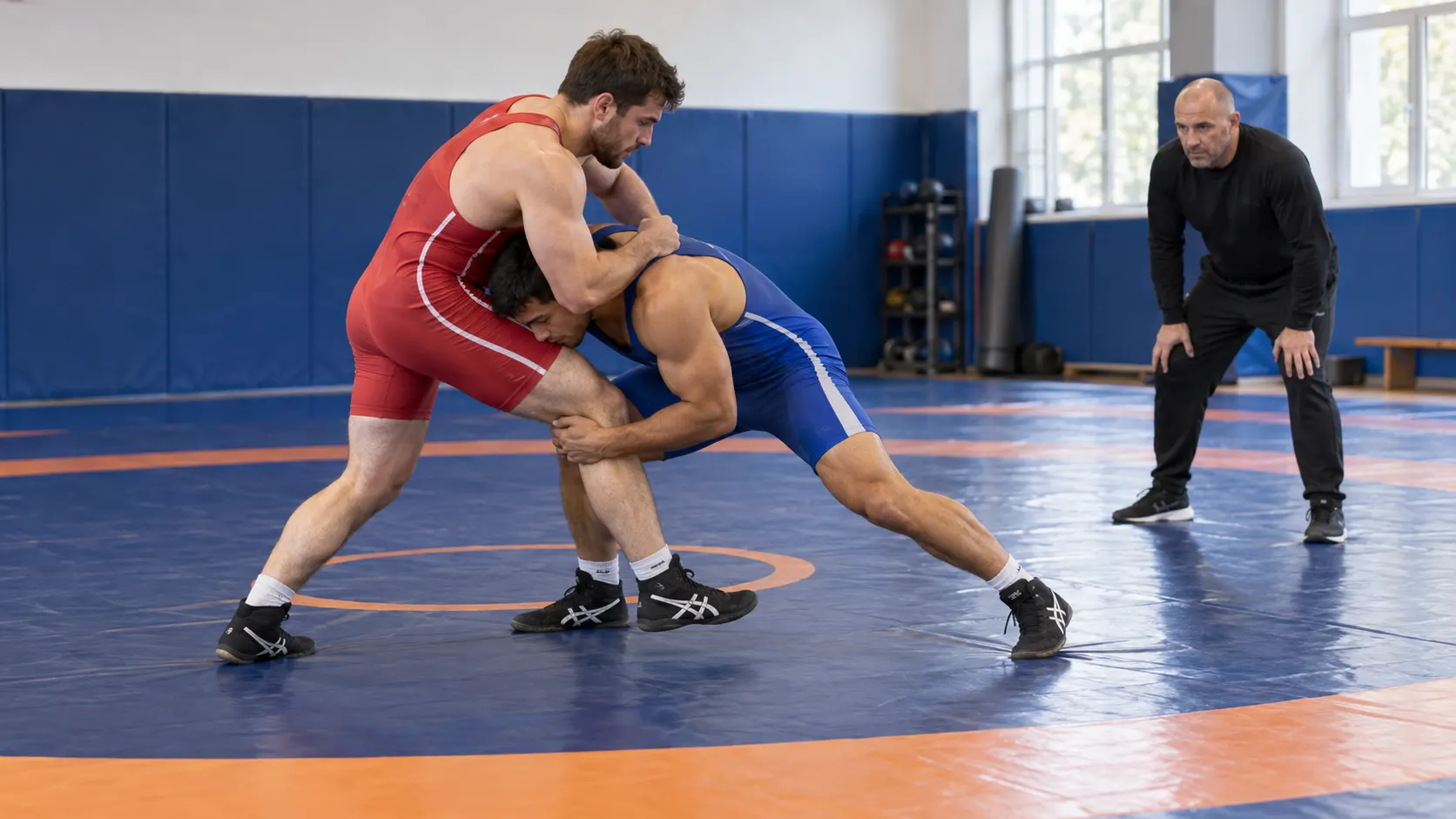
Amateur Wrestling
Chess, if the pieces could also put you in a headlock.
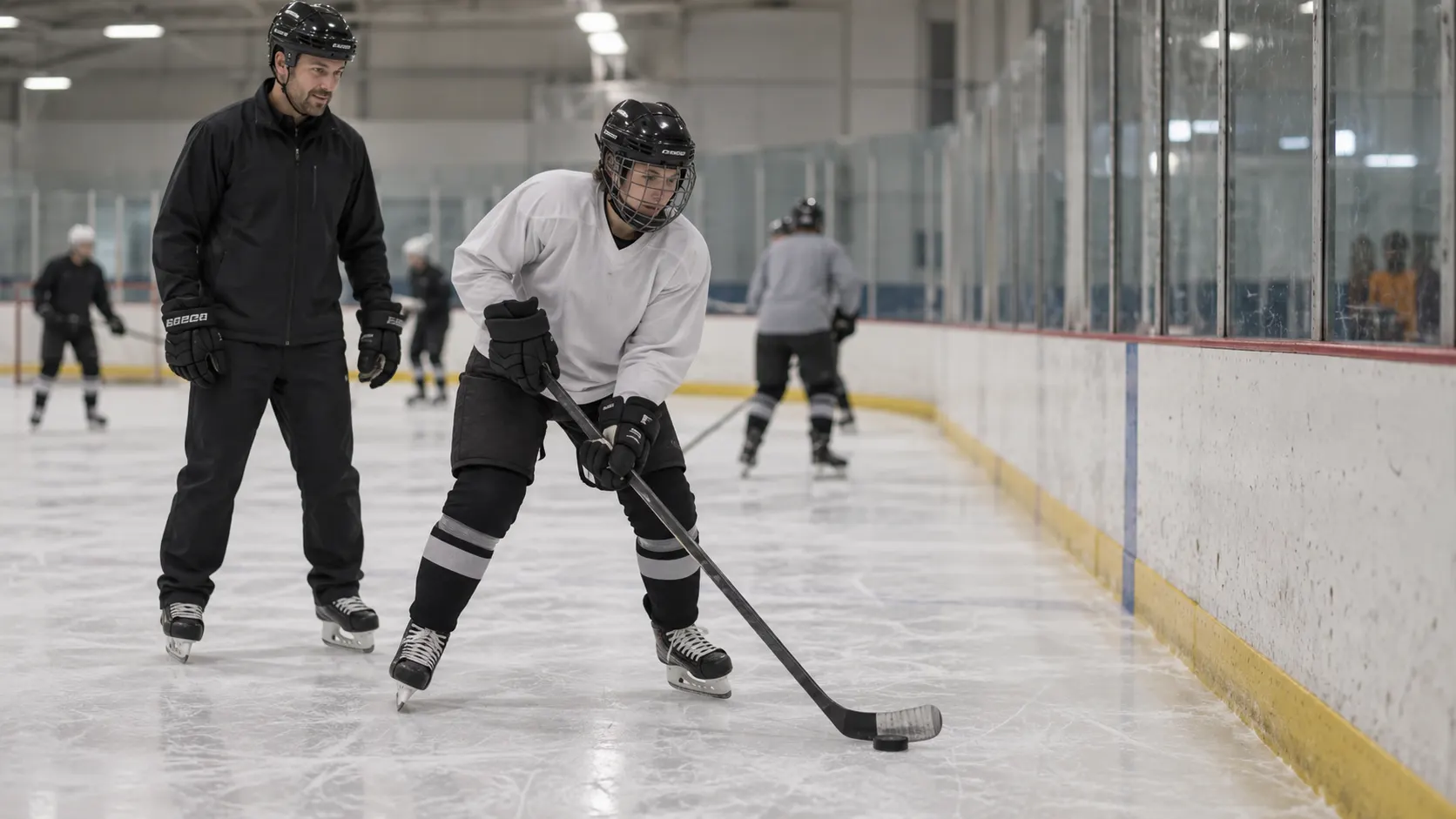
Ice Hockey
Learning to stand on knives while chasing a rubber disc, and somehow that's the fun part.
Skydiving
Voluntarily exiting a perfectly functional airplane, then paying for the privilege.
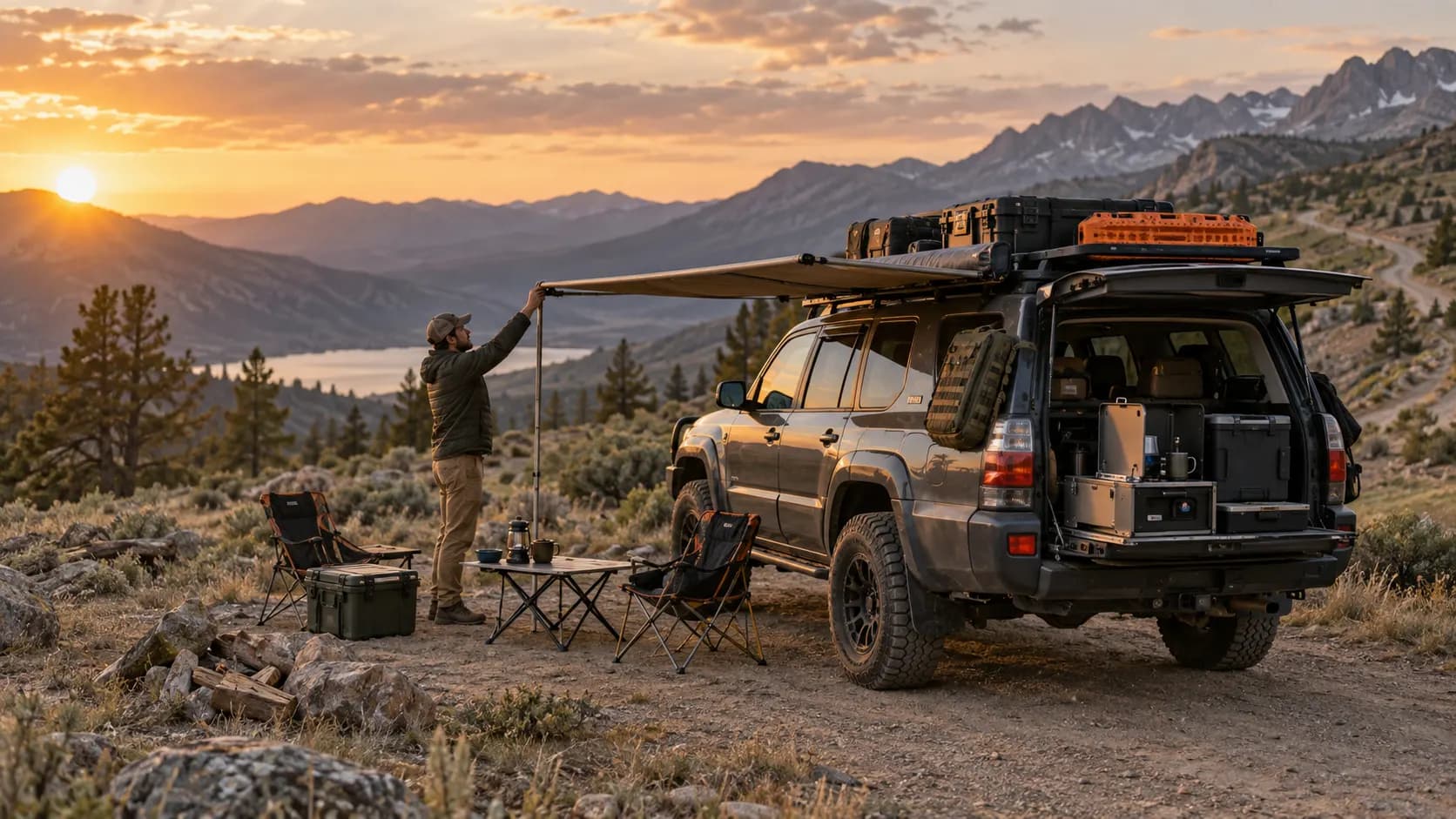
Overlanding
Camping, but you brought the entire garage with you and somehow still forgot a can opener.
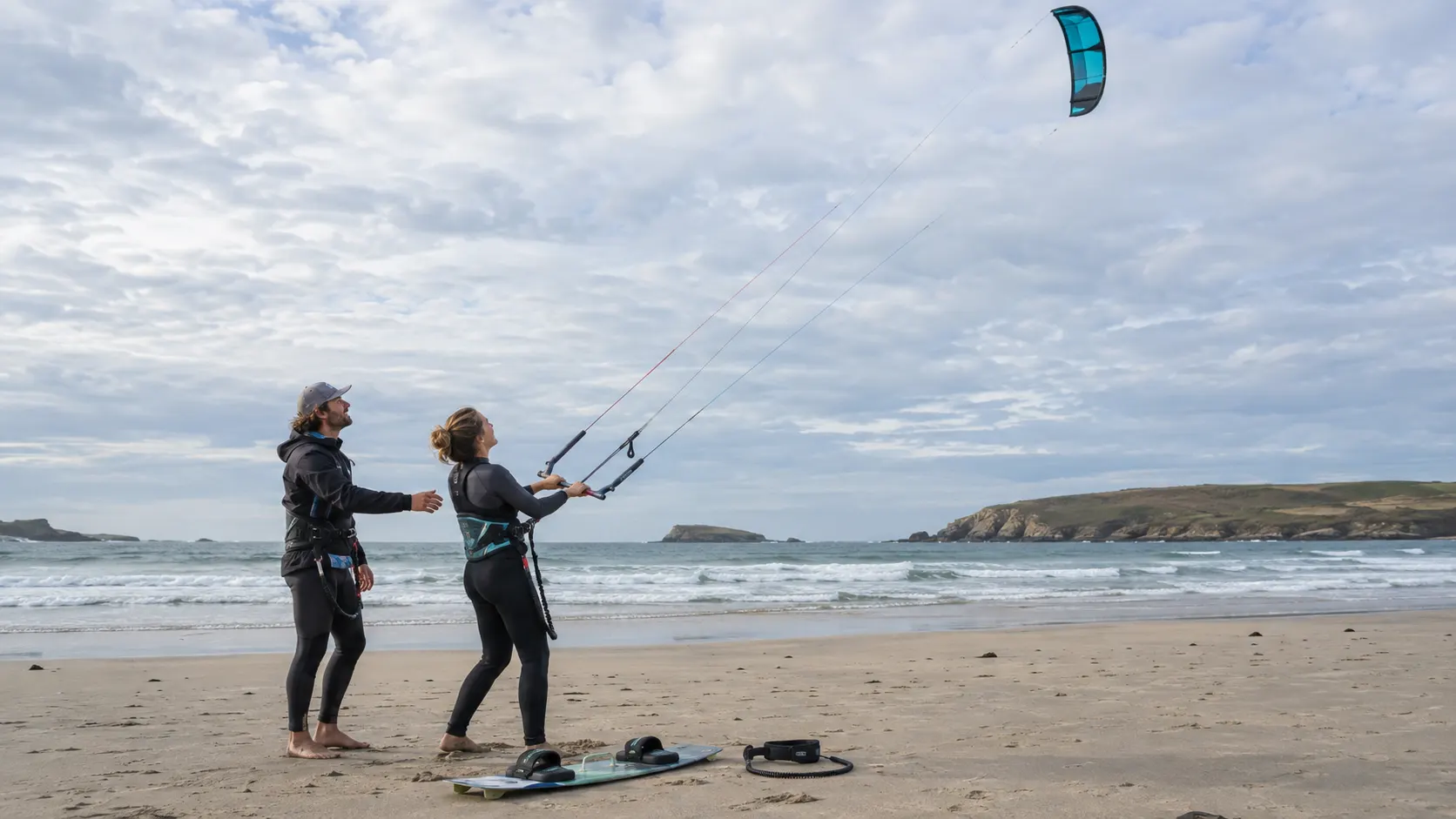
Kitesurfing
Strapping a giant kite to yourself and letting the wind decide how your afternoon goes.