
Rock Climbing
Bouldering's tall cousin: real rock, real ropes, and a real reason to trust another human being.
- Cost to start
- ~$350 to start
- Learning curve
- 4 / 5
- Typical session
- 3-6 hours
- Physical demand
- 8 / 10
- Social level
- 5 / 10
- Setting
- Outdoors
Rock climbing here means outdoor roped climbing on real rock — taller routes than bouldering's short, unroped problems, using ropes and protection for genuine height. It's a different sport from its indoor gym cousin in ways that matter: real rock has unpredictable holds, weather, and consequences, and climbing outdoors safely requires skills gyms don't fully teach on their own.
What it costs
Bare-minimum start: about $80 — a single guided outdoor climb through a local guide service, which provides all gear (harness, rope, shoes, helmet) and an experienced guide who handles the technical safety systems.
Practical setup: about $350. That's your own climbing shoes (fit matters enormously and rental shoes rarely fit well), a harness, and a helmet — genuinely important outdoors, unlike most indoor gyms, since rockfall is a real risk. A belay course through a local gym or guide service, teaching the safety systems you need before climbing with a rope outdoors, rounds this out; most areas require or strongly recommend this before renting outdoor gear.
Optional later: your own rope and a full set of protection hardware (quickdraws, a rack of cams and nuts) once you're leading climbs rather than following, which is a much bigger investment and skill jump; a crash pad if you're also bouldering; and a guidebook for your local climbing area's specific routes.
The one thing worth spending on early is a proper belay course — outdoor climbing safety systems have real consequences for mistakes that indoor auto-belay systems don't teach, and a course from a certified instructor is the honest way to learn them.
What to buy
Climbing shoes fitted properly in person if at all possible — outdoor rock climbing shoes run tighter and stiffer than beginner indoor rentals. A harness. A helmet, which matters more outdoors than in most climbing gyms due to rockfall risk. A belay course or a few sessions with a certified guide before climbing with a rope outdoors on your own.
Skip buying your own rope and protection hardware before you're actually leading climbs — following (being belayed by someone else while you climb) needs none of that, and it's a genuinely large expense to commit to before you know your interest level. Skip solo outdoor climbing attempts before real instruction; the skills needed to climb safely outdoors take real, dedicated learning.
How to start
Start with a guided outdoor climb or a structured outdoor course through a local guide service or climbing gym that runs outdoor trips. You don't need your own gear or belay certification yet for a guided first outing — the guide handles the technical safety systems while you focus on the actual climbing.
Take a proper belay and safety course before climbing outdoors with just a partner and no guide — most local climbing gyms offer these, and outdoor-specific courses cover real hazards (rockfall, weather, rope management on uneven terrain) that indoor climbing doesn't require you to think about. Safety note: outdoor rock climbing carries real risk of serious injury from falls, rockfall, and equipment misuse; always double-check your own and your partner's knots and harness before climbing, wear a helmet, and never climb outdoors on a rope system you haven't been properly trained on. The most common beginner mistake is assuming indoor gym experience fully prepares you for outdoor climbing — the movement skills transfer, but the safety systems and environmental hazards genuinely don't, and treating them the same is how people get hurt.
Is it for you?
Rock climbing suits people who want real exposure and height, not just movement puzzles — the fact that a mistake has actual consequences is part of what draws people to it, not an incidental detail. It rewards trust in your systems and your partner as much as physical strength. If height or trusting rope systems genuinely unsettles you, this asks for both directly, more than bouldering or indoor climbing does. If you've outgrown the gym and want the real version — actual rock, actual exposure, actual weather — proper instruction is the honest bridge to get there safely.
Starter gear
Soft suggestions to get going. These are affiliate links — buying through one may earn us a commission at no extra cost to you.
Tagged
More like this
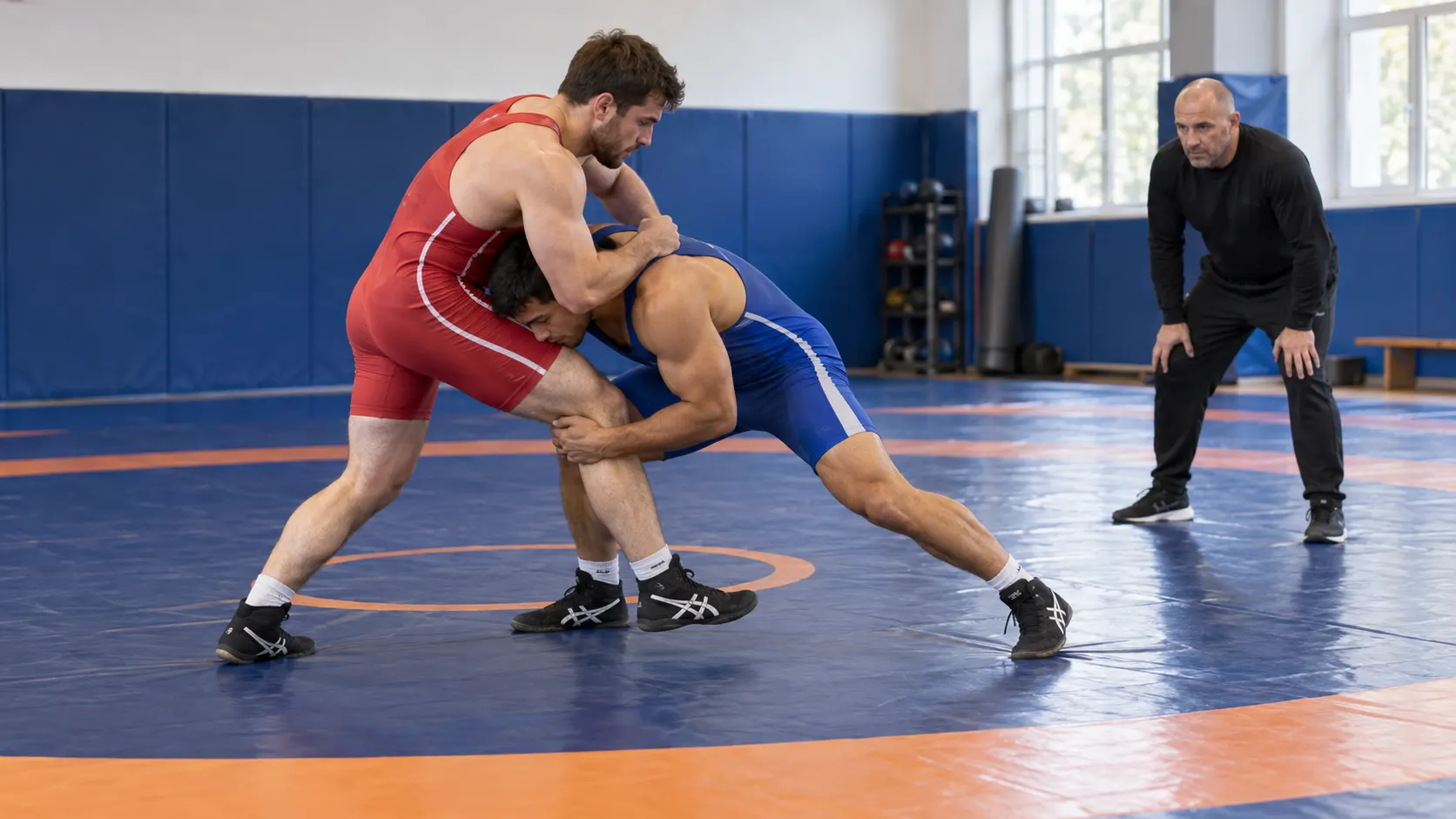
Amateur Wrestling
Chess, if the pieces could also put you in a headlock.
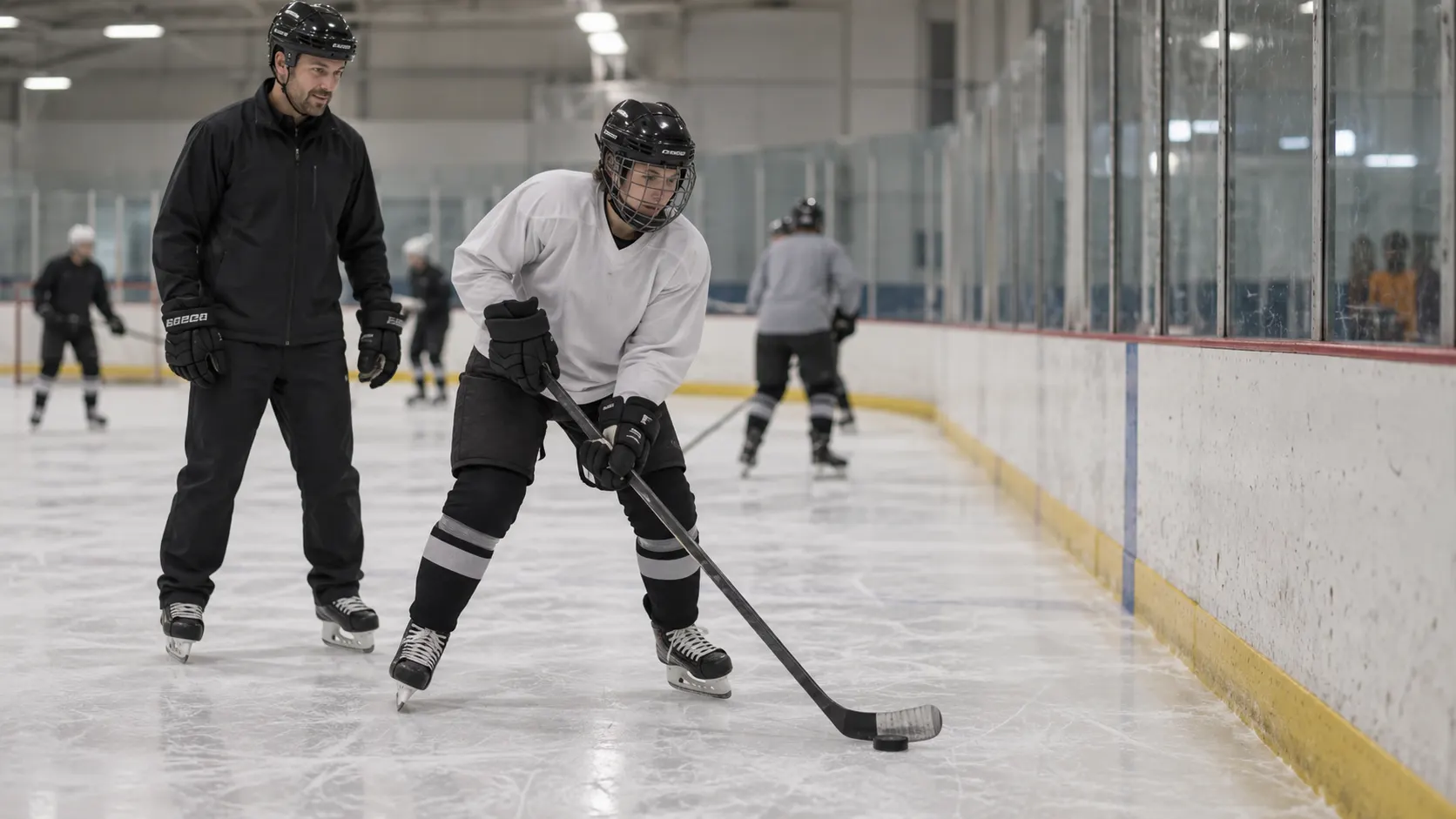
Ice Hockey
Learning to stand on knives while chasing a rubber disc, and somehow that's the fun part.
Skydiving
Voluntarily exiting a perfectly functional airplane, then paying for the privilege.
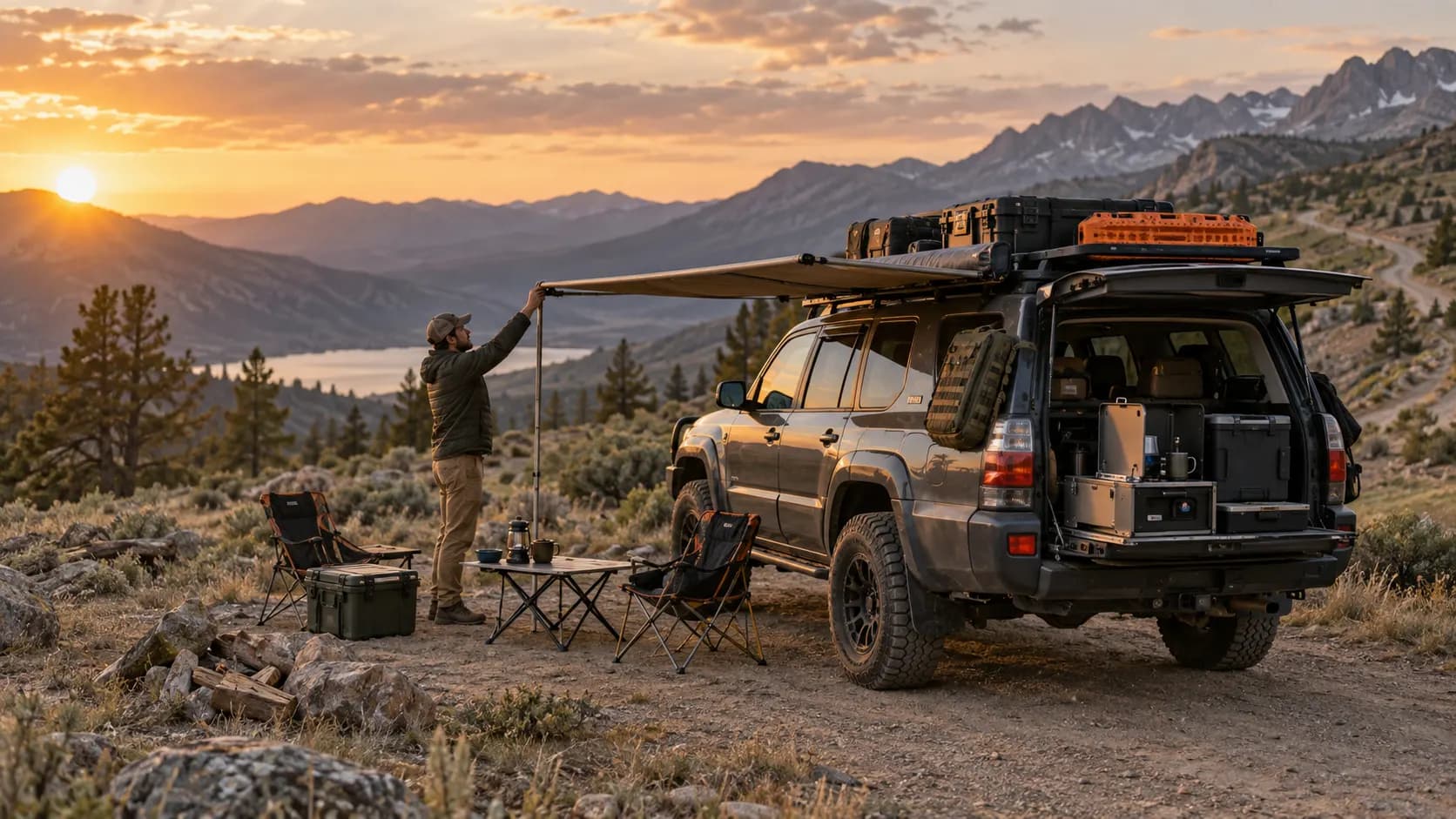
Overlanding
Camping, but you brought the entire garage with you and somehow still forgot a can opener.
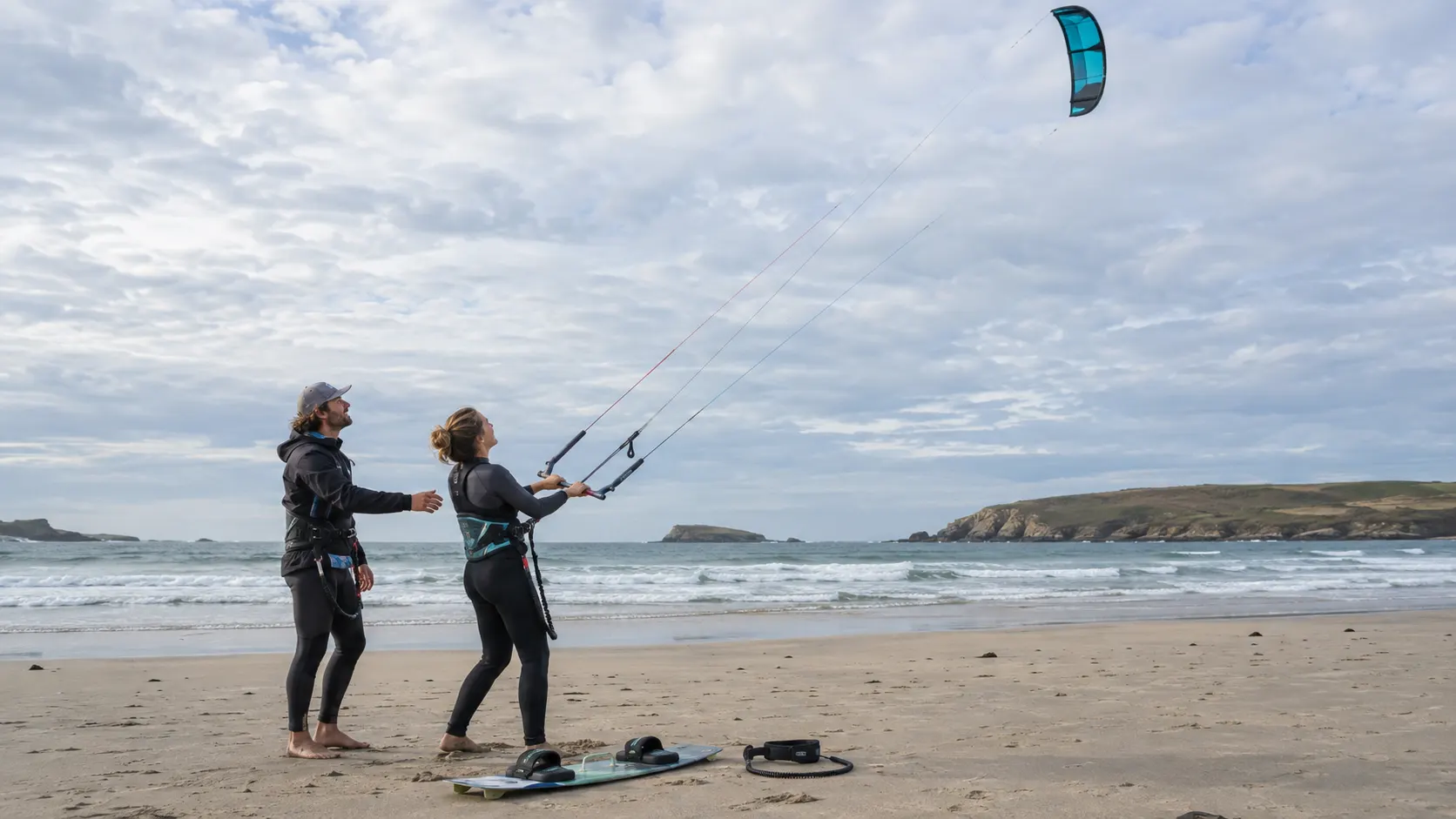
Kitesurfing
Strapping a giant kite to yourself and letting the wind decide how your afternoon goes.