Skin Diving
Snorkeling's more intense sibling: same mask, no tube, and a lot more holding your breath.
- Cost to start
- ~$80 to start
- Learning curve
- 3 / 5
- Typical session
- 30-60 min
- Physical demand
- 6 / 10
- Social level
- 3 / 10
- Setting
- Outdoors
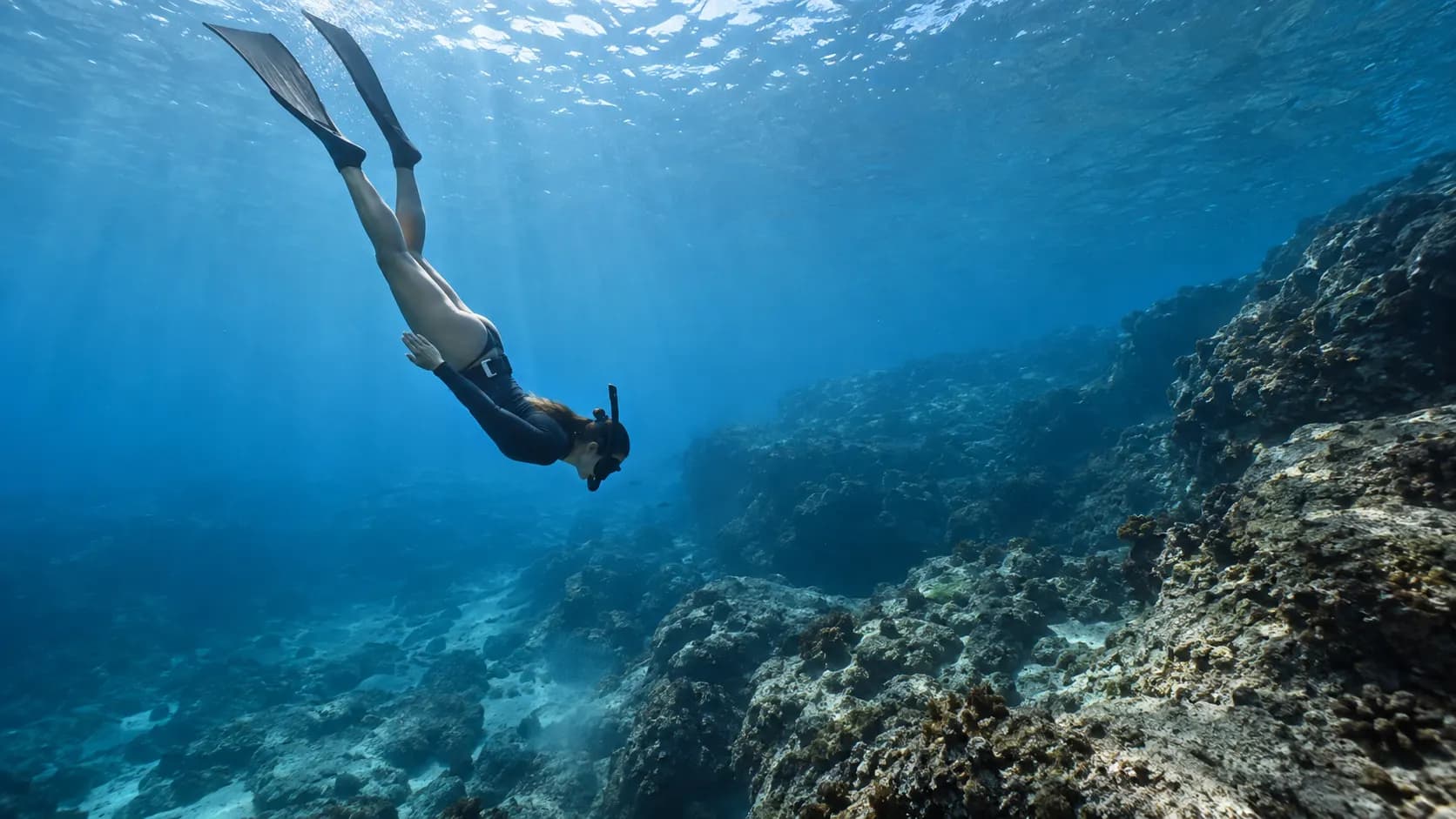
Skin diving is breath-hold diving with a mask, fins, and no tank — you dive down, spend a controlled minute or so exploring, and surface, using held breath instead of compressed air. It sits between snorkeling and freediving: more depth and control than floating at the surface, less specialized training than the sport of competitive freediving, though the safety fundamentals are shared with both.
What it costs
Bare-minimum start: about $30 — a well-fitted mask and a pair of fins, practicing shallow breath-hold dives in a calm, supervised area like a pool or a lifeguarded beach.
Practical setup: about $80. That's a low-volume freediving-style mask (smaller internal air space than a standard snorkel mask, which makes equalizing easier at depth), a snorkel for surface breathing between dives, and a pair of long freediving-style fins, which give more propulsion per kick than short scuba fins.
Optional later: a wetsuit for colder water or repeated sessions, a weight belt for buoyancy control once you're diving deeper, and a proper freediving course (a day or weekend, a few hundred dollars) covering safe breath-hold limits and rescue technique — genuinely worth it before pushing past casual shallow dives.
The one thing worth spending on early is a proper low-volume mask — a standard snorkeling mask's larger air space takes more air to equalize, which matters as soon as you're diving past a few meters. There's no real ongoing cost beyond occasional gear replacement.
What to buy
A low-volume mask designed for free or skin diving, rather than a standard snorkel mask. A snorkel for resting at the surface between dives. Long fins, which make each breath-hold dive more efficient by covering more depth per kick, extending your effective bottom time.
Skip a wetsuit for warm-water diving in short sessions; skip buying a weight belt before you've had at least basic instruction on buoyancy and safety — added weight without training is a genuine safety risk, not a convenience.
How to start
Start in a pool or calm, shallow, supervised water with a buddy, practicing simple breath-hold dives to a few feet before pushing any deeper. You don't need a full freediving course to try skin diving casually, but you do need a buddy every single time — never dive alone.
Practice slow, relaxed breathing before each dive rather than rapid deep breaths, which can cause you to black out without warning by depleting carbon dioxide signals your body relies on to know when to surface. Equalize your ears gently and often as you descend, and never push through ear pain. Safety note: shallow water blackout is real and can happen without warning even to experienced swimmers; always dive with a buddy who watches you the entire time you're underwater and is ready to assist the moment you surface, and never hyperventilate before a dive to "extend" your breath hold — that specifically increases blackout risk rather than preventing it. The most common beginner mistake is chasing depth or duration records before basic safety habits are second nature — progress slowly, and treat every session's limits as flexible downward, never up, based on how you feel that day.
Is it for you?
Skin diving suits people who want more of the ocean than snorkeling offers without committing to scuba's certification and equipment. It rewards calm and breath control more than raw fitness — plenty of skilled skin divers aren't athletes by any other measure. If depth and duration records don't interest you and you're not comfortable with real safety discipline, this isn't casual enough to skip the training. If you liked snorkeling but kept wishing you could go a little deeper and stay a little longer, this is the next reasonable step, taken carefully.
Starter gear
Soft suggestions to get going. These are affiliate links — buying through one may earn us a commission at no extra cost to you.
Tagged
More like this
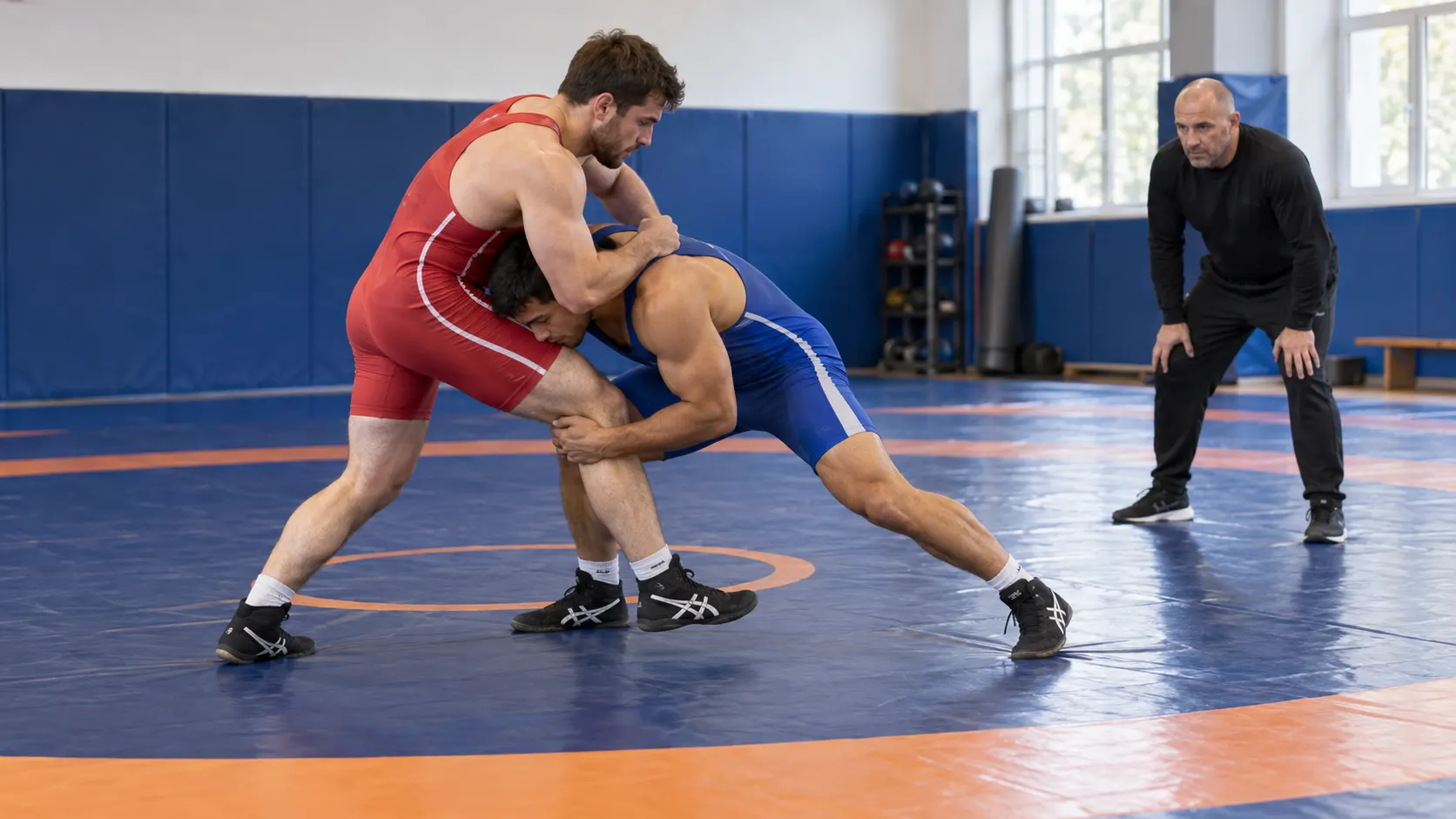
Amateur Wrestling
Chess, if the pieces could also put you in a headlock.
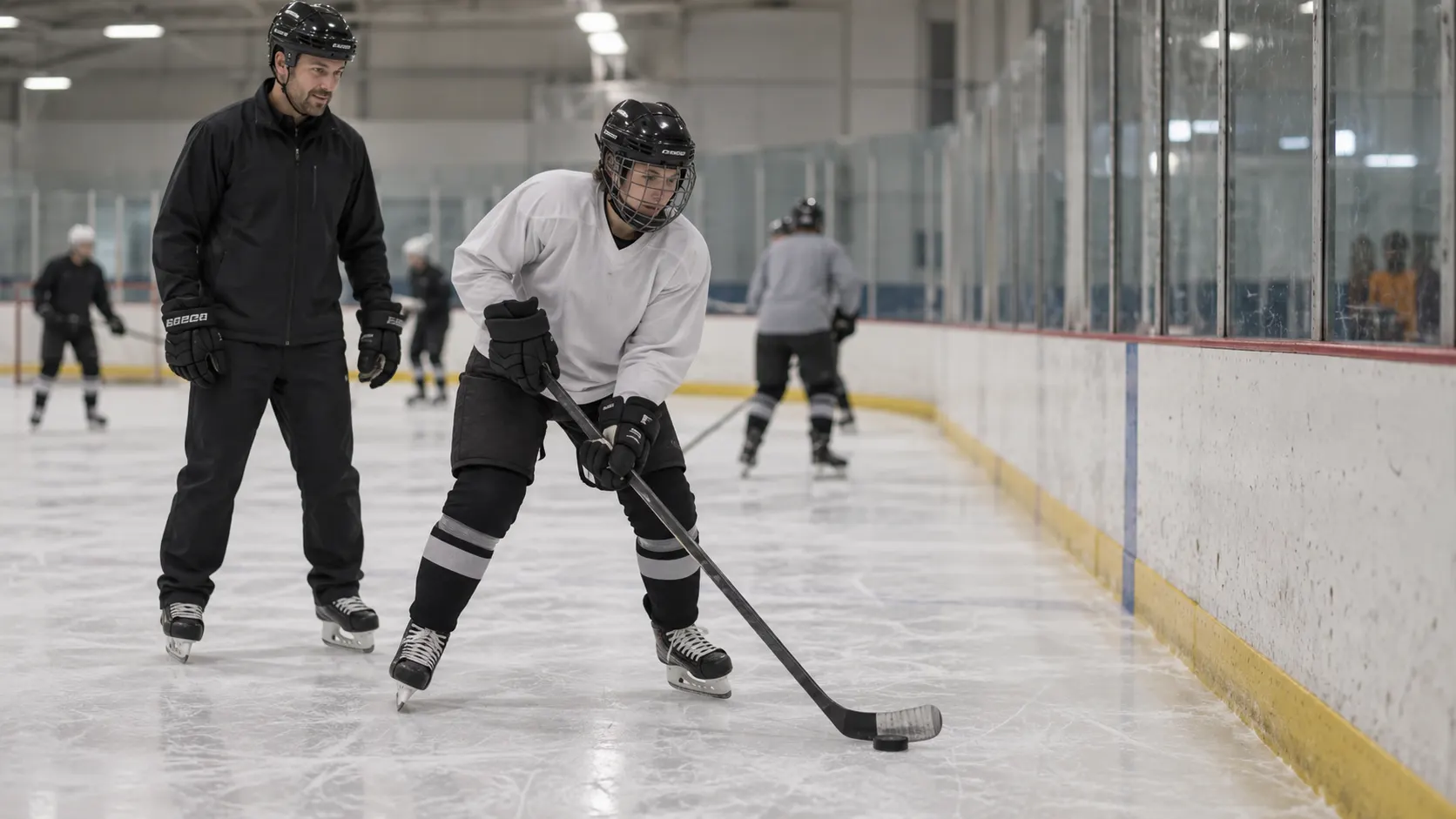
Ice Hockey
Learning to stand on knives while chasing a rubber disc, and somehow that's the fun part.
Skydiving
Voluntarily exiting a perfectly functional airplane, then paying for the privilege.
Overlanding
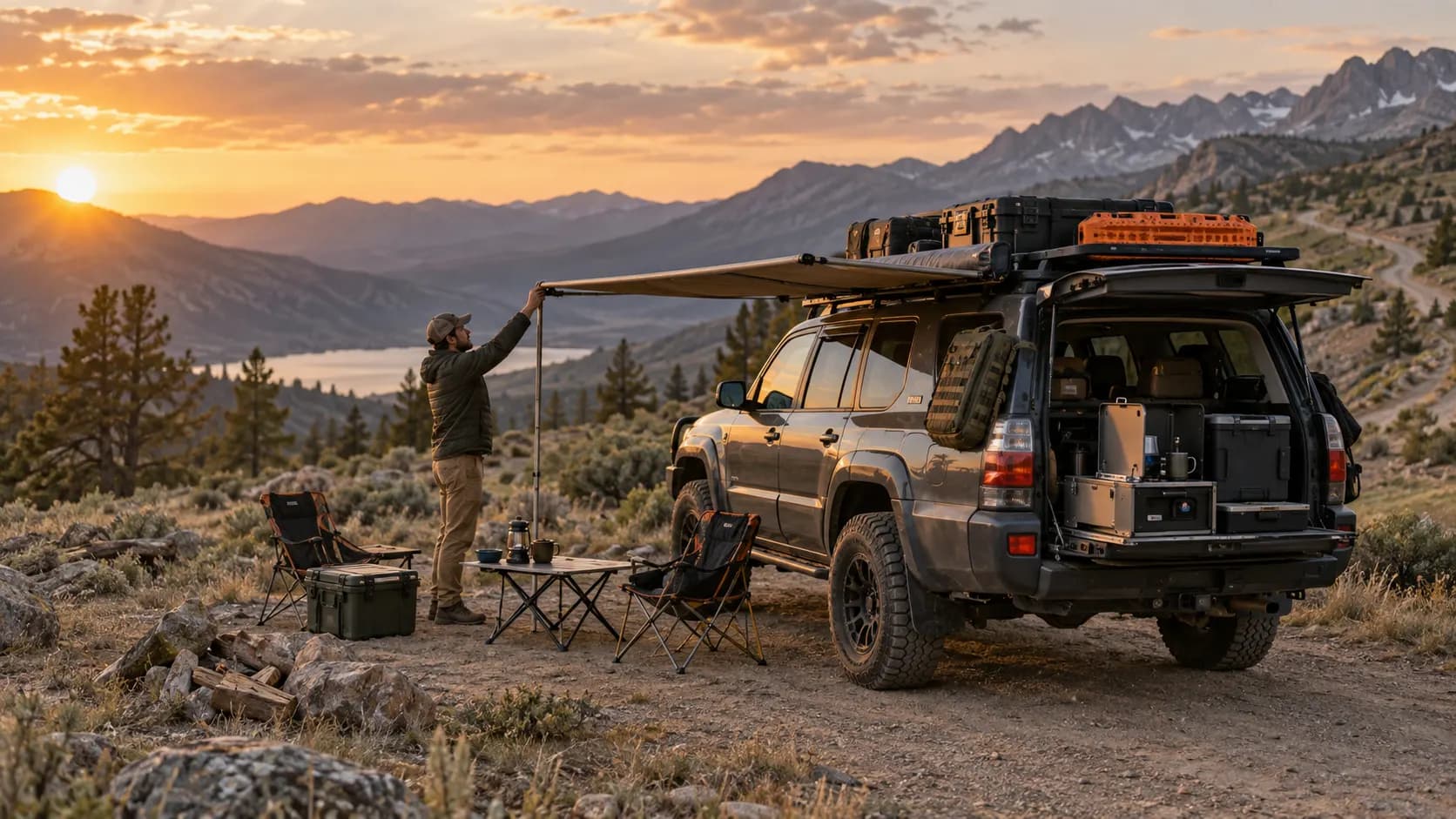
Camping, but you brought the entire garage with you and somehow still forgot a can opener.
Kitesurfing
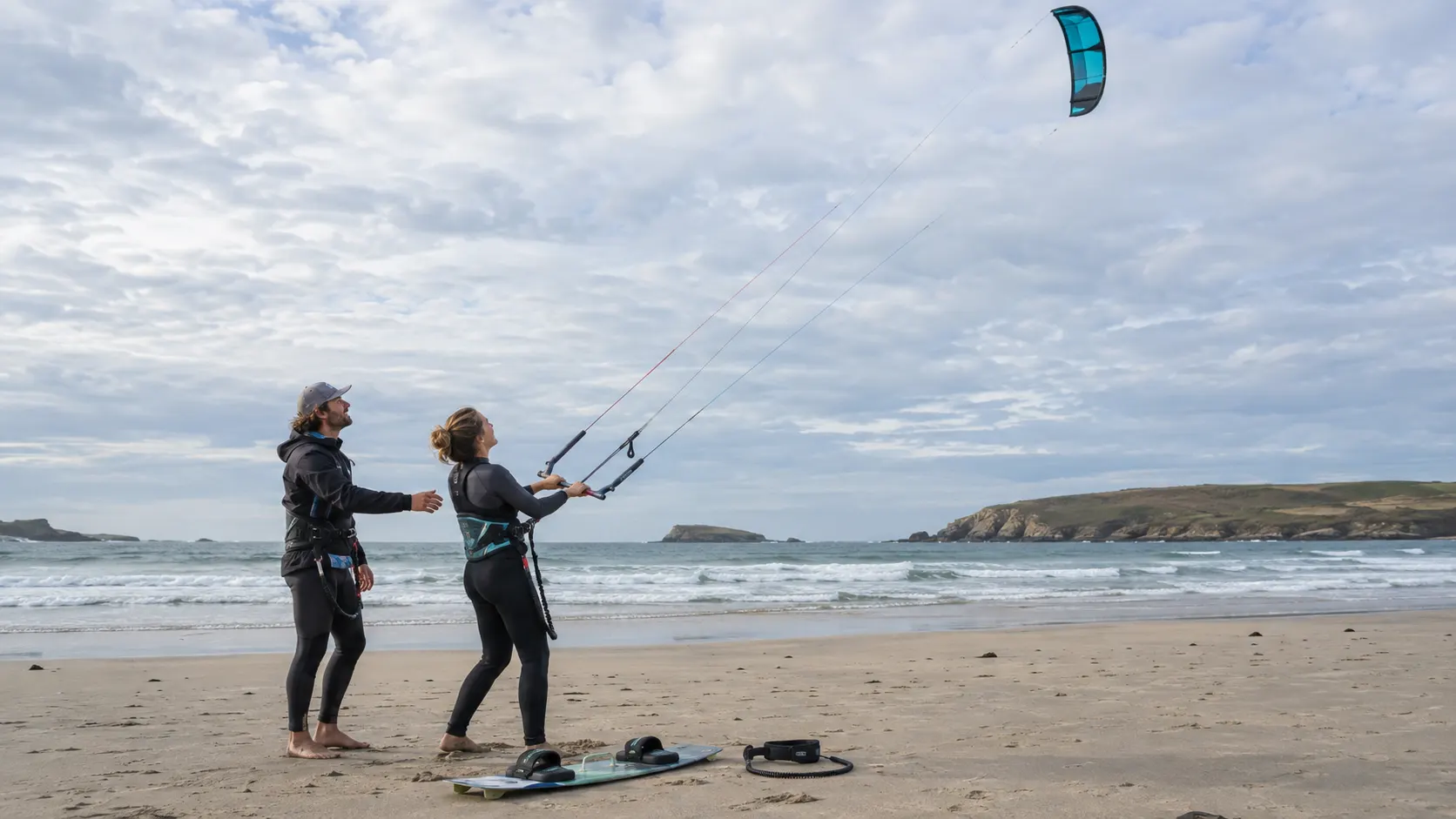
Strapping a giant kite to yourself and letting the wind decide how your afternoon goes.