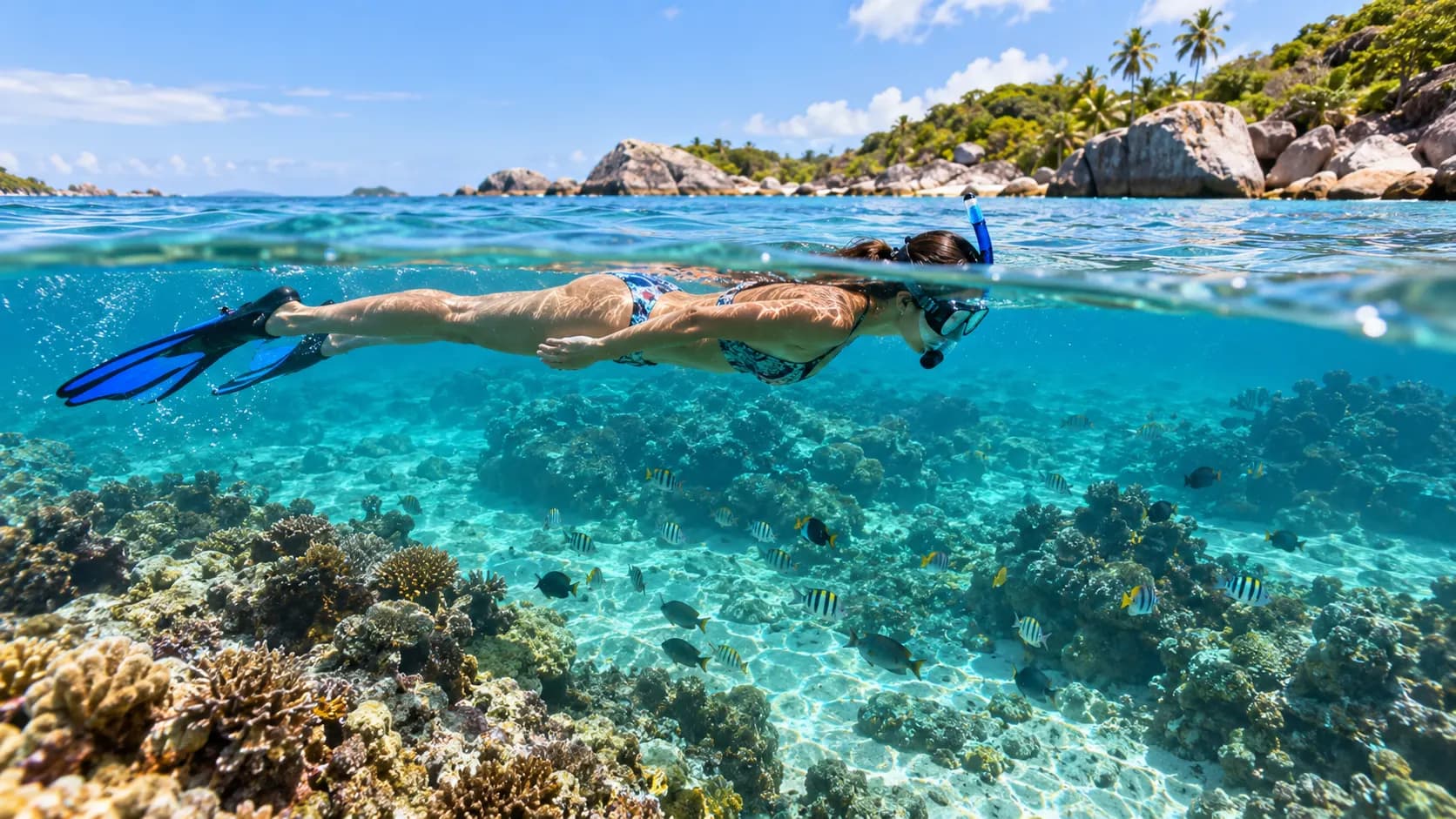
Snorkeling
All the ocean views of scuba diving, none of the certification, breathing, or bends.
- Cost to start
- ~$60 to start
- Learning curve
- 1 / 5
- Typical session
- 30-60 min
- Physical demand
- 4 / 10
- Social level
- 3 / 10
- Setting
- Outdoors
Snorkeling is what happens when you strip scuba diving down to the parts that don't need a course: a mask, a tube, and a willingness to float face-down over something interesting. No certification, no tanks, no depth limits to track — you're breathing normal air the entire time, which makes it one of the lowest-barrier ways to see an actual reef or a rocky shoreline up close.
What it costs
Bare-minimum start: about $20 — a basic rental mask and snorkel from any beach shack or hotel kiosk near a snorkel-friendly spot, or a budget set you can wade in with straight from shore. Fine for a first try.
Practical setup: about $60. That's your own mask, snorkel, and fins set — owning your own mask matters most, since a good seal against your face is the difference between an enjoyable session and a leaky, fogging one. Fins aren't strictly required for calm, shallow snorkeling but make swimming against any current far less tiring.
Optional later: a rash guard or thin wetsuit top for sun and jellyfish protection on longer sessions, a dry bag to keep your phone and towel safe on a boat or beach, and a basic underwater camera housing if you want to bring photos home.
The one thing worth spending on is a properly fitted mask — press it gently to your face without the strap and inhale slightly through your nose; if it stays sealed without you holding it, it fits. A mask that leaks constantly is the single most common reason people decide, wrongly, that they don't like snorkeling. There's no real ongoing cost beyond occasional defog gel or a replacement strap.
What to buy
A mask sized to your face — try several in person if you can, since fit varies more than most gear. A snorkel with a splash guard and purge valve, which make clearing water out of the tube far easier than a basic straight-tube model. Fins, if you'll be swimming any real distance or against current; skip them for a calm, shallow first outing.
Skip a wetsuit for warm-water snorkeling; a rash guard covers sun protection for most conditions. Skip an underwater camera on your first outing — get comfortable breathing and floating face-down before adding a task on top of it.
How to start
Start at a calm, shallow, well-reviewed snorkel spot — check recent conditions and current warnings before you go, since even easy spots can turn rough with wind or tide. You don't need fins or a wetsuit for a calm first session; a mask and snorkel are enough.
Practice breathing through the snorkel in shallow water you can stand up in before swimming out over your head — getting comfortable with the slightly restricted airflow takes most people only a few minutes, but it's worth doing before depth adds any stress. Keep your face relaxed and breathing slow and even; panicked breathing fogs a mask fast and burns energy for no reason, since you're not actually short on air. Safety note: never snorkel alone in open water, check for currents and posted warnings before entering, and know your own swimming limits — snorkeling looks passive but drifting current can carry you further than expected before you notice. The most common beginner mistake is snorkeling with wet hair or skin still on the mask's inner surface, which fogs it almost immediately; a dab of defog gel or even spit rubbed on the lens and rinsed fixes this.
Is it for you?
Snorkeling suits people who want ocean access without a course, a certification card, or expensive gear — it's one of the lowest-commitment ways to see marine life up close. It rewards calm and curiosity more than any real skill; most people are competent within their first ten minutes. If you want the depth, wrecks, and night dives that scuba offers, snorkeling stays close to the surface by definition and will eventually feel limiting. If you just want an easy, cheap reason to spend an afternoon floating somewhere beautiful, it delivers that immediately.
Starter gear
Soft suggestions to get going. These are affiliate links — buying through one may earn us a commission at no extra cost to you.
Tagged
More like this
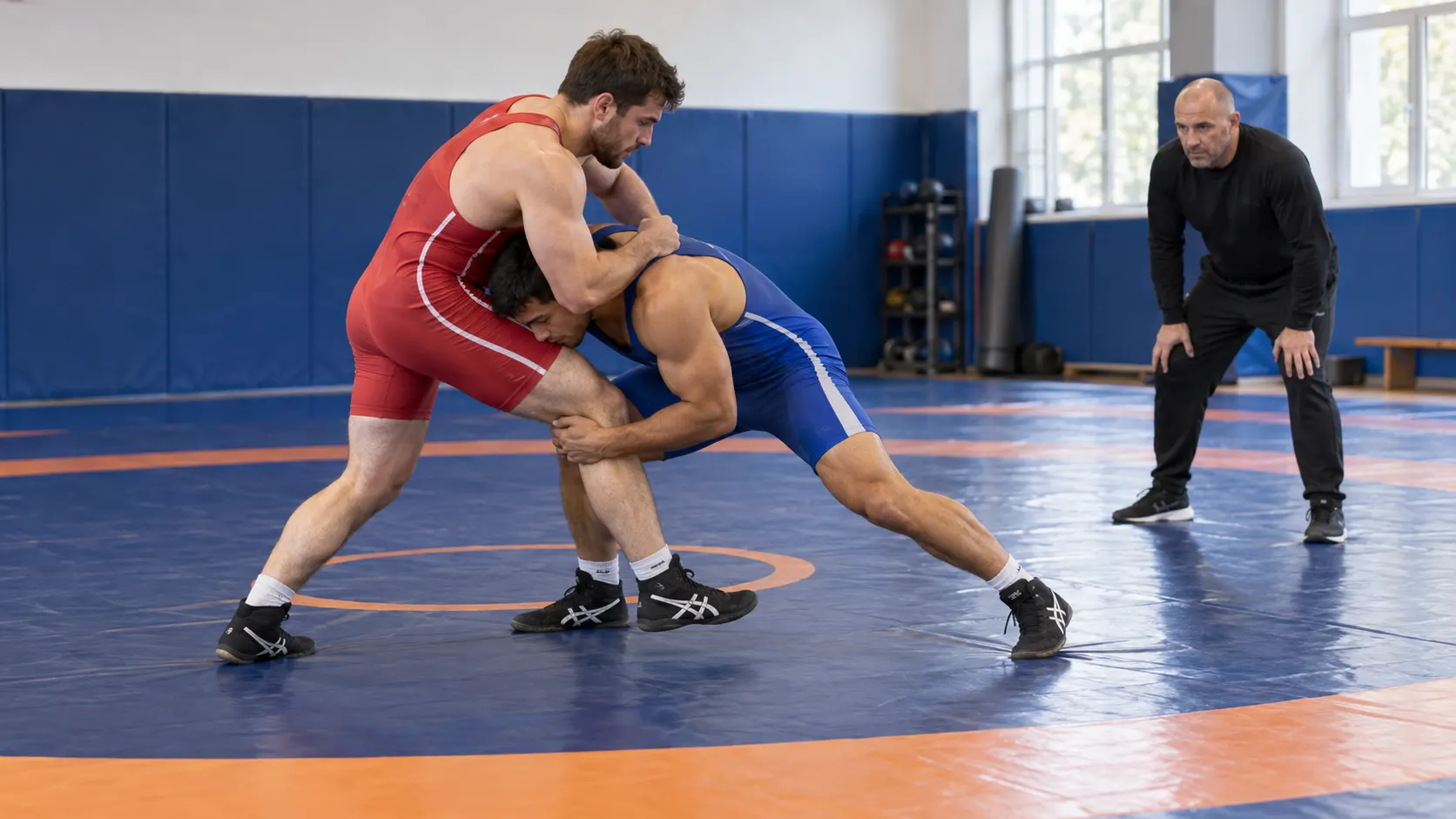
Amateur Wrestling
Chess, if the pieces could also put you in a headlock.
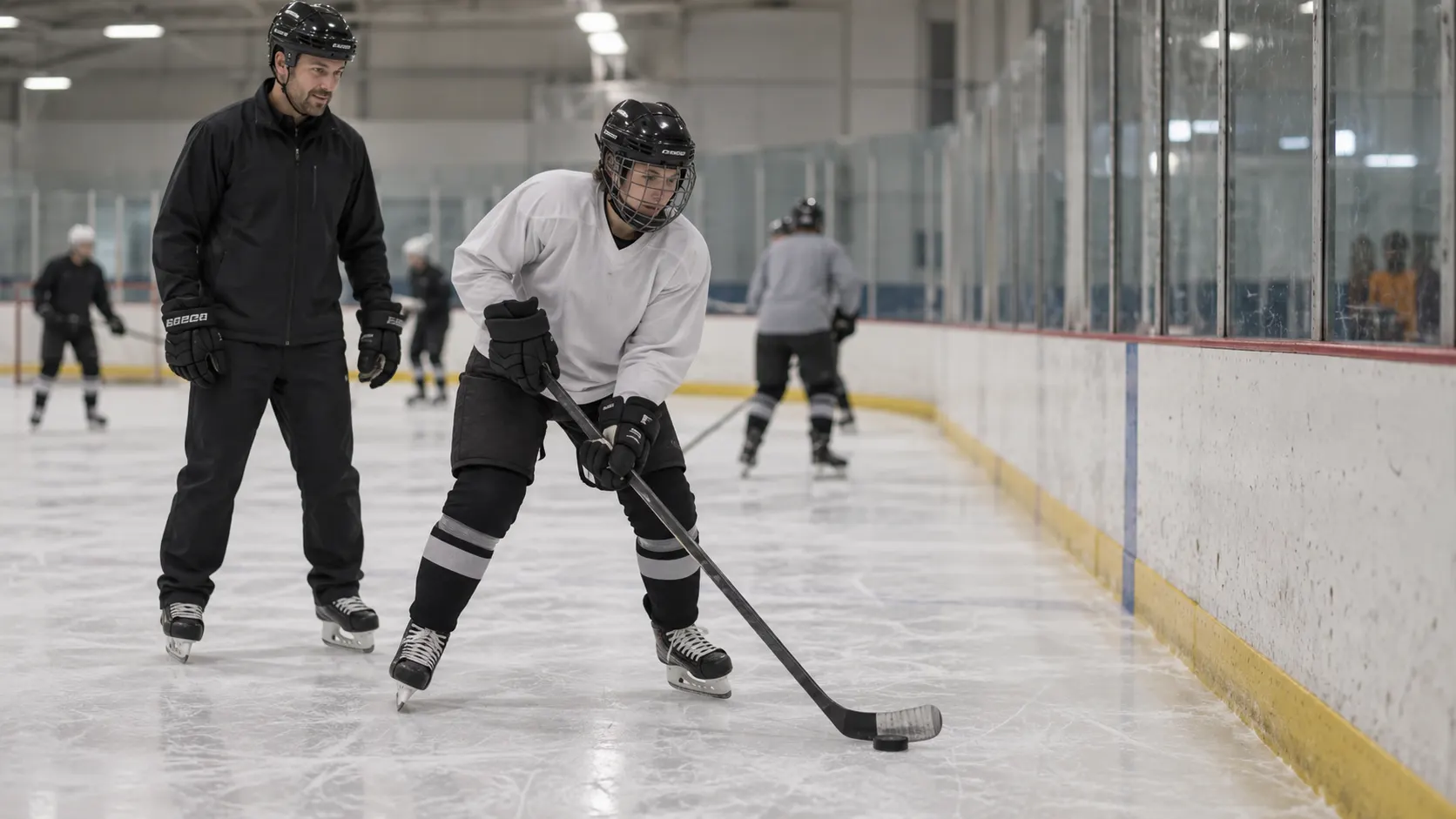
Ice Hockey
Learning to stand on knives while chasing a rubber disc, and somehow that's the fun part.
Skydiving
Voluntarily exiting a perfectly functional airplane, then paying for the privilege.
Overlanding
Camping, but you brought the entire garage with you and somehow still forgot a can opener.
Kitesurfing
Strapping a giant kite to yourself and letting the wind decide how your afternoon goes.