
Spelunking
Crawling into the dark on purpose, then telling people about it like it was relaxing.
- Cost to start
- ~$100 to start
- Learning curve
- 3 / 5
- Typical session
- 2-4 hours
- Physical demand
- 7 / 10
- Social level
- 5 / 10
- Setting
- Outdoors
Spelunking — often called caving by the community itself, though "spelunking" is the more widely recognized name — means exploring natural cave systems, from an easy walk through a lit tourist cave to genuine crawling-through-tight-passages wild caving. The beginner version and the serious version share almost nothing in equipment or risk, which makes picking the right entry point the most important decision in the whole hobby.
What it costs
Bare-minimum start: about $20 — a guided tour at a commercial show cave, which provides lighting, walkways, and a guide; you bring closed-toe shoes and a light jacket, since caves stay cool year-round regardless of surface weather.
Practical setup: about $100. That's a guided beginner "wild cave" tour through a local caving group or outfitter (not a commercial show cave — an actual undeveloped cave with a knowledgeable guide), plus a proper caving helmet with a mounted headlamp, and clothes you don't mind getting genuinely dirty, since wild caving involves real crawling through mud and tight spaces.
Optional later: caving-specific coveralls (heavily reinforced against constant abrasion), knee pads, a backup light (caving groups typically require three independent light sources per person, since darkness underground with no light is a real emergency), and eventually vertical caving gear (rope, harness, ascenders) if you get into caves requiring rappelling.
The one thing worth spending on immediately, once past a commercial tour, is a real caving helmet with a mounted light — a bare head in a cave with low ceilings and unexpected rock is a genuine injury risk, and a hand-held flashlight leaves you without free hands exactly when you need them most.
What to buy
A caving helmet with a securely mounted primary light, and at least one or two backup light sources — headlamps fail, and darkness underground with no backup is a real hazard, not a minor inconvenience. Clothes and shoes you're willing to ruin; wild caving is genuinely dirty. Knee pads, worth adding quickly once you've done one crawling-heavy trip.
Skip full vertical caving gear (rope, harness, rappelling equipment) until you're caving with an experienced group specifically doing vertical routes — that's a distinct skill set requiring real instruction, not something to improvise. Skip expensive caving-specific coveralls for your first trip; old clothes you don't mind ruining work fine to start.
How to start
Start with either a commercial show cave tour to get a feel for being underground, or — better, if available — a beginner trip organized by a local caving club (often called a "grotto" in the US), which brings guides, safety knowledge, and a group. You don't need your own gear for either of these first steps; clubs typically lend helmets and lights to newcomers.
Learn basic cave etiquette early: stay on marked paths in show caves, and in wild caves, avoid touching formations, since oils from skin can permanently stop mineral formations like stalactites from growing. Safety note: never cave alone, always tell someone outside your route and expected return time, carry the recommended three independent light sources, and never enter a cave system beyond your training level, especially anything involving water or vertical drops — cave rescue is genuinely difficult and slow compared to surface rescue. The most common beginner mistake is underestimating how physically demanding crawling and squeezing through tight passages actually is; wild caving is a real workout, not a walk, even on routes rated for beginners.
Is it for you?
Spelunking suits people who are curious about genuinely hidden places and comfortable with tight, dark, cool spaces — claustrophobia is worth being honest with yourself about before booking a wild cave trip specifically. It rewards calm, careful movement more than strength. If enclosed dark spaces make you anxious, a commercial show cave is a much gentler way to test that before committing to anything tighter. If you've ever wanted to see a part of the world that most people never will, it delivers that as directly as almost any hobby can.
Starter gear
Soft suggestions to get going. These are affiliate links — buying through one may earn us a commission at no extra cost to you.
Tagged
More like this
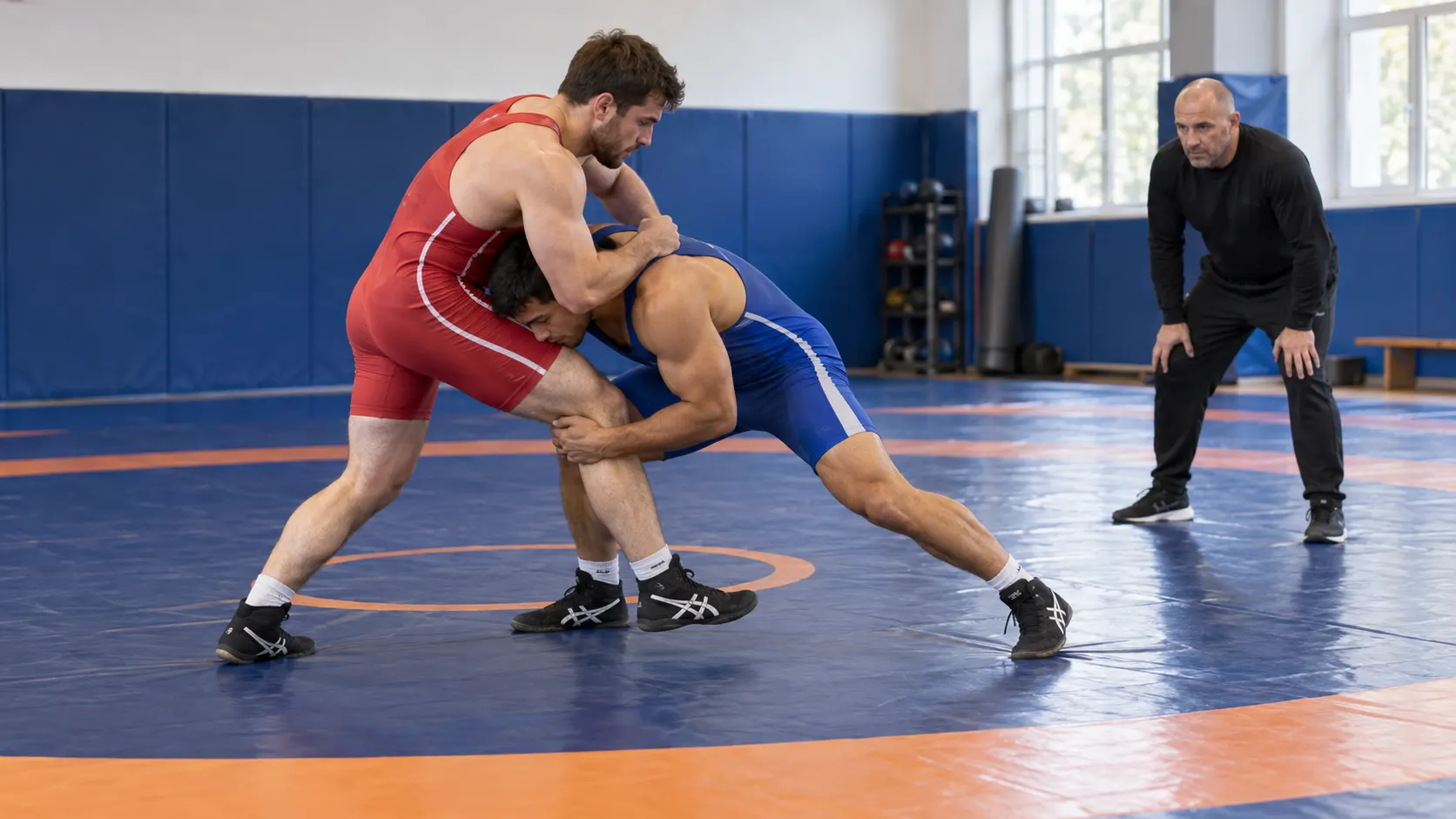
Amateur Wrestling
Chess, if the pieces could also put you in a headlock.
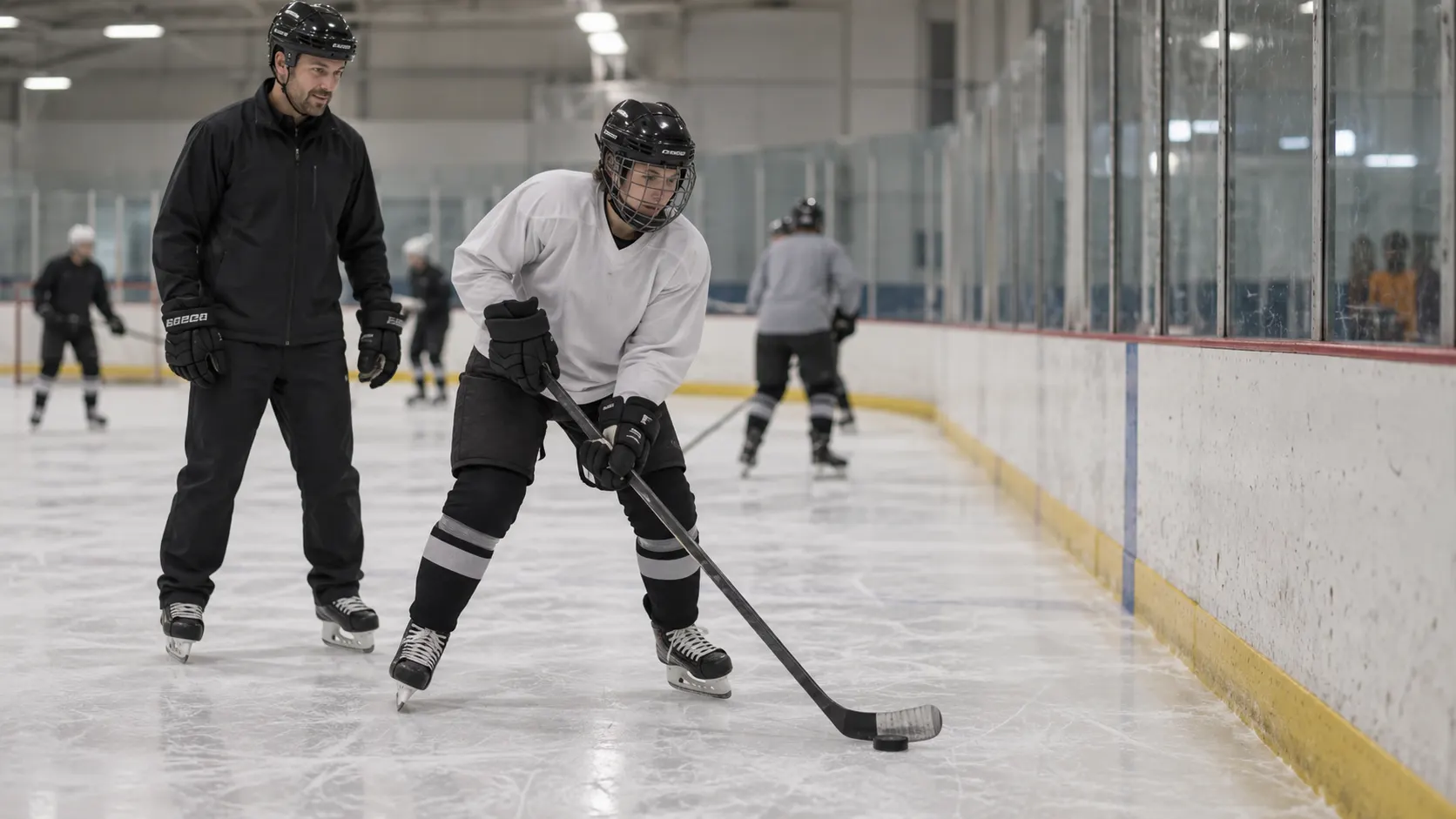
Ice Hockey
Learning to stand on knives while chasing a rubber disc, and somehow that's the fun part.
Skydiving
Voluntarily exiting a perfectly functional airplane, then paying for the privilege.
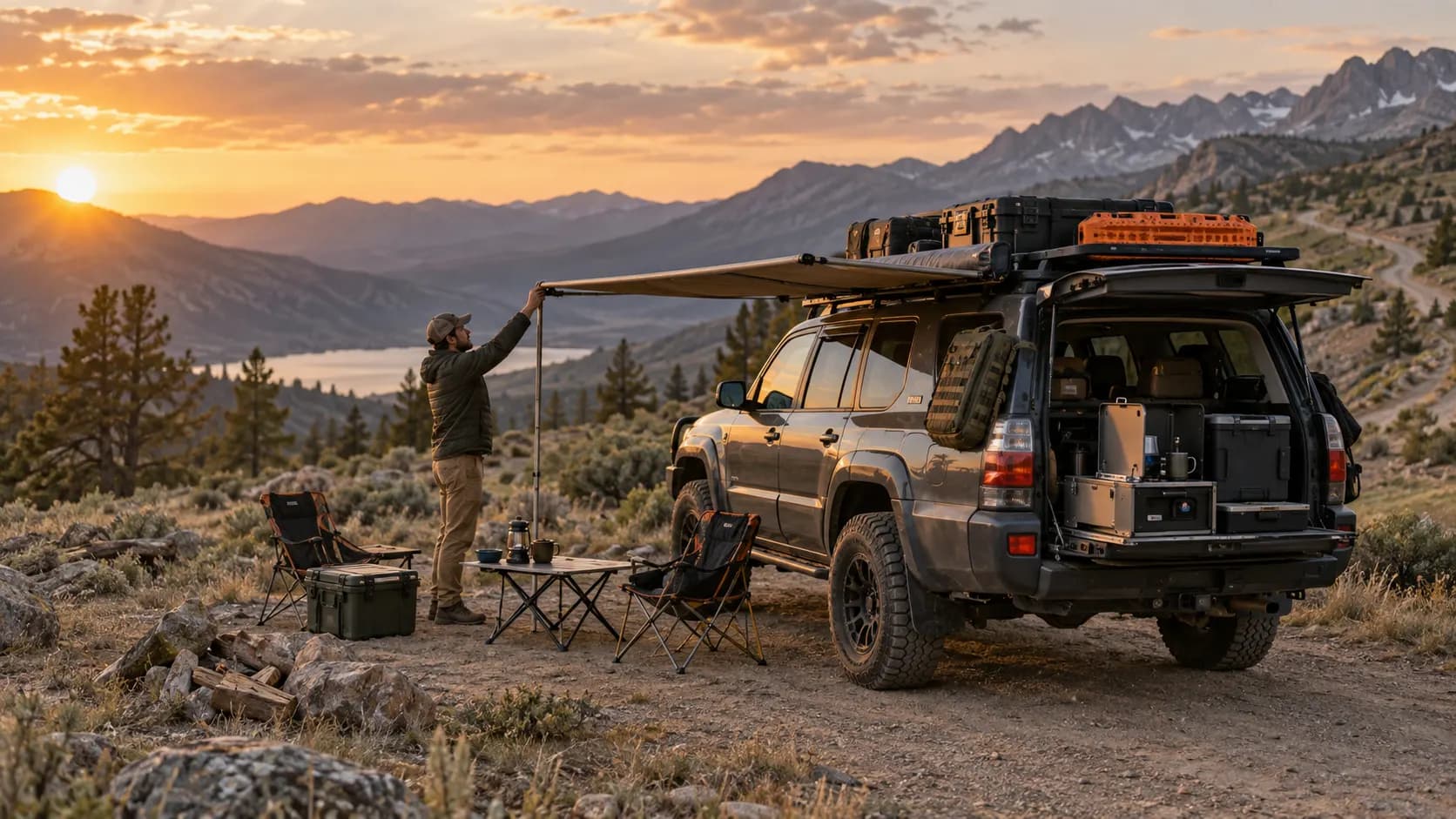
Overlanding
Camping, but you brought the entire garage with you and somehow still forgot a can opener.
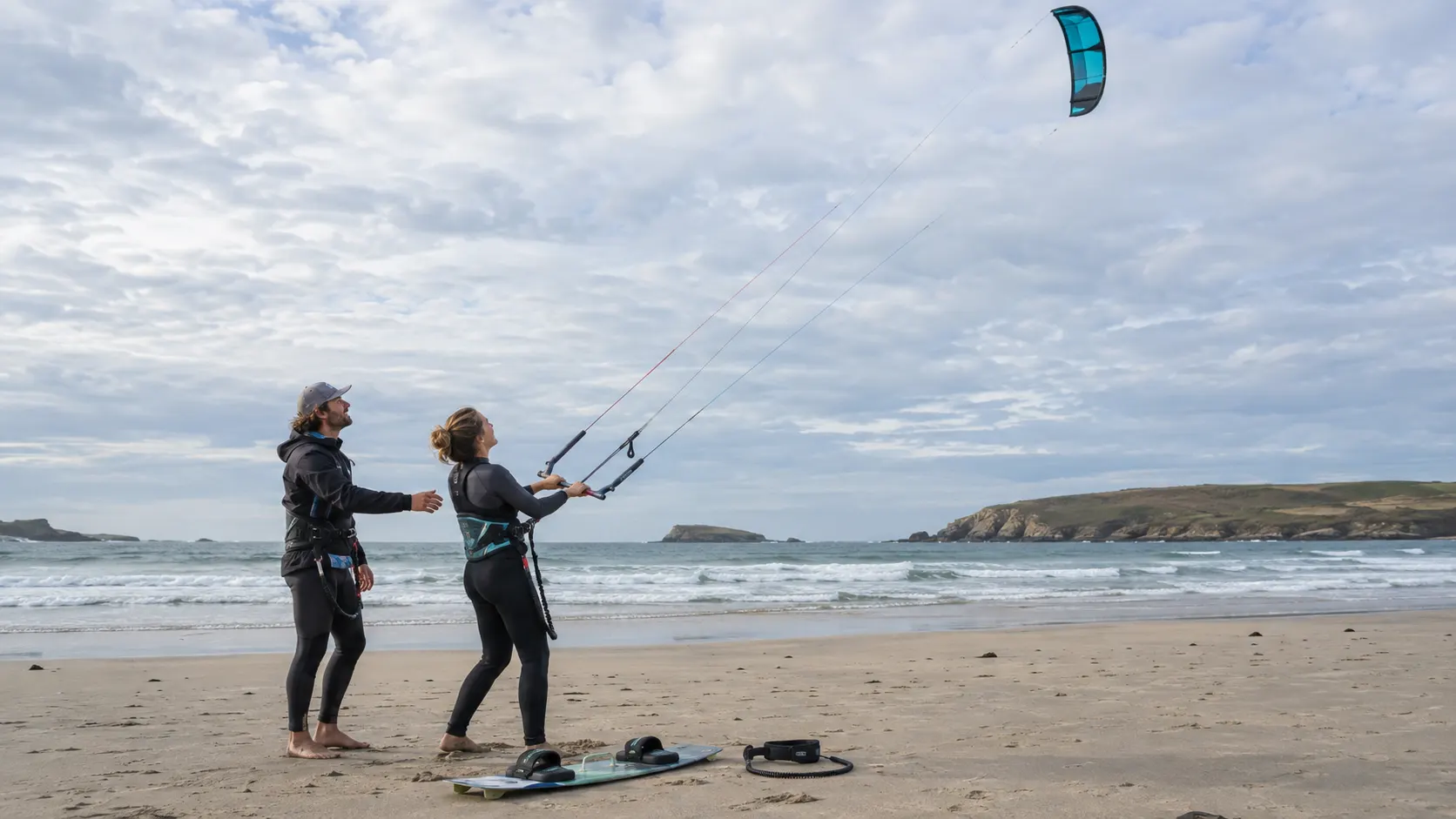
Kitesurfing
Strapping a giant kite to yourself and letting the wind decide how your afternoon goes.