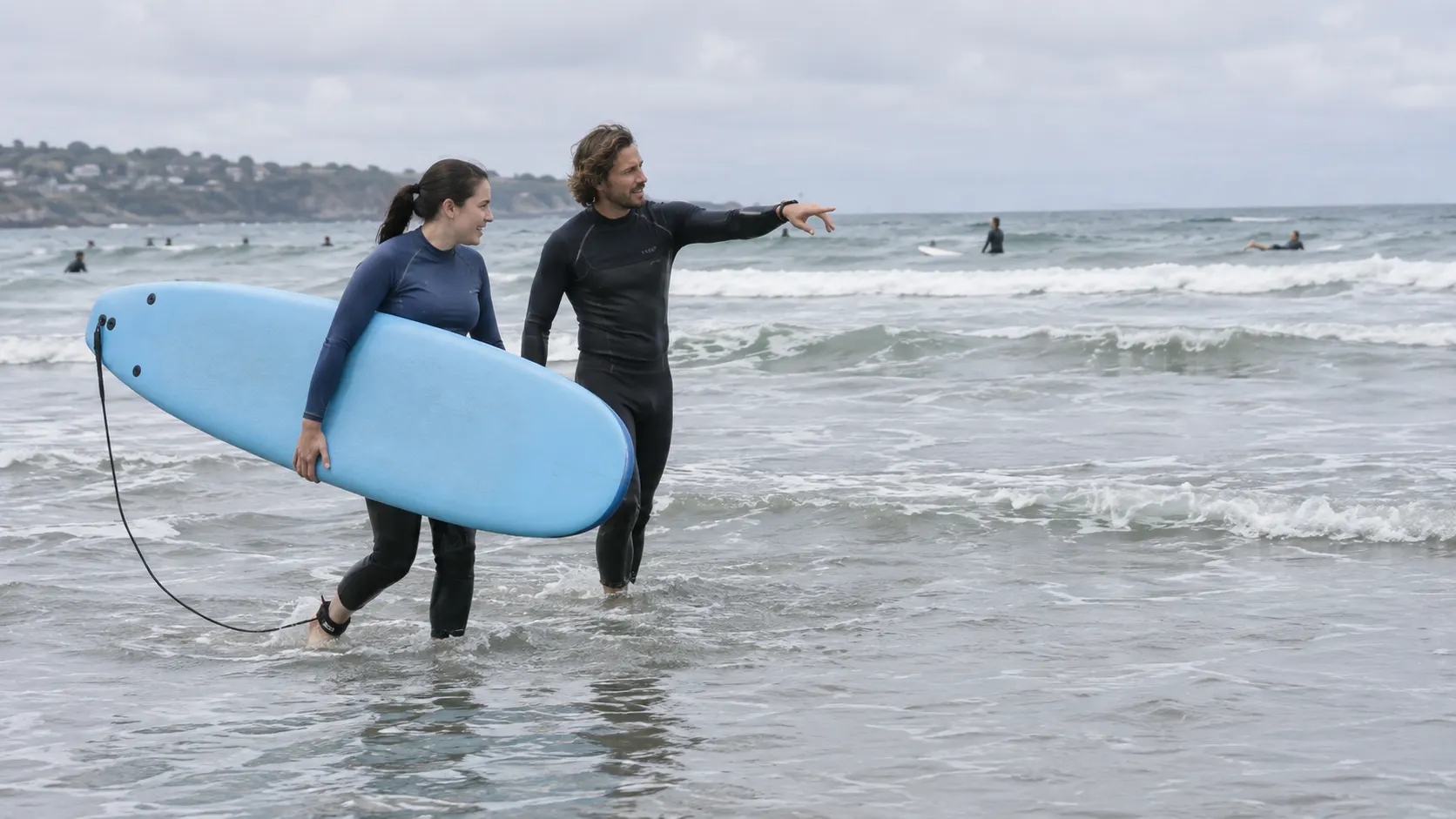
Surfing
90% paddling, 9% falling off, 1% the exact feeling you saw in the videos.
- Cost to start
- ~$350 to start
- Learning curve
- 4 / 5
- Typical session
- 60-120 min
- Physical demand
- 8 / 10
- Social level
- 3 / 10
- Setting
- Outdoors
Surfing looks like standing on a wave, and the reality of learning is mostly paddling, positioning, and falling — the actual standing-and-riding part is a small fraction of a beginner's time in the water at first. That ratio flips with practice, but almost everyone underestimates how much of surfing is done lying on the board before it's spent standing on it.
What it costs
Bare-minimum start: about $40 — a single lesson through a local surf school, which includes a soft-top beginner board and sometimes a wetsuit, plus an instructor who gets you through the basics far faster than self-teaching.
Practical setup: about $350. That's a beginner-friendly soft-top longboard (stable and forgiving, genuinely the right call over a shorter, harder board that looks cooler but is much harder to learn on), a leash, wax or a traction pad for grip, and a wetsuit if your local water runs cold.
Optional later: a shorter, more maneuverable board once you're comfortably catching and riding waves on the longboard, a board bag for transport and protection, and surf trip travel once you're chasing specific breaks and conditions.
The one thing worth spending on is real lessons, at least for your first few sessions — a good instructor teaches proper pop-up technique and wave positioning far faster than self-teaching, and bad habits formed alone (a slow pop-up, poor board positioning) are genuinely hard to unlearn later.
What to buy
A soft-top beginner longboard, more stable and far more forgiving than a shortboard — nearly every surf instructor recommends starting here regardless of your fitness level. A leash to keep the board attached to you. Wax or a traction pad for grip. A wetsuit if you're surfing anywhere the water isn't consistently warm.
Skip a shortboard as a first purchase, no matter how tempting — the stability tradeoff makes learning dramatically harder, and most people move to a shorter board naturally once their skills catch up. Skip a board bag and other transport accessories until you own a board regularly enough to need one.
How to start
Start with a lesson or two through a local surf school at a beginner-friendly beach — gentle, consistent small waves matter far more for learning than any particular famous surf spot. You don't need your own board yet; lessons include rentals.
Spend real time practicing your pop-up (the motion from lying to standing) on the sand before ever trying it in the water — muscle memory built on solid ground transfers directly and saves you from fumbling the motion while also managing a moving wave. Learn basic surf etiquette early: right of way generally goes to whoever is closest to the wave's peak, and dropping in on someone already riding a wave is both unsafe and genuinely unwelcome in the water. Safety note: always check local conditions and any posted hazards before entering the water, be honest about your swimming ability, and never surf alone as a beginner. The most common beginner mistake is trying to stand up too early or too late relative to the wave's actual push; timing this comes with repetition far more than it comes with strength or thinking harder about it.
Is it for you?
Surfing suits people who don't mind a real, humbling beginner phase — most people spend far longer falling and paddling than actually riding waves in their first weeks. It rewards patience and repetition more than raw athleticism; timing and feel matter more than strength. If you want quick visible progress, surfing's learning curve is genuinely slow and physically tiring even before you catch your first real wave. If you've ever watched someone glide across a wave and felt a pull toward trying it yourself, that first shaky, mostly-successful ride tends to be exactly as addictive as it looks from the beach.
Starter gear
Soft suggestions to get going. These are affiliate links — buying through one may earn us a commission at no extra cost to you.
Tagged
More like this
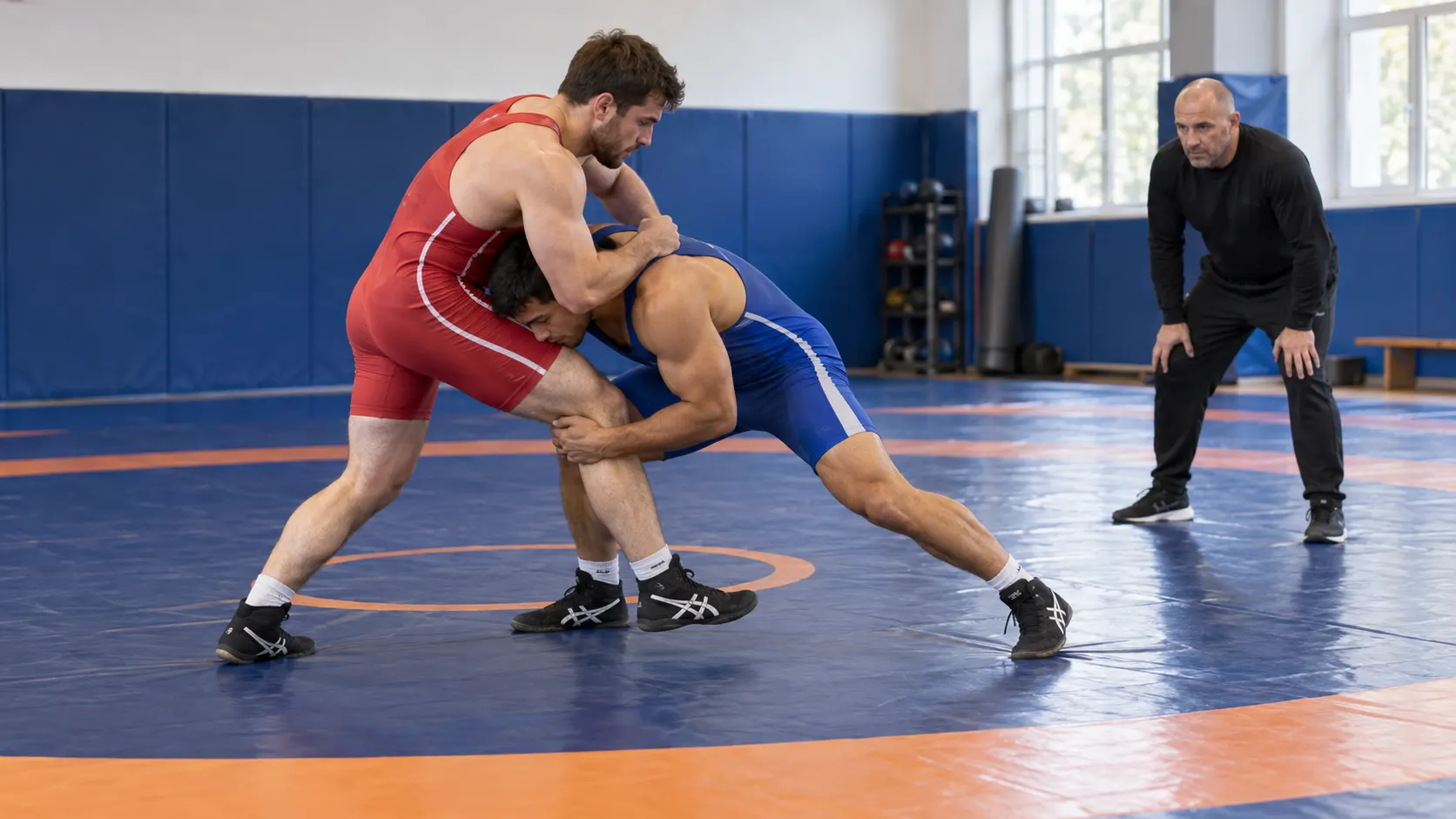
Amateur Wrestling
Chess, if the pieces could also put you in a headlock.
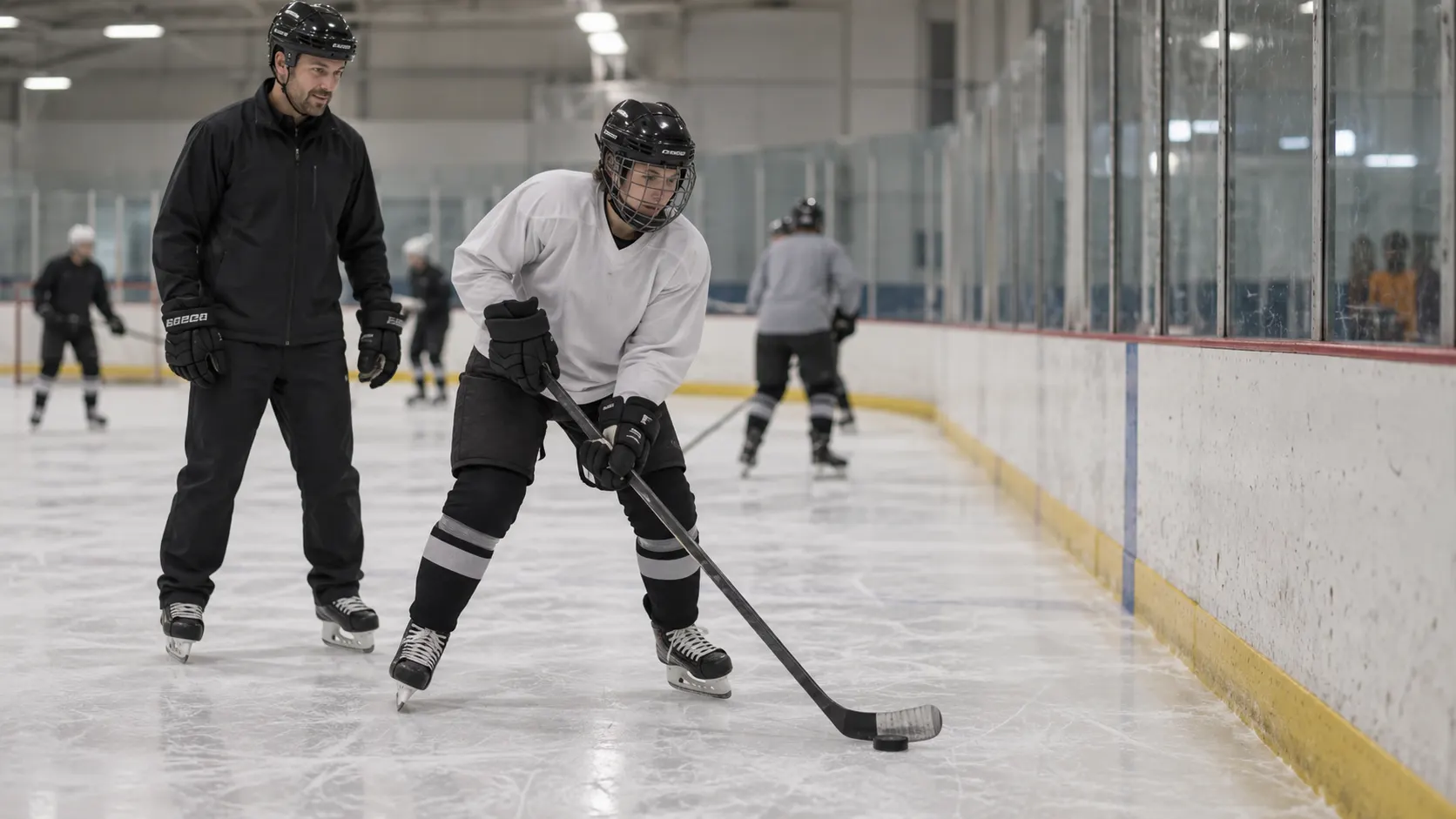
Ice Hockey
Learning to stand on knives while chasing a rubber disc, and somehow that's the fun part.
Skydiving
Voluntarily exiting a perfectly functional airplane, then paying for the privilege.
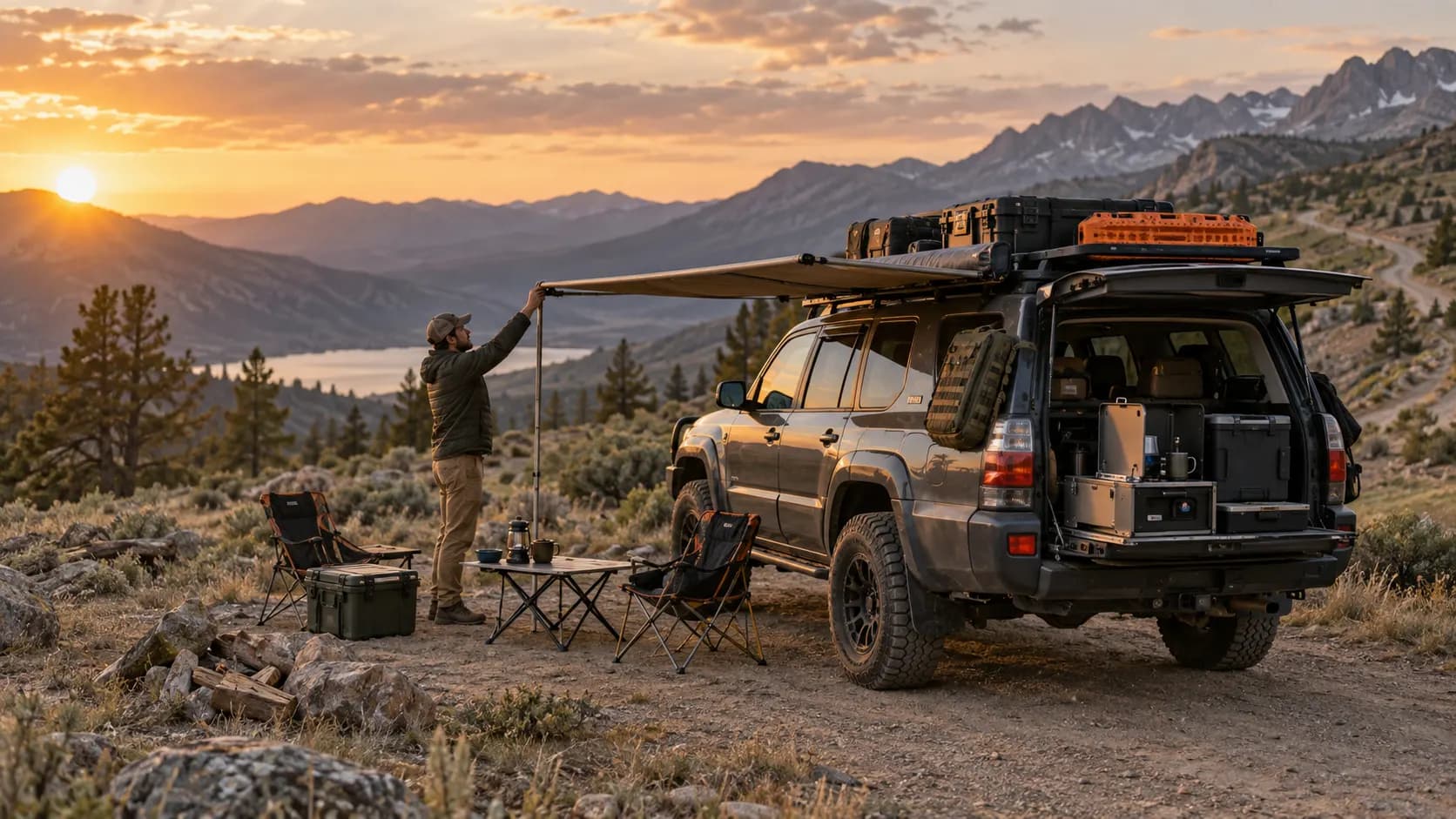
Overlanding
Camping, but you brought the entire garage with you and somehow still forgot a can opener.
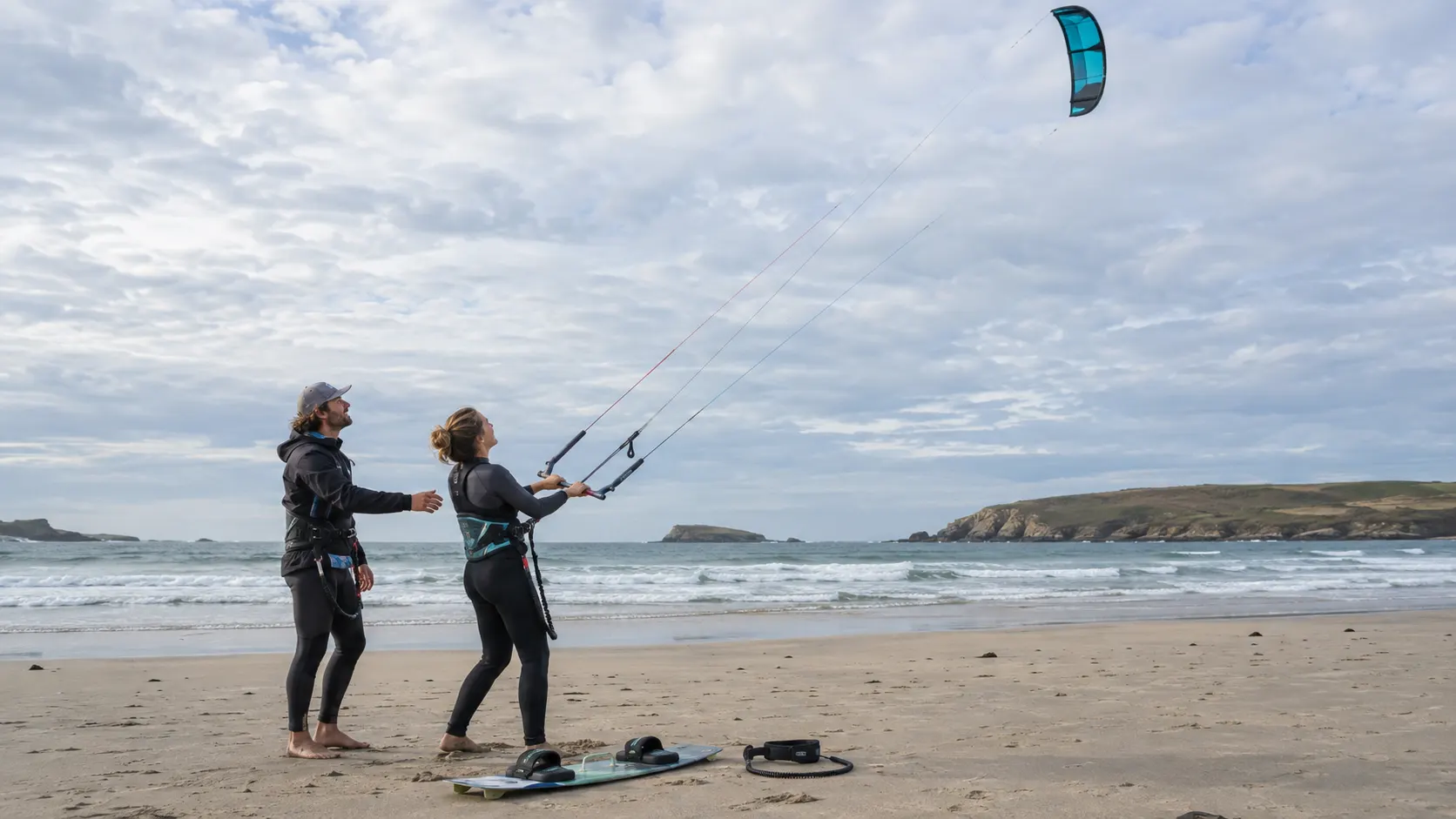
Kitesurfing
Strapping a giant kite to yourself and letting the wind decide how your afternoon goes.