
Whitewater Rafting
Paying someone to drive you into rapids, then paddling like it was your idea.
- Cost to start
- ~$110 to start
- Learning curve
- 1 / 5
- Typical session
- 4-6 hours
- Physical demand
- 6 / 10
- Social level
- 6 / 10
- Setting
- Outdoors
Whitewater rafting means a guided trip down a river's rapids in an inflatable raft, usually with a professional guide steering and calling instructions while you paddle. Rivers are graded by difficulty (Class I is barely moving water, Class V is genuinely dangerous even for experts), and most beginner trips run Class II-III — enough splashing and bouncing to feel like an adventure, calm enough that guides handle real beginners routinely.
What it costs
Bare-minimum start: about $60 — a half-day guided trip on a beginner-friendly stretch through a local outfitter, which includes the raft, guide, paddle, and a life jacket. This is a complete, single experience on its own.
Practical setup: about $110. That's a full-day guided trip (more river time, often better rapids and scenery than the half-day option), plus your own quick-dry clothing and water shoes — sandals and bare feet don't hold up to riverbed rocks, and cotton clothing stays miserably wet the whole trip.
Optional later: a wetsuit or splash jacket for cold-water rivers or spring runoff conditions, your own paddle and life jacket if you're rafting often enough that gear rental fees add up, and a multi-day rafting trip with camping included for a much bigger river adventure.
The one thing worth spending on, even for a single trip, is proper water shoes — river bottoms are rocky and slippery, and bare feet or flip-flops are both uncomfortable and a real way to get hurt getting in and out of the raft.
What to buy
A guided trip through a licensed local outfitter is the main cost — this isn't equipment-based the way most sports here are. Quick-dry clothing (synthetic, not cotton) and water shoes are worth owning if you plan to raft more than once; outfitters typically provide the raft, paddle, and life jacket as part of the trip price.
Skip buying your own raft, paddle, or life jacket for occasional trips — rental/included gear through an outfitter is both cheaper and better maintained than most people's first personal purchase would be. Skip a wetsuit for a warm-season trip on a river that isn't fed by snowmelt; check with your outfitter about water temperature before deciding.
How to start
Start by booking a beginner-friendly (Class II-III) trip through a licensed local outfitter — check recent reviews and confirm the trip is guide-led with an experienced river guide, not a self-guided rental for a first trip. You don't need your own gear; outfitters provide the raft, paddles, and life jackets.
Listen closely to your guide's safety briefing before launching — it covers what to do if you fall out (float feet-first downstream, don't stand up in moving water since your foot can trap on the riverbed), and it matters more than it sounds like it will once you're actually on the water. Paddle when your guide calls for it and rest when they don't; rafting is a team effort, and uncoordinated paddling can actually make steering harder for your guide. Safety note: always wear the provided life jacket properly fastened, never raft a river above your group's experience level, and take river conditions (recent rain, spring snowmelt) seriously since they can push an otherwise moderate river into more dangerous territory. The most common beginner mistake is gripping the raft's safety line too tightly out of nervousness instead of paddling — trust your guide and the gear, and actually participate; it's both more fun and, per most guides, safer than rigid tension.
Is it for you?
Whitewater rafting suits people who want a real adrenaline hit with almost no skill requirement, since a good guide does the technical work. It rewards a willingness to get wet, cold, and briefly out of control more than any fitness or paddling skill. If you're uncomfortable with unpredictable, fast-moving water or being briefly submerged if you fall out, this is worth being honest with yourself about before booking. If you want an outdoor adventure day that needs zero prior experience and delivers a genuine story afterward, it's one of the most reliably fun group outings on this whole list.
Starter gear
Soft suggestions to get going. These are affiliate links — buying through one may earn us a commission at no extra cost to you.
Tagged
More like this
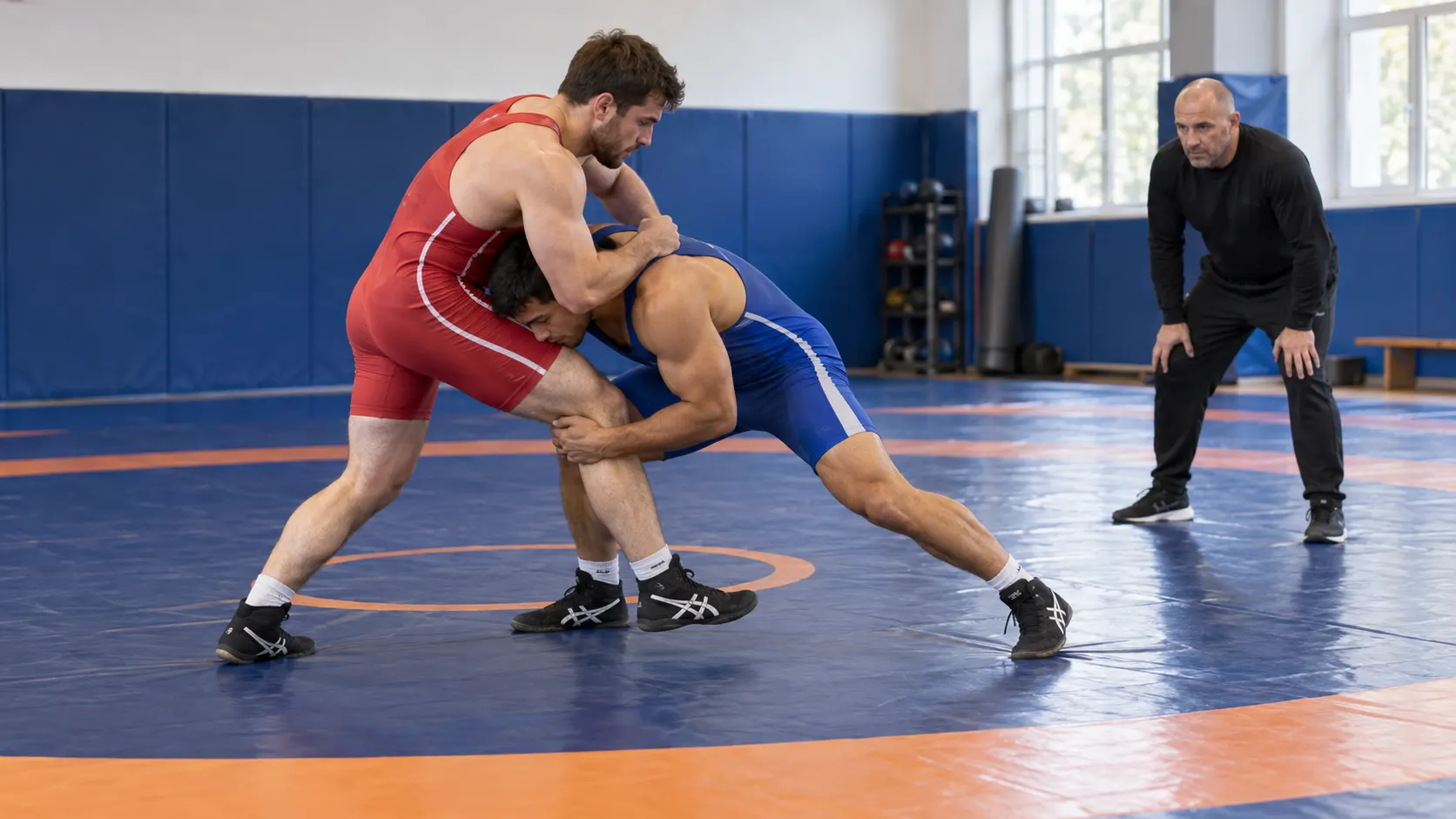
Amateur Wrestling
Chess, if the pieces could also put you in a headlock.
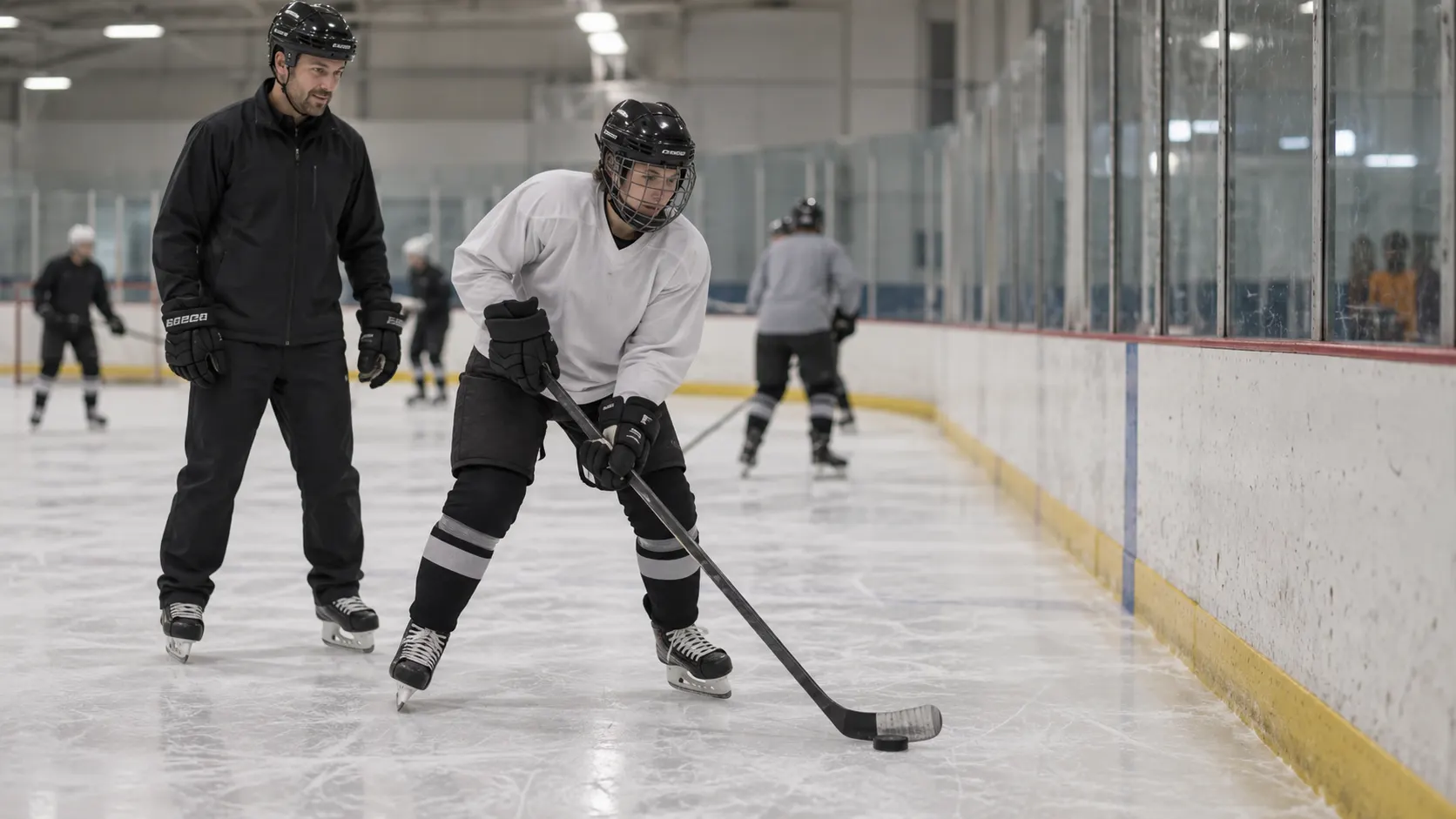
Ice Hockey
Learning to stand on knives while chasing a rubber disc, and somehow that's the fun part.
Skydiving
Voluntarily exiting a perfectly functional airplane, then paying for the privilege.
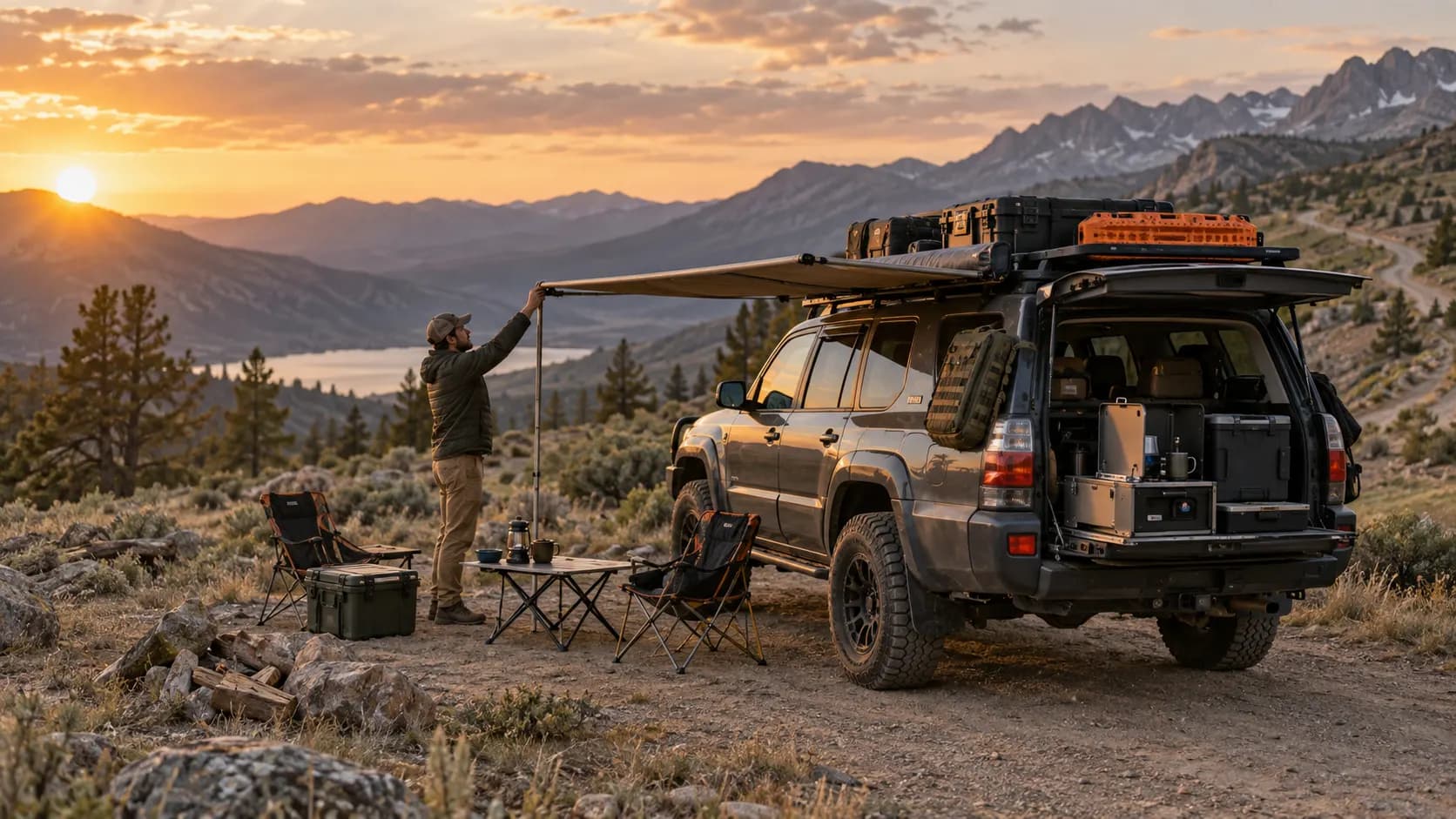
Overlanding
Camping, but you brought the entire garage with you and somehow still forgot a can opener.
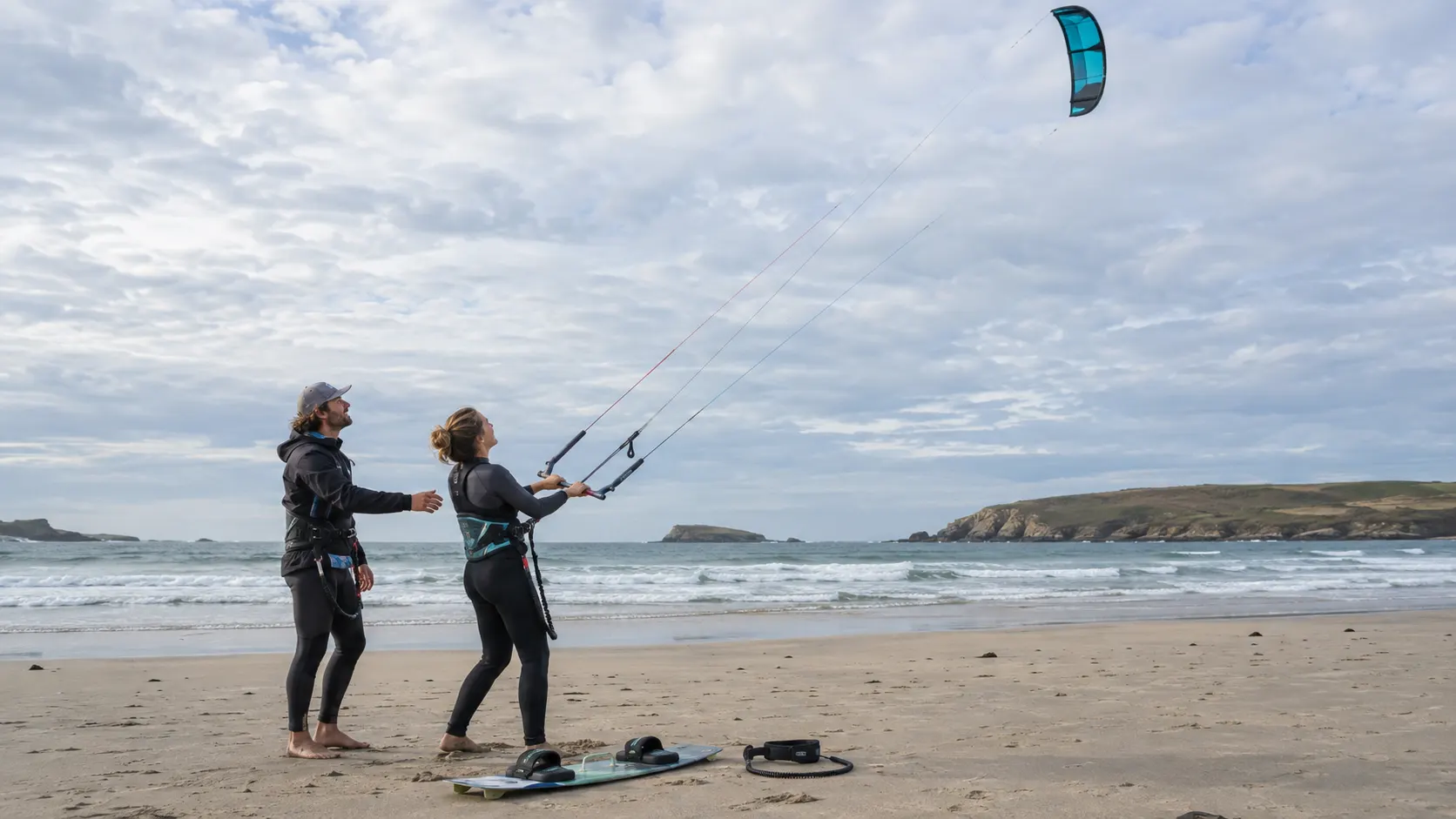
Kitesurfing
Strapping a giant kite to yourself and letting the wind decide how your afternoon goes.